Teej Festival in Nepal: A Beautiful Celebration of Culture and Tradition
Share:
 Read Time
This blog has 4129 words .This blog has 28685 characters.This blog take 14 minutes to read.
Nepal is a country famous for its Himalayan landscapes, ancient temples, and diverse cultural heritage. However, beyond the mountains and natural beauty, Nepal is also home to many colorful festivals that reflect the beliefs, traditions, and lifestyles of local communities. Among these celebrations, the Teej Festival in Nepal is one of the most special and widely celebrated festivals, especially among Nepalese women.
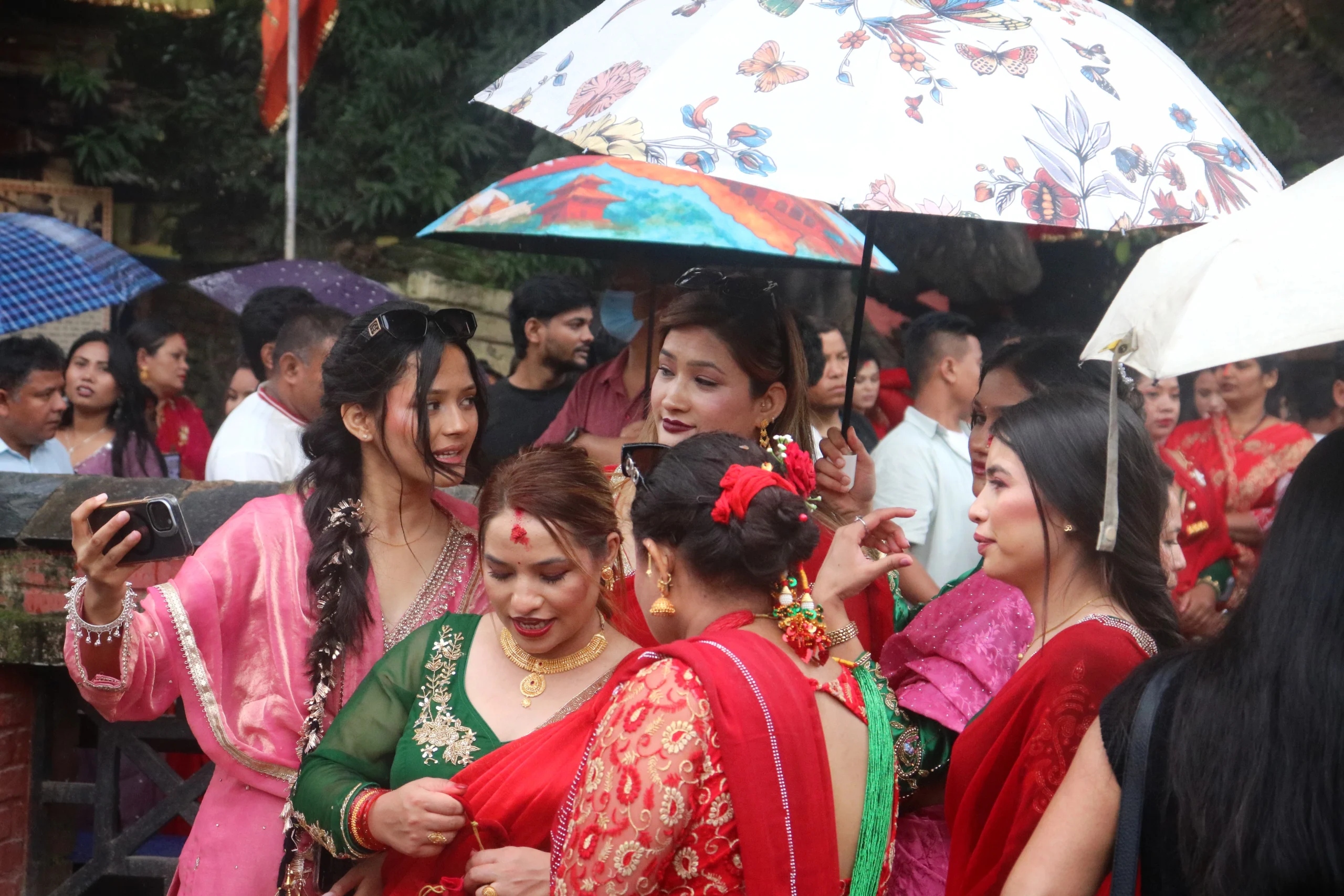
The festival is a beautiful combination of devotion, tradition, music, and social bonding. During Teej, women wear bright red sarees, decorate themselves with traditional jewelry, gather with family and friends, and participate in singing and dancing programs. The joyful atmosphere can be seen in homes, temples, and public places, where people come together to celebrate this meaningful occasion. Although Teej has religious importance, it has also become a symbol of cultural identity and togetherness in Nepal.
The Teej Festival in Nepal is mainly dedicated to Goddess Parvati and Lord Shiva, representing love, devotion, and the importance of relationships. Women observe prayers and fasting as part of the traditional belief of seeking happiness, prosperity, and well-being for their families. Likewise, unmarried women also participate in Teej with the hope of receiving blessings for a happy future.
Moreover, Teej is not only limited to religious activities; it is also a time when women share their emotions, experiences, and happiness with each other. Traditional folk songs performed during the festival often express stories of love, family, struggles, and everyday life. Therefore, the celebration provides a deeper understanding of Nepalese society and the values passed from one generation to another.
For travelers, experiencing Teej Festival in Nepal offers a wonderful chance to explore the cultural side of the country. While Nepal is internationally recognized for trekking, adventure, and mountain journeys, festivals like Teej allow visitors to discover the heart of Nepal through its people, traditions, and celebrations. With the right travel arrangements, visitors can enjoy this vibrant festival while exploring the historical and cultural destinations of Nepal with memorable experiences.
What is Teej Festival in Nepal?
The Teej Festival in Nepal is one of the most important Hindu festivals celebrated with great devotion and enthusiasm, especially by women across the country. The festival is dedicated to Goddess Parvati and Lord Shiva, representing love, dedication, and the strong bond between husband and wife. According to Hindu beliefs, Goddess Parvati observed a long and difficult devotion to win Lord Shiva as her husband. Therefore, women celebrate Teej by praying and following traditional rituals to seek blessings for happiness, prosperity, and family well-being.
The festival is celebrated according to the lunar calendar, usually during the month of Bhadra, which falls around August or September. During this time, the streets, homes, and temples of Nepal become filled with vibrant colors, traditional music, and joyful gatherings. Although Teej has religious roots, it has grown into a cultural celebration where women from different communities come together to share happiness and preserve their traditions.
One of the unique aspects of the Haritalika Teej Festival is the special fasting tradition followed by many women. Some women observe a strict fast without food and water, while others follow different fasting practices based on their personal beliefs and health conditions. Moreover, the festival encourages women to gather, communicate, and celebrate their relationships with family members and friends.
In Nepal, Teej is not only a religious event but also a reflection of the country’s rich cultural heritage. Traditional songs, dances, and gatherings make the celebration more lively and meaningful. Women often sing folk songs that describe their emotions, family relationships, and social experiences. These cultural performances help preserve Nepalese traditions and allow younger generations to learn about their heritage.
For visitors, witnessing the Teej Celebration in Kathmandu can be a memorable cultural experience. Famous temples become gathering places where travelers can observe traditional rituals, colorful clothing, and the spiritual atmosphere of Nepalese festivals. Experiencing Teej provides a deeper connection with local communities and allows travelers to discover a different side of Nepal beyond trekking and adventure activities.
When is Teej Celebrated in Nepal?
The Teej Festival in Nepal is celebrated according to the Hindu lunar calendar, so the exact date changes every year. Generally, the festival falls during the month of Bhadra, which usually occurs in August or September. This period marks the end of the monsoon season in Nepal, making it a beautiful time when nature becomes fresh and green, adding more charm to the festive atmosphere.
The celebration begins with Dar Khane Din, which is the first day of Teej. On this day, women gather with their family members, relatives, and friends to enjoy a special feast before starting their fasting rituals. Traditional foods are prepared, and women spend time singing, dancing, and sharing joyful moments together. Although the festival has religious importance, this gathering creates a strong feeling of community and togetherness.
The second day is the main celebration day, known as Teej or Haritalika Teej. On this day, many women observe fasting and visit temples dedicated to Lord Shiva and Goddess Parvati. Women dress in red traditional clothing, decorate themselves with jewelry, and participate in prayers and cultural activities. Temples, especially in Kathmandu Valley, become crowded with devotees who come to offer prayers and experience the spiritual energy of the festival.
The final day is celebrated as Rishi Panchami, which holds its own religious and cultural significance. Women participate in traditional purification rituals and prayers as part of completing the Teej celebration. Together, these three days represent devotion, tradition, and the importance of maintaining cultural values.
For travelers planning a cultural tour in Nepal, visiting during Teej offers an excellent opportunity to experience local traditions, observe colorful celebrations, and interact with Nepalese communities. Although the festival dates change every year, the energy and cultural beauty of Teej remain a memorable part of Nepal’s festival calendar.
How Do People Celebrate Teej Festival in Nepal?
The Teej Festival in Nepal is celebrated with great excitement, devotion, and happiness throughout the country. The festival brings women, families, and communities together through religious rituals, traditional music, and cultural activities. Although the main purpose of Teej is spiritual devotion, the celebration has also become an important part of Nepalese culture, where people express their emotions, strengthen relationships, and preserve traditional practices.
Dar Khane Din – The Beginning of Teej Celebration
The first day of Teej is known as Dar Khane Din, which is considered one of the most enjoyable parts of the festival. On this day, women gather at their homes or with friends and relatives for a special feast before beginning their fasting rituals. Traditional dishes and delicious foods are prepared, and women spend the evening singing folk songs, dancing, and sharing happiness with each other.
This gathering is not only about food but also about creating strong social connections. Women who may be busy with their daily responsibilities get a chance to relax, meet their loved ones, and celebrate together. The joyful environment created during Dar Khane Din shows the importance of family and community in Nepalese culture.
Main Teej Day – Fasting and Worship
The second day is the main day of the Haritalika Teej Festival, where women observe fasting and participate in religious activities. Many women wear red sarees, bangles, and traditional ornaments because red is considered a symbol of love, happiness, and prosperity in Nepalese culture. They visit Shiva temples, offer prayers, and perform rituals dedicated to Lord Shiva and Goddess Parvati.
One of the most famous places to experience this celebration is Pashupatinath Temple, where thousands of devotees gather during Teej. The temple area becomes filled with traditional songs, prayers, and colorful celebrations. Although the crowd can be large, the spiritual atmosphere and cultural beauty make it a special experience for both locals and visitors.
Rishi Panchami – Completing the Festival
The third day of Teej is known as Rishi Panchami, which marks the completion of the festival. Women take part in traditional purification rituals and offer prayers according to cultural beliefs. This day holds religious importance and represents respect for ancient traditions.
Overall, the Teej Celebration in Nepal is a perfect example of how festivals connect people with their history, beliefs, and community values. From traditional songs and dances to temple visits and family gatherings, every part of Teej reflects the rich cultural identity of Nepal.
Traditional Dress, Music, and Dance During Teej
One of the most attractive parts of the Teej Festival in Nepal is the colorful display of traditional clothing, music, and dance. During this festival, women beautifully decorate themselves in traditional outfits and participate in cultural programs that create a lively and memorable atmosphere. The bright colors, joyful songs, and traditional performances reflect the beauty of Nepalese culture and make Teej one of the most visually appealing festivals in Nepal.
Red is the most significant color during Teej celebrations. Many women wear red sarees, red tika, bangles, and other traditional ornaments because the color represents love, happiness, devotion, and prosperity. Along with red clothing, women also wear beautiful jewelry such as necklaces, earrings, and bracelets that add more charm to their traditional appearance. Although modern styles have influenced fashion, many women continue to follow traditional dress practices to maintain the cultural importance of the festival.
Music and dance are also essential parts of the Haritalika Teej Festival. Women gather in groups and sing traditional Teej songs that share stories about relationships, family, emotions, and everyday experiences. These folk songs are often passed from one generation to another, helping to preserve Nepal’s cultural heritage. Moreover, dancing together creates a joyful environment where women celebrate their happiness and strengthen their connection with each other.
During Teej, cultural programs are organized in different places, including local communities, schools, and public areas. These events often include traditional dances, folk performances, and social gatherings. In cities like Kathmandu and Pokhara, visitors can observe modern and traditional celebrations happening together, showing how Nepalese culture continues to grow while respecting its roots.
For travelers, experiencing the Teej Celebration in Kathmandu provides a wonderful opportunity to see Nepal’s traditions closely. The combination of colorful dresses, meaningful songs, and energetic dances allows visitors to understand the cultural richness of Nepal beyond its famous trekking destinations. With a respectful approach, travelers can enjoy the festival atmosphere and create unforgettable memories during their Nepal journey.
Best Places to Experience Teej Festival in Nepal
The Teej Festival in Nepal is celebrated throughout the country, but some places offer a more vibrant and memorable experience because of their cultural importance and large gatherings. From ancient temples in Kathmandu Valley to local communities in different regions, travelers can witness the beautiful combination of religious devotion, traditional performances, and Nepalese hospitality.
Kathmandu Valley – The Heart of Teej Celebration
Kathmandu Valley is one of the best places to experience the Teej Celebration in Kathmandu because of its historical temples and cultural importance. During the festival, thousands of women gather at sacred places to offer prayers and participate in traditional rituals. The atmosphere around temples becomes colorful with women wearing red sarees, singing folk songs, and celebrating together.
The famous Pashupatinath Temple is considered one of the main attractions during Teej. Devotees from different parts of Nepal visit this holy temple to worship Lord Shiva and Goddess Parvati. Likewise, other heritage areas in Kathmandu Valley, such as Patan Durbar Square and Bhaktapur Durbar Square, provide opportunities to observe Nepal’s traditional lifestyle and cultural environment.
Pokhara – A Peaceful Cultural Experience
Pokhara is another wonderful destination where visitors can experience the beauty of Teej celebrations in a peaceful environment. Although it is mainly known for lakes, mountains, and adventure activities, the city also celebrates Nepalese festivals with great enthusiasm. Local communities organize cultural programs where visitors can enjoy traditional music, dances, and gatherings.
Experiencing Teej Festival in Nepal in Pokhara allows travelers to combine cultural exploration with natural sightseeing. Visitors can explore beautiful places like Phewa Lake, enjoy mountain views, and also participate in the festive atmosphere during their stay.
Rural Nepal – Discover Traditional Teej Celebrations
For travelers looking for an authentic cultural experience, rural areas of Nepal offer a closer look at traditional Teej celebrations. In villages, the festival is often celebrated with strong community involvement, where women gather in local courtyards, sing traditional songs, and perform dances together.
Although village celebrations may be simpler compared to city events, they provide a genuine experience of Nepalese culture and local lifestyles. The warm hospitality of village communities makes the festival experience even more special for visitors who want to explore Nepal beyond popular tourist destinations.
Whether celebrated in the busy streets of Kathmandu, the peaceful environment of Pokhara, or traditional villages, Teej reflects the cultural beauty and unity of Nepal. It is a festival that allows travelers to connect with local people and understand the traditions that make Nepal a unique destination.
Why Should Travelers Experience Teej Festival in Nepal?
Nepal is widely known for its Himalayan adventures, trekking trails, and natural landscapes, but the country’s festivals provide an equally fascinating experience for visitors. Experiencing the Teej Festival in Nepal allows travelers to explore the cultural side of Nepal and understand the traditions, beliefs, and lifestyles that have been preserved for generations.
One of the main reasons to experience Teej is the opportunity to witness authentic Nepalese culture. During the festival, visitors can see women dressed in traditional red clothing, participate in cultural gatherings, and observe religious activities at historic temples. Although the festival has religious significance, the happiness, music, and community spirit make it an enjoyable experience for people from different backgrounds.
The Teej Celebration in Kathmandu offers a unique chance to explore Nepal’s ancient heritage and local lifestyle at the same time. Travelers visiting temples such as Pashupatinath can observe thousands of devotees gathering for prayers and rituals. Moreover, the colorful environment created by traditional songs, dances, and decorations provides excellent opportunities for cultural photography and memorable experiences.
Another important reason to experience Teej is that it helps travelers discover Nepal beyond adventure activities. While trekking, rafting, and mountain tours show the natural beauty of Nepal, festivals like Teej reveal the emotional and cultural connection of Nepalese people with their traditions. Visitors can interact with local communities, learn about traditional practices, and create a deeper connection with the destination.
For those planning a cultural tour in Nepal, Teej can be a meaningful addition to their journey. The festival allows travelers to experience the warmth of Nepalese hospitality, understand local customs, and enjoy a celebration filled with colors, devotion, and happiness. With proper planning and respect for local traditions, witnessing Teej can become one of the most memorable highlights of a Nepal visit.
Why Choose Silver Moon Adventure and Tour for Your Nepal Cultural Experience?
Exploring Nepal’s festivals and traditions requires more than just visiting popular destinations; it requires a deeper understanding of local culture, customs, and communities. Silver Moon Adventure and Tour helps travelers experience Nepal in a meaningful way by connecting them with authentic cultural experiences, historical places, and local lifestyles.
Our experienced team understands the importance of cultural exploration and creates travel experiences that allow visitors to enjoy Nepal’s traditions while maintaining comfort and convenience. Whether you want to witness the colorful Teej Festival in Nepal, explore ancient heritage sites, or combine cultural experiences with adventure activities, we provide well-planned journeys according to your interests.
We focus on creating memorable travel experiences by arranging reliable transportation, knowledgeable local guidance, and flexible itineraries. Moreover, our team ensures that travelers can enjoy festivals respectfully while understanding the cultural values behind each celebration. From temple visits to local interactions, every experience is designed to help visitors discover the real beauty of Nepal.
Choosing the right travel partner allows you to explore Nepal beyond the usual attractions. With local knowledge and a passion for showcasing Nepal’s heritage, Silver Moon Adventure and Tour helps you experience the traditions, festivals, and hidden cultural treasures that make Nepal a truly unique destination.
Tips for Travelers During Teej Festival in Nepal
Experiencing the Teej Festival in Nepal can be a wonderful cultural journey, but visitors should be aware of local customs and traditions to enjoy the celebration respectfully. Since Teej is a deeply meaningful festival for Nepalese communities, understanding basic cultural practices helps travelers create positive interactions and memorable experiences.
Respect Local Traditions and Customs
During Teej, many women participate in religious activities, prayers, and fasting rituals. Visitors should respect these practices and avoid interrupting ceremonies or religious gatherings. Although the festival atmosphere is colorful and exciting, it is important to remember that Teej is not only a celebration but also a spiritual occasion for many people.
Ask Permission Before Taking Photographs
The bright clothing, traditional jewelry, and cultural performances during Teej create many attractive photography opportunities. However, travelers should always ask for permission before taking close photographs of people, especially during religious rituals. This small gesture shows respect toward local communities and their personal traditions.
Dress Appropriately While Visiting Temples
If you plan to visit temples during the Teej Celebration in Kathmandu, wearing respectful clothing is recommended. Temples are important religious places, and visitors should follow local guidelines while entering sacred areas. Comfortable and modest clothing allows travelers to enjoy cultural sites while respecting Nepalese values.
Plan Transportation in Advance
Popular temples and cultural areas can become very crowded during Teej, especially in Kathmandu Valley. Therefore, travelers should plan transportation early and allow extra time for travel. Roads near major temples may experience heavy traffic because thousands of devotees gather for prayers and celebrations.
Stay Hydrated and Carry Essentials
The festival usually takes place during August or September, when Nepal may still experience warm and humid weather. Carrying drinking water, comfortable footwear, and personal essentials can make your cultural exploration more enjoyable. Additionally, keeping a flexible schedule helps you experience the festival without unnecessary stress.
By following these simple tips, travelers can enjoy the beauty of the Haritalika Teej Festival while showing appreciation for Nepalese traditions. A respectful approach not only improves the travel experience but also helps create meaningful connections with local people and communities.
Conclusion: Teej Festival in Nepal – A Celebration of Culture and Togetherness
The Teej Festival in Nepal is much more than a religious celebration; it is a beautiful reflection of Nepal’s traditions, emotions, and community values. The festival brings people together through prayers, music, dance, and cultural activities, creating a joyful environment filled with colors and happiness. From women wearing traditional red attire to gatherings at ancient temples, every part of Teej represents the strong connection between Nepalese people and their heritage.
Although Nepal is internationally famous for trekking, mountains, and adventure experiences, festivals like Teej allow travelers to discover another beautiful side of the country. The celebration provides a chance to understand local lifestyles, witness traditional customs, and interact with communities in a meaningful way. Moreover, experiencing Teej helps visitors appreciate the cultural diversity that makes Nepal a unique destination.
For travelers looking for an authentic cultural experience, visiting Nepal during the Haritalika Teej Festival can be a memorable journey. The combination of devotion, traditional performances, and warm Nepalese hospitality creates moments that remain unforgettable for years. With proper planning and respect for local traditions, visitors can enjoy the festival while exploring the rich cultural heritage of Nepal.
Whether you are interested in heritage tours, cultural experiences, or discovering Nepal beyond the usual attractions, Teej offers a wonderful opportunity to connect with the heart of Nepal. Through carefully planned journeys, Silver Moon Adventure and Tour helps travelers explore Nepal’s festivals, traditions, and hidden cultural treasures while creating meaningful travel memories.
FAQs
1. What is Teej Festival in Nepal?
The Teej Festival in Nepal is a popular Hindu festival mainly celebrated by women in honor of Goddess Parvati and Lord Shiva. It is a celebration of devotion, family happiness, prosperity, and traditional values. The festival includes fasting, prayers, traditional songs, dances, and gatherings with family and friends.
2. When is Teej celebrated in Nepal?
Teej is celebrated according to the Hindu lunar calendar, so the date changes every year. Generally, the festival falls during August or September, which is the month of Bhadra in the Nepali calendar.
3. Why do women celebrate Teej Festival?
Women celebrate Teej to pray for family happiness, prosperity, and well-being. According to Hindu beliefs, the festival is connected with Goddess Parvati’s devotion to Lord Shiva. Many married women participate to pray for a happy married life, while unmarried women join to seek blessings for their future.
4. Can tourists participate in Teej celebrations in Nepal?
Yes, tourists can experience Teej celebrations in Nepal. Visitors can observe cultural programs, temple activities, traditional music, and dances. However, travelers should respect local customs and avoid disturbing religious rituals.
5. Where is the best place to experience Teej in Nepal?
Kathmandu Valley is one of the best places to experience the Teej Celebration in Kathmandu because of its historic temples and large gatherings. Places like Pashupatinath Temple, Patan, and Bhaktapur offer a wonderful opportunity to observe Nepalese traditions.
6. What clothes do women wear during Teej?
Women usually wear red sarees, traditional jewelry, bangles, and ornaments during Teej. Red is considered an important color during the festival as it represents love, happiness, and prosperity.
7. Is Teej only celebrated by married women?
No, Teej is celebrated by both married and unmarried women. While married women often pray for family happiness and their husband’s well-being, unmarried women participate with hopes of receiving blessings for a good future.
8. What foods are eaten during Teej Festival?
Before fasting begins, women enjoy a special feast called Dar Khane Din. Traditional foods may include sweets, rice-based dishes, fruits, and other local delicacies. The exact food items may vary depending on family traditions and regions.
9. Are temples crowded during Teej Festival?
Yes, major temples become very crowded during Teej, especially in Kathmandu Valley. Thousands of devotees visit sacred places to offer prayers, so travelers should plan their visits accordingly.
10. Can Teej be included in a Nepal cultural tour?
Yes, Teej can be included as part of a cultural tour in Nepal. Travelers can combine festival experiences with heritage sightseeing, local activities, and other Nepal adventures for a complete cultural journey.
11. How long does Teej Festival last?
The main Teej celebration lasts for three days: Dar Khane Din, the main fasting day, and Rishi Panchami. Each day has its own cultural and religious importance.
12. What makes Teej different from other festivals in Nepal?
Teej is unique because it focuses on women’s participation, devotion, traditional songs, and community bonding. The colorful celebrations and emotional connection between people make it one of Nepal’s most special festivals.
13. Is photography allowed during Teej celebrations?
Photography is generally allowed in many public areas, but travelers should always ask permission before photographing individuals or religious rituals. Respecting privacy helps maintain a positive cultural experience.
14. What should travelers know before visiting Nepal during Teej?
Travelers should be prepared for large crowds, especially near temples and cultural areas. Wearing respectful clothing, following local guidelines, and planning transportation early can make the experience more enjoyable.
15. Why should visitors experience Teej Festival in Nepal?
Experiencing Teej allows visitors to understand Nepalese traditions, meet local communities, and witness a celebration filled with culture, devotion, and happiness. It provides a different perspective of Nepal beyond mountains and adventure activities.
Conclusion: Teej Festival in Nepal – A Celebration of Culture and Togetherness
The Teej Festival in Nepal is much more than a religious celebration; it is a beautiful reflection of Nepal’s traditions, emotions, and community values. The festival brings people together through prayers, music, dance, and cultural activities, creating a joyful environment filled with colors and happiness. From women wearing traditional red attire to gatherings at ancient temples, every part of Teej represents the strong connection between Nepalese people and their heritage.
Although Nepal is internationally famous for trekking, mountains, and adventure experiences, festivals like Teej allow travelers to discover another beautiful side of the country. The celebration provides a chance to understand local lifestyles, witness traditional customs, and interact with communities in a meaningful way. Moreover, experiencing Teej helps visitors appreciate the cultural diversity that makes Nepal a unique destination.
For travelers looking for an authentic cultural experience, visiting Nepal during the Haritalika Teej Festival can be a memorable journey. The combination of devotion, traditional performances, and warm Nepalese hospitality creates moments that remain unforgettable for years. With proper planning and respect for local traditions, visitors can enjoy the festival while exploring the rich cultural heritage of Nepal.
Whether you are interested in heritage tours, cultural experiences, or discovering Nepal beyond the usual attractions, Teej offers a wonderful opportunity to connect with the heart of Nepal. Through carefully planned journeys, Silver Moon Adventure and Tour helps travelers explore Nepal’s festivals, traditions, and hidden cultural treasures while creating meaningful travel memories.

Similar Blogs
View all
13/10/2026
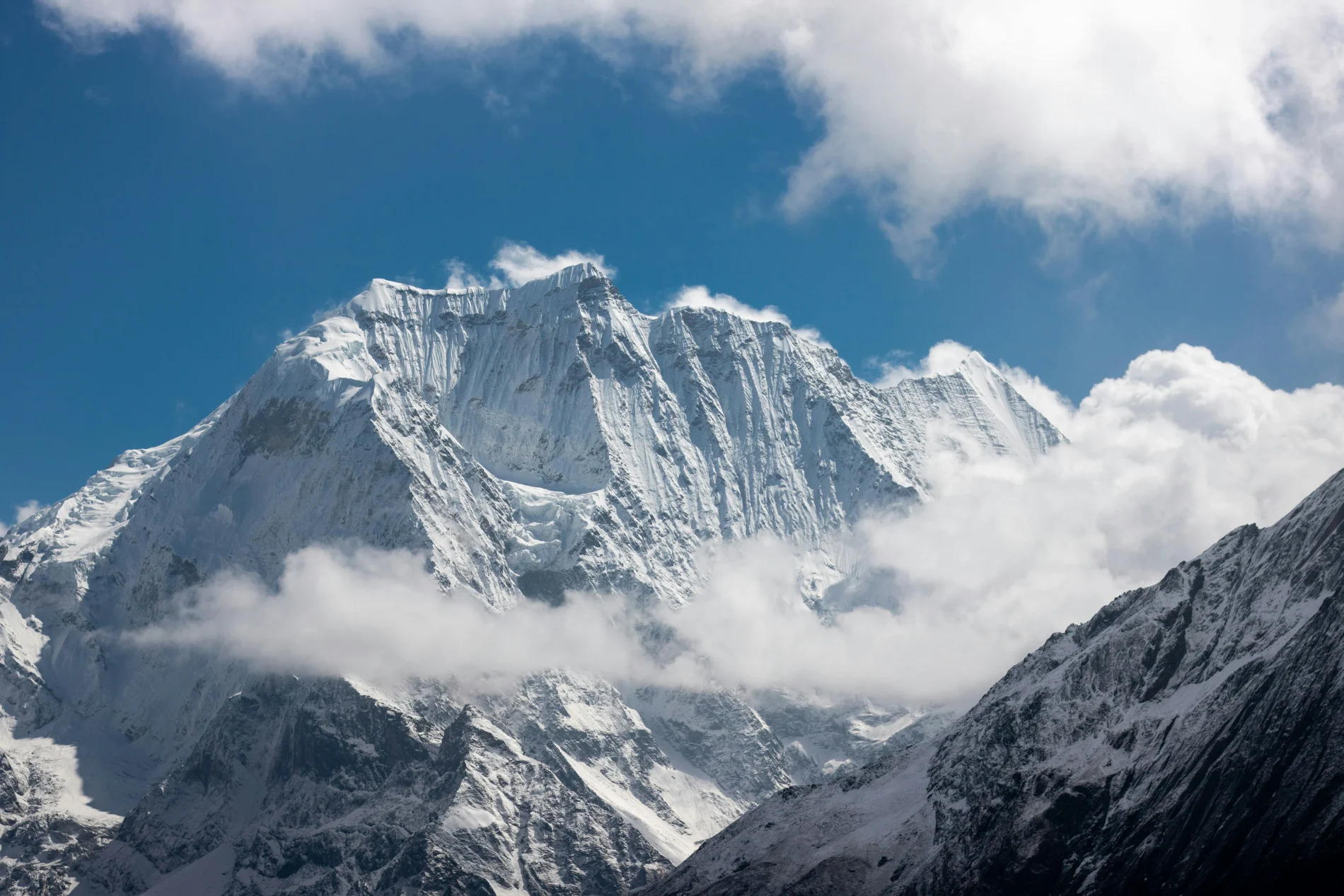
Manaslu Circuit Trek After the October 2026 Floods: Trail Conditions, Safety and Travel Updates
The Manaslu Circuit Trek is one of Nepal’s most rewarding Himalayan journeys, taking trekkers through traditional...
Read more
13/10/2026
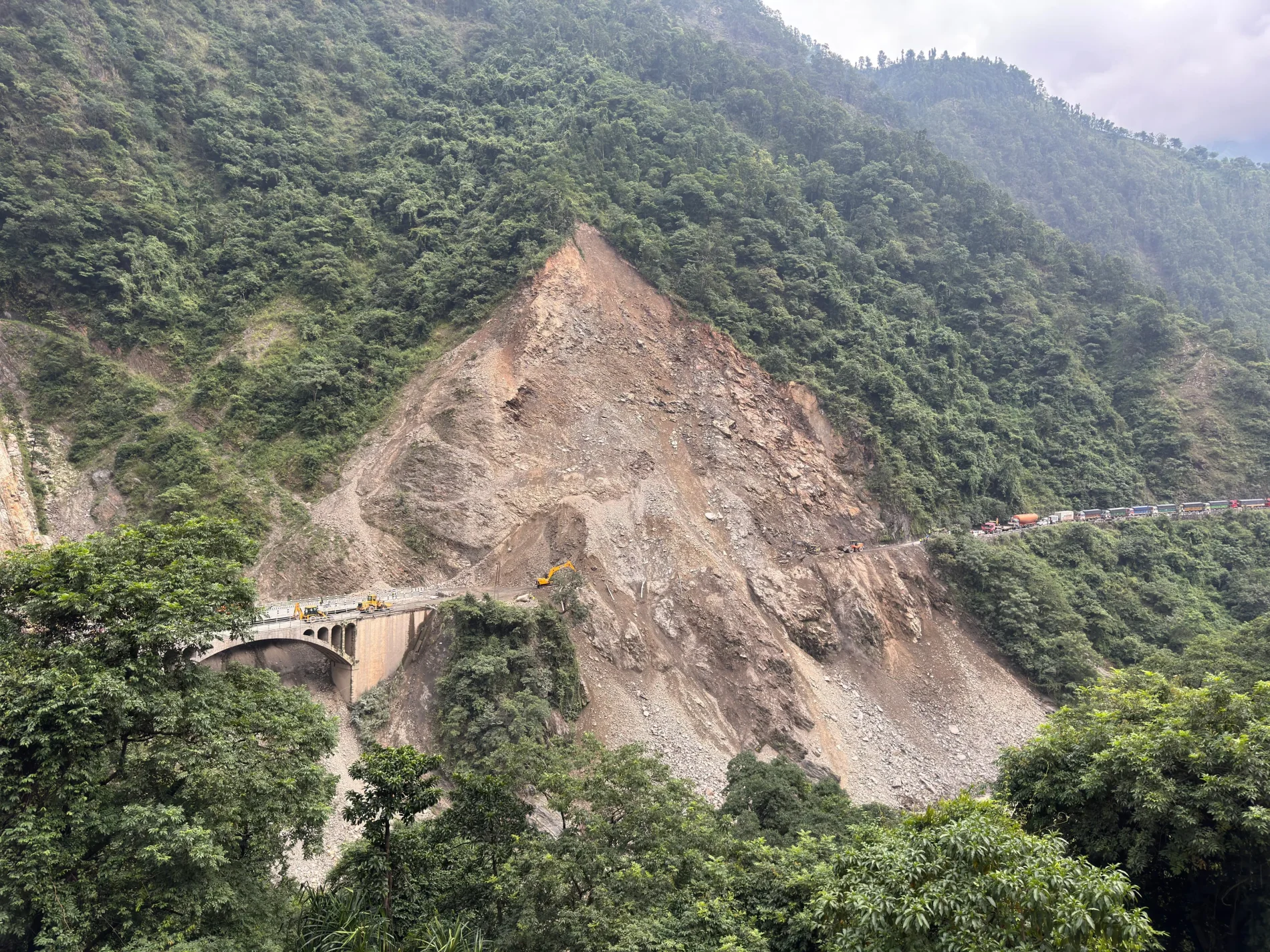
Your Nepal Trek Is Booked, but the Trail Is Closed: What Now?
Imagine arriving in Nepal with your trekking boots ready, your flights booked, your bags packed, and...
Read more