

The Role of Porters in Trekking in Nepal: The Unsung Heroes of the Himalayas
Share:

 Read Time
This blog has 3630 words .This blog has 25745 characters.This blog take 12 minutes to read.
Nepal is one of the world’s most famous trekking destinations, attracting thousands of adventure lovers every year who dream of exploring the majestic Himalayas. From the legendary Everest Base Camp Trek to the beautiful Annapurna Base Camp Trek, Manaslu Circuit Trek, and Langtang Valley Trek, Nepal offers unforgettable journeys through remote mountain landscapes, traditional villages, and breathtaking Himalayan scenery. However, behind every successful trekking adventure, there are hardworking individuals who make these journeys possible — the trekking porters in Nepal.
The role of porters in trekking in Nepal is incredibly important because they provide essential support throughout the Himalayan journey. They carry trekking bags, equipment, food supplies, and other necessary materials through challenging mountain trails, allowing trekkers to focus on enjoying the beauty of the Himalayas. Although they often work quietly behind the scenes, porters are considered the true backbone of Nepal’s trekking industry.
For many trekkers, reaching destinations like Everest Base Camp, Annapurna Base Camp, or high mountain passes becomes possible because of the dedication and strength of local porters. Walking for long hours through steep trails, changing weather conditions, and high-altitude environments requires incredible physical endurance and determination.
Moreover, Nepal trekking porters represent the connection between tourism and local Himalayan communities. Many porters come from remote mountain villages, and their work provides valuable income for their families while supporting the local economy. Therefore, choosing responsible trekking practices that ensure fair treatment and proper care for porters is an important part of sustainable tourism.
At Silver Moon Adventure and Tour, we believe that every person involved in a trekking journey deserves respect and appreciation. Our commitment to responsible trekking includes supporting ethical practices, valuing the contribution of porters, and creating safe and meaningful experiences for both travelers and local communities.
In this blog, we will explore the importance of porters in Nepal trekking, their daily challenges, their contribution to Himalayan adventures, and why they truly deserve recognition as the unsung heroes of Nepal’s mountains.
Who Are Porters in Nepal Trekking?
Porters in Nepal trekking are local mountain workers who help carry essential supplies, trekking equipment, and travelers’ luggage along Himalayan trails. They are an important part of Nepal’s trekking industry because many remote trekking routes do not have road access, making their support necessary for smooth and successful journeys.
Unlike ordinary carriers, Himalayan porters have strong knowledge of mountain environments, challenging landscapes, and high-altitude conditions. They walk through steep trails, forests, rocky paths, and remote villages while carrying heavy loads to support trekking groups. Their experience and physical strength help trekkers complete some of Nepal’s most famous adventures, including the Everest Base Camp Trek, Annapurna Base Camp Trek, and Manaslu Circuit Trek.
A porter’s main responsibility is to carry luggage and essential materials; however, their role goes far beyond simply transporting bags. They often help trekking groups by managing equipment, supporting local logistics, and sharing valuable knowledge about the trail and surrounding communities. Because they are familiar with the Himalayan environment, they can adapt to changing weather conditions and difficult terrain more effectively.
It is also important to understand the difference between a porter and a trekking guide. A guide is responsible for leading the trek, managing safety, explaining local culture, and making important decisions during the journey. Meanwhile, a porter mainly focuses on carrying loads and providing physical support. Both roles are equally valuable, and together they create a safe and enjoyable trekking experience.
Most Nepal trekking porters come from mountain regions where trekking tourism provides important employment opportunities. Their work allows them to support their families while preserving the connection between international travelers and local Himalayan communities.
Therefore, porters are not just people who carry bags; they are essential partners who help transform a challenging Himalayan adventure into a comfortable and unforgettable experience. Recognizing the role of porters in trekking in Nepal means appreciating the dedication, strength, and contribution they bring to every journey in the mountains.

Porters: The Future Guides of Nepal’s Trekking Industry
Many experienced trekking porters in Nepal gradually develop their skills and knowledge through years of working on Himalayan trails. Although they begin their careers by carrying luggage and supporting trekking groups, many porters later become professional trekking guides after gaining experience, completing training, and improving their communication and leadership skills.
Because porters spend years walking through popular trekking routes such as Everest Base Camp, Annapurna Base Camp, and Manaslu Circuit, they develop deep knowledge of local trails, weather conditions, mountain safety, and cultural traditions. This practical experience becomes a strong foundation for their future careers as trekking guides.
Moreover, becoming a guide provides better career opportunities and allows former porters to share their knowledge directly with international travelers. Many successful trekking guides in Nepal started their journey as porters, proving that porter work is not only a profession but also an important pathway within Nepal’s adventure tourism industry.
At Silver Moon Adventure and Tour, we believe in recognizing and supporting the growth of local mountain professionals. By valuing porters, providing fair opportunities, and encouraging skill development, the trekking industry can continue creating skilled guides who represent Nepal’s mountains with knowledge, experience, and pride.
The Role of Porters in Trekking in Nepal
The role of porters in trekking in Nepal goes far beyond carrying heavy bags. They are an essential part of every Himalayan journey because they provide valuable support that helps trekkers complete challenging routes safely and comfortably. Whether it is a short trek or a high-altitude adventure, Nepal trekking porters play a crucial role in making the entire experience smoother.
Carrying Essential Trekking Equipment and Supplies
One of the primary responsibilities of porters is carrying important trekking materials throughout the journey. They transport trekkers’ luggage, food supplies, camping equipment, and other necessary items across difficult mountain trails where transportation facilities are limited.
During popular adventures like the Everest Base Camp Trek and Annapurna Base Camp Trek, porters help reduce the physical burden on trekkers by carrying heavy loads, allowing travelers to walk comfortably and enjoy the surrounding Himalayan landscapes.
Supporting Trekkers at High Altitude
High-altitude trekking in Nepal can be physically demanding because of steep climbs, changing weather, and reduced oxygen levels. In such conditions, the support of experienced Himalayan porters becomes extremely valuable.
Since porters are familiar with mountain environments, they understand the challenges of trekking at higher elevations. Their experience helps trekking groups manage equipment, maintain a comfortable pace, and adjust to the conditions of remote mountain areas.
Helping Trekking Groups in Remote Areas
Many trekking routes in Nepal pass through isolated villages and rugged landscapes where modern facilities are limited. Porters help ensure that necessary supplies reach these remote areas, making long Himalayan journeys possible.
Their knowledge of local trails, villages, and mountain conditions also provides additional support during the trek. Although their main duty is carrying loads, their presence often becomes an important source of assistance and encouragement for trekkers.
Connecting Travelers with Local Communities
Beyond physical support, Nepal trekking porters also create a connection between visitors and local Himalayan communities. Many porters come from mountain villages, and through their stories, traditions, and experiences, trekkers gain a deeper understanding of Nepal’s culture and way of life.
Their contribution also supports local economies because trekking provides employment opportunities for people living in remote regions.
At Silver Moon Adventure and Tour, we believe that porters are not just support staff; they are valuable members of every trekking team. Their strength, dedication, and knowledge help transform a difficult mountain journey into a safe, meaningful, and unforgettable Himalayan experience.
Life of Himalayan Porters: Challenges Behind Every Trek
The life of Himalayan porters in Nepal is filled with dedication, strength, and determination. While trekkers enjoy the breathtaking views of mountains, forests, and villages, porters work continuously behind the scenes to ensure that every journey runs smoothly. Their contribution to Nepal’s trekking industry is enormous; however, their work also comes with many physical and environmental challenges.
One of the biggest challenges faced by Nepal trekking porters is carrying heavy loads through difficult mountain terrain. They walk for many hours each day while carrying luggage, supplies, and trekking equipment on steep trails, rocky paths, and high-altitude routes. Although the work requires incredible physical strength, many porters continue their profession because trekking provides important income for their families.
Working in Challenging Mountain Conditions
Porters often work in changing Himalayan weather conditions, including cold temperatures, strong winds, rain, and snowfall. During popular treks like the Everest Base Camp Trek and Manaslu Circuit Trek, they must continue walking through challenging environments while ensuring that essential supplies reach the destination.
Furthermore, high-altitude areas create additional difficulties because the air becomes thinner and physical effort becomes more demanding. Therefore, proper preparation, suitable clothing, and responsible trekking practices are extremely important for porter safety.
Long Walking Hours and Physical Demands
A typical trekking day for a porter can involve many hours of walking while carrying heavy loads. Unlike regular hiking, their responsibility continues regardless of weather conditions or trail difficulty. Their endurance allows trekking groups to explore some of Nepal’s most remote and beautiful destinations.
Despite these challenges, many porters take pride in their work because they play an important role in introducing visitors to the Himalayas and supporting Nepal’s tourism industry.
A Journey Toward Better Opportunities
Many experienced porters gradually develop valuable skills through years of working on mountain trails. They gain knowledge about routes, local cultures, weather patterns, and trekking safety. As a result, many porters continue their professional growth and become trekking guides in the future.
At Silver Moon Adventure and Tour, we believe that respecting and supporting porters is an essential part of responsible trekking. These hardworking individuals are not only carrying equipment; they are carrying the dreams of thousands of travelers who come to experience the beauty of Nepal’s Himalayas.
Why Porters Are the Backbone of Nepal’s Trekking Industry
The importance of porters in Nepal trekking cannot be underestimated because they are one of the main reasons why Himalayan adventures are possible. From carrying essential supplies to supporting trekkers on challenging trails, Nepal trekking porters contribute significantly to the success of every journey. Although they often work away from the spotlight, their dedication and effort make them true partners in mountain exploration.
Nepal’s trekking industry depends greatly on porters, especially in remote regions where roads and transportation facilities are limited. Popular routes such as the Everest Base Camp Trek, Annapurna Base Camp Trek, and Manaslu Circuit Trek pass through areas where local support is essential. Porters help transport food, equipment, and personal belongings, ensuring that trekking groups can continue their journey smoothly.
Moreover, porters play an important role in making Himalayan trekking accessible to travelers from around the world. Carrying heavy loads through steep landscapes and high-altitude trails requires incredible strength, patience, and experience. Without their support, many trekkers would find long-distance mountain journeys much more physically demanding.
Beyond their physical contribution, Himalayan porters also represent the connection between tourism and local communities. Many porters come from mountain villages, and their work creates employment opportunities while supporting the livelihoods of their families. In this way, trekking tourism provides economic benefits directly to remote Himalayan regions.
Another important aspect is their knowledge of local environments. Many experienced porters understand mountain trails, weather changes, and local traditions because they have spent years working in the Himalayas. This knowledge helps create safer and more meaningful trekking experiences for visitors.
Furthermore, many successful trekking guides in Nepal started their careers as porters. Through experience, training, and dedication, they develop the skills needed to lead trekking groups in the future. Therefore, supporting porters also means supporting the growth of skilled mountain professionals.
At Silver Moon Adventure and Tour, we recognize that porters are not simply people who carry luggage; they are the foundation of Nepal’s trekking industry. Their hard work, courage, and commitment help thousands of travelers achieve their Himalayan dreams while strengthening the connection between global adventure tourism and local communities.
Porter Welfare and Responsible Trekking in Nepal
As the popularity of trekking in Nepal continues to grow, responsible trekking practices have become increasingly important. The well-being of Nepal trekking porters should always be a priority because they are an essential part of every Himalayan adventure. A successful trek is not only about reaching the destination; it is also about respecting and supporting the people who make the journey possible.
Porter welfare focuses on providing fair treatment, proper working conditions, and necessary support for those who work in challenging mountain environments. Since porters often carry heavy loads through high-altitude landscapes, ensuring their safety and comfort is a responsibility shared by trekking companies and travelers.
Fair Wages and Proper Compensation
Providing fair wages is one of the most important aspects of supporting trekking porters in Nepal. Their work requires physical strength, long walking hours, and commitment, so they deserve proper payment that reflects their effort and contribution to the trekking industry.
Proper Equipment and Clothing
Mountain weather can change quickly, especially during high-altitude treks like Everest Base Camp Trek and Manaslu Circuit Trek. Therefore, porters should have access to suitable clothing, warm jackets, trekking shoes, and other necessary equipment to protect themselves from harsh conditions.
Insurance and Safety Support
Responsible trekking companies should prioritize porter safety by providing proper insurance coverage and emergency support. Since porters work in remote and sometimes risky environments, having safety measures in place helps protect them during unforeseen situations.
Respect and Recognition
Beyond financial support, porters deserve respect and appreciation for their dedication. They are not simply workers carrying luggage; they are important members of the trekking team who contribute to creating memorable Himalayan experiences.
At Silver Moon Adventure and Tour, we believe that ethical trekking means caring for everyone involved in the journey, including guides, porters, local communities, and travelers. By following responsible trekking practices, we can help create a more sustainable future for Nepal’s adventure tourism industry while honoring the hardworking Himalayan porters who make every trek possible.
How Trekkers Can Support Nepal Trekking Porters
Supporting Nepal trekking porters is an important part of responsible travel. While porters play a major role in making Himalayan adventures possible, trekkers can also contribute to improving their working experience through simple and thoughtful actions. Respect, understanding, and ethical choices can make a meaningful difference in the lives of these hardworking mountain professionals.
Choose a Responsible Trekking Company
One of the best ways to support trekking porters in Nepal is by choosing a company that follows ethical trekking practices. A responsible trekking agency ensures fair wages, proper equipment, safe working conditions, and respectful treatment for porters.
Respect Their Work and Contribution
Porters are not just people who carry bags; they are important members of the trekking team. Showing appreciation, communicating respectfully, and recognizing their efforts creates a positive trekking environment.
Provide Fair Tips
Although tipping is not mandatory, it is a common way to show gratitude for a porter’s hard work. A fair tip can provide valuable support to porters and their families, especially because trekking is an important source of income for many mountain communities.
Pack Responsibly
Trekkers should avoid carrying unnecessary items that increase the weight of porter loads. Packing only essential equipment helps reduce physical pressure and makes the journey safer and more comfortable for everyone.
Support Local Communities
Many porters come from remote Himalayan villages. Choosing local services, staying in local teahouses, and respecting local culture helps spread the benefits of tourism beyond major cities and supports mountain communities.
At Silver Moon Adventure and Tour, we believe that every successful Himalayan journey is a shared effort between travelers, guides, porters, and local communities. By supporting porters with respect and responsible choices, trekkers can help create a more ethical and sustainable future for Nepal trekking.
Why Choose Silver Moon Adventure and Tour for Responsible Trekking in Nepal?
Choosing the right trekking company plays an important role in creating a safe, comfortable, and meaningful Himalayan experience. At Silver Moon Adventure and Tour, we believe that trekking is not only about reaching beautiful destinations but also about respecting the people and communities that make every journey possible. Therefore, we focus on responsible trekking practices that value the contribution of guides, porters, and local communities.
With an experienced local team, we provide well-planned trekking experiences across Nepal’s famous destinations, including the Everest Base Camp Trek, Annapurna Base Camp Trek, and other Himalayan adventures. Our professional guides have deep knowledge of mountain trails, local cultures, and trekking conditions, while our commitment to porter welfare ensures that every member of the trekking team is treated with respect and care.
Moreover, we believe that authentic trekking goes beyond mountains and landscapes. By working with local professionals and supporting Himalayan communities, we help travelers experience the true spirit of Nepal. From traditional villages to cultural interactions, every journey becomes an opportunity to connect with the people and stories behind the Himalayas.
At Silver Moon Adventure and Tour, our goal is to create safe, responsible, and unforgettable trekking experiences where travelers can explore Nepal’s natural beauty while contributing positively to the local communities that make these adventures possible.
Conclusion: Porters Are the Heart of Nepal’s Trekking Industry
The role of porters in trekking in Nepal is truly invaluable because they make some of the world’s most challenging Himalayan journeys possible. Although they often work quietly behind the scenes, their strength, dedication, and support help thousands of trekkers achieve their dreams of exploring Nepal’s mountains.
From carrying essential equipment on remote trails to supporting trekkers at high altitudes, Nepal trekking porters are much more than luggage carriers. They are experienced mountain professionals who understand the challenges of the Himalayas and play an important role in connecting travelers with local communities and cultures.
Furthermore, many porters continue to grow within the trekking industry, developing their skills and becoming future trekking guides. By supporting fair treatment, proper working conditions, and responsible trekking practices, travelers and trekking companies can help create better opportunities for these hardworking individuals.
At Silver Moon Adventure and Tour, we believe that every Himalayan adventure is a shared journey. Our guides, porters, local communities, and travelers all contribute to creating meaningful experiences in Nepal. Respecting and appreciating porters means recognizing the true heroes who help transform a challenging mountain journey into an unforgettable adventure.
FAQS
1. What is the role of porters in trekking in Nepal?
The main role of porters in trekking in Nepal is to carry trekking equipment, luggage, food supplies, and other essential materials along Himalayan trails. They help reduce the physical burden on trekkers and make long mountain journeys more comfortable and manageable.
2. Why are porters important in Nepal trekking?
Porters are important because many trekking routes in Nepal pass through remote areas where transportation facilities are limited. Their support helps transport necessary supplies and allows trekkers to explore challenging Himalayan destinations safely.
3. How much weight does a porter carry in Nepal trekking?
The weight carried by porters depends on the trekking route and responsible trekking practices. Generally, professional trekking companies ensure that porters carry safe and manageable loads to protect their health and safety.
4. What is the difference between a porter and a trekking guide?
A porter mainly carries luggage, equipment, and supplies, while a trekking guide leads the group, manages safety, explains local culture, and handles trekking arrangements. Both have important roles in a successful trekking journey.
5. Can a porter become a trekking guide in Nepal?
Yes, many experienced porters become professional trekking guides after gaining knowledge of mountain routes, weather conditions, local culture, and completing necessary training. Porter work often becomes the first step toward a guiding career.
6. How do porters help during high-altitude trekking?
Porters help by carrying heavy equipment, supporting logistics, and assisting trekking groups in difficult environments. Their experience with mountain trails helps make high-altitude journeys smoother and more organized.
7. Do trekking companies provide insurance for porters in Nepal?
Responsible trekking companies often provide safety support and insurance coverage for porters. Choosing an ethical trekking company helps ensure that porters receive proper protection and care.
8. How can trekkers support Nepal trekking porters?
Trekkers can support porters by choosing responsible trekking companies, respecting their work, packing responsibly, providing fair tips, and appreciating their important contribution.
9. Are porters only used for Everest Base Camp Trek?
No, porters are used on many trekking routes in Nepal, including Everest Base Camp Trek, Annapurna Base Camp Trek, Manaslu Circuit Trek, Langtang Valley Trek, and other remote Himalayan adventures.
10. What challenges do Himalayan porters face?
Himalayan porters often face challenges such as carrying heavy loads, long walking hours, changing weather conditions, steep trails, and difficult high-altitude environments.
11. Why are porters called the backbone of Nepal’s trekking industry?
Porters are called the backbone of Nepal’s trekking industry because their hard work allows trekking groups to access remote mountain regions and complete challenging Himalayan journeys.
12. What equipment should a trekking porter have?
A trekking porter should have suitable clothing, warm layers, proper footwear, rain protection, and other necessary equipment to work safely in mountain environments.
13. Are Nepal trekking porters local people?
Yes, many porters come from Himalayan and rural communities of Nepal. Their work in trekking provides important employment opportunities and supports their families.
14. How much should I tip a porter in Nepal?
Tipping depends on the trek duration, service quality, and personal satisfaction. A fair tip is a common way for trekkers to appreciate a porter’s hard work and dedication.
15. Why should I choose responsible trekking in Nepal?
Responsible trekking helps protect nature, respect local cultures, and ensure fair treatment of guides and porters. It creates a positive experience for both travelers and Himalayan communities.

Similar Blogs
View all

27/10/2026
Pokhara
Pokhara is one of Nepal’s most popular travel destinations, known for its beautiful lakes, Himalayan views,...
Read more
14/10/2026
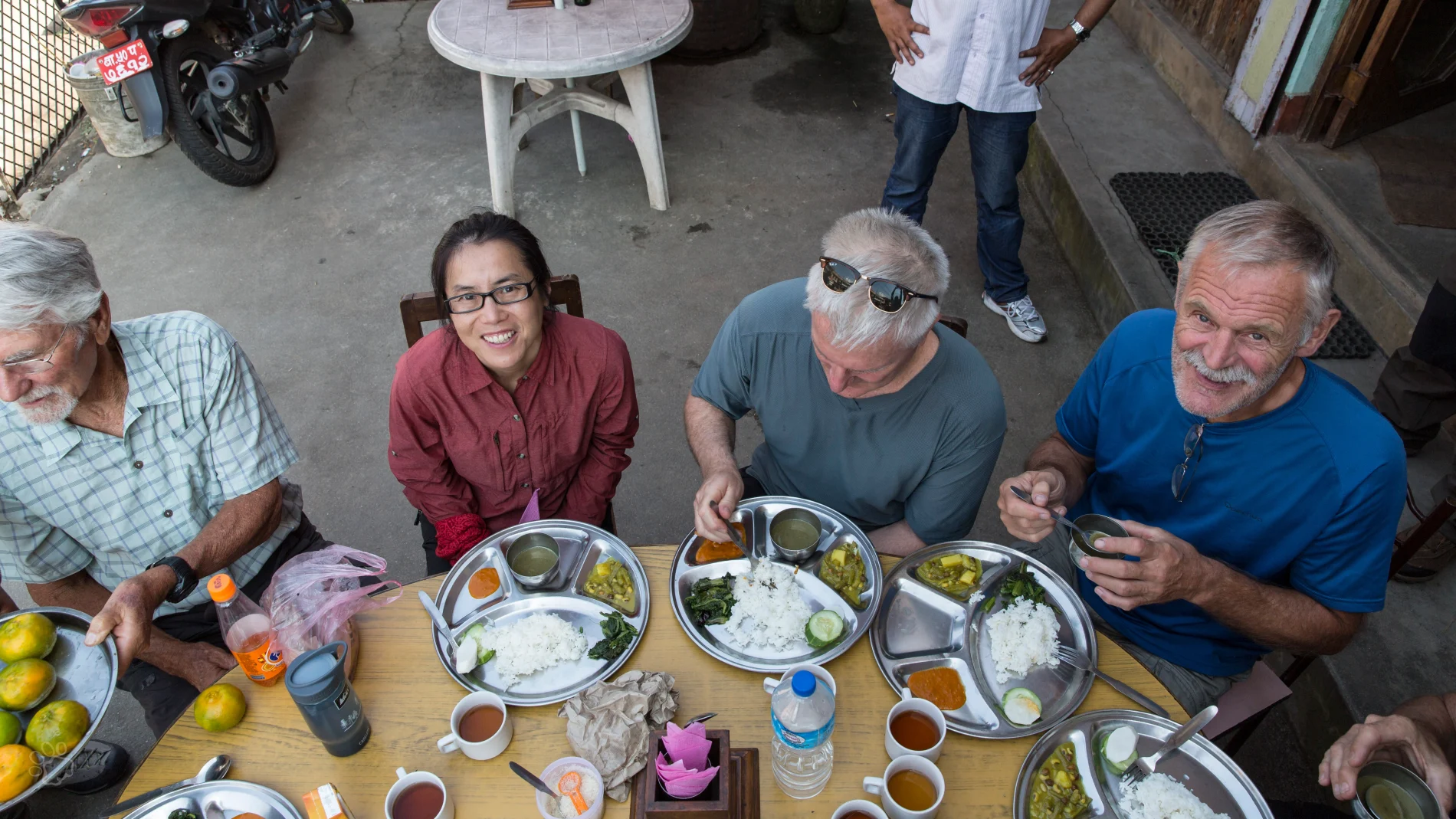
What Happens If You Don’t Like Nepali Food During a Trek?
Imagine spending months planning your dream trek in Nepal. You have chosen your route, bought your...
Read more