Nepal in July: Weather, Best Places to Visit, Treks & Travel Guide
Share:
 Read Time
This blog has 6219 words .This blog has 43170 characters.This blog take 21 minutes to read.
July is a unique month to visit Nepal because it represents the peak of the monsoon season, transforming the country into a landscape filled with fresh greenery, flowing waterfalls, misty hills, and peaceful surroundings. Although heavy rainfall affects many popular destinations and trekking regions, Nepal still offers incredible travel opportunities for visitors who choose the right places and plan carefully.
Unlike the busy spring and autumn seasons, Nepal in July provides a quieter and more authentic travel experience. The number of international visitors decreases significantly, which means travelers can explore cultural sites, villages, and natural attractions with fewer crowds. Moreover, the monsoon season brings a completely different beauty to Nepal, with lush forests, vibrant farmlands, and rivers flowing at their fullest.
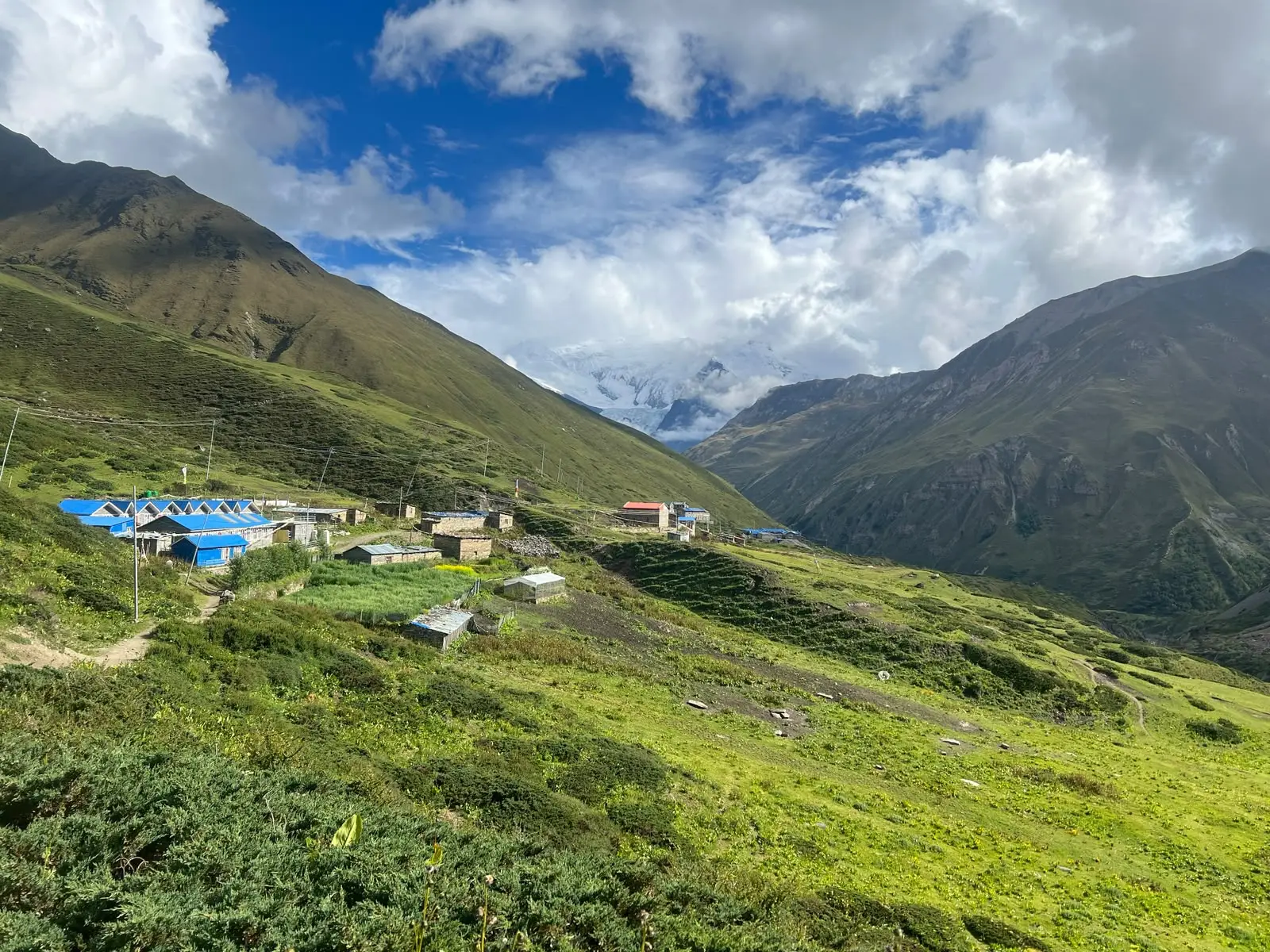
For adventure lovers, July is not the ideal month for every trekking route because many lower Himalayan trails experience rainfall, slippery paths, cloudy conditions, and possible travel disruptions. However, some destinations remain excellent during this period, especially the Himalayan rain-shadow regions such as Upper Mustang and Dolpo, where the high mountains block much of the monsoon moisture. These areas offer dry landscapes, ancient villages, unique Tibetan-influenced culture, and unforgettable trekking experiences even during the rainy season.
Beyond trekking, July is also a wonderful time to explore Nepal’s cultural and natural attractions. Travelers can discover the historic temples of Kathmandu Valley, enjoy the peaceful atmosphere of Pokhara, explore wildlife in national parks, and experience traditional village life surrounded by green landscapes. Additionally, the monsoon season creates excellent opportunities for photographers who want to capture waterfalls, cloudy mountain scenes, rural farming activities, and Nepal’s natural transformation.
However, traveling during July requires better preparation compared to peak seasons. Weather conditions can change quickly, especially in mountain regions, so flexible itineraries, proper rain protection, and destination selection are important. While some areas may be challenging, others become more beautiful and peaceful than at any other time of the year.
Overall, Nepal in July is perfect for travelers who want fewer crowds, unique landscapes, cultural experiences, and off-season adventures. With proper planning and guidance from a trusted local company like Silver Moon Adventure and Tour, visitors can discover the hidden beauty of Nepal and enjoy a memorable journey during the monsoon season.
Nepal at a Glance
Nepal is a naturally diverse country located between China (Tibet) to the north and India to the south, east, and west. Although it covers a relatively small area, Nepal offers an incredible range of landscapes, from tropical plains and dense forests to green hills, deep valleys, and the world’s highest mountain peaks. This geographical diversity makes Nepal a year-round destination with different experiences available in every season. During Nepal in July, the country enters the heart of the monsoon season, bringing fresh greenery, flowing rivers, vibrant farmland, and a peaceful atmosphere across many regions.
Nepal is globally famous for the Himalayas, including Mount Everest (8,848.86 m), along with other legendary peaks such as Annapurna, Manaslu, Dhaulagiri, Makalu, Lhotse, and Kanchenjunga. These mountains attract trekkers, climbers, photographers, and adventure seekers from around the world. Although July is not the main trekking season for most Himalayan routes because of monsoon conditions, some rain-shadow areas remain excellent for exploration.
Himalayan Region
The Himalayan Region covers the northern part of Nepal and is home to snow-covered mountains, glaciers, high-altitude valleys, and traditional mountain communities. Popular destinations include Everest, Annapurna, Manaslu, Langtang, Upper Mustang, and Dolpo. During July, many eastern and central Himalayan areas experience monsoon effects, including cloudy weather and wet trails. However, regions located behind the Himalayan barrier, such as Upper Mustang and Dolpo, remain comparatively dry because they receive less rainfall and offer unique trekking opportunities.
Hill Region
The Hill Region lies between the Himalayas and the Terai plains and includes famous destinations such as Kathmandu Valley, Pokhara, Bandipur, and Nagarkot. In July, this region becomes extremely green because of regular monsoon rainfall. Forests become denser, waterfalls become more powerful, and terraced fields create beautiful landscapes. Although mountain views can be limited by clouds, the hills provide peaceful surroundings and excellent opportunities for cultural exploration.
Terai Region
The Terai Region is located in southern Nepal and is known for fertile plains, national parks, wildlife, and cultural diversity. During July, the region experiences hot, humid, and rainy conditions because it receives significant monsoon rainfall. However, destinations such as Chitwan National Park, Bardia National Park, and Lumbini still offer unique experiences. The forests become greener, rivers fill with water, and wildlife areas become rich with natural beauty.
Overall, Nepal in July presents a different side of the country compared to peak travel seasons. While some regions become challenging due to rainfall, many destinations become more beautiful, peaceful, and authentic. With proper destination selection and flexible planning, travelers can enjoy Nepal’s culture, nature, and hidden landscapes during the monsoon season.
Is July a Good Time to Visit Nepal?
Yes, July can be a good time to visit Nepal, but it depends on the type of experience you are looking for. Since July falls in the middle of Nepal’s monsoon season, the country receives regular rainfall, especially in the hill and lowland regions. However, this season also brings a different kind of beauty, with green landscapes, powerful waterfalls, fresh forests, and peaceful surroundings. Nepal receives most of its annual rainfall during the monsoon period from June to September, making July one of the wettest months of the year.
For travelers who enjoy quiet destinations, cultural exploration, photography, and nature experiences, Nepal in July can be a rewarding choice. Because it is an off-season month, popular tourist areas are much less crowded compared to spring and autumn. Visitors can explore ancient temples, heritage sites, traditional villages, and local markets at a relaxed pace while enjoying better availability of hotels and travel services.
However, July is not considered the best month for many classic trekking routes because frequent rainfall can make trails wet, muddy, and more challenging. Routes located in the central and eastern Himalayan regions may experience cloudy conditions, limited mountain views, and transportation delays. Therefore, trekkers should carefully select destinations and consider regions that remain drier during the monsoon.
One of the biggest advantages of visiting Nepal in July is exploring the rain-shadow regions of Mustang and Dolpo. These areas receive significantly less rainfall because the Himalayas block much of the monsoon moisture. As a result, destinations such as Upper Mustang, Lower Mustang, and Dolpo offer excellent opportunities for trekking, cultural exploration, and experiencing unique landscapes during a season when many other regions are affected by rain.
July is also a wonderful time for nature lovers because the countryside becomes incredibly vibrant. Terraced fields turn bright green, rivers become fuller, and waterfalls flow dramatically through the hills. Wildlife destinations such as Chitwan and Bardia offer beautiful forest scenery, while places like Pokhara provide a peaceful lakeside atmosphere surrounded by lush hills.
Nevertheless, travelers should prepare properly before visiting Nepal in July. Carrying waterproof clothing, keeping flexible travel plans, and allowing extra time for possible delays are important. Mountain flights and road transportation may sometimes be affected by weather conditions, especially in remote areas.
Overall, Nepal in July is ideal for travelers who want a peaceful, green, and authentic Nepal experience rather than a traditional peak-season adventure. With the right destination choices and proper preparation, July can reveal a beautiful and less-explored side of Nepal. For a well-planned monsoon journey, Silver Moon Adventure and Tour can help create customized itineraries based on weather conditions, interests, and travel goals.
Nepal Weather in July
Nepal in July experiences the full impact of the monsoon season, bringing regular rainfall, high humidity, cloudy skies, and fresh green landscapes across most parts of the country. Since Nepal has three major geographical regions—the Himalayan Region, Hill Region, and Terai Region—the weather conditions vary greatly depending on altitude and location. Around 80% of Nepal’s annual rainfall occurs during the monsoon period from June to September, making July one of the wettest months of the year.
Although July receives frequent rainfall, it does not mean that travel is impossible. In many areas, rain often occurs in the afternoon or evening, while mornings can remain calm and suitable for sightseeing, photography, and short outdoor activities. The monsoon also transforms Nepal’s landscapes into a vibrant green paradise, with blooming vegetation, full rivers, active waterfalls, and beautiful countryside scenery.
Himalayan Region
The Himalayan Region experiences cooler temperatures compared to lower areas, but weather conditions become more unpredictable during July. Popular trekking regions such as Everest, Annapurna, and Langtang may experience cloudy skies, limited mountain visibility, wet trails, and possible transportation challenges. However, areas located in the Himalayan rain-shadow zone, including Upper Mustang and parts of Dolpo, remain much drier and are among the best choices for trekking during this month.
Hill Region
The Hill Region, including Kathmandu Valley, Pokhara, Bandipur, and Nagarkot, becomes extremely green and refreshing during July. Regular rainfall nourishes forests, terraced fields, and waterfalls, creating beautiful scenery. Temperatures remain warm and humid, but mornings are often comfortable for cultural sightseeing and nature exploration. However, travelers should be prepared for sudden showers and occasional changes in travel schedules.
Terai Region
The Terai Region experiences the warmest conditions during July, with high humidity and frequent rainfall. Destinations such as Chitwan National Park, Bardia National Park, and Lumbini remain attractive because the forests become greener and wildlife areas become more vibrant. However, outdoor activities are usually more comfortable during early mornings and late afternoons because daytime temperatures can feel hot and humid.
Overall, Nepal weather in July offers a different but beautiful travel experience. While it may not provide the stable mountain views of spring or autumn, the month rewards travelers with peaceful destinations, dramatic landscapes, and authentic local experiences. With proper planning and flexible schedules, July can be an excellent time to explore Nepal’s greener and quieter side.
Weather in Major Tourist Destinations in Nepal in July
Nepal has different weather conditions across its regions because of its diverse geography. During July, the monsoon season affects most parts of the country, bringing rainfall, cloudy skies, and fresh green landscapes. However, some destinations such as Upper Mustang and Dolpo remain comparatively dry because they lie in the Himalayan rain-shadow area.
Reasons to Plan Your Nepal Trip in July
Although July is considered the monsoon season in Nepal, it offers a completely different travel experience compared to the busy spring and autumn months. Travelers who prefer peaceful destinations, fresh landscapes, cultural experiences, and off-season adventures can find many reasons to plan a Nepal trip in July. With proper preparation and selecting the right destinations, July can reveal some of the most beautiful and authentic sides of Nepal.
1. Experience Nepal’s Lush Green Beauty
July brings abundant rainfall that transforms Nepal’s hills, forests, and valleys into vibrant green landscapes. Terraced farmlands become colorful, forests look fresh and dense, and waterfalls become more powerful during this period. For nature lovers and photographers, the monsoon season creates unique scenery that is rarely visible during the dry months.
2. Enjoy Peaceful Travel with Fewer Tourists
Since July is an off-season month, many popular destinations experience fewer visitors compared to spring and autumn. This allows travelers to explore cultural sites, villages, and natural attractions in a quieter environment. Moreover, fewer crowds provide better opportunities to interact with local communities and experience Nepalese hospitality more closely.
3. Explore the Best Monsoon-Friendly Trekking Regions
While many classic trekking routes become challenging during July, some Himalayan destinations remain excellent choices. The Upper Mustang Trek and Dolpo Trek are among the best options because they lie in rain-shadow areas with much less rainfall. These regions offer dramatic landscapes, ancient monasteries, traditional villages, and unique Himalayan culture during the monsoon season.
4. Discover Nepal’s Waterfalls, Lakes, and Rivers at Their Best
The monsoon season makes Nepal’s natural water attractions even more impressive. Rivers become fuller, waterfalls flow strongly, and lakes are surrounded by fresh greenery. Destinations such as Pokhara, Rara Lake, and various hill regions become especially beautiful during July, offering excellent opportunities for sightseeing and photography.
5. Enjoy More Flexible and Budget-Friendly Travel Options
Because July is outside the peak tourism seasons, travelers often have more choices for accommodation, transportation, and travel services. Hotels and tour operators generally have better availability, making it easier to plan customized trips. This flexibility can be especially helpful for travelers who want a comfortable Nepal experience without the busy-season atmosphere.
6. Experience Authentic Local Life and Farming Culture
July is an important farming period in Nepal, especially in rural areas where communities are busy with rice plantation and agricultural activities. Travelers visiting villages during this time can observe traditional farming practices, local celebrations, and everyday rural lifestyles. These experiences provide a deeper understanding of Nepal beyond typical tourist attractions.
7. Visit Dry Himalayan Regions During the Monsoon Season
One of the biggest reasons to visit Nepal in July is the opportunity to explore areas protected from heavy monsoon rainfall. Destinations like Upper Mustang and Dolpo remain dry compared to other parts of Nepal because of the Himalayan rain-shadow effect. These remote regions provide rare experiences of desert-like landscapes, ancient Tibetan culture, and untouched mountain scenery.
8. Enjoy a Unique Off-Season Nepal Experience
Nepal in July is ideal for travelers who want something different from the usual peak-season journey. The combination of green landscapes, peaceful trails, fewer tourists, and authentic cultural interactions creates a memorable experience. Although weather conditions require flexibility, the rewards are unique for those willing to travel during this season.
Overall, planning a Nepal trip in July is a great choice for travelers who enjoy nature, culture, photography, and quieter adventures. By selecting suitable destinations and preparing for monsoon conditions, visitors can discover a refreshing and less-explored side of Nepal.
Things to Know Before Traveling to Nepal in July
Although Nepal in July offers beautiful landscapes, peaceful destinations, and unique monsoon experiences, travelers should understand the seasonal conditions before planning their journey. Since July falls in the middle of the monsoon season, weather patterns can be unpredictable, and some areas require extra preparation. However, with proper planning and realistic expectations, visitors can still enjoy a safe and memorable Nepal trip.
1. Expect Frequent Rainfall and Changing Weather
July is one of the wettest months in Nepal, especially in the hill and lowland regions. Rainfall usually occurs during afternoons and evenings, although some days may experience longer showers. Weather conditions can change quickly, so travelers should keep flexible schedules and avoid planning activities with very tight timelines.
2. Choose Trekking Routes Carefully
Not every trekking route is suitable during July because heavy rainfall can make trails muddy, slippery, and difficult. Popular routes such as Everest Base Camp, Annapurna Base Camp, and Langtang may have limited visibility and challenging trail conditions. Therefore, travelers should consider monsoon-friendly destinations like Upper Mustang, Dolpo, Nar Phu Valley, and Tsum Valley, which are less affected by rainfall.
3. Be Prepared for Possible Travel Delays
During the monsoon season, road conditions and mountain flights can sometimes be affected by heavy rain, clouds, or poor visibility. Flights to remote mountain areas, especially those operating from Kathmandu or Ramechhap, may experience delays or cancellations. Allowing extra days in your itinerary can help avoid unnecessary stress.
4. Carry Proper Rain Protection
Packing suitable gear is essential for a comfortable Nepal trip in July. Travelers should carry a waterproof jacket, rain cover for backpacks, quick-drying clothes, waterproof trekking shoes, and protective covers for electronic devices. Proper preparation helps you enjoy outdoor activities even when unexpected showers occur.
5. Prepare for Humidity in Lower Regions
Destinations in the Terai and lower hill areas can become warm and humid during July. Places such as Chitwan, Lumbini, and Bardia may feel hot during the daytime. Lightweight clothing, sunscreen, insect protection, and staying hydrated are important for comfortable travel.
6. Mountain Views May Not Always Be Clear
Although Nepal’s mountains remain breathtaking during July, frequent clouds can sometimes block Himalayan views. Travelers should not expect the same clear skies found during autumn and spring. However, occasional clear mornings can still provide beautiful views, especially in higher and drier regions.
7. Roads Can Become Challenging in Rural Areas
Monsoon rainfall can affect rural roads, especially in hilly and remote areas. Landslides and muddy sections may occasionally cause delays on highways and mountain routes. Choosing experienced local travel operators and checking road conditions before departure is highly recommended.
8. Pack According to Different Regions
Nepal’s temperature varies greatly because of its altitude differences. While Kathmandu and Pokhara remain warm, Himalayan areas can still feel cold, especially at night. Travelers should pack both lightweight monsoon clothing and warm layers if visiting higher elevations.
Best Places to Visit in Nepal in July
Nepal in July offers a completely different experience compared to the popular spring and autumn seasons. Although the monsoon affects many parts of the country, the rainfall brings fresh greenery, powerful waterfalls, colorful landscapes, and a peaceful atmosphere. The key to enjoying Nepal during this month is choosing destinations that match the seasonal conditions.
While some high mountain trekking areas become more challenging, several destinations remain excellent for travel because of their natural beauty, cultural importance, and unique monsoon charm. From ancient heritage sites and peaceful lakeside cities to dry Himalayan valleys and remote mountain landscapes, these are some of the best places to visit in Nepal during July.
Kathmandu Valley
Kathmandu Valley is one of the best destinations to explore in July because most activities are cultural and do not depend heavily on clear weather conditions. The valley is home to UNESCO World Heritage Sites including Kathmandu Durbar Square, Patan Durbar Square, Bhaktapur Durbar Square, Pashupatinath Temple, Boudhanath Stupa, and Swayambhunath.
Although rainfall is common, visitors can still enjoy museums, temples, traditional markets, local food experiences, and historical sightseeing. The rain also adds a fresh atmosphere to the ancient streets, making Kathmandu an excellent destination for cultural exploration during the monsoon season.
Pokhara
Pokhara becomes incredibly beautiful during July because the monsoon transforms the surrounding hills into bright green landscapes. Although Himalayan views may not always be visible due to clouds, the city offers plenty of experiences beyond mountain scenery.
Travelers can enjoy boating on Phewa Lake, exploring caves, visiting waterfalls, walking around Lakeside, and experiencing the peaceful atmosphere created by the rainy season. The powerful flow of waterfalls such as Davis Falls makes Pokhara especially attractive during July.
Upper Mustang
Upper Mustang is one of the best places to visit in Nepal in July because it lies in the Himalayan rain-shadow region. While many parts of Nepal receive heavy rainfall, Upper Mustang remains comparatively dry, making it ideal for trekking and cultural exploration.
The region offers dramatic desert-like landscapes, ancient monasteries, traditional villages, and Tibetan-influenced culture. Travelers can explore Lo Manthang, mysterious caves, old Buddhist monasteries, and unique mountain scenery that looks completely different from other parts of Nepal.
Dolpo Region
Dolpo is another excellent July destination for travelers seeking remote Himalayan adventures. Located in western Nepal, Dolpo receives much less monsoon rainfall compared to the southern side of the mountains.
The region is famous for Shey Phoksundo Lake, ancient Buddhist traditions, untouched villages, and spectacular wilderness. Trekking in Dolpo during July provides an opportunity to experience one of Nepal’s least crowded and most authentic Himalayan regions.
Rara Lake
Rara Lake becomes especially beautiful during July when the surrounding forests become lush green and the landscape appears fresh after rainfall. Located in the remote Mugu district, Rara is Nepal’s largest lake and offers peaceful natural surroundings away from crowded tourist areas.
Visitors can enjoy boating, hiking around the lake, photography, and exploring the quiet wilderness of western Nepal. The combination of blue water, green forests, and misty hills creates a magical monsoon atmosphere.
Chitwan National Park
Although Chitwan experiences hot and humid weather in July, it remains an attractive destination for wildlife and nature lovers. The monsoon makes the forests greener and the national park becomes full of life.
Travelers can enjoy jungle activities, birdwatching, cultural experiences with the Tharu community, and explore the rich biodiversity of the region. However, activities may depend on weather conditions, so flexible planning is recommended.
Bardia National Park
For travelers looking for a quieter wildlife experience, Bardia National Park is an excellent alternative to Chitwan. The park offers peaceful surroundings, fewer visitors, and beautiful monsoon landscapes.
During July, the forests become dense and vibrant, creating an excellent environment for nature photography and wildlife observation. Visitors can experience jungle walks, cultural tours, and the untouched beauty of western Nepal.
Bandipur
Bandipur is a charming hill town that becomes even more peaceful during July. Surrounded by green hills and traditional Newari architecture, the town offers a relaxing escape from busy cities.
Although mountain views may be limited by clouds, visitors can enjoy cultural walks, local food, village experiences, and the refreshing atmosphere of the monsoon-covered hills.
Ilam
Ilam is one of the most beautiful destinations in eastern Nepal during July. Famous for its tea gardens, rolling hills, and peaceful countryside, Ilam becomes extremely green during the monsoon season.
Travelers can explore tea estates, enjoy sunrise viewpoints, walk through forests, and experience authentic rural Nepalese life. The cool climate and scenic landscapes make Ilam a perfect destination for travelers who want relaxation and nature.
Janakpur
Janakpur offers a unique cultural experience during July with its historic temples, religious importance, and traditional Maithili culture. The famous Janaki Temple attracts pilgrims throughout the year, and the monsoon season gives the city a different atmosphere.
Visitors can explore religious sites, local markets, traditional art, and cultural heritage while experiencing a less crowded destination compared to peak travel months.
Overall, the best places to visit in Nepal in July are those that combine natural beauty, cultural experiences, and seasonal advantages. Whether you prefer the dry landscapes of Upper Mustang, the peaceful wilderness of Dolpo and Rara Lake, or the cultural richness of Kathmandu and Janakpur, July offers many opportunities to discover a different side of Nepal.
Best Treks in Nepal in July
Nepal in July is not considered the ideal trekking season for most popular Himalayan routes because the monsoon brings rainfall, cloudy skies, slippery trails, and occasional transportation challenges. However, this does not mean trekking is impossible. In fact, some remote and high-altitude regions become excellent choices during this month because they receive less rainfall compared to other parts of Nepal.
The key to trekking in July is choosing the right destination. The rain-shadow areas of Nepal, especially Upper Mustang and Dolpo, remain among the best options because the Himalayas block much of the monsoon clouds. Additionally, trekkers who prefer quieter trails, fewer crowds, and unique cultural experiences can find July highly rewarding.
Upper Mustang Trek
The Upper Mustang Trek is one of the best trekking options in Nepal during July because the region lies in the Himalayan rain-shadow area. While many parts of Nepal experience heavy monsoon rainfall, Upper Mustang remains mostly dry with clear landscapes and fewer weather-related difficulties.
This trek offers a rare combination of desert-like landscapes, ancient Buddhist monasteries, traditional villages, and Tibetan-influenced culture. Travelers can explore the historic Lo Manthang, mysterious caves, dramatic cliffs, and centuries-old traditions while enjoying a quieter trekking experience compared to peak seasons.
Upper Dolpo Trek
The Upper Dolpo Trek is another excellent choice for experienced trekkers looking for a remote Himalayan adventure in July. Located in western Nepal, Dolpo receives significantly less rainfall because of its location behind the Himalayan barrier.
The trek takes travelers through untouched valleys, high mountain passes, traditional villages, and the stunning Shey Phoksundo Lake. Although the route requires good fitness and preparation, the peaceful landscapes and authentic mountain culture make it one of Nepal’s most rewarding off-season treks.
Nar Phu Valley Trek
The Nar Phu Valley Trek is a hidden gem that can be considered during July with proper preparation. Located in the northern Annapurna region near the Tibetan border, this restricted-area trek offers remote villages, ancient monasteries, and dramatic Himalayan landscapes.
Because parts of the region receive less rainfall compared to lower Annapurna areas, the trek can provide a unique monsoon adventure. Travelers can experience traditional mountain life, untouched valleys, and fewer trekkers along the trail.
Tsum Valley Trek
The Tsum Valley Trek is another peaceful trekking option for July. Known as the “Hidden Valley,” Tsum offers ancient Buddhist culture, sacred monasteries, traditional villages, and spectacular mountain scenery.
Although some rainfall may occur, the region remains less crowded during this period. Trekkers who are interested in cultural experiences rather than only mountain views can enjoy meaningful interactions with local communities and explore a unique Himalayan lifestyle.
Mardi Himal Trek

Starts from
USD 550
Mardi Himal Trek- 09 days
The Mardi Himal Trek is a beautiful short trekking journey in the Annapurna region that offers a perfect balance...
Duration:
09 days
Max altitude:
4,500 meters at Mardi Himal Base Camp
The Mardi Himal Trek is a shorter Himalayan trek that can be attempted in July by travelers who are comfortable with monsoon conditions. The trail passes through beautiful forests, traditional villages, and high ridges with views of Machhapuchhre and the Annapurna range when weather permits.
However, trekkers should be prepared for wet trails, cloudy conditions, and possible changes in the itinerary. Choosing experienced guides and maintaining a flexible schedule is important during the monsoon season.
Khopra Ridge Trek
The Khopra Ridge Trek is another alternative for travelers who want a quieter trekking experience in the Annapurna region. Compared to some popular routes, Khopra offers peaceful trails, beautiful villages, and stunning viewpoints.
During July, the forests become lush green, waterfalls become more active, and the landscape looks fresh and vibrant. Although mountain visibility may vary, the natural beauty of the trail creates a memorable experience for adventurous travelers.
Annapurna Circuit Trek
Starts from
USD 750
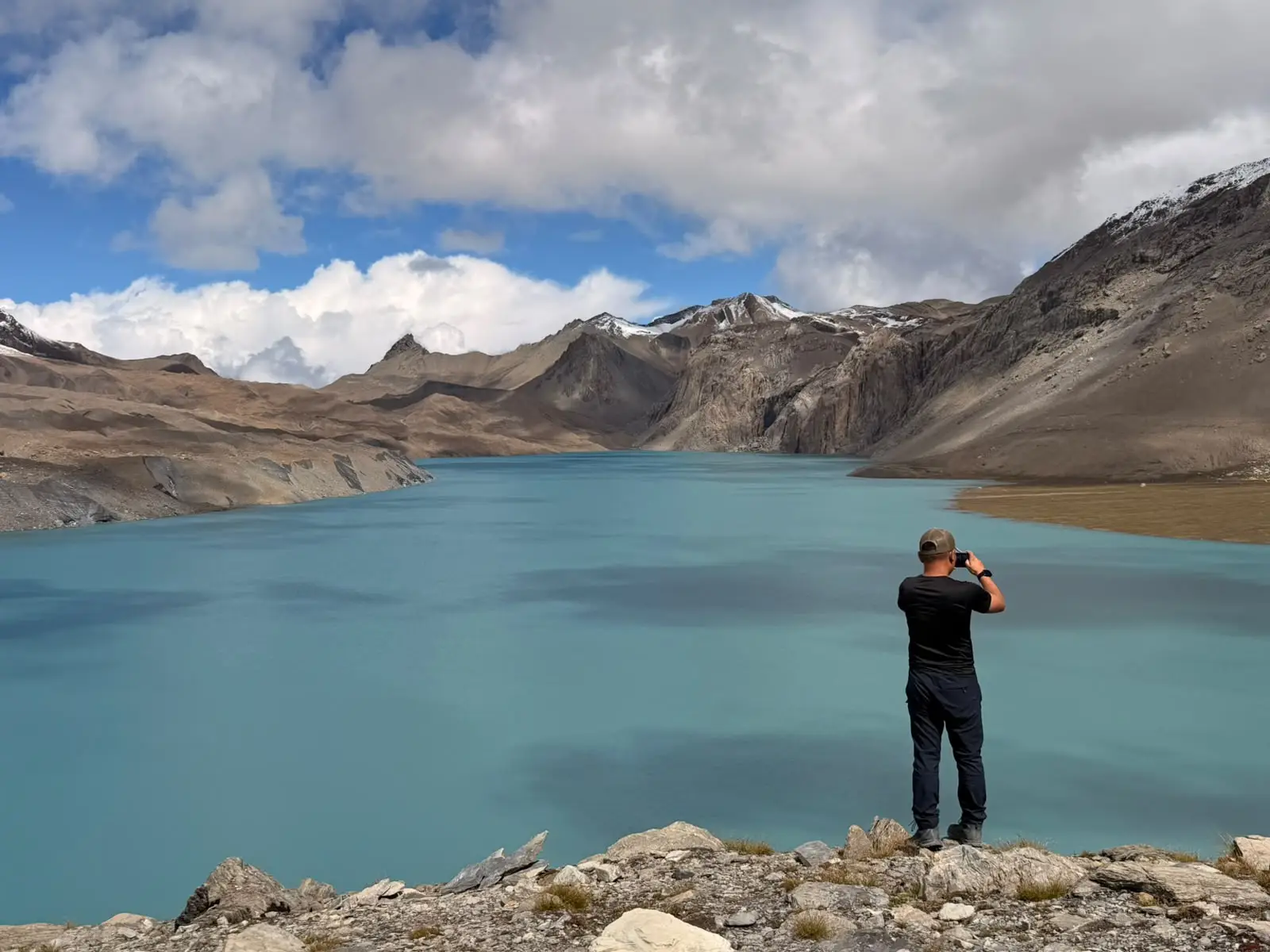
Annapurna Circuit Trek via Tilicho Lake – 15 days
The Annapurna Circuit Trek via Tilicho Lake is one of the most rewarding trekking journeys in Nepal, combining the...
Duration:
15 days
Max altitude:
5,416m at Thorong La Pass
The northern section of the Annapurna Circuit, especially areas closer to Manang and Mustang, can be considered during July because these areas receive less monsoon influence compared to lower sections.
Travelers can experience diverse landscapes, including dry valleys, Tibetan-style villages, and high mountain scenery. However, the route requires careful planning because lower sections may face rainfall, landslides, and road disruptions.
Everest Region Trek

Starts from
USD 1,565
Everest Base Camp with Gokyo Lake Trek- 16 days
The Everest Base Camp with Gokyo Lake Trek is one of the most beautiful and rewarding trekking experiences in...
Duration:
16 days
Max altitude:
5,555 meters at Kala Patthar
The Everest Region is generally not the first choice for July trekking because flights to Lukla can be affected by weather, and mountain views may be limited by clouds. However, experienced trekkers with flexible schedules can still attempt certain routes.
Travelers should expect changing conditions, possible flight delays, and fewer clear views compared to spring and autumn. Proper preparation and local guidance are highly recommended.
Festivals Celebrated in Nepal in July
Nepal in July offers travelers a wonderful opportunity to experience the country’s rich cultural traditions along with its beautiful monsoon landscapes. During this month, several religious and local festivals are celebrated across Nepal, although the exact dates may change every year because many festivals follow the lunar calendar. These celebrations reflect Nepal’s deep spiritual values, community traditions, and connection with ancient customs.
Gai Jatra (Cow Festival) is one of the most unique festivals celebrated in Nepal, especially in the Kathmandu Valley. The festival is observed to remember family members who have passed away during the previous year. During this celebration, families participate in colorful processions, traditional music, dances, and cultural performances. Although the festival has a spiritual purpose, it also includes humor and happiness because Nepali culture believes that laughter helps people overcome sadness. Travelers visiting Kathmandu, Bhaktapur, or Patan during this period can experience authentic Newar traditions and lively street celebrations.
Another important festival that may fall in July is Janai Purnima (Raksha Bandhan), a sacred Hindu festival celebrated throughout Nepal. On this day, Hindu men change their sacred thread called “Janai,” while many people receive a protective thread from priests as a symbol of blessings and protection. Thousands of devotees also visit religious sites such as Gosainkunda Lake to perform rituals and prayers. For visitors, this festival provides a chance to observe Nepal’s spiritual practices and religious harmony.
Nag Panchami is another traditional festival celebrated during this period, where people worship snake deities and offer prayers for protection and prosperity. The festival is especially visible in Kathmandu Valley, where temples and households perform special rituals connected with ancient Hindu beliefs. Additionally, Bhoto Jatra, one of the oldest cultural festivals of the Kathmandu Valley, may sometimes take place around July depending on the lunar calendar. This celebration features traditional chariot processions and the public display of the sacred Bhoto (vest), representing centuries-old cultural heritage.
Apart from religious festivals, July is also an important month for Nepal’s farming communities because it is the season of rice plantation. Many villages organize traditional activities, local gatherings, and farming celebrations during this period. Travelers visiting rural areas can witness authentic village lifestyles, traditional farming methods, and strong community connections.
Overall, festivals in Nepal during July provide a deeper cultural experience beyond trekking and sightseeing. Although the monsoon season requires flexible planning, travelers can enjoy colorful traditions, local hospitality, and unique cultural moments that make a Nepal trip in July truly memorable.
Conclusion
Nepal in July offers a unique travel experience filled with natural beauty, cultural richness, and peaceful exploration. Although the month falls during the monsoon season, it brings a different charm to the country with fresh green landscapes, powerful waterfalls, blooming forests, and fewer tourists. For travelers who prefer quiet destinations and authentic experiences, July can be an excellent time to discover Nepal beyond the usual peak seasons.
While heavy rainfall can affect some trekking routes, transportation, and mountain visibility, proper planning allows visitors to enjoy many incredible destinations. Rain-shadow areas like Upper Mustang and Dolpo remain among the best choices for Himalayan adventures, while places such as Kathmandu Valley, Pokhara, Rara Lake, Bandipur, and Ilam offer beautiful cultural and natural experiences during this period.
Moreover, July provides opportunities to experience Nepal’s local lifestyle more closely. The farming season, traditional festivals, village activities, and peaceful surroundings allow travelers to connect with the country’s culture in a more meaningful way. Whether you are interested in nature photography, cultural tours, wildlife exploration, short hikes, or remote Himalayan adventures, Nepal in July has something special to offer.
Traveling during the monsoon requires flexibility, suitable preparation, and choosing the right destinations. Carrying proper rain gear, allowing extra travel time, and working with an experienced local travel company can help create a smoother journey.
If you are planning a Nepal trip in July, Silver Moon Adventure and Tour can help you design a safe, comfortable, and memorable itinerary based on your interests. From rain-shadow trekking adventures and cultural tours to wildlife experiences and customized Nepal holidays, our local expertise ensures that you discover the hidden beauty of Nepal in the best possible way. With the right preparation, July can become one of the most rewarding times to experience the authentic charm of Nepal.
FAQS
1. Is July a good time to visit Nepal?
Yes, July can be a good time to visit Nepal for travelers who enjoy peaceful destinations, green landscapes, cultural experiences, and off-season travel. Although it is the monsoon season, many places remain beautiful and accessible, especially rain-shadow regions like Upper Mustang and Dolpo.
2. Does it rain heavily in Nepal during July?
Yes, July is one of the wettest months in Nepal because it falls during the peak monsoon season. Rainfall is common, especially in the hills and lower regions, but it usually occurs during afternoons or evenings. Weather conditions can vary depending on the location and altitude.
3. Can I trek in Nepal in July?
Yes, trekking is possible in July, but choosing the right route is important. Treks in rain-shadow areas such as Upper Mustang Trek and Dolpo Trek are highly recommended because they receive less rainfall. Some popular routes may become challenging due to muddy trails, clouds, and weather-related delays.
4. Which is the best trek in Nepal during July?
The Upper Mustang Trek is considered one of the best treks in Nepal during July because it lies in the Himalayan rain-shadow region. Other suitable options include the Upper Dolpo Trek, Nar Phu Valley Trek, and Tsum Valley Trek, depending on the traveler’s experience and preparation.
5. Is Everest Base Camp Trek possible in July?
Yes, the Everest Base Camp Trek is possible in July, but it is more challenging compared to spring and autumn seasons. Travelers should be prepared for possible flight delays to Lukla, cloudy weather, wet trails, and limited mountain visibility. A flexible itinerary and experienced guide are highly recommended.
6. Are flights in Nepal affected during July?
Yes, mountain flights, especially flights to destinations like Lukla, can sometimes be delayed or canceled due to heavy clouds, rain, and poor visibility. Travelers should keep extra buffer days in their itinerary to avoid problems caused by weather conditions.
7. Which places are best to visit in Nepal in July?
Some of the best places to visit in Nepal during July include Upper Mustang, Dolpo, Kathmandu Valley, Pokhara, Rara Lake, Bandipur, Ilam, Chitwan, and Bardia. These destinations offer a combination of culture, nature, wildlife, and unique monsoon experiences.
8. Is Upper Mustang suitable to visit in July?
Yes, Upper Mustang is one of the best destinations to visit in Nepal in July. Since it lies in a rain-shadow area, it receives much less rainfall compared to other regions. Travelers can explore ancient monasteries, desert-like landscapes, and Tibetan-influenced villages during this period.
9. Is Pokhara worth visiting in July?
Yes, Pokhara is worth visiting in July because the monsoon makes the surrounding hills lush and green. Although Himalayan views may not always be visible, visitors can enjoy boating, waterfalls, caves, cafés, and the peaceful atmosphere of the lakeside city.
10. What should I pack for Nepal in July?
Travelers visiting Nepal in July should pack a waterproof jacket, rain cover for their backpack, quick-drying clothes, waterproof shoes, insect protection, sunscreen, and lightweight clothing. If trekking at higher altitudes, warm layers are also necessary.
11. Is July crowded in Nepal?
No, July is considered an off-season month in Nepal, so most tourist areas are less crowded compared to spring and autumn. This allows travelers to enjoy quieter attractions, better accommodation availability, and more personal experiences.
12. Can I see mountains clearly in Nepal during July?
Mountain views are less predictable in July because clouds and rain can block Himalayan peaks. However, clear mornings can still provide beautiful mountain views, especially in higher and drier regions like Upper Mustang and Dolpo.
13. Is July a good month for a family trip to Nepal?
Yes, July can be suitable for family trips if the itinerary is planned carefully. Cultural destinations like Kathmandu, Pokhara, and Bandipur, along with wildlife experiences in Chitwan and Bardia, are good options for families during the monsoon season.
14. Are wildlife tours possible in Nepal in July?
Yes, wildlife tours are possible in July. National parks such as Chitwan and Bardia become greener and more vibrant during the monsoon season. Visitors can enjoy jungle activities, birdwatching, and cultural experiences, although some activities may depend on weather conditions.
15. Why should I travel with Silver Moon Adventure and Tour in July?
Traveling with Silver Moon Adventure and Tour helps you enjoy a safe and well-planned Nepal trip during the monsoon season. Our local experience helps you choose suitable destinations, manage weather-related challenges, and create customized trekking, cultural, and adventure itineraries according to your travel goals.

Similar Blogs
View all
13/10/2026
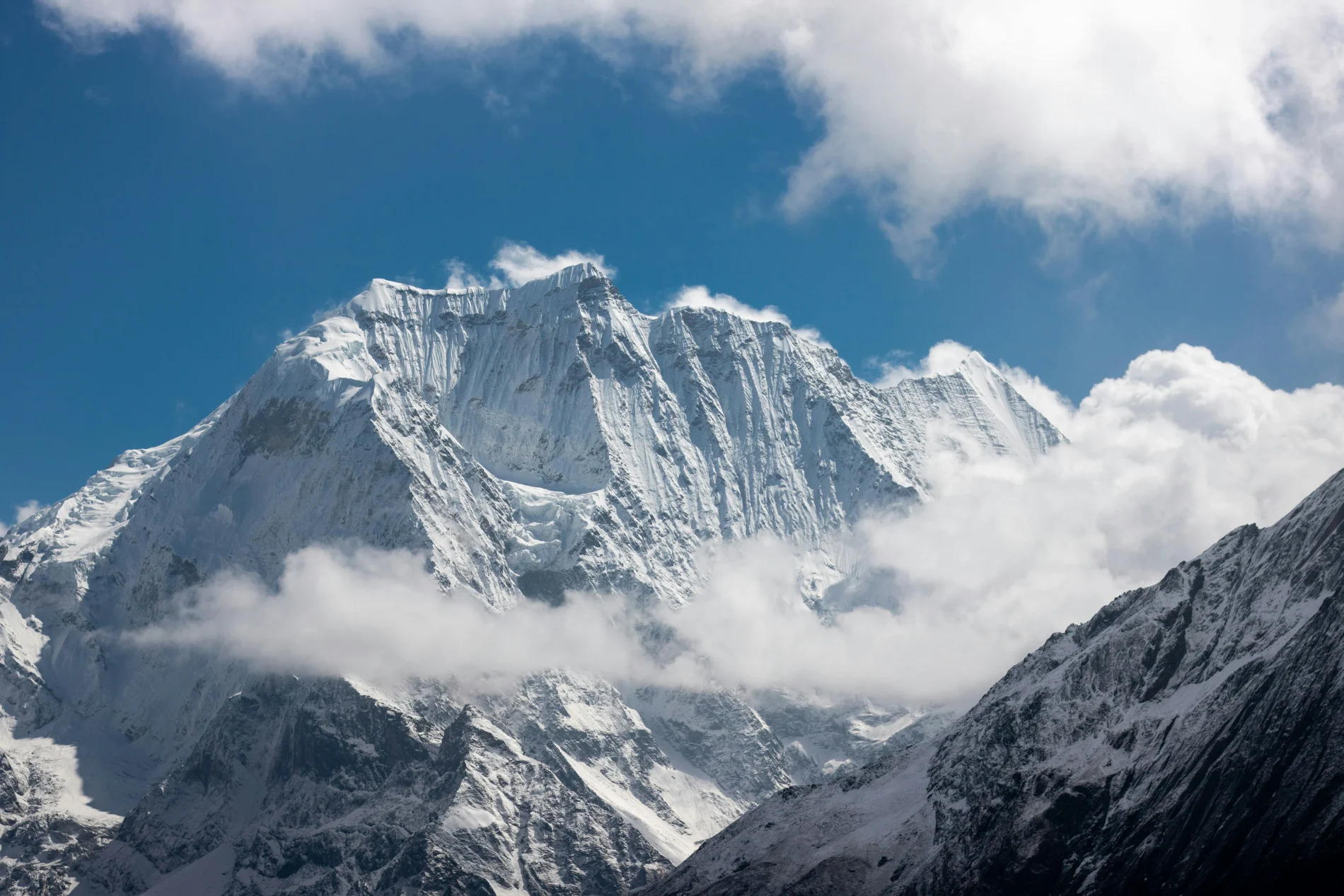
Manaslu Circuit Trek After the October 2026 Floods: Trail Conditions, Safety and Travel Updates
The Manaslu Circuit Trek is one of Nepal’s most rewarding Himalayan journeys, taking trekkers through traditional...
Read more
13/10/2026
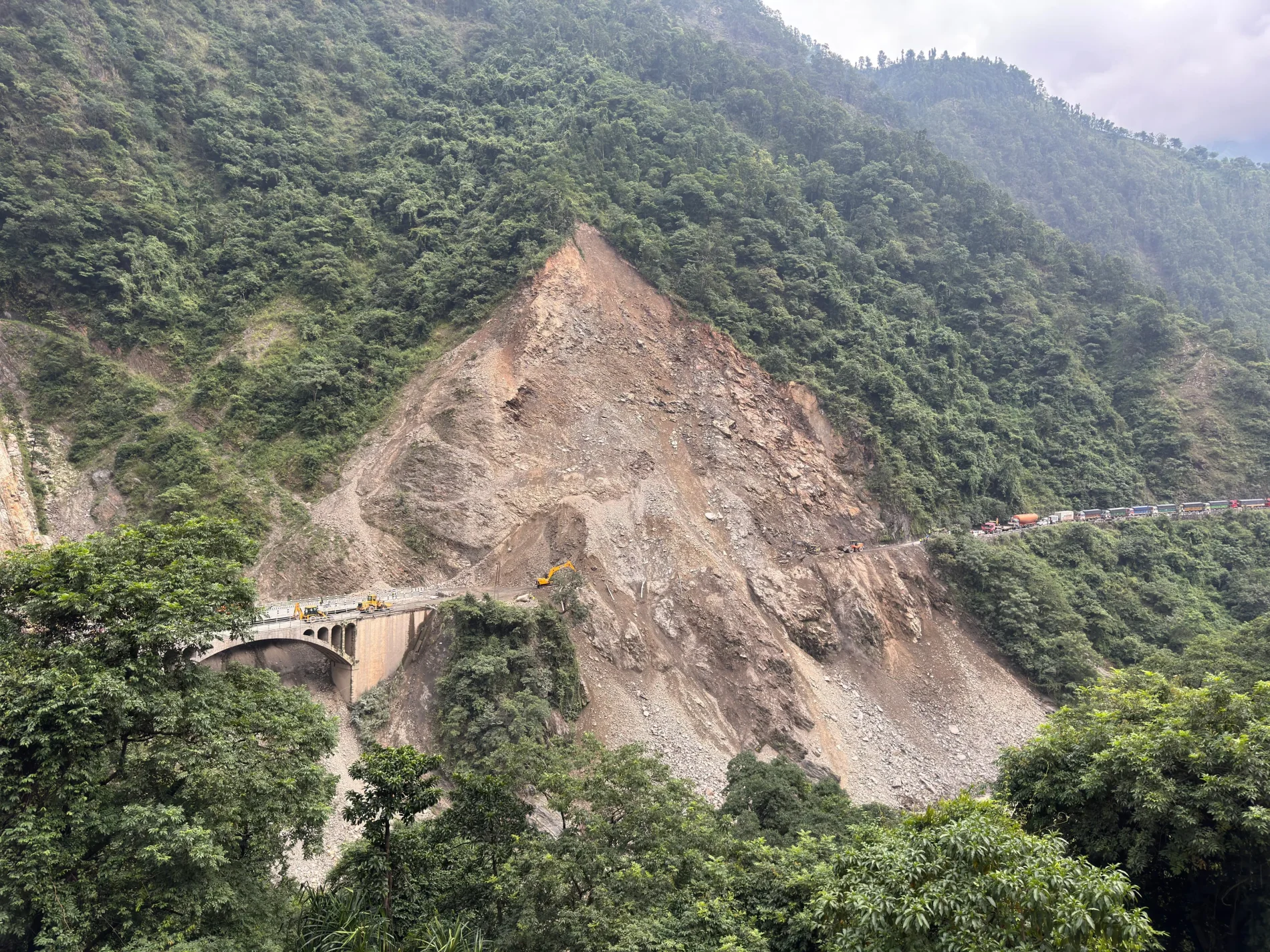
Your Nepal Trek Is Booked, but the Trail Is Closed: What Now?
Imagine arriving in Nepal with your trekking boots ready, your flights booked, your bags packed, and...
Read more