

Mardi Himal Trek: A Complete Guide to Nepal’s Hidden Himalayan Gem (2026)
Share:

 Read Time
This blog has 6565 words .This blog has 43123 characters.This blog take 22 minutes to read.
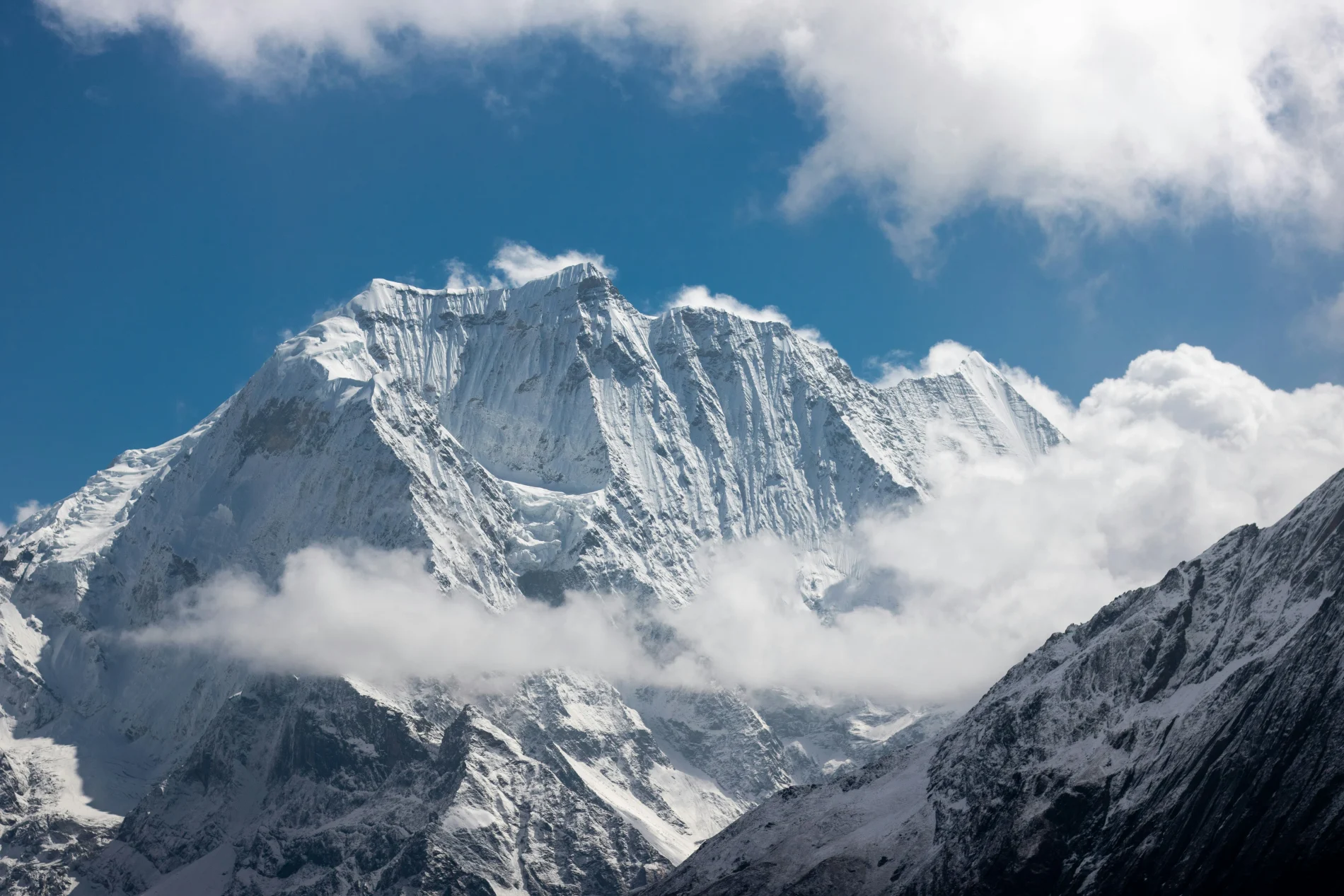
The first time you stand on the ridgeline above High Camp, it’s easy to understand why the Mardi Himal Trek has become one of Nepal’s most loved short trekking routes. As the morning clouds drift away, Machhapuchhre seems to rise almost directly in front of you, while the Annapurna range stretches across the horizon. It’s one of those rare moments when the camera is forgotten because the view is simply too beautiful to rush.
At Silver Moon Adventure, we’ve guided trekkers through the Annapurna region in every season. Over the years, we’ve noticed that many visitors arrive expecting a quieter alternative to the more famous trails, but they leave talking about something else entirely. They remember the peaceful forests, the warm hospitality of family-run teahouses, and the feeling of walking for hours surrounded by mountains instead of crowds.
Located inside the Annapurna Conservation Area, the Mardi Himal Trek offers an unforgettable Himalayan experience without requiring weeks on the trail. The journey begins just outside Pokhara and gradually climbs through traditional villages, rhododendron forests, and alpine landscapes before reaching Mardi Himal Base Camp at 4,500 meters (14,764 feet). Although the trek is relatively short, the scenery changes dramatically each day, making every stage of the journey feel unique.
One of the best reasons this route has grown in popularity is its balance between adventure and accessibility. Unlike longer treks that demand two or three weeks, the Mardi Himal Trek can usually be completed in five to seven days. As a result, it’s an excellent choice for travelers with limited time who still want to experience Nepal’s spectacular mountain landscapes.
This trail is also remarkably diverse. Lower sections pass through lush forests filled with birdsong and blooming rhododendrons during spring, while higher elevations reveal open ridges and panoramic views of Machhapuchhre, Annapurna South, Hiunchuli, and Annapurna I. Because the route remains less crowded than many of Nepal’s classic treks, you’ll often enjoy these views in a peaceful setting, allowing you to fully appreciate the beauty of the Himalayas.
In this guide, we’ll share everything you need to know before starting the Mardi Himal Trek—from choosing the best season and understanding the trail’s difficulty to preparing for altitude, selecting the right gear, and knowing what to expect each day. More importantly, we’ll include practical advice based on real trekking experience, helping you plan your adventure with confidence and make the most of your time in the mountains.
What is the Mardi Himal Trek?
The Mardi Himal Trek is one of Nepal’s most rewarding short trekking adventures, offering an incredible journey through the Annapurna region without the long duration required for many of the country’s famous routes. Tucked away east of the Annapurna Base Camp trail, this scenic trek takes you to Mardi Himal Base Camp (4,500 meters / 14,764 feet), where you’ll be rewarded with breathtaking views of some of the highest mountains in the world.
Although the trail has become increasingly popular over the past decade, it still feels quieter and more peaceful than many of Nepal’s classic trekking routes. Instead of sharing the path with large crowds, you’ll spend much of your journey walking through rhododendron forests, traditional Gurung villages, alpine meadows, and narrow ridgelines with the Himalayas rising all around you.
One of the highlights of the trek is the ever-changing landscape. The adventure begins in lush green hills near Pokhara before gradually climbing into dense forests filled with oak, maple, and rhododendron trees. As you gain altitude, the vegetation slowly disappears, giving way to open ridges that reveal spectacular views of Machhapuchhre (Fishtail Mountain), Annapurna South, Hiunchuli, and Annapurna I. The transition between these different landscapes keeps every day of the trek fresh and exciting.
Another reason the Mardi Himal Trek appeals to so many travelers is its accessibility. Most itineraries take five to seven days, making it an excellent option for those who want a genuine Himalayan trekking experience but have limited time in Nepal. The trail is suitable for beginners with a reasonable level of fitness, while experienced trekkers often choose it because of its peaceful atmosphere and stunning mountain scenery.
Accommodation along the route is provided by locally operated teahouses, where trekkers can enjoy simple but comfortable rooms and freshly prepared meals after each day’s walk. Staying in these family-run lodges also offers an opportunity to experience the warm hospitality that Nepal is known for, adding a cultural dimension to the adventure beyond the mountains themselves.
Whether you’re planning your first trek in Nepal or looking for a less crowded alternative to the country’s more famous routes, the Mardi Himal Trek offers a memorable combination of natural beauty, local culture, and rewarding hiking. It’s a journey that proves you don’t need to spend weeks in the Himalayas to experience some of Nepal’s most spectacular landscapes.
Why Choose the Mardi Himal Trek?
When people begin planning a trek in Nepal, they often focus on well-known routes such as Everest Base Camp or the Annapurna Circuit. While those adventures certainly deserve their reputation, they also attract thousands of trekkers every year. The Mardi Himal Trek offers something refreshingly different—a chance to experience the Himalayas at a gentler pace, surrounded by breathtaking scenery rather than crowded trails.
One of the biggest reasons travelers choose this route is its incredible diversity. Within just a few days, you’ll walk through lush forests, traditional villages, alpine grasslands, and narrow mountain ridges before standing beneath some of the highest peaks in the world. Few short treks in Nepal offer such dramatic changes in landscape over such a relatively short distance.
Another advantage is the time commitment. Many visitors have only a week available for trekking, making longer expeditions difficult to fit into their itinerary. The Mardi Himal Trek solves this problem beautifully. In less than a week, you can experience spectacular mountain views, comfortable teahouse accommodation, rich local culture, and rewarding hiking without feeling rushed.
The trail also appeals to photographers and nature lovers. Early mornings often bring crystal-clear views of Machhapuchhre, while spring covers the forests with colorful rhododendron blossoms. Even during autumn, when the skies are at their clearest, the changing light across the Annapurna range creates unforgettable landscapes throughout the day.
Finally, there’s the atmosphere. Because the route remains less crowded than many of Nepal’s famous trekking destinations, it’s easier to slow down, enjoy conversations with local families, and appreciate the quiet moments that make trekking in the Himalayas so special. For many people, that’s exactly what transforms the Mardi Himal Trek from a beautiful hike into an unforgettable journey.
Starts from
USD 550
Mardi Himal Trek- 09 days
The Mardi Himal Trek is a beautiful short trekking journey in the Annapurna region that offers a perfect balance...
Duration:
09 days
Max altitude:
4,500 meters at Mardi Himal Base Camp
Mardi Himal Trek Overview
Before you lace up your boots and head into the mountains, it’s worth understanding what this trek involves. While the Mardi Himal Trek is considered one of Nepal’s shorter trekking routes, it still takes you into a true high-altitude environment. Knowing the basic details in advance will help you plan your journey with confidence and avoid unexpected surprises along the way.
The trek usually begins with a scenic drive from Pokhara to Kande or Phedi, depending on your chosen itinerary. From there, the trail climbs gradually through forests and mountain villages before reaching High Camp and finally Mardi Himal Base Camp. Most itineraries finish by descending to Siding Village, where a vehicle returns trekkers to Pokhara.
Although these details provide a useful overview, every trek is slightly different. Some trekkers prefer a relaxed itinerary with shorter walking days, while others choose a faster schedule. A well-planned itinerary that allows enough time to enjoy the scenery and adjust to the altitude often leads to a far more enjoyable experience than simply reaching the destination as quickly as possible.
Where Is the Mardi Himal Trek?
The Mardi Himal Trek is located within Nepal’s Annapurna Conservation Area, one of the country’s most celebrated trekking regions. Situated just north of Pokhara, the trail lies beneath the impressive slopes of Machhapuchhre (Fishtail Mountain) and offers panoramic views of the Annapurna massif throughout the journey.
Unlike several famous Himalayan treks that require domestic flights or long road journeys, reaching the starting point of the Mardi Himal Trek is relatively straightforward. After arriving in Pokhara, a drive of around one hour takes you to either Kande or Phedi, where the trekking trail begins. This easy access makes the route especially attractive for travelers with limited time.
As the trail climbs higher, the surroundings change almost continuously. The lower section passes through terraced farmland and small Gurung settlements before entering peaceful forests filled with oak, maple, and rhododendron trees. During spring, these forests become one of the highlights of the trek as thousands of rhododendron flowers bloom across the hillsides.
Above the tree line, the landscape transforms once again. Rolling green ridges replace the dense forest, while dramatic mountain views begin to dominate the horizon. With every step toward High Camp and Mardi Himal Base Camp, Machhapuchhre appears even closer, creating one of the most iconic viewpoints in the Annapurna region.
Because the trail combines easy access with remarkable scenery, many experienced trekkers consider Mardi Himal one of Nepal’s best-value trekking routes. It delivers the feeling of being deep in the Himalayas without requiring weeks away from civilization.
Best Time for the Mardi Himal Trek
One of the questions we’re asked most often is, “When is the best time to do the Mardi Himal Trek?” The answer depends on the kind of experience you’re looking for. Although the trail is open throughout the year, each season has its own character, and understanding those differences will help you choose the right time for your adventure.
Spring (March to May)
Spring is widely regarded as one of the finest seasons for the Mardi Himal Trek. As winter snow begins to melt, the forests come alive with blooming rhododendrons, creating vibrant shades of red, pink, and white along the trail. At the same time, daytime temperatures remain comfortable, making long hours of walking enjoyable.
Clear mornings often provide spectacular views of Machhapuchhre, Annapurna South, and Hiunchuli, while wildlife becomes more active as nature awakens after winter. If you enjoy photography or simply appreciate colorful landscapes, spring is difficult to beat.
Autumn (September to November)
Autumn is considered the peak trekking season in Nepal, and for good reason. Once the monsoon rains have cleared, the skies are usually at their clearest, offering exceptional mountain visibility. The air feels crisp, the trails are dry, and the weather is generally stable throughout the season.
Because these conditions are ideal for trekking, teahouses along the route can become busy, especially during October. Booking with a local trekking company or planning your trip in advance helps ensure comfortable accommodation during this popular period.
Winter (December to February)
Winter transforms the Mardi Himal Trek into a quieter and more peaceful adventure. Higher sections of the trail often receive snowfall, creating beautiful alpine scenery that feels entirely different from other seasons.
However, temperatures can drop well below freezing at night, particularly around High Camp and Mardi Himal Base Camp. Trekkers who choose winter should carry appropriate cold-weather clothing and be prepared for changing trail conditions. In return, they’ll often enjoy peaceful trails and wonderfully clear mountain views.
Monsoon (June to August)
During the monsoon season, regular rainfall brings lush green forests and fresh mountain landscapes. The hills become incredibly vibrant, and waterfalls flow at full strength, giving the region a completely different atmosphere.
On the other hand, rain can make sections of the trail muddy and slippery, while afternoon clouds frequently hide the mountain views. Although this season is less popular, travelers who don’t mind occasional rain may appreciate the quiet trails and the rich greenery that follows each shower.
Ultimately, spring and autumn remain the most reliable seasons for clear mountain views and comfortable trekking conditions. Nevertheless, every season offers its own unique rewards, making the Mardi Himal Trek an appealing destination throughout the year.
How Difficult Is the Mardi Himal Trek?
The Mardi Himal Trek is generally considered a moderate trek, making it suitable for most people with a reasonable level of fitness. You don’t need previous mountaineering experience or technical climbing skills. However, you should be prepared to walk for five to seven hours each day, often on steep stone steps and uphill forest trails.
Although the distance covered each day isn’t extreme, the steady elevation gain makes the trek more physically demanding than many first-time visitors expect. By the time you reach Mardi Himal Base Camp, you’ll be standing at 4,500 meters, where the thinner air naturally makes walking feel more challenging.
Fortunately, the trail follows a gradual ascent, allowing most trekkers enough time to adjust to the altitude. Walking at a comfortable pace, staying hydrated, and taking regular breaks are usually far more effective than trying to rush toward the destination.
Many first-time trekkers successfully complete the Mardi Himal Trek every year. Those who regularly walk, cycle, run, or stay physically active generally adapt well to the demands of the trail. Spending a few weeks improving your fitness before arriving in Nepal can make the experience even more enjoyable.
Perhaps the greatest challenge isn’t the distance or the altitude—it’s resisting the temptation to hurry. The beauty of this trek lies in its forests, villages, and constantly changing mountain scenery. Slowing down, taking in the views, and enjoying each stage of the journey often becomes one of the most rewarding parts of the entire experience.
Mardi Himal Trek Permits: Everything You Need to Know Before Your Journey
Before stepping onto the peaceful trails of the Mardi Himal Trek, it is important to understand the trekking permits required for the journey. Although Mardi Himal is considered a short and accessible trekking route, it still passes through a protected Himalayan region where conservation rules are carefully maintained.
The entire Mardi Himal trail lies within the Annapurna Conservation Area, which is one of Nepal’s most important protected areas. The conservation area was created to preserve the natural environment, protect wildlife, maintain trekking trails, and support local communities living in the mountain region. Therefore, every trekker entering this area needs to obtain the necessary permit before beginning the adventure.
The main permit required for the Mardi Himal Trek is the Annapurna Conservation Area Permit (ACAP). This permit allows trekkers to enter and travel through the protected Annapurna region. During the trek, there are several checkpoints where officials may verify your permit, so it is important to keep it safe throughout the journey.
The permit process is generally simple, especially when you travel with a registered local trekking company. Most trekking agencies arrange the necessary paperwork before the trek begins, allowing travelers to focus on preparing their equipment and enjoying their Himalayan experience. For independent trekkers, permits can also be arranged through the official permit offices in Kathmandu or Pokhara.
Another important document that trekkers should be aware of is the TIMS (Trekkers’ Information Management System) Card. The requirement for TIMS has changed over time due to updates in Nepal’s trekking regulations. Because these rules can change depending on government decisions, it is always recommended to check the latest requirements before starting your journey.
When preparing your permits, you should carry a valid passport and any required photographs or personal information needed for registration. It is also a good habit to keep a digital copy of important documents while trekking, as this can be useful in case of unexpected situations.
Choosing a local trekking company can make the entire process easier because they handle permits, transportation, accommodation arrangements, and other logistics before your arrival on the trail. At Silver Moon Adventure, our local team manages the permit process for guests so they can begin their Mardi Himal adventure with peace of mind and focus on enjoying the mountains.
The permit system is not just a formality. Every permit fee contributes to protecting the beautiful landscapes, maintaining trekking routes, and supporting the communities that make the Annapurna region such a special destination. By obtaining the correct permits, trekkers become part of the effort to preserve this incredible Himalayan environment for future generations.

Annapurna Base Camp with Mardi Himal Trek- 12 days
The Annapurna Base Camp with Mardi Himal Trek is one of Nepal’s most rewarding Himalayan journeys, combining two very...
Duration:
12 days
Max altitude:
4,500 meters at Mardi Himal Base Camp
Accommodation Experience During the Mardi Himal Trek
One of the most memorable parts of the Mardi Himal Trek is the opportunity to experience traditional mountain hospitality through local teahouses. Unlike camping adventures that require carrying tents and cooking equipment, this trek allows travelers to stay in small family-run lodges along the route, making the journey more comfortable while also creating a closer connection with local communities.
The teahouses on the Mardi Himal trail are simple, but they provide everything a trekker needs after a long day of walking. After spending hours surrounded by forests, hills, and mountain views, arriving at a warm dining room, enjoying a freshly prepared meal, and talking with fellow travelers often becomes one of the highlights of the day.
At lower elevations, the accommodation facilities are generally more comfortable, while higher sections near High Camp become more basic due to the remote mountain environment. However, the simplicity of these lodges is part of the authentic trekking experience. The focus is not on luxury but on enjoying the peaceful surroundings and the warm welcome of local families.
Most teahouses provide private or twin-sharing rooms with beds, mattresses, blankets, and basic facilities. Bathrooms are usually shared, especially at higher elevations. While the facilities may not be the same as hotels in Pokhara or Kathmandu, they offer a comfortable place to rest and recover before continuing the next day’s adventure.
As you climb higher toward High Camp and Mardi Himal Base Camp, services become more limited because supplies need to be transported from lower villages. Electricity, hot showers, and internet access may be available, but they often come with additional costs and can depend on weather conditions.
For this reason, many experienced trekkers carry a power bank and prepare themselves for a simpler lifestyle during the mountain journey. Disconnecting from daily routines and spending evenings surrounded by Himalayan landscapes is actually one of the reasons many travelers love trekking in Nepal.
During the busy trekking seasons, especially spring and autumn, accommodation can become more limited because more visitors arrive in the Annapurna region. Booking through a trusted local trekking company helps ensure that suitable teahouses are arranged in advance, allowing you to enjoy the trek without worrying about finding a place to stay.
The teahouse experience on the Mardi Himal Trek is much more than just accommodation. It provides a chance to meet local people, learn about mountain culture, enjoy traditional food, and experience the genuine hospitality that has made Nepal famous among trekkers around the world.
Food and Drinks During the Mardi Himal Trek
Food is an important part of any trekking experience, and the Mardi Himal Trek offers a wonderful opportunity to enjoy simple, nourishing meals while surrounded by the beauty of the Himalayas. Although the trail passes through remote mountain areas, the teahouses along the route provide a variety of meals designed to give trekkers enough energy for long days of walking.
One of the most popular meals you will find throughout the trek is Dal Bhat, the traditional Nepali dish made with rice, lentil soup, vegetables, and curry. For many trekkers and guides, Dal Bhat is the perfect mountain meal because it provides a good balance of carbohydrates, protein, and energy. In Nepal, there is a common saying: “Dal Bhat power, 24 hour,” and many trekkers understand why after experiencing long days on the trail.
Besides traditional Nepali food, teahouses also serve several international dishes to meet the preferences of travelers from around the world. Depending on the location, you can enjoy meals such as noodles, fried rice, pasta, soups, pancakes, eggs, potatoes, and sometimes even simple Western-style dishes. However, as you climb higher, food choices may become more limited because ingredients are harder to transport into remote mountain areas.
Breakfast is usually designed to prepare you for the walking ahead. Many trekkers choose options such as eggs, Tibetan bread, pancakes, porridge, or toast with tea or coffee. A warm breakfast in the morning, especially before a climb toward higher elevations, provides the energy needed for the day’s adventure.
Lunch is generally enjoyed at a teahouse along the trail, giving trekkers a chance to rest before continuing their journey. Some travelers prefer a lighter meal during the day, while others choose a larger portion to maintain their energy levels. Since trekking involves several hours of physical activity, eating enough and staying hydrated are important parts of staying comfortable on the trail.
Dinner becomes a special moment after a long day of hiking. Sitting inside a warm dining room, sharing stories with other trekkers, and enjoying a freshly cooked meal while the mountains surround you creates memories that often become part of the overall trekking experience.
Drinking enough water is equally important during the Mardi Himal Trek. The combination of physical activity and increasing altitude means your body needs more fluids than usual. Most teahouses provide boiled water or refill options, and many trekkers carry reusable bottles along with water purification tablets or filters to reduce plastic waste in the mountains.
Tea is also an essential part of Himalayan culture. Throughout the trek, you will find different varieties including black tea, ginger tea, lemon tea, and the famous Nepali masala tea. After walking through cold mountain air, sitting with a hot cup of tea while looking at the Himalayan peaks is a simple pleasure that many travelers remember.
While food options on the Mardi Himal Trek are not focused on luxury, the combination of fresh preparation, local flavors, and mountain hospitality makes every meal meaningful. The experience is not only about what you eat but also where you eat it—surrounded by nature, mountains, and the welcoming spirit of Nepal.
What to Pack for the Mardi Himal Trek
Packing properly can make a significant difference in your experience on the Mardi Himal Trek. The route may be shorter than many Himalayan adventures, but the changing altitude means you will experience different weather conditions throughout the journey. A warm sunny afternoon in the lower villages can quickly become a cold evening near High Camp, so preparation is essential.
The key to comfortable trekking in Nepal is learning how to dress in layers. Instead of carrying extremely heavy clothing, it is better to bring several layers that can be added or removed depending on the temperature. This allows you to stay comfortable while walking through different environments, from forest trails to exposed mountain ridges.
A good pair of trekking boots is one of the most important items for the journey. The Mardi Himal trail includes forest paths, stone steps, and uneven mountain terrain, so comfortable footwear with good grip will help prevent discomfort and injuries. It is always recommended to use your trekking boots before arriving in Nepal to make sure they fit properly.
Warm clothing becomes increasingly important as you gain altitude. Temperatures around High Camp and Mardi Himal Base Camp can become very cold, especially during early mornings and evenings. A good trekking jacket, warm layers, gloves, and a hat can make your time in the mountains much more enjoyable.
A comfortable backpack is also essential. Most trekkers carry a lightweight daypack if they have a porter, while those trekking independently usually need a larger backpack. Keeping your luggage organized and avoiding unnecessary items will make daily walking easier.
Because weather conditions in the Himalayas can change quickly, carrying rain protection is always a smart decision. Even during generally dry seasons, unexpected showers can occur. A waterproof jacket and backpack cover provide useful protection without adding much weight.
Other useful items include sunglasses, sunscreen, lip balm, personal medicine, a reusable water bottle, a power bank, and basic toiletries. Although many teahouses provide blankets, some trekkers prefer bringing a sleeping bag for extra warmth and comfort, especially during colder months.
The most important thing to remember is that you do not need to pack everything you own. Many first-time trekkers make the mistake of carrying too much. The Mardi Himal Trek is meant to be enjoyed, and traveling with a lighter bag allows you to appreciate the scenery, walk more comfortably, and focus on the incredible Himalayan experience around you.
A well-prepared trekker is not someone who carries the most equipment but someone who brings the right equipment. With thoughtful preparation, the Mardi Himal Trek becomes safer, easier, and much more enjoyable from the first step to the final descent.
Mardi Himal Trek Safety and Altitude Considerations
The Mardi Himal Trek is considered a moderate-level trekking route, and thousands of travelers successfully complete it every year. However, like any Himalayan adventure, it is important to understand the challenges that come with trekking at high altitude. Proper preparation, a steady pace, and awareness of your body’s condition can make a significant difference in having a safe and enjoyable experience.
One of the main factors to consider on this trek is altitude. The journey gradually climbs from the lower hills near Pokhara to Mardi Himal Base Camp at 4,500 meters, where the air contains less oxygen compared to lower elevations. Although the route does not involve technical climbing, the increasing altitude means your body needs time to adjust.
The best way to reduce altitude-related problems is to avoid rushing. Many trekkers make the mistake of walking too quickly because the distance seems short. However, the mountains require patience. Maintaining a comfortable walking speed, taking regular breaks, and allowing your body to adapt naturally are some of the most effective ways to stay healthy during the trek.
Staying hydrated is another important part of altitude safety. The dry mountain air and physical effort can cause your body to lose more fluids than you realize. Drinking enough water throughout the day helps maintain energy levels and supports your body while adjusting to higher elevations.
Although serious altitude problems are uncommon on the Mardi Himal Trek, every trekker should be aware of the early signs of altitude sickness. Symptoms such as persistent headaches, dizziness, unusual tiredness, loss of appetite, nausea, or difficulty sleeping should not be ignored. If these symptoms become worse, the safest option is usually to stop gaining altitude and seek advice from your guide or trekking team.
Walking with an experienced local guide can make the trek safer, especially for first-time visitors to Nepal. A professional guide understands the trail conditions, weather changes, altitude concerns, and local facilities available along the route. More importantly, they can recognize potential problems early and help make better decisions when conditions change.
Weather is another factor that should be taken seriously. The Himalayas are known for changing conditions, and clear mornings can sometimes turn cold or cloudy within a few hours. Carrying proper layers, rain protection, and warm clothing allows you to adapt comfortably to unexpected changes.
Travel insurance is also strongly recommended for the Mardi Himal Trek. A good policy should cover high-altitude trekking and emergency situations, including helicopter evacuation if required. While most trekkers complete the journey without major issues, having proper coverage provides peace of mind in the mountains.
For most healthy travelers, the Mardi Himal Trek is a safe and achievable adventure. The key is preparation rather than experience. By training before the trek, packing wisely, listening to your body, and respecting the mountain environment, you can fully enjoy one of Nepal’s most beautiful trekking experiences.
Mardi Himal Trek for Beginners: Is It the Right Choice?
For many people dreaming about their first Himalayan adventure, choosing the right trek can feel overwhelming. Nepal offers countless trekking routes, ranging from easy countryside walks to challenging high-altitude expeditions. Among these options, the Mardi Himal Trek has become a popular choice for beginners because it offers incredible mountain scenery without requiring previous trekking experience.
The trek is suitable for beginners who have a reasonable level of fitness and are comfortable walking several hours a day. You do not need technical climbing skills or previous experience at extreme altitudes. However, trekking in the Himalayas is different from normal hiking, so preparing your body before arrival will make the journey much more enjoyable.
One of the biggest advantages for first-time trekkers is the relatively short duration. Compared with longer routes that require two or three weeks, the Mardi Himal Trek can usually be completed within a week. This makes it easier for beginners to experience Himalayan trekking without committing to a very long expedition.
The trail itself provides a gradual introduction to mountain trekking. The lower sections pass through forests and villages, allowing you to slowly adjust to the walking rhythm and changing environment. As you climb higher, the views become more dramatic, creating a rewarding sense of progress throughout the journey.
However, beginners should not underestimate the challenge. The trail includes uphill sections, uneven paths, and long walking days. Reaching Mardi Himal Base Camp requires determination, especially during the final climb from High Camp. Good preparation, comfortable footwear, and a positive mindset are just as important as physical fitness.
Many first-time trekkers choose to hire a local guide, and this can greatly improve the overall experience. A guide not only helps with navigation but also shares knowledge about local culture, mountains, villages, and traditions. Having someone experienced nearby also provides extra confidence, especially during the higher sections of the trek.
The Mardi Himal Trek is a perfect example that you do not need to be an expert mountaineer to experience the magic of the Himalayas. With proper preparation and realistic expectations, beginners can complete this journey and return home with unforgettable memories of Nepal’s mountains.
Is the Mardi Himal Trek Worth It?
The answer depends on what you are looking for from a Himalayan adventure, but for many travelers, the Mardi Himal Trek offers one of the best combinations of scenery, culture, and accessibility in Nepal.
What makes this trek special is not only the destination but the entire journey. From peaceful forest paths and traditional villages to breathtaking mountain viewpoints, every stage offers something different. The trail allows you to experience the Himalayas without spending weeks away from civilization or facing extremely difficult conditions.
Compared with some of Nepal’s famous trekking routes, Mardi Himal provides a quieter experience. You can enjoy incredible views of Machhapuchhre and the Annapurna range while avoiding some of the larger crowds found on more established trails.
For travelers with limited time, first-time trekkers, couples, and those searching for a more peaceful Himalayan experience, Mardi Himal is an excellent choice. It proves that a short trek can still create powerful memories and offer a true connection with Nepal’s mountains.
The combination of natural beauty, cultural experiences, comfortable teahouse stays, and manageable difficulty makes the Mardi Himal Trek a journey that many travelers consider well worth taking.
Responsible Trekking on the Mardi Himal Trail
The beauty of the Mardi Himal Trek comes from its untouched landscapes, mountain communities, and natural environment. As more travelers discover this incredible route, responsible trekking becomes increasingly important to protect the area for future generations.
The Annapurna region is home not only to stunning mountains but also to diverse wildlife, forests, and local communities that depend on the environment. Every trekker has a role in preserving these landscapes by making thoughtful choices during their journey.
One of the simplest ways to practice responsible trekking is by reducing plastic waste. Carrying a reusable water bottle and using refill stations whenever possible helps reduce the number of plastic bottles left behind in mountain areas. Small actions like this can make a meaningful difference in protecting Nepal’s fragile Himalayan environment.
Supporting local communities is another important part of responsible travel. Staying in family-run teahouses, eating local food, and hiring local guides and porters directly contribute to the mountain economy. These communities are an essential part of the trekking experience, and supporting them helps ensure that tourism benefits the people who call these mountains home.
Respecting local culture is equally important. The villages along the Mardi Himal route have their own traditions, beliefs, and ways of life. Simple gestures such as asking permission before taking photographs, dressing respectfully, and learning a few local greetings can create positive connections with the people you meet.
Trekkers should also follow established trails and avoid damaging vegetation. The Himalayan environment can take many years to recover from human impact, especially at higher elevations where plants grow slowly.
A responsible trek is not only about reaching a destination. It is about leaving the mountains as beautiful as you found them and creating a positive relationship between travelers, local communities, and nature.
Expert Tips for a Better Mardi Himal Trek Experience
A successful Mardi Himal Trek is not only about physical preparation. Small decisions before and during the journey can greatly improve your overall experience and help you enjoy every moment in the mountains.
One of the most important tips is to avoid rushing. Many travelers focus only on reaching Mardi Himal Base Camp, but the real magic of the trek happens along the way. The quiet mornings, conversations with local people, changing landscapes, and peaceful mountain views are all part of the adventure.
Preparing your body before the trek is also helpful. You do not need to become an athlete, but regular walking, hiking, or cardio exercises before arriving in Nepal can make the daily trekking routine much easier. Strong legs and good stamina allow you to enjoy the scenery instead of focusing only on physical tiredness.
Choosing the right season can also improve your experience. Spring and autumn usually provide the clearest mountain views and most comfortable conditions. However, winter and monsoon seasons can also offer unique experiences for travelers who prefer fewer crowds and are prepared for different weather conditions.
Packing wisely is another important factor. Carrying too much unnecessary equipment can make walking uncomfortable, while forgetting essential items can create problems on the trail. Focus on lightweight, practical gear designed for changing mountain weather.
Finally, keep an open mind. The Mardi Himal Trek is not only about mountains and photographs. It is about experiencing a different pace of life, meeting local communities, and discovering the beauty of Nepal beyond the usual tourist destinations.
When you approach the trek with patience and curiosity, the journey becomes much more meaningful. The mountains provide the scenery, but the memories come from the experiences you collect along the way.
Travel Insurance for the Mardi Himal Trek
Travel insurance is an important part of preparing for any Himalayan adventure. While the Mardi Himal Trek is considered a moderate trekking route, it still takes you to high elevations where unexpected situations can occur. Having suitable insurance provides protection and peace of mind throughout your journey.
A good travel insurance policy for the Mardi Himal Trek should include coverage for high-altitude trekking, medical treatment, and emergency evacuation. Since the route reaches 4,500 meters, it is important to check that your policy specifically covers trekking activities at this altitude.
Many travelers assume that regular travel insurance is enough, but some standard policies exclude adventure activities or high-altitude trekking. Before purchasing insurance, carefully review the terms and confirm that trekking in Nepal is included.
Although serious emergencies are rare, mountain environments can be unpredictable. Weather changes, injuries, altitude-related problems, or unexpected health conditions can sometimes require additional assistance. In remote areas of Nepal, helicopter evacuation may be necessary in serious situations, and this can be extremely expensive without proper coverage.
Besides medical protection, travel insurance can also help with other travel problems such as flight delays, lost luggage, or trip interruptions. Having reliable coverage allows you to enjoy your trek with greater confidence.
At Silver Moon Adventure, we always encourage our guests to arrange comprehensive travel insurance before arriving in Nepal. Responsible preparation is one of the most important parts of a safe and enjoyable Himalayan experience.
Final Thoughts: Is the Mardi Himal Trek the Right Adventure for You?
The Mardi Himal Trek represents everything many travelers hope to find in a Himalayan journey. It offers dramatic mountain scenery, peaceful trails, cultural encounters, and a rewarding sense of achievement without requiring weeks away from home.
From the green forests near Pokhara to the high ridges beneath Machhapuchhre, every stage of the trek reveals a different side of Nepal’s natural beauty. The route may be shorter than some famous Himalayan adventures, but the experiences it creates are just as meaningful.
For first-time trekkers, Mardi Himal provides an excellent introduction to the mountains. For experienced hikers, it offers a quieter alternative with some of the best viewpoints in the Annapurna region. For anyone seeking a balance between adventure and comfort, it remains one of Nepal’s most attractive trekking options.
The true beauty of this trek is not only found at Mardi Himal Base Camp. It exists in the small moments—the sunrise over snowy peaks, a warm meal in a mountain teahouse, conversations with local families, and the peaceful feeling of walking through one of the world’s most beautiful landscapes.
If you are searching for a Himalayan adventure that combines natural beauty, authentic culture, and a manageable challenge, the Mardi Himal Trek is a journey worth considering.
At Silver Moon Adventure, we help travelers experience Nepal through carefully planned trekking journeys led by local experts. From permits and accommodation to professional guidance and safety support, our team is ready to help you discover the unforgettable beauty of the Himalayas.
FAQs
How long does the Mardi Himal Trek take?
The Mardi Himal Trek usually takes 5 to 7 days depending on your itinerary, walking pace, and trekking style.
What is the highest altitude of Mardi Himal Trek?
The highest point is Mardi Himal Base Camp at 4,500 meters (14,764 feet), offering stunning views of Machhapuchhre and the Annapurna range.
Is Mardi Himal Trek difficult?
The trek is considered moderate difficulty. It is suitable for beginners with good fitness, although some uphill sections and altitude require preparation.
What is the best time for Mardi Himal Trek?
The best seasons are spring (March–May) and autumn (September–November) because of stable weather and clear mountain views.
Do I need a guide for Mardi Himal Trek?
A guide is not always required, but hiring a local guide is recommended for safety, navigation, and a better cultural experience.
What permits are needed for Mardi Himal Trek?
Trekkers need an Annapurna Conservation Area Permit (ACAP) before entering the Mardi Himal trekking region.
Can beginners do the Mardi Himal Trek?
Yes, Mardi Himal is one of the best trekking options for beginners who are physically prepared and enjoy walking in the mountains.
What kind of accommodation is available?
Trekkers stay in local teahouses that provide basic rooms, meals, and warm hospitality along the trail.
Is Mardi Himal Trek worth doing?
Yes, the trek is worth it for its peaceful trails, beautiful mountain views, and authentic Himalayan experience in a short time.

Similar Blogs
View all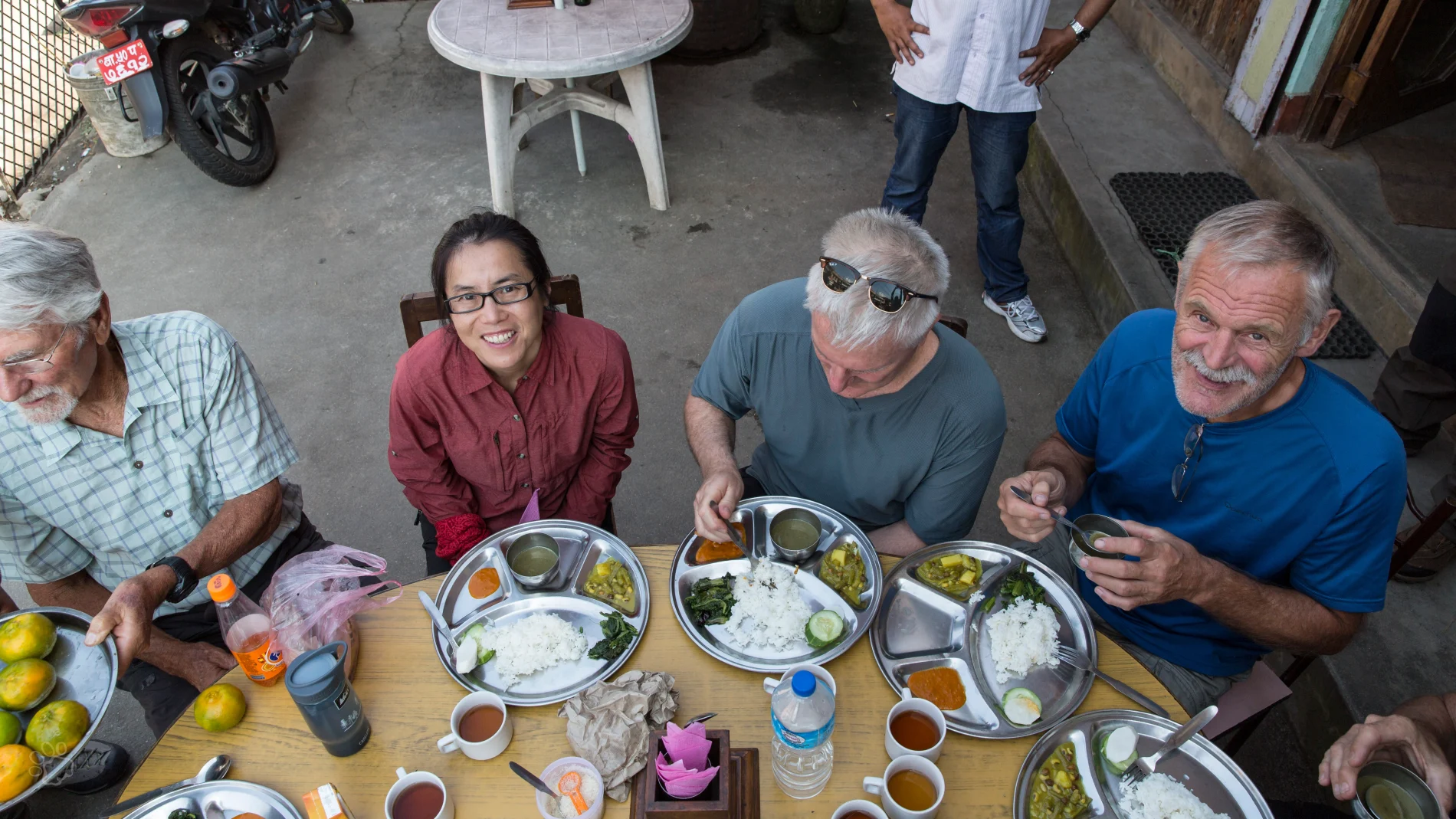
13/10/2026
Manaslu Circuit Trek After the October 2026 Floods: Trail Conditions, Safety and Travel Updates
The Manaslu Circuit Trek is one of Nepal’s most rewarding Himalayan journeys, taking trekkers through traditional...
Read more
13/10/2026
Your Nepal Trek Is Booked, but the Trail Is Closed: What Now?
Imagine arriving in Nepal with your trekking boots ready, your flights booked, your bags packed, and...
Read more