

Manang Village Nepal: A Hidden Gem of the Himalayas
Share:

 Read Time
This blog has 4865 words .This blog has 33468 characters.This blog take 16 minutes to read.
Nepal is famous for its towering mountains, ancient cultures, and breathtaking Himalayan landscapes, but some destinations still remain untouched by mass tourism. Manang Village is one of those special places where natural beauty, traditional lifestyle, and adventure come together. Located in the Annapurna region of Nepal, this beautiful mountain settlement offers travelers a chance to experience the peaceful atmosphere of the Himalayas while exploring the unique culture of local communities.
Situated at an altitude of around 3,519 meters above sea level, Manang is one of the most important settlements on the famous Annapurna Circuit Trek. Surrounded by magnificent peaks such as Annapurna II, Annapurna III, Gangapurna, and Tilicho Peak, the village sits in the upper Marsyangdi Valley with a dramatic landscape of dry hills, glaciers, and snow-covered mountains.
Although many trekkers know this destination as an acclimatization stop before crossing Thorong La Pass, there is much more to discover beyond trekking. The traditional stone houses, Buddhist monasteries, prayer flags, and warm hospitality of the Himalayan people make the Manang region a fascinating cultural destination. Travelers can explore ancient traditions, enjoy incredible mountain views, and understand how people have adapted to life in one of Nepal’s highest inhabited areas.
The charm of this remote Himalayan village comes from its perfect balance between adventure and authenticity. Whether you are walking through the Annapurna Circuit, visiting nearby natural attractions, or learning about local traditions, Manang Village Nepal provides an unforgettable experience that represents the true spirit of the Himalayas.
Where is Manang Village Located?
Manang Village is located in Manang District of Gandaki Province, Nepal, in the northern part of the country. It lies along the famous Annapurna Circuit route, between Pisang and Yak Kharka, inside the upper Marsyangdi Valley. The village is positioned in a high-altitude Himalayan landscape where the green hills gradually change into a dry and rocky trans-Himalayan environment.

Starts from
USD 665
Annapurna Base Camp Trek via Poon Hill – 12 days
The Annapurna Base Camp Trek via Poon Hill is the kind of journey that unfolds naturally over time. This...
Duration:
12 days
Max altitude:
4,130 meters at Annapurna Base Camp
At approximately 3,519 meters above sea level, Manang is surrounded by some of the most impressive mountains in the Annapurna range. The close presence of Gangapurna Glacier and the panoramic views of Annapurna peaks make this area one of the most scenic sections of the trekking route.
Because of its location, the settlement has become a major resting point for trekkers preparing for the challenging Thorong La Pass. However, the beauty of Manang Valley goes beyond trekking, as it preserves a unique Himalayan lifestyle shaped by geography, history, and Tibetan-influenced traditions.
History and Cultural Heritage of Manang Village
The history of Manang Village is deeply connected with the ancient Himalayan trade routes, where people from this remote valley maintained cultural and economic connections between Nepal and Tibet. For centuries, the locals were involved in trans-Himalayan trade, exchanging goods such as salt, wool, and grains across difficult mountain paths. This long connection with Tibet greatly influenced the language, traditions, architecture, and spiritual practices of the Manang region.
The people of Manang are known for preserving their unique Himalayan identity despite living in a challenging high-altitude environment. The Nyeshang people, along with Gurung and Ghale communities, have developed a lifestyle that reflects the influence of Tibetan Buddhism and traditional mountain practices. Their stone-built houses, prayer flags, monasteries, and mani walls represent the deep spiritual connection between the community and the surrounding mountains.
Starts from
USD 750
Annapurna Circuit Trek via Tilicho Lake – 15 days
The Annapurna Circuit Trek via Tilicho Lake is one of the most rewarding trekking journeys in Nepal, combining the...
Duration:
15 days
Max altitude:
5,416m at Thorong La Pass
Religion plays an important role in everyday life in Manang Village Nepal. Buddhist monasteries, locally known as gompas, are not only religious centers but also important parts of the community’s cultural heritage. Monasteries such as Braga Gompa preserve ancient Buddhist traditions, artworks, and spiritual practices that have been passed down through generations.
Although modern development has reached this remote valley, the people of Manang Valley still continue many traditional customs, festivals, and ways of living. Their respect for nature, strong community bonds, and dedication to protecting their heritage make this Himalayan settlement one of the most culturally fascinating destinations in Nepal.
The combination of ancient history, Tibetan-influenced culture, and mountain lifestyle makes Manang more than just a trekking stop; it is a place where visitors can experience the living traditions of the Himalayas.
Why Manang Village is a Hidden Gem of Nepal
Among the many Himalayan destinations of Nepal, Manang Village stands out because it offers a rare combination of natural beauty, ancient culture, and authentic mountain experiences. While many travelers visit the Annapurna region for trekking adventures, this remote settlement provides something beyond a normal trekkingstop. The peaceful surroundings, traditional lifestyle, and dramatic landscapes make Manang one of the most fascinating places in the Himalayas.
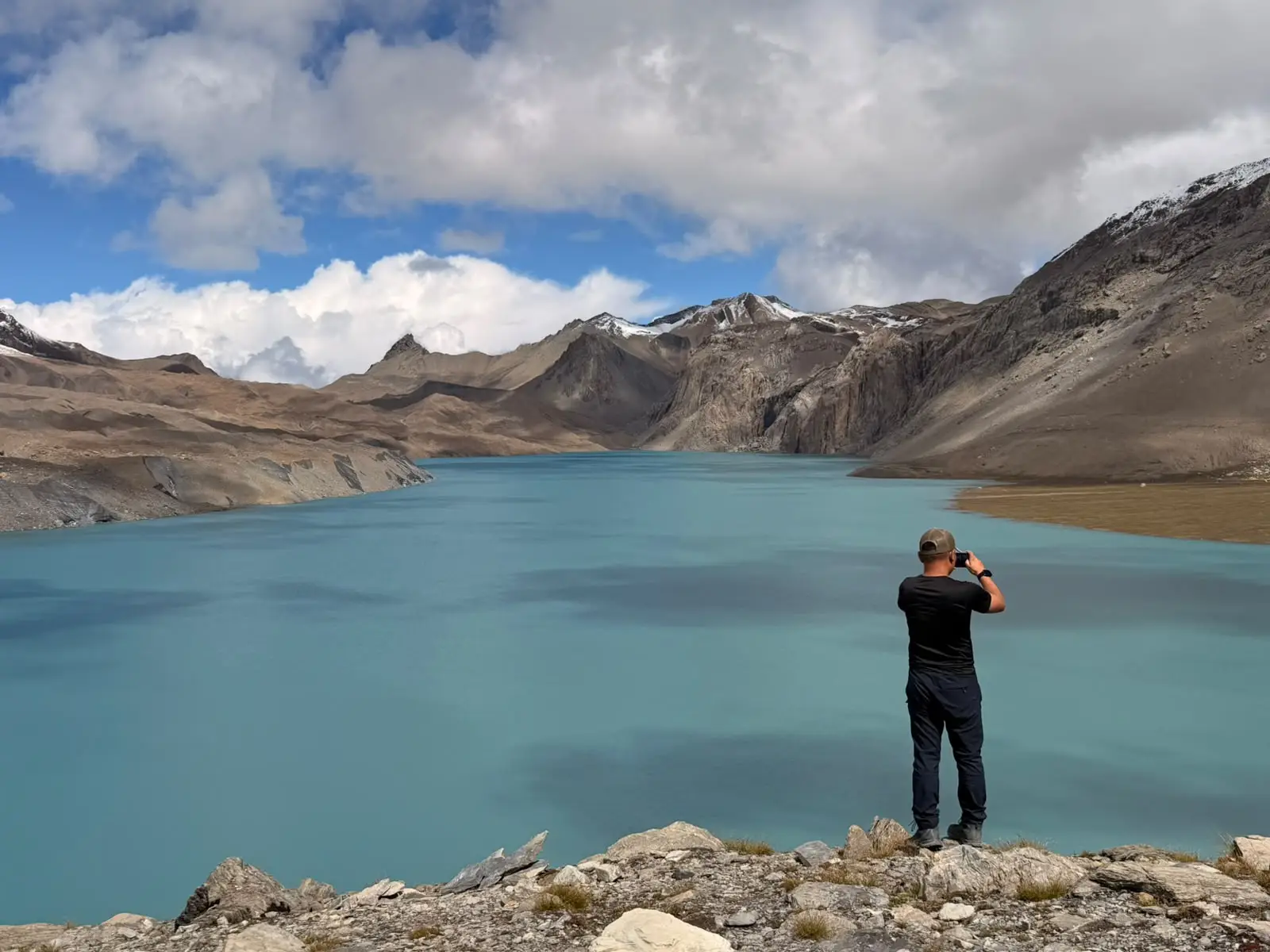
One of the main reasons this village is considered a hidden gem is its unique landscape. Unlike the green valleys found in lower parts of Nepal, Manang Valley has a dry and rugged environment influenced by the Himalayan rain-shadow region. The combination of rocky hills, glacier-fed lakes, snow-covered peaks, and clear blue skies creates a landscape that feels completely different from other parts of the country.
Starts from
USD 665
Annapurna Base Camp Trek via Poon Hill – 12 days
The Annapurna Base Camp Trek via Poon Hill is the kind of journey that unfolds naturally over time. This...
Duration:
12 days
Max altitude:
4,130 meters at Annapurna Base Camp
Another special attraction of Manang Village Nepal is its preserved Himalayan culture. The traditional stone houses, Buddhist monasteries, prayer wheels, and local customs reflect the deep connection between the people and their surroundings. Visitors can experience a lifestyle that has been shaped by centuries of mountain living, ancient trade routes, and Tibetan-influenced traditions.
Although the village has become an important stop during the Annapurna Circuit Trek, its importance goes far beyond trekking. Many trekkers spend an extra day here to adjust to the high altitude before crossing Thorong La Pass, but this time also allows them to explore the local culture, nearby viewpoints, and peaceful atmosphere.
The charm of Manang comes from its ability to preserve authenticity while welcoming travelers from around the world. From watching sunrise over the Annapurna peaks to walking through traditional alleys and meeting warm-hearted locals, every moment in this Himalayan settlement feels unique. This is why Manang Village truly deserves its reputation as one of Nepal’s hidden treasures.
Manang Village and Annapurna Circuit Trek
The connection between Manang Village and the Annapurna Circuit Trek is one of the most important parts of the Himalayan journey. Located at around 3,519 meters above sea level, this mountain settlement is considered a key acclimatization point before trekkers move toward the challenging Thorong La Pass (5,416 meters). Most trekking itineraries include a rest day in Manang because it allows the body to gradually adjust to the increasing altitude before entering the higher Himalayan region.
During the Annapurna Circuit adventure, reaching Manang feels like entering a completely different world. The lush landscapes from the lower Marsyangdi Valley slowly change into dry, rocky terrain surrounded by impressive Himalayan peaks. Trekkers can enjoy breathtaking views of Annapurna II, Annapurna III, Gangapurna, and Tilicho Peak while exploring the unique environment of this high-altitude village.
The acclimatization day in Manang Village Nepal is not only about resting but also about exploring the surrounding attractions. Many travelers take short hikes to places such as Gangapurna Lake, Ice Lake, Praken Gompa, and nearby viewpoints to help their bodies adapt while enjoying spectacular mountain scenery. These side trips make the stay in Manang more memorable and meaningful.
Beyond its trekking importance, the village also provides essential facilities for trekkers, including teahouses, bakeries, shops, and health services. Because of its location and resources, Manang has become a vital stop where travelers prepare both physically and mentally before crossing one of Nepal’s most famous high mountain passes.
For many trekkers, the Annapurna Circuit is not only about reaching Thorong La Pass; the time spent in Manang Valley becomes one of the most memorable experiences of the entire journey. The combination of Himalayan views, local culture, and peaceful surroundings makes this destination an unforgettable highlight of Nepal’s trekking routes.
Humde Airport: The Historic Airport of Manang
While exploring Manang Village, many travelers are surprised to learn about Humde Airport, a historic airport located in the beautiful Manang Valley. Also known as Manang Airport, this high-altitude airport was once an important transportation link for the remote Himalayan district. It started operations on 28 February 1981 and helped connect local people and visitors with Pokhara before road access reached this isolated region.
Located at an elevation of around 3,381 meters above sea level, Humde Airport was one of Nepal’s highest airports. In the past, Nepal Airlines and other small aircraft services operated flights between Pokhara and Manang, making travel easier for locals, traders, and trekkers. However, after road connections gradually improved toward Manang, the number of passengers using air services decreased, and regular flights became difficult to operate.
The airport was closed for regular operations around 2012–2013. Although the runway was later upgraded, extended, and blacktopped with the hope of restarting flights, regular commercial services could not continue because of limited passengers, difficult mountain weather conditions, and operational challenges for airlines.
Today, Humde Airport remains a fascinating historical landmark of the Manang region. Although planes no longer regularly land here, the airport represents the challenges of transportation in Nepal’s remote Himalayas and reminds visitors how important air connectivity once was for communities living in high mountain areas.
Festivals and Cultural Celebrations in Manang Village
The beauty of ManangVillage is not only limited to its mountains and trekking trails; the rich traditions and festivals of the local people make this Himalayan settlement even more special. Festivals in Manang represent the deep connection between the community, nature, Buddhism, and the traditional lifestyle that has been preserved for generations. These celebrations provide visitors with a chance to experience the authentic cultural side of the high Himalayas.
Yartung Festival: The Traditional Horse Festival of Manang
Among the various celebrations in the region, Yartung Festival is one of the most unique and exciting cultural events of Manang Village Nepal. Also known as the horse racing festival, Yartung is celebrated in Upper Manang and reflects the historical importance of horses in Himalayan life. Traditionally, horses played an important role in transportation, trade, and survival in these remote mountain valleys.
During the festival, local riders gather wearing traditional clothes and participate in horse racing, cultural performances, dancing, and community gatherings. The event is not only about competition but also about celebrating friendship, good harvest, and preserving the cultural identity of the Manang region. Riders demonstrate their skills while the entire community comes together with happiness and excitement.
Yartung is usually celebrated during the summer period according to the Tibetan lunar calendar, with different villages of Upper Manang organizing celebrations on different days. Visitors who plan their Annapurna Circuit Trek during this period may get a rare opportunity to witness this traditional Himalayan festival and experience the living culture of the local people.
Other Cultural Celebrations in Manang
Apart from Yartung, Manang Valley also celebrates various Buddhist and local cultural events throughout the year. Festivals such as Lhosar (Tibetan New Year) and monastery-based religious ceremonies are important parts of community life. During these occasions, locals gather at monasteries, perform traditional rituals, and pray for peace, prosperity, and harmony.
The festivals of Manang are more than simple celebrations; they are a reflection of the resilience, unity, and spiritual values of people living in one of Nepal’s most remote Himalayan areas. For travelers, experiencing these traditions adds a deeper meaning to their journey through this hidden gem of Nepal.
Top Attractions Around Manang Village
The beauty of Manang Village is not only found in its traditional lifestyle and mountain scenery but also in the incredible natural and cultural attractions surrounding the area. During the Annapurna Circuit Trek, many travelers spend an extra day in Manang to explore these nearby destinations while allowing their bodies to adjust to the high altitude. From glacial lakes to ancient monasteries, every attraction around the valley offers a different experience of Himalayan beauty.
Gangapurna Lake and Glacier
Located close to Manang Village, Gangapurna Lake is one of the most beautiful natural attractions in the region. This turquoise glacial lake is formed by the melting water of the Gangapurna Glacier and sits beneath the impressive Gangapurna Mountain. The short walk from the village makes it a popular place for trekkers looking for a peaceful spot to enjoy mountain views and photography.
The surrounding landscape of the lake creates a perfect Himalayan scene, with rocky cliffs, glaciers, and snow-covered peaks reflecting on the calm water. For many visitors, a visit to Gangapurna Lake becomes one of the most memorable experiences while staying in the Manang Valley.
Ice Lake (Kicho Tal)
For trekkers looking for adventure and incredible views, Ice Lake is one of the most rewarding hikes from Manang. Located at around 4,600 meters above sea level, this high-altitude lake requires a challenging uphill hike, but the panoramic views from the top make the effort worthwhile.
From Ice Lake, visitors can enjoy spectacular views of Annapurna II, Annapurna III, Gangapurna, Tilicho Peak, and surrounding Himalayan ranges. Besides offering breathtaking scenery, this hike also helps trekkers prepare physically for the higher sections of the Annapurna Circuit before crossing Thorong La Pass.
Praken Gompa
Perched on a hillside above Manang Village, Praken Gompa is an important Buddhist site known for its peaceful environment and spiritual significance. The short but steep hike to this monastery provides excellent views of the entire valley and surrounding mountains.
Many trekkers visit Praken Gompa before continuing toward Thorong La Pass because locals believe receiving blessings from the monastery brings good fortune and safety during the journey. The combination of spirituality, culture, and mountain scenery makes this place a special attraction in the Manang region.
Milarepa Cave
Milarepa Cave is another fascinating destination near Manang Valley, connected with the famous Tibetan Buddhist saint and poet Milarepa. According to local belief, Milarepa meditated in this cave during his spiritual journey through the Himalayas.
The peaceful surroundings, religious importance, and incredible views from the area attract both trekkers and spiritual travelers. Visiting this hidden site provides a deeper understanding of the Buddhist traditions and historical connections preserved in the mountains of Manang.
Local Lifestyle and Culture of Manang Village
The unique charm of Manang Village comes not only from its mountains but also from the traditional lifestyle of the people who have adapted to one of Nepal’s most challenging environments. Living above 3,500 meters, the communities of Manang have developed their own way of life based on nature, seasonal changes, and centuries-old Himalayan traditions. The local people, mainly from the Nyeshang community, have preserved their cultural identity through their language, festivals, architecture, and spiritual practices.
The daily life in Manang Valley is closely connected with agriculture, livestock, and tourism. Due to the cold and dry climate, farming is limited, but locals traditionally grow crops such as barley, buckwheat, wheat, and potatoes. Yak, sheep, and other livestock play an important role by providing milk, meat, wool, and transportation support in the high Himalayan landscape.
Walking through the village, visitors can observe traditional stone houses built to protect families from harsh winters. The narrow paths, prayer wheels, mani walls, and Buddhist monasteries reflect the strong spiritual connection of the community. Buddhism has a major influence on the lifestyle of people in upper Manang, where religious practices and monastery traditions remain an important part of everyday life.
Food culture is another interesting part of the Manang Village Nepal experience. Local dishes are influenced by Tibetan and Himalayan traditions, with foods such as thukpa, tsampa, yak products, and traditional bread being popular among local communities and visitors. These foods are specially prepared to provide energy and warmth in the cold mountain climate.
Although tourism has brought modern facilities to the area, the people of Manang continue to protect their traditional values and community lifestyle. Their warm hospitality, respect for nature, and connection with Himalayan culture make this destination more than just a trekking stop; it is a place where travelers can experience the authentic spirit of mountain life.
Weather and Climate of Manang Village
The weather of Manang Village is strongly influenced by its high altitude and location in the rain-shadow area of the Annapurna and Dhaulagiri mountain ranges. Unlike many parts of Nepal that receive heavy monsoon rainfall, the Manang region remains comparatively dry because the mountains block much of the rain-carrying clouds. This creates a unique landscape with dry hills, clear skies, and a cold Himalayan climate.
Because of its elevation above 3,500 meters, temperatures in Manang can change quickly between day and night. Days are often sunny and comfortable during trekking seasons, while mornings and nights can become extremely cold, especially during winter. The temperature generally decreases as altitude increases, making proper clothing and preparation important for visitors exploring this high-altitude destination.
During spring, Manang Village Nepal experiences pleasant conditions with clear mountain views and warmer daytime temperatures. Summer is influenced by the monsoon, but the valley remains relatively dry compared to lower areas because of its rain-shadow location. Autumn is known for stable weather and excellent visibility, while winter brings heavy snowfall, freezing temperatures, and a quieter atmosphere in the Himalayan valley.
Season Months Weather Experience in Manang
Spring March to May Pleasant days, clear views, comfortable trekking conditions
Summer/Monsoon June to August Dry valley, occasional clouds, colder mornings and evenings
Autumn September to November Clear skies, excellent mountain views, popular trekking period
Winter December to February Very cold weather, snowfall, challenging conditions
The changing climate adds another layer of beauty to Manang Valley. Whether covered with fresh snow in winter or surrounded by clear Himalayan skies in autumn, every season offers a different experience. However, travelers should always prepare for sudden weather changes because mountain conditions can be unpredictable.
For trekkers visiting through the Annapurna Circuit Trek, understanding the climate of Manang is essential because this area is not only a beautiful destination but also an important acclimatization point before heading toward higher elevations and Thorong La Pass.
How to Reach Manang Village
Reaching Manang Village is an adventure in itself because the journey takes travelers through beautiful valleys, rivers, mountain villages, and dramatic Himalayan landscapes. Located in the remote northern part of Nepal, this destination cannot be reached by a normal highway journey. Most visitors reach Manang through the famous Annapurna Circuit route, following the Marsyangdi River valley and gradually moving toward higher elevations.
The traditional way to reach Manang Village Nepal starts from Kathmandu or Pokhara, followed by a drive to Besisahar, the main gateway of the Annapurna region. From Besisahar, travelers continue through mountain roads passing places like Dharapani and Chame before reaching the upper parts of the valley. Many trekkers prefer to start walking from Chame or nearby areas because it allows better altitude adjustment and provides more time to enjoy the Himalayan scenery.
For those who have limited time, a jeep journey is also possible. The road network now connects lower areas of the Annapurna Circuit with Manang, allowing travelers to reach the village by four-wheel-drive vehicles. However, the mountain road can be rough, narrow, and challenging because of the high-altitude terrain and changing weather conditions.
Another historic option connected with the Manang region is Humde Airport, located near the village. Although regular flights are currently not operating, the airport once provided air connectivity between Manang and other parts of Nepal. Today, most travelers reach this Himalayan settlement by road or trekking routes.
The journey to Manang Valley is not only about reaching the destination; the route itself is a memorable Himalayan experience. As travelers move higher, the landscape changes from green hills and forests to dry mountain cliffs, glaciers, and snow-covered peaks, making the arrival at Manang even more rewarding.
Food and Accommodation in Manang Village
Despite being a remote Himalayan settlement, Manang Village provides comfortable facilities for trekkers traveling through the Annapurna Circuit. Over the years, tourism has helped develop many teahouses, lodges, bakeries, and small restaurants where visitors can rest, enjoy local meals, and experience the warm hospitality of the mountain communities. Although the facilities are simpler compared to cities, they provide everything necessary for a comfortable stay in this high-altitude destination.
Accommodation in Manang mainly consists of family-run teahouses and lodges. These places offer basic but cozy rooms with beds, blankets, shared or private bathrooms depending on the lodge, and common dining areas where trekkers from different countries gather together. Staying in local lodges also gives visitors an opportunity to interact with the people of Manang Valley and learn more about their traditional lifestyle.
The food available in Manang Village Nepal is a mixture of traditional Nepali dishes, Tibetan-influenced cuisine, and common trekking meals. Dal Bhat, the famous Nepali combination of rice, lentils, and vegetables, remains one of the most popular choices among trekkers because it provides energy for long mountain walks. Other common foods include noodles, momo, soups, Tibetan bread, pasta, and bakery items.
Because of the cold Himalayan environment, warm and nutritious meals are especially important in Manang. Many lodges also serve hot drinks such as tea, coffee, and herbal beverages to help travelers stay comfortable during chilly mornings and evenings. Some places even offer bakery products, making the village a pleasant surprise for trekkers after days of walking through remote mountain trails.
The accommodation and food experience in Manang Village reflects the balance between traditional mountain living and modern trekking needs. While visitors should not expect luxury facilities, the peaceful environment, local hospitality, and beautiful Himalayan surroundings make staying here a memorable part of the Annapurna Circuit journey.
Things to Know Before Visiting Manang Village
Visiting Manang Village is an unforgettable Himalayan experience, but proper preparation is important because this destination is located at a high altitude with challenging mountain conditions. Understanding the environment, respecting local traditions, and preparing physically can make your journey safer and more enjoyable.
One of the most important things to consider before visiting Manang is altitude awareness. Located at around 3,519 meters above sea level, the village is a major acclimatization point during the Annapurna Circuit Trek. Travelers should walk slowly, stay hydrated, and give their bodies enough time to adjust before moving toward higher elevations such as Thorong La Pass. Paying attention to your health can help reduce the risk of altitude-related problems.
The weather in Manang Valley can change quickly, so carrying suitable clothing is essential. Even during warmer months, mornings and nights can be cold because of the high elevation. Warm layers, a good jacket, comfortable trekking shoes, sunglasses, sunscreen, and personal medicines should be included in your packing list.
Respecting the local culture is another important part of traveling in this Himalayan community. The people of Manang Village Nepal have preserved their traditional Buddhist heritage for generations. Visitors should dress respectfully when visiting monasteries, avoid disturbing religious activities, and ask permission before taking photographs of local people.
Travelers should also remember that facilities in Manang are limited compared to urban areas. Although the village has teahouses, shops, internet services, and basic medical facilities, it is still a remote mountain destination. Carrying essential items and preparing mentally for a simple Himalayan lifestyle will make the experience more comfortable.
Responsible tourism is highly encouraged when visiting this hidden gem of Nepal. Protecting nature, avoiding unnecessary waste, supporting local businesses, and respecting the traditions of the community help preserve the beauty and culture of Manang Village for future generations.
Why Choose Silver Moon Adventure for Manang Village Experience
Exploring Manang Village is not just about reaching a destination; it is about experiencing the culture, landscapes, and traditions of the Himalayas in a safe and meaningful way. Choosing the right trekking partner can make your journey smoother because high-altitude adventures require proper planning, local knowledge, and experienced guidance.
Silver Moon Adventure and tour specializes in creating memorable Nepal trekking experiences with carefully designed itineraries that focus on safety, comfort, and authentic exploration. Our experienced trekking team understands the challenges of the Annapurna region and helps travelers enjoy the beauty of Manang Valley while following proper acclimatization practices.
During the journey to Manang Village Nepal, our team provides support with transportation arrangements, experienced guides, accommodation planning, and necessary trekking information. Because every traveler has different expectations, we focus on creating personalized experiences that allow visitors to explore Himalayan landscapes, local culture, and hidden attractions at a comfortable pace.
With Silver Moon Adventure, travelers can discover more than just mountain views. We help you experience the traditional lifestyle of the Manang region, visit important cultural sites, understand local traditions, and enjoy the unforgettable moments that make the Annapurna Circuit Trek special.
Whether you are a first-time trekker or an experienced adventurer, traveling with a reliable local trekking company allows you to explore Manang Village with confidence. Our goal is to provide a safe, responsible, and memorable Himalayan journey while helping travelers connect deeply with the natural and cultural beauty of Nepal.
Conclusion: Manang Village: A Hidden Gem of Nepal
Manang Village is a destination where breathtaking Himalayan landscapes, ancient traditions, and authentic mountain lifestyles come together. From its dramatic surroundings of Annapurna peaks and glaciers to its unique Tibetan-influenced culture, this beautiful settlement offers an experience that goes far beyond a normal trekking destination.
Located along the famous Annapurna Circuit Trek, Manang plays an important role as a place for acclimatization before crossing Thorong La Pass. However, the true beauty of this Himalayan village lies in its peaceful environment, traditional stone houses, Buddhist monasteries, local festivals, and the warm hospitality of the people who call this valley home.
Exploring Manang Valley allows travelers to discover hidden attractions such as Gangapurna Lake, Ice Lake, Praken Gompa, and the historic Humde Airport while learning about the traditions that have been preserved for generations. The colorful celebrations like Yartung Festival also show the deep cultural connection between the community and their Himalayan heritage.
For those seeking adventure, culture, and a meaningful connection with nature, Manang Village Nepal is a place that creates unforgettable memories. With proper preparation and a responsible travel approach, a journey to this hidden gem of Nepal becomes more than just a trek; it becomes a lifetime Himalayan experience.
Plan your journey with Silver Moon Adventure and discover the beauty, culture, and unforgettable charm of Manang Village, one of Nepal’s most remarkable Himalayan treasures.
FAQs
1. Where is Manang Village located?
ManangVillage is located in Manang District of Gandaki Province, Nepal. It lies in the upper Marsyangdi Valley along the famous Annapurna Circuit Trek route and is surrounded by spectacular Himalayan peaks, including Annapurna II, Annapurna III, Gangapurna, and Tilicho Peak.
2. What is the altitude of Manang Village?
Manang Village is situated at an altitude of approximately 3,519 meters (11,545 feet) above sea level. Due to its high elevation, trekkers usually spend an acclimatization day here before continuing toward Thorong La Pass.
3. Why is Manang Village famous?
Manang is famous for its stunning Himalayan scenery, Tibetan-influenced culture, traditional lifestyle, Buddhist monasteries, and its importance as a major stop during the Annapurna Circuit Trek. It is also known for attractions like Gangapurna Lake, Ice Lake, and Praken Gompa.
4. How many days does it take to reach Manang Village?
The time required to reach Manang Village depends on the starting point and travel style. Generally, it takes around 5–7 days from Besisahar through the Annapurna Circuit trekking route. Travelers using road transportation can reach closer areas faster, but trekking is the best way to experience the region.
5. Is Manang Village difficult to visit for beginners?
Manang itself is not technically difficult to reach, but the high altitude can be challenging for beginners. Proper acclimatization, slow walking, hydration, and a well-planned itinerary are important for a safe experience.
6. What is the best way to reach Manang Village?
The most popular way to reach Manang is through the Annapurna Circuit Trek route starting from Besisahar. Travelers can also use local jeep services on available road sections, while Humde Airport remains closed for regular commercial flights.
7. What can I do in Manang Village during an acclimatization day?
During an acclimatization day, visitors can explore nearby attractions such as Gangapurna Lake, Gangapurna Glacier, Ice Lake, Praken Gompa, and local viewpoints. It is also a great time to experience the culture and lifestyle of the local community.
8. Is there internet and electricity available in Manang Village?
Yes, basic internet and electricity facilities are available in many lodges and teahouses. However, services may be limited or slower compared to cities because of the remote Himalayan location.
9. What kind of accommodation is available in Manang Village?
Accommodation in Manang mainly includes teahouses and small lodges. These provide basic rooms, meals, and essential facilities for trekkers. Some lodges also offer private rooms and additional services depending on availability.
10. When is Yartung Festival celebrated in Manang?
Yartung Festival is a traditional horse racing festival celebrated in the upper Manang region. It usually takes place during the summer period according to the Tibetan lunar calendar and includes horse racing, cultural performances, prayers, and community celebrations.
11. Can I visit Manang Village without doing the Annapurna Circuit Trek?
Yes, it is possible to visit Manang Village without completing the entire Annapurna Circuit Trek by using available road transportation. However, trekking remains the most rewarding way to experience the landscapes, villages, and culture of the region.
12. Is Manang Village safe for solo travelers?
Yes, Manang is generally safe for solo travelers. However, because it is a high-altitude Himalayan destination, travelers should be prepared for changing weather, altitude challenges, and remote mountain conditions.

Similar Blogs
View all
13/10/2026
Manaslu Circuit Trek After the October 2026 Floods: Trail Conditions, Safety and Travel Updates
The Manaslu Circuit Trek is one of Nepal’s most rewarding Himalayan journeys, taking trekkers through traditional...
Read more
13/10/2026
Your Nepal Trek Is Booked, but the Trail Is Closed: What Now?
Imagine arriving in Nepal with your trekking boots ready, your flights booked, your bags packed, and...
Read more