

Langtang Valley Trek In Winter
Share:

 Read Time
This blog has 7081 words .This blog has 39730 characters.This blog take 24 minutes to read.
The Langtang Valley Trek in Winter is a choice for people who like quiet mountain trails and clear views of the Himalayas. The Langtang Valley Trek in Winter is very peaceful. From December to February the Langtang region looks really beautiful with snow on the mountains and frozen streams. The villages are also very quiet. It is cold in the winter. The sky is usually clear which is great for taking pictures of the mountains. The Langtang Valley Trek in Winter is a time for people who like photography and walking in the mountains.
One good thing about the Langtang Valley Trek in Winter is that there are not people on the trails. In the spring and autumn there are a lot of people. In the winter you can walk at your own pace. The air is fresh. The forests are covered in snow, which makes it very peaceful. Many people who have done a lot of trekking like the Langtang Valley Trek in Winter because it is so quiet. If you want to have a time in the Himalayas, the Langtang Valley Trek in Winter is a good option.
The weather for the Langtang Valley Trek in Winter is usually dry and sunny which means you can see a lot of things clearly. However it can get very cold at night in places like Kyanjin Gompa. So you need to have clothes and be well prepared.
On the Langtang Valley Trek in Winter you will see villages and dense forests. You will also see valleys before you get to Kyanjin Gompa. Kyanjin Gompa is an important place for the people who live in the Langtang region. If the weather is good you can also hike to Tserko Ri, where you can see the Langtang Lirung mountain and other mountains covered in snow. The Langtang Valley Trek, in Winter is an experience if you have the right equipment and you are prepared. It is one of the times to do the Langtang Valley Trek if you want to be alone and see the mountains in a pristine state.
Why Choose the Langtang Valley Trek in Winter?
The Langtang Valley Trek in Winter is a choice for people who like to walk on quiet trails and see beautiful snow-covered mountains. I think winter is a time to go because there are not many people around. This means you can enjoy the peacefulness of the Langtang National Park.
One of the things about the Langtang Valley Trek in Winter is that you can see the mountains really clearly. The Langtang Valley Trek Weather in Winter is usually dry and calm with skies. This makes it perfect for looking at the mountains like Langtang Lirung, Gangchempo, Dorje Lakpa and other mountains around it. The snow on the ground also looks really nice against the sky. It is great for taking pictures. Just looking around.
I also like the Langtang Valley Trek in Winter because it is so quiet. Not many people go trekking in the winter so the trails and teahouses are not crowded. This means you can walk at your speed and enjoy the views without any distractions. You can also talk to the Tamang people and learn about their lives. The quietness of the place helps you hear the sounds of nature and see how beautiful the Himalayas are.
The whole place looks like a winter wonderland with snow on the trees, frozen rivers and pretty villages. The Langtang Valley Trek Temperature in Winter is cold. If you wear the right clothes it is not a problem. If you are ready for the cold, the Langtang Valley Trek in Winter is a choice. You will see views learn about the local culture and have a great time trekking in the Himalayas. The Langtang Valley Trek, in Winter is really an experience.
Langtang Valley Trek Weather in Winter
The Langtang Valley Trek weather in winter is usually dry and stable which is perfect for people who like the mountain air and can see for miles. Winter in the Langtang region is from December to February. It is cold with some snow and lots of sunshine. Even though it can be really harsh in the areas the good thing is that the weather does not change much so it is a great time for the Langtang Valley Trek if you are ready for it.
One of the things about the Langtang Valley Trek weather in winter is that you can see really far. The sky is usually clear from morning to afternoon so you can see Langtang Lirung and the other big mountains in the Himalayas really clearly. The air is also very dry which is great for taking pictures of the mountains with snow on them the rivers and the beautiful mountainsides. Sometimes it snows, around Kyanjin Gompa and in the higher areas, which makes the trek even more beautiful.
When the sun is out it is usually nice and warm. It gets really cold in the mornings and evenings. So it is an idea to start walking after the sun comes up wear warm clothes and be ready for it to get really cold after the sun goes down. The weather in the mountains can change quickly so you should always carry extra warm clothes and a waterproof jacket.
The Langtang Valley Trek weather in winter is great for people who like the cold but do not want the weather to change all the time. With skies, new snow and not many people on the trails the Langtang Valley Trek in winter is a very different experience from the spring and autumn seasons, which are much busier. The Langtang Valley Trek, in winter is a time to go if you want to see the Himalayas in a different way.
Langtang Valley Trek Temperature in Winter
The Langtang Valley Trek gets quite cold in Winter. From December to February it gets colder as you go higher. It freezes in the higher parts. So knowing the temperature is important for planning your clothes, gear and trek schedule.
At places like Syabrubesi and nearby villages it is around 8°C to 15°C during the day making hiking okay under clear skies. At night it drops to around 0°C to 5°C. As you go higher into Langtang National Park it gets colder. Around Kyanjin Gompa daytime temperatures are usually 2°C to 8°C and nighttime temperatures often go down to -10°C or even lower in January.
If you plan to hike to Tserko Ri it will be freezing before sunrise. Strong winds make it feel even colder. So wearing layers like clothes, a warm jacket, gloves and a hat is key to staying comfortable on the Langtang Valley Trek in Winter.
Overall the Langtang Valley Trek in Winter can be tough. The cold weather is balanced by clear skies and great Himalayan views. With the gear and prep the Langtang Valley Trek, in Winter is a great trek offering peaceful trails and amazing mountain views.

Starts from
USD 790
Langtang Gosainkunda Trek- 14 days
The Langtang Gosainkunda Trek is one of the most beautiful and diverse trekking experiences in Nepal. This 14-day Himalayan...
Duration:
14 days
Max altitude:
4,800m at Kyanjin Ri
Langtang Valley Trek Trail Conditions in Winter
The Langtang Valley Trek is really nice in the winter. The trail is usually stable and easy to walk on. It gets harder when you go higher up. When you do the Langtang Valley Trek in the winter the lower parts of the trail are dry and easy to follow. This is because winter is one of the times of the year in Nepal.
However it snows a lot near Kyanjin Gompa and Tserko Ri, which can make the trail slippery or covered in snow.
In the parts of Langtang National Park you walk on nice trails, stone steps and suspension bridges. These are easy to use in the winter. The dry weather means the trails are not muddy which makes walking more comfortable than during the season. When you go higher up it can snow on the trail after a big winter storm. So you have to be careful and listen to what your guide says.
If you want to go to Tserko Ri you should always check the trail first. You can usually get to the viewpoint when you do the Langtang Valley Trek in the winter.. Sometimes the trail can be hard to climb because of a lot of snow or ice. In these cases using trekking poles and special spikes on your shoes can help you feel more stable and confident on the ground.
The Langtang Valley Trek is an idea in the winter if you are prepared and in decent shape. You also need the equipment for the winter. The snow and ice can make it harder when you go higher up. They also make the trek really beautiful. If you get ready and are flexible the Langtang Valley Trek in the winter is an adventure. The Langtang Valley Trek, in the winter is safe and really scenic. You will never forget it. The Langtang Valley Trek is an experience.
Langtang Valley Trek Mountain Views in Winter
The Langtang Valley Trek in Winter is really something because of the amazing mountain views. Winter is a time to go because the air is dry and the sky is usually clear which means you can see really far. This makes the Langtang Valley Trek in Winter one of the times to see the Himalayan mountains. For people who like to hike and take pictures the Langtang Valley Trek in Winter is a choice.
When you are walking through Langtang National Park you will see some beautiful mountains like Langtang Lirung, Gangchempo, Dorje Lakpa, Yala Peak and some other big snowy peaks. The snow that falls in the winter makes the mountains look more amazing against the blue sky. Every morning is a chance to see some really beautiful landscapes that are not crowded with people.
The views of the mountains get even better when you get to Kyanjin Gompa. From here you can see glaciers, frozen rivers and big mountains around you. If the weather is good you can also hike to Tserko Ri, which has one of the views in the Langtang region. From the top you can see Langtang Lirung, the Langtang range and the valleys below all covered in snow.
The Langtang Valley Trek mountain views in Winter are some of the best you will see in Nepal. The Langtang Valley Trek in Winter is an experience because the trails are quiet the air is fresh and you can see really far. This makes the Langtang Valley Trek in Winter a special experience, for anyone who wants to see some amazing mountain scenery.
Langtang Valley Trek Landscapes in Winter
The Langtang Valley Trek Landscapes in Winter are really something. When winter comes the Langtang Valley Trek is covered in snow and this makes the whole place look very peaceful and pretty from the lower valleys to the high meadows. So the Langtang Valley Trek in Winter is a choice for people who like walking on snow-covered trails seeing frozen rivers and being in quiet mountains. Every part of the Langtang Valley Trek in Winter is different which makes the whole trip very nice to look at and remember.
When you walk through the Langtang National Park you will see pine and rhododendron forests with snow on them. Frozen streams and old villages with white mountains all around. The sky is very clear in winter, which means the sun can shine on the snow. This makes the Langtang Valley Trek Landscapes look even more beautiful with the blue sky and the white mountains. Even though the plants are not as colorful as they are in spring the snow makes everything look very calm and nice which is what makes winter so special.
It gets even better when you get to Kyanjin Gompa, where you can see glaciers, steep cliffs and mountains with snow on them. If you walk up to Tserko Ri you can see the Langtang Lirung and the mountains around it rising up above the valleys with snow on them. The new snow, the air and the big mountains all come together to make every view really amazing.
The Langtang Valley Trek Landscapes in Winter show the Himalayas in a pure way. The Langtang Valley Trek in Winter has surroundings, perfect snow and a great mountain background, which makes it one of the most beautiful and memorable winter treks in Nepal and the Langtang Valley Trek, in Winter is really something you should see.
Langtang Valley Trek Crowds and Trekking Experience in Winter
The Langtang Valley Trek is really different in the winter. This is because not many people go trekking in Nepal during the winter. So when you do the Langtang Valley Trek in the winter you will see few people. You can walk on the trails. It will be very peaceful. The teahouses will be quiet. You can have a really relaxed time from start to finish. If you like being alone and not seeing people then winter is a great time to go to the Langtang region.
One of the things about doing the Langtang Valley Trek in the winter is that you can see the Langtang National Park without all the crowds. You do not have to walk with a lot of people. You can just walk at your pace and listen to the sounds of nature. The forests will be covered in snow. The streams will be frozen. The air will be crisp. It will be very calm. This is something you cannot experience when it is peak season.
When it is winter you can also talk to the Tamang people more. The teahouses are not busy so the owners have time to talk to you. They can tell you about their traditions. What it is like to live in the mountains. They can also tell you about the history of the Langtang region. You can also choose where you want to stay. It is not hard to find a place.
The Langtang Valley Trek will be colder in the winter.. It is really worth it. The mountains are beautiful. The people are very friendly. The Langtang Valley Trek in the winter is a way to see the Himalayas. You can see the mountains and you can walk on quiet trails. This is why the Langtang Valley Trek in the winter is one of the treks, in Nepal.
Pros of the Langtang Valley Trek in Winter
1. Crystal-Clear Mountain Views
One of the greatest advantages of the Langtang Valley Trek in Winter is the exceptional mountain visibility. The Langtang Valley Trek Weather in Winter is usually dry, with clear skies and very little haze. As a result, you’ll enjoy spectacular views of Langtang Lirung, Gangchempo, Dorje Lakpa, and other Himalayan peaks throughout the trek. For photographers, winter provides some of the best lighting and visibility of the entire year.
2. Peaceful Trails and Fewer Trekkers
The Langtang Valley Trek in Winter is much quieter than during spring and autumn. Since fewer people trek in winter, you’ll enjoy peaceful trails, uncrowded viewpoints, and a more relaxed atmosphere. Moreover, the quieter environment allows you to appreciate the beauty of Langtang National Park without the distractions of large trekking groups.
3. Stunning Snow-Covered Landscapes
Fresh snowfall transforms the Langtang region into a spectacular winter wonderland. Snow-covered forests, frozen rivers, alpine meadows, and traditional Tamang villages create unforgettable scenery throughout the Langtang Valley Trek in Winter. Furthermore, the contrast between the bright blue sky and white mountain peaks makes every viewpoint even more impressive.
4. Easier Access to Accommodation
Because winter is an off-season for trekking, most teahouses have plenty of available rooms. Therefore, finding accommodation during the Langtang Valley Trek in Winter is generally easy, and you’ll often receive more personalized hospitality from local lodge owners. The quieter environment also creates a more comfortable and relaxing trekking experience.
5. A True Himalayan Winter Experience
The Langtang Valley Trek in Winter offers a unique opportunity to experience the Himalayas in their purest form. From walking through snow-covered trails to enjoying peaceful mornings at Kyanjin Gompa and witnessing the majestic beauty of Langtang Lirung, winter provides an authentic mountain adventure that few trekkers experience. With proper preparation, it becomes one of the most memorable Winter Treks in Nepal.
Cons of the Langtang Valley Trek in Winter
1. Extremely Cold Temperatures
The biggest challenge of the Langtang Valley Trek in Winter is the cold weather. The Langtang Valley Trek Temperature in Winter often drops well below freezing at higher elevations, especially around Kyanjin Gompa and Tserko Ri. Therefore, proper winter clothing, insulated sleeping gear, and layered clothing are essential for staying warm and comfortable throughout the trek.
2. Snow and Ice Can Make Trails More Challenging
Although the Langtang Valley Trek Trail Conditions in Winter are generally stable, fresh snowfall and icy sections can make higher parts of the trail more difficult to navigate. As a result, trekkers need to walk carefully, particularly on steep ascents and descents. Moreover, carrying trekking poles and microspikes can greatly improve stability on frozen trails.
3. Shorter Daylight Hours
Winter days are much shorter than in other trekking seasons. Consequently, you’ll have fewer hours for walking each day and will need to start your trek early every morning. Careful planning is important to ensure you reach your destination before sunset, as temperatures drop rapidly after dark during the Langtang Valley Trek in Winter.
4. Limited Services at Higher Elevations
While most teahouses remain open during the Langtang Valley Trek in Winter, some lodges at higher elevations may close if there are very few trekkers or if heavy snowfall affects operations. In addition, services such as hot showers, charging facilities, and Wi-Fi may be less reliable during extremely cold weather. Therefore, it’s wise to confirm accommodation availability before starting your trek.
5. Increased Risk of Altitude and Cold-Related Problems
The combination of high altitude and freezing temperatures can make trekking more demanding. Cold weather often causes fatigue and dehydration because many trekkers drink less water than they should. Therefore, staying hydrated, eating nutritious meals, dressing in warm layers, and acclimatizing properly are essential for completing the Langtang Valley Trek in Winter safely and comfortably.
What to Pack for the Langtang Valley Trek in Winter
When you are getting ready for the Langtang Valley Trek in Winter packing the things is really important. The Langtang Valley Trek Temperature in Winter can get very low at higher places so you need to bring things that will keep you warm and dry. The weather in the Himalayas can change fast so you should pack clothes and gear that will help you stay safe.
First you should pack clothes that will keep you warm and dry like shirts and pants that pull moisture away from your skin. Then you should add a jacket and a really good down jacket. You will also need an outer layer that can keep water and wind out. The Langtang Valley Trek in Winter requires pants, special warm leggings, waterproof gloves a warm hat, a neck warmer and thick warm socks. You should also have boots with good support and a strong grip especially when you are walking on snow or ice near Kyanjin Gompa or Tserko Ri.
You will also need to pack important things like sticks to help you walk special glasses to protect your eyes from the sun, special cream to protect your skin from the sun lip balm, a water bottle that you can use again tablets to make water safe to drink a light for your head, a special box to charge your phone, medicine that you need and a basic kit with bandages and other first aid things. A special sleeping bag that can keep you warm when it is very cold is also a good idea because it can get very cold at night even when you are inside a teahouse.
The Langtang Valley Trek in Winter is an adventure and if you pack the right things you will be comfortable and happy. With the winter gear and some careful planning you can enjoy the beautiful snow and the amazing views of the Himalayas. The Langtang Valley Trek in Winter is an experience and you should make sure you are ready for it, by packing the right things.
Langtang Valley Trek Difficulty in Winter
The Langtang Valley Trek is pretty tough in the winter. It is not easy because of the cold temperatures and the trails are covered in snow. The Langtang Valley Trek is also high up. Even though you do not need to climb the Langtang Valley Trek in the winter is harder than in the spring or autumn. So people who want to do the Langtang Valley Trek should be in shape and ready to walk in the cold for many days.
Days you will walk for 5 to 7 hours. You will walk through forests and cross suspension bridges and rocky paths. You will also see Tamang villages.. Sometimes the snow and ice make it harder to walk. You have to be careful when you walk on the trails. This is especially true near Kyanjin Gompa. When you go up Tserko Ri. Using sticks to help you walk and special spikes on your shoes can help you not slip.
The high altitude makes the Langtang Valley Trek even harder in the winter. When you go up high above 3,500 meters it gets even colder and the air is thinner. This makes it harder to hike. So you have to walk and drink a lot of water. You also need to give your body time to get used to the altitude. This is very important so you can have an fun trek.
The Langtang Valley Trek in the winter is good for people who have trekked before and for beginners who’re in good shape and ready for the winter. The cold and snow make it harder. It is also more fun. If you prepare well and have the clothes and a plan that can change the Langtang Valley Trek in the winter is an amazing adventure. You will see mountains and quiet trails. The Langtang Valley Trek, in the winter is an experience.
Altitude and Acclimatization for the Langtang Valley Trek in Winter
The Langtang Valley Trek in Winter is a deal and the Langtang Valley Trek in Winter requires careful thought about the altitude. When you are on the Langtang Valley Trek in Winter you have to remember that even though it is cold and the weather is stable you can still get sick from the altitude. The Langtang Valley Trek in Winter starts in Syabrubesi which is 1,460 meters above sea level. Then you walk up to Kyanjin Gompa which is about 3,870 meters above sea level. If you want to go to Tserko Ri you will be at 4,984 meters and that is really high so the air has less oxygen and you are more likely to get sick from the altitude.
To be safe on the Langtang Valley Trek in Winter you need to get your body used to the altitude. So it is an idea to spend an extra day in Kyanjin Gompa before you try to climb Tserko Ri. This gives your body time to adjust to the altitude and you can look around at the glaciers and monasteries and the views. It also helps you to have a chance of enjoying the hike without getting sick.
When you are on the Langtang Valley Trek in Winter you should walk slowly. Drink a lot of clean water and eat good food and not try to climb too high too fast. Even though it is cold you still need to drink a lot of water. If you get a headache or feel dizzy or sick to your stomach or do not want to eat or’re really tired you should stop going up and go back down if you feel worse.
So the Langtang Valley Trek in Winter is about being careful with the altitude. If you do it right and listen to your body you can have a time on the Langtang Valley Trek in Winter and see the beautiful winter views of Kyanjin Gompa and Tserko Ri and Langtang Lirung. The Langtang Valley Trek, in Winter is an experience and the Langtang Valley Trek in Winter requires careful planning.

Starts from
USD 540
Langtang Valley Trek- 10 days
The Langtang Trek is one of the best short trekking adventures in Nepal. This 10-day journey takes you into...
Duration:
10 days
Max altitude:
4,800m at Kyanjin Ri
Langtang Valley Trek Permits in Winter
Before you start the Langtang Valley Trek in Winter you need to get the required trekking permits. The Langtang Valley Trek in Winter permits are necessary the year, even in winter and they let you go into the protected areas while helping to conserve the Langtang National Park. So getting your permits before you start the trek is a part of planning a smooth and hassle-free adventure.
For the Langtang Valley Trek in Winter you will usually need the Langtang National Park Entry Permit and the TIMS Card. The national park permit lets you go into the protected area and the TIMS card helps the authorities keep track of trekkers and make the mountains safer. The rules for trekking can change,. It is always a good idea to check the latest permit requirements before you go on your trip.
If you book the Langtang Valley Trek in Winter with a registered trekking agency they will usually get all the required permits for you.. If you are trekking on your own you can get the necessary permits from the tourism offices in Kathmandu before you go to Syabrubesi. You should always carry your permits with you on the Langtang Valley Trek in Winter because they are checked at entry points and checkpoints along the way.
When you apply for your permits you will typically need a passport, passport-sized photographs and the required permit fees for the Langtang Valley Trek in Winter. It is also an idea to keep digital and printed copies of your important documents for the Langtang Valley Trek in Winter. Overall getting the correct permits for the Langtang Valley Trek in Winter is easy. It lets you enjoy the Langtang Valley Trek, in Winter safely legally and without any problems.
Langtang Valley Trek Accommodation in Winter
Accommodation during the Langtang Valley Trek in Winter is quite comfortable and welcoming. You can find places to stay in villages along the route. The trek follows a known trail with local lodges that offer basic rooms, warm meals and a cozy place to rest after a long day of trekking. In winter, which is considered the off-season many of these lodges stay open to accommodate trekkers. So finding a place to stay is usually not a problem especially if you have a guide or plan your stops ahead of time.
Most lodges on the Langtang Valley Trek in Winter have rooms that you can share with a friend. These rooms come with beds, blankets, pillows and shared bathroom facilities. As you go higher up towards Kyanjin Gompa the facilities get a bit more basic.. They are still clean and comfortable for a good nights sleep. The dining hall in these lodges is often the place to be. It’s where trekkers gather around a heater eat meals prepared fresh on the spot and relax after a day in the cold.
It gets very cold at night during the Langtang Valley Trek in Winter so it’s an idea to bring a sleeping bag that can keep you warm in freezing temperatures. Many lodges have electricity, Wi-Fi and hot showers. You might have to pay extra for these services. Sometimes they might not even be available because of the weather.
Overall the accommodation during the Langtang Valley Trek, in Winter has everything you need for a trek. The local Tamang community is very welcoming. The peaceful winter atmosphere makes staying in these lodges a enjoyable part of your journey. Langtang Valley Trek offers an experience.
Langtang Valley Trek Food in Winter
Food is really important when you are doing the Langtang Valley Trek in Winter. It has to be warm and nutritious to keep you going in the mountains. Luckily most of the teahouses on the way are open in winter and they serve a lot of different meals that are made fresh. So even though it is very cold you can still get food that will help you have energy for the long days of walking.
The Langtang Valley Trek in Winter has a meal that everyone likes which is Dal Bhat. This is a Nepali meal that has rice, lentil soup, vegetables and curry. It is full of carbohydrates and protein which’s just what you need when you are trekking in high mountains. A lot of the teahouses will even give you refills of Dal Bhat so you can eat as much as you want after a hard day of walking. You can also get noodles, fried rice, pasta, momos, soups, Tibetan bread, porridge, pancakes, eggs and potato dishes at most of the teahouses.
The Langtang Valley Trek Temperature in Winter is very cold hot drinks are a big part of the trek. You can get tea, coffee, hot lemon, hot chocolate and ginger honey tea everywhere and they will help keep you warm all day. It is also important to remember to drink a lot of water even if you do not feel thirsty because it helps your body get used to the altitude and stay healthy. You should drink a lot of water and not too much alcohol.
Overall the food on the Langtang Valley Trek in Winter is simple. It fills you up and it is just what you need for trekking in the winter. The people who own the teahouses are also very welcoming which makes every meal a nice and memorable part of your trip to the Himalayas. The Langtang Valley Trek, in Winter is an experience and the food is a big part of it.
Langtang Valley Trek Transportation in Winter
The Langtang Valley Trek in Winter is a deal and you have to think about how you will get there. The Langtang Valley Trek in Winter starts from Syabrubesi which’s the main way to get to the Langtang region. To get to Syabrubesi from Kathmandu you have to drive for 122 kilometers. This drive usually takes 7 to 9 hours. It depends on the road and the traffic.
In the winter it is usually dry. Sometimes you get fog or frost or even snow. This can make it hard to travel on the parts of the road. So it is an idea to check the road before you leave.
If you want to save money the way to get to the Langtang Valley Trek in Winter is to take a local bus from Kathmandu.. The local bus can be very crowded and not very comfortable. This is especially true when you are driving on mountain roads for a time. That is why a lot of people choose to take a tourist vehicle or a private jeep. The private jeep is safer and more comfortable. It can also go faster. Handle rough or icy roads. That is why a lot of people like to take a jeep in the winter.
When you finish the Langtang Valley Trek in Winter you will go back to Syabrubesi. Then to Kathmandu. You should have a day in your plan. This is especially true if it is snowing a lot or the weather is bad. Sometimes the road can be bad. It can take a little longer to get there.
The Langtang Valley Trek in Winter has transportation if you plan it right. If you choose a way to get there and are flexible with your time you can have a smooth trip. Then you can enjoy the Langtang Valley Trek in Winter which’s one of the most beautiful winter treks in Nepal. The Langtang Valley Trek, in Winter is really nice.
Langtang Valley Trek Cost in Winter
The cost of the Langtang Valley Trek in winter is usually lower than it is in the spring and autumn. This is because not many people go on the Langtang Valley Trek in winter so the companies that organize these treks can charge less money. The Langtang Valley Trek in winter is a choice for people who want to see a lot of beautiful things without spending too much money. Also there are not many people on the trails and it is easier to find a place to stay which makes the whole experience even better.
The cost of a guided Langtang Valley Trek in winter is usually between 450 and 850 US dollars per person. This depends on what you want to do and how many people’re in your group. Most of the time this price includes transportation from Kathmandu to Syabrubesi, the permit you need to trek, a place to stay, food and a guide. If you want to hire someone to carry your bags it will cost a little money but it can be helpful especially when you have to carry a lot of warm clothes and other things.
If you plan the Langtang Valley Trek in winter by yourself you might spend money.. It is a good idea to hire a guide who knows the area especially if there is a lot of snow on the Langtang Valley Trek trail. You should also budget money for things like showers, internet charging your phone, snacks, drinks and tips. It is an idea to bring enough cash because you cannot take out money from a bank machine on the trek.
The Langtang Valley Trek in winter is a value for the money you spend. There are not many people the mountains are beautiful with snow and the Langtang National Park is very peaceful. So the Langtang Valley Trek, in winter is one of the most affordable treks you can do in Nepal in the winter.
Safety Tips for the Langtang Valley Trek in Winter
1. Wear Proper Winter Clothing
The Langtang Valley Trek Temperature in Winter can fall well below freezing, especially around Kyanjin Gompa and Tserko Ri. Therefore, dressing in layers is essential. Wear thermal base layers, an insulated fleece, a quality down jacket, waterproof outerwear, warm gloves, and a woolen hat to stay warm throughout the trek. Keeping your body dry and protected from cold winds will also reduce the risk of hypothermia.
2. Trek Carefully on Snow and Ice
The Langtang Valley Trek Trail Conditions in Winter may include snow-covered or icy sections at higher elevations. As a result, you should walk slowly, maintain good footing, and avoid rushing on steep climbs or descents. Moreover, using trekking poles and carrying microspikes can provide better grip and improve your stability on frozen trails.
3. Acclimatize Properly and Stay Hydrated
Although the weather is cold, altitude sickness remains a serious concern during the Langtang Valley Trek in Winter. Drink plenty of purified water, eat nutritious meals, and maintain a slow, steady pace as you gain elevation. Furthermore, spending an extra night at Kyanjin Gompa before hiking to Tserko Ri will help your body acclimatize safely.
4. Start Early and Monitor the Weather
Winter days are shorter, and temperatures drop quickly after sunset. Therefore, begin trekking early each morning and aim to reach your destination by mid-afternoon. In addition, check the latest weather forecast before setting out, as heavy snowfall can occasionally affect trail conditions and visibility at higher elevations.
5. Trek with an Experienced Guide
Hiring a knowledgeable local guide is one of the best ways to stay safe during the Langtang Valley Trek in Winter. Guides understand the weather, trail conditions, and altitude challenges, and they can quickly adjust the itinerary if conditions change. Their experience not only improves safety but also helps you enjoy a smoother and more rewarding Winter Trek in Nepal.
Our Expert Advice for the Langtang Valley Trek in Winter
The Langtang Valley Trek in Winter is a choice for people who like the Langtang Valley Trek and want to see peaceful trails and beautiful mountain views. The Langtang Valley Trek in Winter is very cold. The weather is usually stable and you can see the mountains very clearly. So if you get ready for the cold and bring the gear for the Langtang Valley Trek in Winter it can be a really wonderful experience.
We think it is best to plan the Langtang Valley Trek in Winter for December, January or February. You should also be ready for changes in the weather. Have a flexible plan in case it snows. It is an idea to start walking early in the morning when the sun is out and you can see the mountains clearly. The weather on the Langtang Valley Trek in Winter can change quickly when you are high up so you should always wear clothes, a waterproof jacket, good boots and extra gloves for the Langtang Valley Trek in Winter.
It is also very important to get used to the altitude on the Langtang Valley Trek in Winter. Even though the weather is usually dry and stable you still need to be careful around Kyanjin Gompa and Tserko Ri. You should walk at a pace drink plenty of water eat good food and take a rest day before going higher up on the Langtang Valley Trek in Winter. This will help you stay safe and enjoy the views of the Langtang Valley Trek in Winter.
Finally we think it is an idea to go with a guide who knows the area well especially if it has snowed recently. They can help you on the Langtang Valley Trek in Winter. Make sure you are safe and comfortable. If you are ready for the Langtang Valley Trek in Winter and know what to expect you will have a time, on the Langtang Valley Trek in Winter and see some amazing scenery that not many people get to see on the Langtang Valley Trek in Winter.
Conclusion
The Langtang Valley Trek in Winter is really an great experience in Nepal. It is a mix of beautiful mountain views snow-covered landscapes and the real culture of the Himalayas. When it is winter it gets colder but the weather is stable the trails are quiet. You can see really far which a lot of trekkers think is the best. So if you want to go on a trek that’s not crowded the Langtang Valley Trek in Winter is one of the best times to do the Langtang Valley Trek.
On the Langtang Valley Trek you will see the beauty of Langtang National Park walk through old Tamang villages and slowly get to the beautiful village of Kyanjin Gompa. Also if the weather and trails are okay you can hike to Tserko Ri. See the whole Langtang Lirung and the snow-covered Himalayan peaks from there. The dry weather on the Langtang Valley Trek in Winter and the beautiful alpine scenery make every day on the trek really special.
It can get really cold on the Langtang Valley Trek in Winter but if you are prepared have winter gear and take time to get used to the high altitude the trek is safe and fun. The peaceful feeling, the welcoming teahouses and the empty trails let you experience the Himalayas in a real and relaxed way than during the busy trekking seasons.
If you like snow, fresh mountain air and the amazing views of the Himalayas, the Langtang Valley Trek in Winter is a choice. If you plan carefully have guides to help you and the right equipment you will have one of the best winter treks, in Nepal and you will always remember the time you spent in the Langtang region on the Langtang Valley Trek.
FAQs
1. Is the Langtang Valley Trek in Winter possible?
Yes, the Langtang Valley Trek in Winter is absolutely possible. The route remains open throughout December to February, although snow and cold temperatures make proper preparation essential.
2. What is the best month for the Langtang Valley Trek in Winter?
The best time for the Langtang Valley Trek in Winter is usually late December, January, and early February when the weather is most stable and skies are clearest.
3. How cold is the Langtang Valley Trek in Winter?
The Langtang Valley Trek Temperature in Winter can range from 8°C to 15°C during the day at lower elevations, while nights at Kyanjin Gompa can drop below -10°C.
4. Will I see snow on the Langtang Valley Trek in Winter?
Yes, snow is common at higher elevations during the Langtang Valley Trek in Winter, especially around Kyanjin Gompa and Tserko Ri.
5. Is altitude sickness a risk in winter?
Yes, altitude sickness is still a risk during the Langtang Valley Trek in Winter, especially above 3,500 meters. Proper acclimatization is necessary.
6. Are teahouses open in winter?
Most teahouses remain open during the Langtang Valley Trek in Winter, although some may close in very harsh weather or low-traffic periods.
7. Do I need special gear for winter trekking?
Yes, warm layered clothing, a down jacket, gloves, a hat, waterproof boots, and a sub-zero sleeping bag are essential for the Langtang Valley Trek in Winter.
8. Is the trail safe in winter?
The Langtang Valley Trek Trail Conditions in Winter are generally safe, but snow and ice can make higher sections slippery, so careful walking is required.
9. Can beginners do the Langtang Valley Trek in Winter?
Yes, beginners with good fitness can complete the Langtang Valley Trek in Winter, especially with a guide and proper preparation.
10. Will I get clear mountain views in winter?
Yes, winter often provides the clearest views of Langtang Lirung and surrounding peaks due to dry and stable weather conditions.
11. Is Tserko Ri possible in winter?
Yes, but only if weather and trail conditions are safe. Snow and ice may make the climb more challenging.
12. How crowded is the trail in winter?
The Langtang Valley Trek in Winter is very quiet, with far fewer trekkers compared to spring and autumn seasons.
13. What is the difficulty level in winter?
The trek is moderate to challenging in winter due to cold temperatures, snow, and altitude, but still achievable with preparation.
14. Do I need a guide in winter?
A guide is strongly recommended for the Langtang Valley Trek in Winter, especially in snowy or uncertain weather conditions.
15. Why choose Langtang Valley Trek in Winter?
You should choose the Langtang Valley Trek in Winter for peaceful trails, stunning snow-covered landscapes, clear mountain views, and a more authentic Himalayan experience without crowds.

Similar Blogs
View all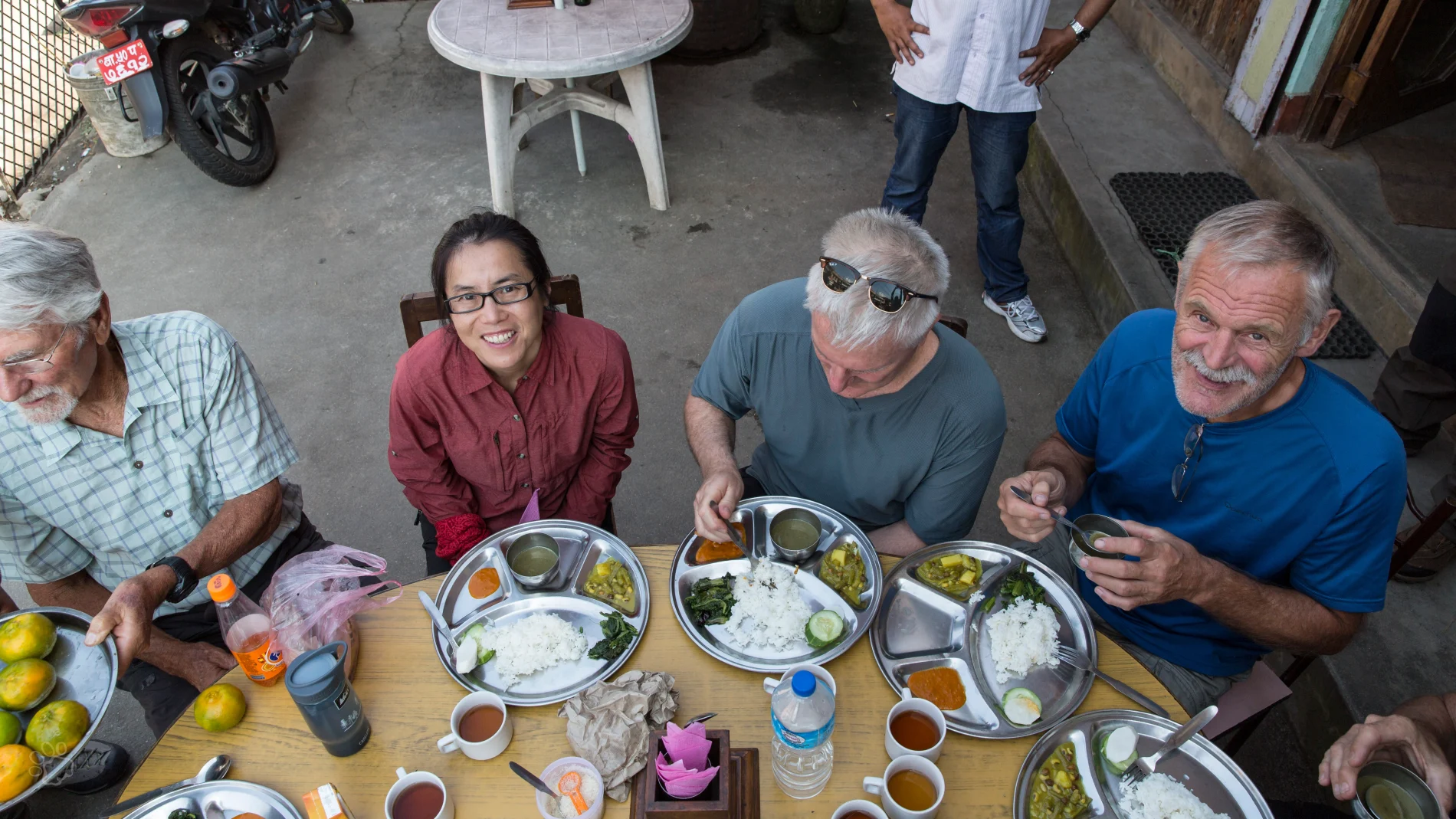
13/10/2026
Manaslu Circuit Trek After the October 2026 Floods: Trail Conditions, Safety and Travel Updates
The Manaslu Circuit Trek is one of Nepal’s most rewarding Himalayan journeys, taking trekkers through traditional...
Read more
13/10/2026
Your Nepal Trek Is Booked, but the Trail Is Closed: What Now?
Imagine arriving in Nepal with your trekking boots ready, your flights booked, your bags packed, and...
Read more