

Jungle Safari in Nepal: Complete Wildlife Adventure Guide 2026
Share:

 Read Time
This blog has 8417 words .This blog has 57224 characters.This blog take 28 minutes to read.
A Jungle Safari in Nepal is an exciting wildlife adventure that allows visitors to explore the country’s protected forests, national parks, and diverse ecosystems while observing wild animals in their natural habitats. Although Nepal is widely recognized for its breathtaking Himalayan mountains and world-class trekking routes, it is equally famous for its rich biodiversity. Therefore, a Nepal Jungle Safari offers travelers a completely different experience, combining adventure, nature, and wildlife conservation in one unforgettable journey.
Unlike a visit to a zoo, a Wildlife Safari in Nepal gives you the chance to witness animals living freely in dense forests, grasslands, wetlands, and riverbanks. Because these habitats are carefully protected, many endangered species continue to thrive here. As a result, visitors may encounter the iconic One-Horned Rhinoceros, the elusive Royal Bengal Tiger, Asian Elephants, Sloth Bears, Leopards, Gharial Crocodiles, and numerous deer species. Moreover, Nepal is a paradise for birdwatchers, as more than 900 bird species have been recorded across the country.
A Nepal Jungle Safari is not limited to a single activity. Instead, it includes thrilling jeep safaris, peaceful canoe rides, guided nature walks, exciting birdwatching tours, and immersive visits to local Tharu villages. Consequently, every activity offers a unique perspective on Nepal’s remarkable wildlife and cultural heritage. While jeep safaris allow you to cover large areas in search of animals, canoe trips provide a quieter way to observe crocodiles, aquatic birds, and other river wildlife. Similarly, guided jungle walks help visitors appreciate the smaller details of the forest, including unique plants, insects, and animal tracks.
Furthermore, choosing a Jungle Safari in Nepal supports responsible tourism because park entrance fees and tourism activities contribute directly to wildlife conservation and local communities. Therefore, every visit helps protect Nepal’s precious natural heritage while creating meaningful experiences for future generations.
Whether you are an adventure seeker, wildlife photographer, bird enthusiast, or family traveler, a Jungle Safari in Nepal promises unforgettable memories. At Silver Moon Adventure and Tour, we carefully design wildlife experiences that combine safety, expert guidance, and authentic local hospitality, ensuring your Nepal jungle adventure is both enjoyable and memorable.
Why Choose Nepal for a Jungle Safari?
Nepal is one of the finest destinations for a Jungle Safari in Nepal, offering an incredible combination of rich biodiversity, breathtaking landscapes, and authentic cultural experiences. Although the country is globally renowned for the Himalayas and world-famous trekking routes, its southern plains are equally impressive because they are home to some of Asia’s most remarkable wildlife. Therefore, a Nepal Jungle Safari is the perfect choice for travelers who want to experience nature beyond the mountains.
One of the main reasons to choose a Wildlife Safari in Nepal is the opportunity to see endangered animals in their natural habitat. Nepal has achieved remarkable success in wildlife conservation, allowing species such as the One-Horned Rhinoceros, Royal Bengal Tiger, Asian Elephant, Sloth Bear, Leopard, and Gharial Crocodile to thrive in protected national parks. Although wildlife sightings can never be guaranteed, every safari offers the excitement of exploring untouched forests where nature unfolds on its own.
Moreover, Nepal’s national parks provide a variety of ecosystems that make every safari unique. Dense sal forests, wide grasslands, peaceful rivers, wetlands, and tropical jungles create perfect habitats for hundreds of mammals, reptiles, and birds. Because each park has its own landscape and wildlife, visitors can enjoy a different experience whether they explore Chitwan National Park, Bardia National Park, Shuklaphanta National Park, Parsa National Park, or Koshi Tappu Wildlife Reserve.
A Jungle Safari in Nepal also offers much more than wildlife viewing. Besides exciting jeep safaris, visitors can enjoy peaceful canoe rides, guided jungle walks, birdwatching tours, and cultural programs with the indigenous Tharu community. Consequently, every day brings a new adventure while allowing travelers to learn about Nepal’s traditions, local lifestyles, and conservation efforts.
Furthermore, Nepal is an excellent destination for photographers and birdwatchers because the country is home to more than 900 bird species. Early mornings and late afternoons are particularly rewarding, as wildlife is generally more active during these hours. Therefore, whether you are carrying a professional camera or simply enjoying the scenery, you will have countless opportunities to capture unforgettable moments.
Another reason to choose a Nepal Jungle Safari is its accessibility. Most major safari destinations can be reached by road or domestic flight from Kathmandu or Pokhara, making them easy to combine with popular trekking routes or cultural tours. As a result, travelers can enjoy both the majestic Himalayas and Nepal’s extraordinary wildlife within a single trip.
At Silver Moon Adventure and Tour, we believe that every safari should be safe, ethical, and memorable. Our experienced guides help you explore Nepal’s wilderness responsibly while ensuring you enjoy the best possible wildlife experience. Whether you are traveling with family, friends, or on a solo adventure, a Jungle Safari in Nepal promises unforgettable encounters with nature that will stay with you long after your journey ends.
Best National Parks for Jungle Safari in Nepal
Nepal is home to several world-class protected areas that offer unforgettable wildlife experiences. Although each destination has its own unique landscape and ecosystem, all of them provide excellent opportunities to enjoy a Jungle Safari in Nepal. Whether you are hoping to spot the Royal Bengal Tiger, the endangered One-Horned Rhinoceros, or hundreds of colorful bird species, Nepal’s national parks promise an adventure unlike any other.
1. Chitwan National Park
Chitwan National Park is the most popular destination for a Nepal Jungle Safari and the first national park established in the country. It was designated a UNESCO World Heritage Site in 1984 because of its outstanding biodiversity and successful wildlife conservation efforts. Located in the lowland Terai region, Chitwan is famous for its dense sal forests, vast grasslands, rivers, and wetlands.
Visitors can enjoy a wide range of activities, including jeep safaris, canoe rides, guided jungle walks, birdwatching, and cultural tours in traditional Tharu villages. Moreover, Chitwan is one of the best places in Asia to see the endangered One-Horned Rhinoceros. Although spotting a Royal Bengal Tiger requires patience and a bit of luck, the park remains one of the country’s top tiger habitats.
Highlights
- UNESCO World Heritage Site
- Best place to see the One-Horned Rhinoceros
- Excellent jeep safari experience
- Rich birdwatching opportunities
- Easy access from Kathmandu and Pokhara
2. Bardia National Park
If you prefer a quieter and more remote wildlife adventure, Bardia National Park is an excellent choice. Unlike Chitwan, Bardia receives fewer visitors, allowing travelers to enjoy a more peaceful and authentic Wildlife Safari in Nepal. Consequently, the chances of experiencing untouched wilderness are even greater.
Bardia is widely recognized as one of the best places in Nepal to search for the elusive Royal Bengal Tiger. In addition, the park supports healthy populations of wild elephants, leopards, rhinoceroses, swamp deer, Gangetic dolphins, and numerous bird species. Because of its vast forests and natural habitats, wildlife photographers and nature lovers often consider Bardia the ultimate safari destination.
Highlights
- Best park for Royal Bengal Tiger sightings
- Less crowded than Chitwan
- Excellent destination for wildlife photography
- Rich biodiversity and pristine forests
- Ideal for experienced nature enthusiasts
3. Shuklaphanta National Park
Located in the far western region of Nepal, Shuklaphanta National Park is a hidden gem for travelers seeking a peaceful Jungle Safari in Nepal. Although it is less famous than Chitwan and Bardia, the park is internationally known for its expansive grasslands, which are among the largest in Nepal.
Shuklaphanta is especially famous for its impressive population of Swamp Deer, while visitors may also encounter elephants, rhinoceroses, leopards, and, occasionally, Royal Bengal Tigers. Furthermore, the park attracts birdwatchers from around the world because it provides habitat for hundreds of resident and migratory bird species.
Highlights
- Largest grasslands in Nepal
- Famous for Swamp Deer
- Excellent birdwatching destination
- Peaceful and less crowded safari experience
4. Parsa National Park
Situated near Chitwan, Parsa National Park is one of Nepal’s emerging wildlife destinations. Although it receives fewer tourists, it plays an important role in protecting wildlife that moves between Chitwan and neighboring forest corridors.
The park is home to Royal Bengal Tigers, leopards, wild elephants, sloth bears, deer, and many bird species. Because tourism remains relatively low, visitors can enjoy a more tranquil safari while exploring dense forests and natural landscapes.
Highlights
- Quiet and uncrowded safari destination
- Important habitat for tigers and elephants
- Beautiful forest landscapes
- Perfect for nature lovers seeking off-the-beaten-path experiences
5. Koshi Tappu Wildlife Reserve
For bird enthusiasts, Koshi Tappu Wildlife Reserve is one of the finest wildlife destinations in South Asia. Unlike other safari parks that focus mainly on large mammals, Koshi Tappu is celebrated for its extraordinary birdlife.
The reserve is home to more than 500 bird species, including many rare and migratory birds. Besides birdwatching, visitors may also spot wild water buffalo, otters, deer, crocodiles, and freshwater dolphins. Therefore, Koshi Tappu offers a completely different yet equally rewarding Nepal Jungle Safari experience.
Highlights
- Nepal’s premier birdwatching destination
- Home to more than 500 bird species
- Famous for the endangered Wild Water Buffalo
- Beautiful wetlands and river ecosystems
- Ideal for photographers and nature enthusiasts
Each of these protected areas offers something unique. Therefore, the best Jungle Safari in Nepal depends on your interests. If you want to see rhinoceroses and enjoy a variety of activities, Chitwan National Park is an excellent choice. However, if your dream is to spot a Royal Bengal Tiger in a quieter environment, Bardia National Park should be at the top of your list. Meanwhile, Shuklaphanta National Park, Parsa National Park, and Koshi Tappu Wildlife Reserve provide outstanding alternatives for travelers looking to explore Nepal’s rich wildlife away from the crowds.
Wildlife You Can See During a Jungle Safari in Nepal
One of the biggest reasons travelers choose a Jungle Safari in Nepal is the chance to observe rare and endangered wildlife in its natural habitat. Nepal may be a small country, yet it is incredibly rich in biodiversity because of its diverse landscapes, ranging from tropical forests in the Terai to alpine regions in the Himalayas. As a result, the country’s national parks and wildlife reserves support hundreds of animal, bird, reptile, and amphibian species.
Although every Nepal Jungle Safari is different, each journey offers the excitement of discovering wildlife in the wild rather than in captivity. Some animals are commonly seen, while others are elusive and require patience, experienced guides, and a little luck. Nevertheless, every safari is rewarding because nature always has something fascinating to offer.
1. One-Horned Rhinoceros
The Greater One-Horned Rhinoceros is one of Nepal’s most iconic wildlife species and a major highlight of any Wildlife Safari in Nepal. Thanks to decades of successful conservation efforts, Nepal now protects one of the world’s largest populations of this endangered animal. Visitors exploring Chitwan National Park frequently encounter rhinos grazing in grasslands, cooling off in rivers, or resting in muddy ponds.
Where to See
- Chitwan National Park
- Bardia National Park
2. Royal Bengal Tiger
The Royal Bengal Tiger is undoubtedly the most sought-after animal during a Jungle Safari in Nepal. Although these magnificent predators are naturally shy and difficult to spot, Nepal has become one of the world’s leading countries for tiger conservation. Because they roam vast forest areas, every tiger sighting is considered a rare and unforgettable experience.
Where to See
- Bardia National Park
- Chitwan National Park
- Parsa National Park
3. Asian Elephant
The Asian Elephant is another remarkable species found in Nepal’s tropical forests. These intelligent animals are often seen moving through grasslands or drinking near rivers. Unlike domesticated elephants, wild elephants live freely within protected habitats, making every encounter exciting and memorable.
Where to See
- Chitwan National Park
- Bardia National Park
- Parsa National Park
4. Sloth Bear
Although they are rarely seen because of their secretive nature, Sloth Bears are among the most fascinating mammals living in Nepal’s jungles. They mainly feed on termites, insects, honey, and fruits, while spending much of the day resting in forested areas.
Where to See
- Chitwan National Park
- Bardia National Park
5. Gharial Crocodile
The Gharial Crocodile is one of the world’s rarest crocodile species and can easily be recognized by its long, narrow snout. It spends most of its time in rivers and feeds almost entirely on fish. Consequently, canoe rides provide one of the best opportunities to observe this unique reptile.
Where to See
- Rapti River (Chitwan National Park)
- Narayani River
- Babai River
6. Mugger Crocodile
Unlike the Gharial, the Mugger Crocodile has a broader snout and is capable of hunting a wider variety of prey. These crocodiles are commonly seen basking along riverbanks or quietly waiting beneath the water’s surface.
Where to See
- Chitwan National Park
- Bardia National Park
7. Leopard
The Leopard is one of Nepal’s most elusive predators. Because it is highly adaptable, it lives in forests, grasslands, and even hilly regions. However, spotting one during a Nepal Jungle Safari requires patience and a bit of good fortune.
Where to See
- Chitwan National Park
- Bardia National Park
- Parsa National Park
8. Deer Species
Nepal’s jungles are home to several beautiful deer species, including the Spotted Deer (Chital), Sambar Deer, Hog Deer, Barking Deer, and Swamp Deer. These herbivores are frequently seen grazing in open grasslands and often serve as prey for tigers and leopards.
Where to See
- Chitwan National Park
- Bardia National Park
- Shuklaphanta National Park
9. Wild Boar
The Wild Boar is one of the most commonly spotted mammals during a Jungle Safari in Nepal. These adaptable animals usually forage in forests and grasslands, often moving in small family groups. Although they may appear calm, they are powerful wild animals and should always be observed from a safe distance.
Where to See
- Chitwan National Park
- Bardia National Park
- Parsa National Park
10. More Than 900 Bird Species
Nepal is a paradise for birdwatchers because it is home to more than 900 recorded bird species, making it one of the richest birding destinations in Asia. Depending on the season, visitors may observe colorful kingfishers, hornbills, eagles, storks, herons, woodpeckers, parakeets, and many rare migratory birds. Therefore, even if you do not spot a tiger, your Wildlife Safari in Nepal will still be filled with spectacular birdlife.
Best Birdwatching Destinations
- Chitwan National Park
- Koshi Tappu Wildlife Reserve
- Bardia National Park
- Shuklaphanta National Park
Types of Jungle Safari Activities in Nepal
A Jungle Safari in Nepal is much more than simply looking for wild animals. Instead, it offers a variety of exciting activities that allow visitors to experience nature from different perspectives. Whether you enjoy adventure, wildlife photography, birdwatching, or cultural exploration, every activity adds something unique to your Nepal Jungle Safari. Moreover, combining several experiences during your visit increases your chances of spotting wildlife while creating unforgettable memories.
1. Jeep Safari
A Jeep Safari is the most popular activity during a Wildlife Safari in Nepal because it allows visitors to explore deep inside the national parks comfortably and safely. Professional naturalist guides accompany every trip, sharing valuable information about the park’s wildlife, plants, and ecosystems.
As the jeep travels through dense forests, open grasslands, and riverbanks, you may encounter One-Horned Rhinoceroses, Royal Bengal Tigers, Asian Elephants, Leopards, deer, and numerous bird species. Since jeeps cover a larger area in a shorter time, they offer one of the best opportunities for wildlife sightings.
Highlights
- Covers large areas of the national park
- Excellent chance of spotting rare wildlife
- Suitable for families and groups
- Guided by experienced naturalists
2. Canoe Ride
A peaceful canoe ride is one of the most relaxing experiences during a Jungle Safari in Nepal. Traditional wooden canoes gently float along calm rivers, allowing visitors to observe wildlife without disturbing the natural surroundings.
During the journey, you may spot Gharial Crocodiles, Mugger Crocodiles, turtles, otters, kingfishers, herons, and many other aquatic birds. Furthermore, the peaceful atmosphere makes canoeing an excellent activity for photographers and nature lovers.
Highlights
- Peaceful wildlife experience
- Ideal for birdwatching
- Opportunity to see crocodiles and river wildlife
- Great for photography
3. Guided Jungle Walk
A guided jungle walk allows visitors to experience the forest up close. Unlike a jeep safari, walking through the jungle lets you notice animal footprints, unique plants, insects, bird calls, and other fascinating details that are often missed from a vehicle.
Because trained naturalist guides lead every walk, visitors can safely explore the forest while learning about animal behavior, medicinal plants, and conservation efforts. Although large wildlife sightings are never guaranteed, the experience itself is both educational and exciting.
Highlights
- Close connection with nature
- Learn about forest ecology
- Discover animal tracks and smaller wildlife
- Led by experienced local guides
4. Birdwatching Tour
Nepal is one of Asia’s top birdwatching destinations because it is home to more than 900 bird species. Therefore, birdwatching has become an essential part of every Nepal Jungle Safari.
Early mornings are generally the best time for birdwatching because birds are most active during this period. Depending on the location and season, visitors may see hornbills, kingfishers, eagles, storks, woodpeckers, parakeets, owls, and many migratory birds.
Highlights
- Perfect for bird enthusiasts
- Suitable for beginners and experts
- Opportunity to see rare and migratory birds
- Ideal for wildlife photography
5. Nature Walk
A nature walk is designed for travelers who want to enjoy the beauty of the jungle at a slower pace. Rather than focusing only on large animals, this activity highlights the incredible diversity of plants, butterflies, insects, reptiles, and smaller mammals.
Moreover, nature walks help visitors understand how forests support wildlife and why conservation is so important. Consequently, this activity is both enjoyable and educational for people of all ages.
Highlights
- Explore the jungle on foot
- Learn about local flora and fauna
- Relaxing and educational experience
- Suitable for families
6. Visit to the Elephant Breeding Center
Located near Chitwan National Park, the Elephant Breeding Center provides visitors with an opportunity to learn about elephant conservation and breeding programs. Rather than simply observing elephants, guests can understand the challenges involved in protecting these magnificent animals.
This visit is especially popular with families and travelers interested in wildlife conservation.
Highlights
- Learn about elephant conservation
- Observe elephants in a protected environment
- Educational experience for all ages
7. Tharu Cultural Program
A Jungle Safari in Nepal is not only about wildlife because it also introduces visitors to the rich culture of the indigenous Tharu community. After a day in the jungle, many travelers enjoy traditional Tharu dance performances, local music, and authentic cuisine.
Furthermore, visiting a Tharu village allows you to learn about traditional farming methods, architecture, customs, and daily life. As a result, your safari becomes a complete cultural and natural experience.
Highlights
- Experience traditional Tharu culture
- Enjoy folk dance and music
- Taste authentic local food
- Visit traditional villages
8. Wildlife Photography
Nepal’s national parks are a dream destination for photographers. From the powerful Royal Bengal Tiger to colorful birds, breathtaking sunsets, misty rivers, and lush forests, every moment presents an opportunity to capture stunning images.
Because wildlife behaves naturally in protected habitats, every photograph tells a unique story. Whether you are using a professional camera or a smartphone, a Wildlife Safari in Nepal offers countless unforgettable photography opportunities.
Highlights
- Capture rare wildlife in natural habitats
- Stunning sunrise and sunset landscapes
- Perfect for beginners and professional photographers
- Unique photographic opportunities throughout the safari
Best Time for a Jungle Safari in Nepal
The best time for a Jungle Safari in Nepal depends on the type of wildlife experience you are looking for. Fortunately, Nepal offers safari opportunities throughout the year because each season brings its own beauty and unique wildlife encounters. However, if you want pleasant weather, excellent visibility, and a higher chance of spotting animals, the period from October to March is generally considered the ideal time for a Nepal Jungle Safari.
During these months, the temperatures remain comfortable, humidity is lower, and the forests become easier to explore. Since the grass is shorter after the monsoon season, animals are more visible near rivers, grasslands, and forest trails. As a result, visitors often enjoy better sightings of the One-Horned Rhinoceros, Royal Bengal Tiger, Asian Elephant, deer, and many other fascinating species.
Autumn (October to November)
Autumn is widely regarded as the best season for a Wildlife Safari in Nepal. After the monsoon rains, the forests look fresh and vibrant, while the skies become clear and the weather remains pleasant throughout the day. Because visibility improves significantly, wildlife enthusiasts and photographers have a better chance of observing animals in their natural habitat.
This season is especially popular among international travelers because it also coincides with Nepal’s trekking season. Therefore, many visitors combine a Jungle Safari in Nepal with famous trekking adventures such as the Everest Base Camp Trek or the Annapurna Base Camp Trek. If you enjoy photography, autumn provides beautiful natural lighting and lush green landscapes that make every wildlife encounter even more memorable.
Winter (December to February)
Winter is another outstanding time to enjoy a Nepal Jungle Safari. Although mornings can feel cool, daytime temperatures are comfortable for outdoor activities. Since the vegetation becomes thinner during winter, animals are easier to locate, particularly around rivers and open grasslands.
Moreover, winter is the peak season for birdwatching. Thousands of migratory birds arrive from Central Asia and Siberia, making destinations like Koshi Tappu Wildlife Reserve and Chitwan National Park a paradise for bird lovers. Whether you are searching for rare birds or hoping to photograph a rhinoceros grazing in the morning mist, winter offers exceptional opportunities.
Spring (March to May)
Spring brings warmer temperatures and colorful landscapes to Nepal’s national parks. Trees begin to bloom, forests become lively, and wildlife remains highly active during the cooler hours of the day. Because water sources become increasingly important as temperatures rise, many animals gather around rivers and ponds, giving visitors excellent opportunities to observe them.
Although afternoons can become quite warm, early morning and evening safaris remain comfortable and productive. Consequently, spring is an excellent choice for travelers who enjoy both wildlife and beautiful natural scenery.
Monsoon (June to September)
The monsoon season transforms Nepal’s jungles into lush green forests filled with fresh vegetation. While the scenery becomes incredibly beautiful, frequent rainfall also creates certain challenges for safari activities. Dense vegetation makes wildlife more difficult to spot, and some forest roads may become muddy or temporarily inaccessible.
Nevertheless, the monsoon still has its own charm. Because fewer tourists visit during this season, travelers can enjoy a quieter and more peaceful Wildlife Safari in Nepal. Birdwatchers and nature lovers also appreciate the vibrant greenery and the refreshing atmosphere that follows the rain.
Chitwan National Park vs Bardia National Park
When planning a Jungle Safari in Nepal, many travelers find themselves choosing between Chitwan National Park and Bardia National Park. Both are among Nepal’s premier wildlife destinations and offer incredible safari experiences. However, each park has its own unique character, wildlife, and atmosphere. Therefore, the best choice depends on your travel style, interests, and the type of adventure you are seeking.
Chitwan National Park is Nepal’s most famous wildlife destination and attracts thousands of visitors every year. Located in the central Terai region, it is easily accessible from Kathmandu and Pokhara, making it an excellent choice for first-time visitors. Because of its well-developed tourism infrastructure, Chitwan offers a wide range of accommodations, guided safari activities, and cultural experiences. Travelers can enjoy jeep safaris, canoe rides, jungle walks, birdwatching, and traditional Tharu cultural programs, all within a short visit.
In contrast, Bardia National Park offers a quieter and more authentic Nepal Jungle Safari. Situated in western Nepal, Bardia receives significantly fewer visitors, allowing travelers to experience nature in a peaceful and less crowded environment. Although reaching Bardia requires a longer journey, the reward is an untouched wilderness where wildlife roams freely. Many wildlife enthusiasts and professional photographers prefer Bardia because it provides a more immersive safari experience.
One of the biggest differences between the two parks is the wildlife viewing experience. Chitwan National Park is widely recognized as one of the best places to see the endangered One-Horned Rhinoceros, and visitors often encounter rhinos during jeep safaris or canoe rides. On the other hand, Bardia National Park is considered Nepal’s best destination for spotting the elusive Royal Bengal Tiger. While tiger sightings are never guaranteed in the wild, Bardia’s dense forests and healthy tiger population make it a favorite among serious wildlife lovers.
Apart from wildlife, both parks offer beautiful natural scenery. Chitwan features dense sal forests, rivers, wetlands, and open grasslands, creating diverse habitats for wildlife. Meanwhile, Bardia’s vast forests and remote landscapes provide a true wilderness experience where visitors can enjoy nature without large tourist crowds. Consequently, those looking for solitude and adventure often choose Bardia over Chitwan.
Chitwan National Park vs Bardia National Park Comparison
Both destinations deliver an unforgettable Wildlife Safari in Nepal, and neither is a wrong choice. If you are visiting Nepal for the first time or have limited time, Chitwan National Park is an excellent option because it is easy to access and offers diverse safari activities. However, if you prefer a quieter adventure and hope to maximize your chances of seeing a Royal Bengal Tiger, Bardia National Park is the better choice.
At Silver Moon Adventure and Tour, we organize safari experiences in both Chitwan and Bardia. Whether you are looking for a family-friendly wildlife holiday or an off-the-beaten-path jungle adventure, our experienced team will help you choose the destination that best matches your travel goals.
Accommodation Options for a Jungle Safari in Nepal
Choosing the right accommodation can make your Jungle Safari in Nepal even more enjoyable. Fortunately, Nepal offers a wide range of places to stay, from simple budget lodges to luxurious jungle resorts. Whether you are traveling alone, with your family, or as part of a group, you will find accommodation that matches both your comfort level and budget. Moreover, most hotels and resorts are located close to the entrance of the national parks, allowing visitors to begin their safari activities without spending hours on transportation.
If you are planning a Nepal Jungle Safari in Chitwan National Park, you will have the largest selection of accommodations. The area has developed into a major tourism hub over the years, which means visitors can choose from affordable guesthouses, comfortable three-star hotels, boutique resorts, and luxury jungle retreats. Many properties also offer all-inclusive packages that combine accommodation, meals, jeep safaris, canoe rides, and cultural programs. As a result, travelers can enjoy a hassle-free experience while focusing entirely on exploring Nepal’s incredible wildlife.
In contrast, accommodation around Bardia National Park provides a quieter and more nature-oriented experience. Although there are fewer hotels than in Chitwan, the lodges are well known for their peaceful surroundings and warm hospitality. Because Bardia attracts fewer tourists, many visitors appreciate the relaxed atmosphere and personalized service. Furthermore, several eco-lodges work closely with local communities and conservation programs, making your stay both comfortable and environmentally responsible.
If luxury is your priority, Nepal has several premium jungle resorts that offer spacious rooms, beautiful gardens, swimming pools, spa facilities, and fine dining. These resorts are perfect for honeymoon couples, families, and travelers looking for extra comfort after a day of adventure. On the other hand, budget travelers can easily find clean and comfortable lodges that provide all the essential facilities needed for an enjoyable Wildlife Safari in Nepal.
When selecting your accommodation, it is worth looking beyond the room itself. A good safari lodge should provide experienced naturalist guides, quality food, reliable transportation, and easy access to safari activities. Reading recent guest reviews and checking what is included in the package can also help you make the right decision. Additionally, booking your accommodation in advance is highly recommended, especially between October and March, as this is the peak season for a Jungle Safari in Nepal and many popular resorts fill up quickly.
At Silver Moon Adventure and Tour, we carefully select trusted hotels, eco-lodges, and luxury resorts to ensure every traveler enjoys a comfortable and memorable stay. Whether you are looking for an affordable jungle lodge or a premium wildlife resort, we help you choose the accommodation that perfectly complements your Nepal Jungle Safari experience.
What to Pack for a Jungle Safari in Nepal
Packing wisely can make your Jungle Safari in Nepal much more comfortable and enjoyable. Unlike high-altitude trekking, a wildlife safari takes place in the warm subtropical forests of Nepal’s Terai region. Therefore, you should focus on lightweight clothing, sun protection, and a few essential accessories rather than heavy winter gear. Because safari activities often begin early in the morning or continue until sunset, it is also important to prepare for changing temperatures throughout the day.
One of the most important things to remember is to wear clothing in natural colors such as green, brown, beige, or khaki. These shades blend with the surrounding environment and are less likely to disturb wildlife. Bright colors like red, orange, or neon shades should generally be avoided because they can attract unnecessary attention and reduce your chances of seeing animals up close.
Comfortable footwear is equally important. Since many Nepal Jungle Safari packages include guided nature walks, you should wear sturdy walking shoes or lightweight hiking boots with good grip. In addition, a hat and sunglasses will help protect you from the strong sun, especially during jeep safaris through open grasslands.
A good pair of binoculars can greatly enhance your safari experience because many birds and wild animals are often seen from a distance. Likewise, if you enjoy photography, carrying a camera with a zoom lens will allow you to capture stunning images without disturbing the wildlife. Don’t forget to bring extra batteries or a power bank, as charging facilities may be limited during long safari excursions.
Another essential item is insect protection. Although national parks take good care of visitor safety, mosquitoes and other insects are common, particularly during the warmer months. Applying insect repellent and carrying sunscreen will help you stay comfortable throughout the day. It is also a good idea to keep a reusable water bottle with you because staying hydrated is important while exploring the jungle.
Essential Packing Checklist
- Lightweight, breathable clothing in neutral colors
- Comfortable walking shoes or lightweight hiking boots
- Hat or cap for sun protection
- Sunglasses
- Sunscreen (SPF 30 or higher)
- Insect repellent
- Reusable water bottle
- Binoculars for wildlife viewing
- Camera with extra batteries or memory cards
- Small backpack for daily essentials
- Personal medications and a basic first-aid kit
- Light jacket for cool mornings during winter
- Rain jacket or poncho if traveling during the monsoon season
Packing the right gear not only makes your Wildlife Safari in Nepal more comfortable but also helps you enjoy every moment without unnecessary inconvenience. With proper preparation, you can focus entirely on spotting wildlife, exploring beautiful forests, and creating unforgettable memories. If you book your Jungle Safari in Nepal with Silver Moon Adventure and Tour, our team will provide a detailed packing guide before your trip, ensuring you arrive fully prepared for an amazing wildlife adventure.
Safety Tips for a Jungle Safari in Nepal
A Jungle Safari in Nepal is an exciting and rewarding experience, but it is important to remember that you are entering the natural habitat of wild animals. Unlike zoos or wildlife parks, Nepal’s national parks allow animals to roam freely. Therefore, respecting nature and following safety guidelines will help ensure a safe and enjoyable adventure for both visitors and wildlife.
The most important rule during any Nepal Jungle Safari is to follow your guide’s instructions at all times. Professional naturalist guides are highly experienced and understand animal behavior, weather conditions, and the safest routes through the forest. Because they know how wildlife reacts in different situations, listening to their advice can prevent unnecessary risks.
While exploring the jungle, always remain calm and avoid making loud noises. Speaking quietly not only increases your chances of spotting wildlife but also helps avoid disturbing animals in their natural environment. Similarly, you should never attempt to approach, feed, or touch any wild animal, no matter how harmless it may appear. Wild animals can behave unpredictably, especially if they feel threatened or are protecting their young.
If you are on a jeep safari, remain seated unless your guide tells you otherwise. Standing up suddenly or leaning outside the vehicle can startle nearby wildlife. During guided jungle walks, always stay with your group because wandering away alone can be dangerous. Even experienced guides never explore the forest without proper planning and awareness.
Protecting yourself from the weather is equally important. Wear comfortable clothing, apply sunscreen before heading into the jungle, and drink plenty of water throughout the day to avoid dehydration. During the warmer months, using insect repellent is also recommended because mosquitoes and other insects are common in the Terai region.
Photography is one of the highlights of a Wildlife Safari in Nepal, but it should always be done responsibly. Avoid using flash photography near animals, as the sudden burst of light may frighten or disturb them. Instead, use your camera’s zoom lens to capture wildlife from a safe distance while allowing the animals to behave naturally.
Finally, remember that national parks are protected conservation areas. Help preserve these beautiful environments by keeping the jungle clean, avoiding plastic waste, and never leaving litter behind. Every visitor has a responsibility to protect Nepal’s wildlife and natural heritage for future generations.
By following these simple precautions, your Jungle Safari in Nepal will be both safe and memorable. At Silver Moon Adventure and Tour, your safety is our highest priority. Our experienced guides follow strict safety standards and provide clear briefings before every safari, allowing you to explore Nepal’s spectacular wilderness with confidence and peace of mind.
Responsible Wildlife Tourism
A Jungle Safari in Nepal is not only about seeing wild animals; it is also about protecting the natural environment they call home. Nepal has earned international recognition for its successful wildlife conservation programs, and tourism has played a significant role in supporting these efforts. Therefore, every traveler has a responsibility to respect nature and help preserve the country’s incredible biodiversity.
When you choose a Nepal Jungle Safari, you become part of a larger conservation story. National parks such as Chitwan National Park and Bardia National Park protect endangered species, including the One-Horned Rhinoceros, Royal Bengal Tiger, Asian Elephant, and Gharial Crocodile. The entrance fees and tourism revenue generated from visitors help fund anti-poaching initiatives, habitat restoration, wildlife monitoring, and community development projects. As a result, your visit contributes directly to the long-term protection of Nepal’s wildlife.
Responsible tourism also means respecting the animals and their natural behavior. Although seeing wildlife up close is exciting, visitors should never attempt to feed, chase, or disturb wild animals simply to get a better photograph. Instead, maintaining a safe distance allows animals to behave naturally while ensuring the safety of both visitors and wildlife. Moreover, reducing noise during safari activities creates a more peaceful environment and increases the chances of observing animals in their normal routines.
Protecting the environment is equally important. Travelers should avoid throwing plastic bottles, food wrappers, or other waste inside the national parks because even small amounts of litter can harm wildlife and damage fragile ecosystems. Carrying a reusable water bottle and properly disposing of waste are simple actions that make a meaningful difference.
Another important aspect of Wildlife Safari in Nepal is supporting local communities. Many safari destinations are home to the indigenous Tharu community, whose traditions and knowledge have been closely connected with the forests for generations. Choosing locally owned hotels, purchasing handmade products, hiring certified local guides, and participating in cultural activities help create sustainable income for local families. Consequently, tourism becomes a powerful tool for both conservation and community development.
At Silver Moon Adventure and Tour, we strongly believe that responsible travel creates better experiences for everyone. We work with experienced local guides, encourage environmentally friendly travel practices, and support conservation efforts that protect Nepal’s unique wildlife. By traveling responsibly, you not only enjoy an unforgettable Jungle Safari in Nepal but also help ensure that future generations can continue to experience the country’s extraordinary natural heritage.
Photography Tips for a Jungle Safari in Nepal
A Jungle Safari in Nepal offers countless opportunities to capture breathtaking photographs of wildlife, lush forests, rivers, and spectacular landscapes. Whether you are a professional wildlife photographer or simply enjoy taking pictures with your smartphone, every safari presents unique moments that are worth preserving. However, wildlife photography requires patience because animals move freely and rarely pose for the camera. Therefore, being prepared and respecting nature will help you capture better images while enjoying the experience.
One of the best times for photography is during the early morning and late afternoon. At these times, the sunlight is softer, creating warm natural colors and beautiful lighting. Moreover, many wild animals are more active during these cooler hours, increasing your chances of photographing species such as the One-Horned Rhinoceros, Royal Bengal Tiger, Asian Elephant, and various deer species.
If you are carrying a DSLR or mirrorless camera, using a telephoto lens is highly recommended because it allows you to photograph wildlife from a safe distance without disturbing the animals. On the other hand, smartphone users can still capture impressive images by using the optical zoom instead of getting too close. Remember, respecting wildlife should always take priority over getting the perfect photograph.
Patience is one of the most valuable skills during a Nepal Jungle Safari. Sometimes you may need to wait quietly for several minutes before an animal appears. Rather than rushing or making loud noises, stay calm and let nature unfold naturally. In many cases, the most memorable wildlife photographs are taken by photographers who simply allow the animals to behave as they normally would.
While photographing wildlife, avoid using the camera’s flash because it can startle animals and disrupt their natural behavior. Instead, rely on natural light whenever possible. Keeping your camera steady, focusing on the animal’s eyes, and paying attention to the surrounding environment will also help create more powerful and meaningful images.
Besides wildlife, don’t forget to photograph the beautiful scenery around you. Dense sal forests, peaceful rivers, colorful sunsets, traditional Tharu villages, and the vibrant birdlife all tell the story of a Wildlife Safari in Nepal. Including these landscapes in your photo collection creates a more complete record of your adventure.
Finally, remember that the best wildlife photographs are taken with respect and patience rather than by disturbing animals. By following ethical photography practices, you not only capture stunning memories but also help protect Nepal’s incredible wildlife and natural habitats.
At Silver Moon Adventure and Tour, our experienced guides know the best locations and times for wildlife photography. Whether you are visiting Chitwan National Park, Bardia National Park, or another protected area, we help you enjoy a safe, responsible, and rewarding Jungle Safari in Nepal, giving you the opportunity to return home with unforgettable memories and remarkable photographs.
How to Reach Chitwan and Bardia National Park
Reaching Nepal’s famous wildlife destinations is easier than many travelers expect. Whether you are planning to visit Chitwan National Park or Bardia National Park, you can travel by road or domestic flight depending on your budget, schedule, and travel preferences. Therefore, combining a Jungle Safari in Nepal with other popular destinations such as Kathmandu, Pokhara, or Lumbini is simple and convenient.
How to Reach Chitwan National Park
Chitwan National Park is the most accessible destination for a Nepal Jungle Safari. Located approximately 160 kilometers southwest of Kathmandu, it is well connected by highways and domestic flights. Because of its convenient location, Chitwan is a popular choice for both domestic and international travelers.
The most common way to reach Chitwan is by tourist bus. Comfortable tourist buses depart daily from Kathmandu and Pokhara, offering an affordable and scenic journey that usually takes around 5 to 7 hours, depending on road conditions.
For travelers who want to save time, domestic flights operate regularly between Kathmandu and Bharatpur Airport, which is the nearest airport to Chitwan National Park. The flight takes only about 20 to 25 minutes, after which most hotels provide a short transfer to the park.
Private vehicles are another excellent option, especially for families or groups who prefer flexibility and additional comfort during the journey.
How to Reach Bardia National Park
Bardia National Park is located in western Nepal and offers a more remote Wildlife Safari in Nepal. Although it requires a longer journey than Chitwan, many travelers consider the peaceful environment and untouched wilderness well worth the effort.
The fastest way to reach Bardia is by taking a domestic flight from Kathmandu to Nepalgunj Airport. The flight usually takes around one hour. From Nepalgunj, it is approximately a two to three-hour drive to the national park, and many safari lodges arrange airport transfers for their guests.
Alternatively, travelers can reach Bardia by road from Kathmandu or Pokhara. While the drive is considerably longer, it offers beautiful views of Nepal’s countryside, rivers, and small towns along the way.
If you are planning a longer holiday, many visitors combine Chitwan National Park and Bardia National Park in one itinerary to experience two completely different safari environments. Chitwan is perfect for first-time visitors and families, whereas Bardia appeals to those seeking a quieter and more adventurous jungle experience.
No matter which destination you choose, planning your transportation in advance is highly recommended, particularly during the peak safari season from October to March. This ensures better availability and a smoother travel experience.
At Silver Moon Adventure and Tour, we arrange complete transportation for your Jungle Safari in Nepal, including tourist buses, private vehicles, domestic flights, and hotel transfers. Our team takes care of every travel detail so you can focus on enjoying Nepal’s incredible wildlife and creating unforgettable memories.
Why Book Your Jungle Safari in Nepal with Silver Moon Adventure and Tour?
Planning a Jungle Safari in Nepal is about more than choosing a destination. The quality of your experience depends on knowledgeable guides, well-organized transportation, comfortable accommodation, and carefully planned safari activities. Therefore, selecting a reliable local travel company can make a significant difference in your overall journey.
At Silver Moon Adventure and Tour, we are passionate about helping travelers discover Nepal’s extraordinary wildlife while ensuring every trip is safe, enjoyable, and responsibly managed. Because we have extensive experience in Nepal’s tourism industry, we understand what travelers expect and work hard to deliver memorable experiences from the moment your trip begins until it ends.
Whether you want to explore the famous Chitwan National Park, experience the untouched wilderness of Bardia National Park, or visit other protected areas across the country, our team creates personalized safari packages that match your schedule, budget, and travel interests. Instead of offering one-size-fits-all tours, we focus on providing flexible itineraries that allow you to experience the very best of Nepal Jungle Safari adventures.
Another reason travelers choose us is our commitment to quality and transparency. We partner with trusted hotels, experienced naturalist guides, and reliable transportation providers to ensure every part of your journey meets high standards. Moreover, we provide clear pricing without hidden charges, allowing you to plan your trip with confidence.
Responsible tourism is at the heart of everything we do. We encourage ethical wildlife viewing, support local communities, and promote environmentally friendly travel practices. As a result, your Wildlife Safari in Nepal not only creates unforgettable memories but also contributes to the conservation of Nepal’s rich biodiversity and cultural heritage.
When you book with Silver Moon Adventure and Tour, you can expect:
- Professionally planned safari packages
- Experienced local guides and naturalists
- Comfortable accommodation options for every budget
- Reliable transportation and airport transfers
- Personalized service from inquiry to departure
- Transparent pricing with no hidden costs
- Support for responsible and sustainable tourism
- Friendly local assistance throughout your journey
Whether you are traveling solo, with your partner, as a family, or in a group, we are dedicated to making your Jungle Safari in Nepal a truly unforgettable experience. Let Silver Moon Adventure and Tour take care of every detail while you focus on discovering Nepal’s incredible wildlife, breathtaking landscapes, and warm local hospitality.
Conclusion
A Jungle Safari in Nepal is one of the most rewarding travel experiences the country has to offer. While Nepal is internationally known for its majestic Himalayan peaks and legendary trekking routes, its lush forests and protected national parks reveal a completely different side of the country. From the thrilling search for the Royal Bengal Tiger to the unforgettable sight of the endangered One-Horned Rhinoceros, every safari brings visitors closer to nature in a way that few other destinations can.
Whether you choose the world-famous Chitwan National Park, the peaceful wilderness of Bardia National Park, or one of Nepal’s other protected areas, each destination offers unique wildlife, beautiful landscapes, and authentic cultural experiences. Moreover, activities such as jeep safaris, canoe rides, birdwatching, guided jungle walks, and visits to traditional Tharu villages make every day exciting and memorable.
Planning your trip during the right season, packing the essential items, and following responsible wildlife tourism practices will help you enjoy a safe and meaningful Nepal Jungle Safari. At the same time, your visit supports conservation programs that protect endangered species and preserve Nepal’s remarkable natural heritage for future generations.
If you are looking for an adventure that combines wildlife, nature, culture, and relaxation, a Wildlife Safari in Nepal should be at the top of your travel bucket list. It is an experience that appeals to families, couples, solo travelers, photographers, and nature enthusiasts alike because every safari is unique, and no two journeys are ever the same.
At Silver Moon Adventure and Tour, we are committed to providing professionally organized, safe, and unforgettable safari experiences across Nepal. Whether you are planning your first wildlife adventure or returning to explore more of Nepal’s incredible biodiversity, our experienced team is ready to help you every step of the way.
FAQs
1. Which is the best place for a Jungle Safari in Nepal?
Chitwan National Park and Bardia National Park are the two most popular destinations for a Jungle Safari in Nepal. Chitwan is ideal for first-time visitors because it is easily accessible and offers a wide range of safari activities. On the other hand, Bardia is perfect for travelers seeking a quieter and more authentic wildlife experience.
2. What is the best time for a Jungle Safari in Nepal?
The best time to enjoy a Nepal Jungle Safari is from October to March. During these months, the weather is pleasant, wildlife is more active, and the forests are easier to explore, making animal sightings more frequent.
3. Can I see a Royal Bengal Tiger during a safari?
Yes, Nepal is one of the best countries in Asia to see the Royal Bengal Tiger in the wild. However, tiger sightings are never guaranteed because these magnificent animals roam freely in dense forests. Bardia National Park generally offers the best chance of spotting one.
4. Which national park is best for seeing the One-Horned Rhinoceros?
Chitwan National Park is the best destination for seeing the endangered One-Horned Rhinoceros. Visitors frequently spot rhinos during jeep safaris, canoe rides, and guided jungle walks.
5. How many days are enough for a Jungle Safari in Nepal?
A 2 to 3-day Jungle Safari in Nepal is ideal for most travelers. This duration provides enough time to enjoy jeep safaris, birdwatching, canoe rides, jungle walks, and cultural activities without feeling rushed.
6. Is a Jungle Safari in Nepal safe?
Yes. A Wildlife Safari in Nepal is generally very safe when you follow the instructions of trained naturalist guides and park authorities. Staying with your group and respecting wildlife are the most important safety rules.
7. What animals can I see during a Nepal Jungle Safari?
Depending on the park and season, you may see One-Horned Rhinoceroses, Royal Bengal Tigers, Asian Elephants, Leopards, Sloth Bears, Gharial Crocodiles, Mugger Crocodiles, various deer species, wild boars, and hundreds of bird species.
8. What should I wear for a Jungle Safari in Nepal?
Wear lightweight, comfortable clothing in neutral colors such as green, brown, or khaki. Comfortable walking shoes, a hat, sunglasses, sunscreen, and insect repellent are also highly recommended.
9. Are children allowed on a Jungle Safari?
Yes. Most safari activities are suitable for families with children. However, parents should always follow the safety instructions provided by guides and ensure children remain supervised throughout the safari.
10. Can I combine a Jungle Safari with trekking in Nepal?
Absolutely. Many travelers combine a Jungle Safari in Nepal with popular treks such as the Everest Base Camp Trek, Annapurna Base Camp Trek, or Mardi Himal Trek. This allows visitors to experience both Nepal’s mountains and its incredible wildlife in one trip.
11. Do I need to book my safari in advance?
Booking in advance is highly recommended, especially during the peak season from October to March. Early reservations provide better accommodation choices and help secure your preferred safari activities.
12. Is photography allowed during a Jungle Safari?
Yes. Photography is encouraged during a Nepal Jungle Safari, provided it is done responsibly. Avoid using flash near wildlife and always maintain a safe distance from animals.
13. Can I visit Chitwan National Park and Bardia National Park on the same trip?
Yes. Many travelers include both destinations in one itinerary. Chitwan offers excellent opportunities to see rhinoceroses and enjoy a variety of activities, while Bardia provides a more remote experience with better chances of spotting the Royal Bengal Tiger.
14. Are accommodation and meals included in safari packages?
Most Jungle Safari in Nepal packages include accommodation, meals, and selected safari activities. However, the inclusions vary depending on the package, so it is always advisable to check the details before booking.
15. Why choose Silver Moon Adventure and Tour for a Jungle Safari in Nepal?
Silver Moon Adventure and Tour offers professionally organized safari experiences with experienced local guides, comfortable accommodations, reliable transportation, and personalized service. Whether you are looking for a short wildlife getaway or a complete Nepal Jungle Safari holiday, our team is committed to making your adventure safe, enjoyable, and truly unforgettable.

Similar Blogs
View all
13/10/2026
Manaslu Circuit Trek After the October 2026 Floods: Trail Conditions, Safety and Travel Updates
The Manaslu Circuit Trek is one of Nepal’s most rewarding Himalayan journeys, taking trekkers through traditional...
Read more
13/10/2026
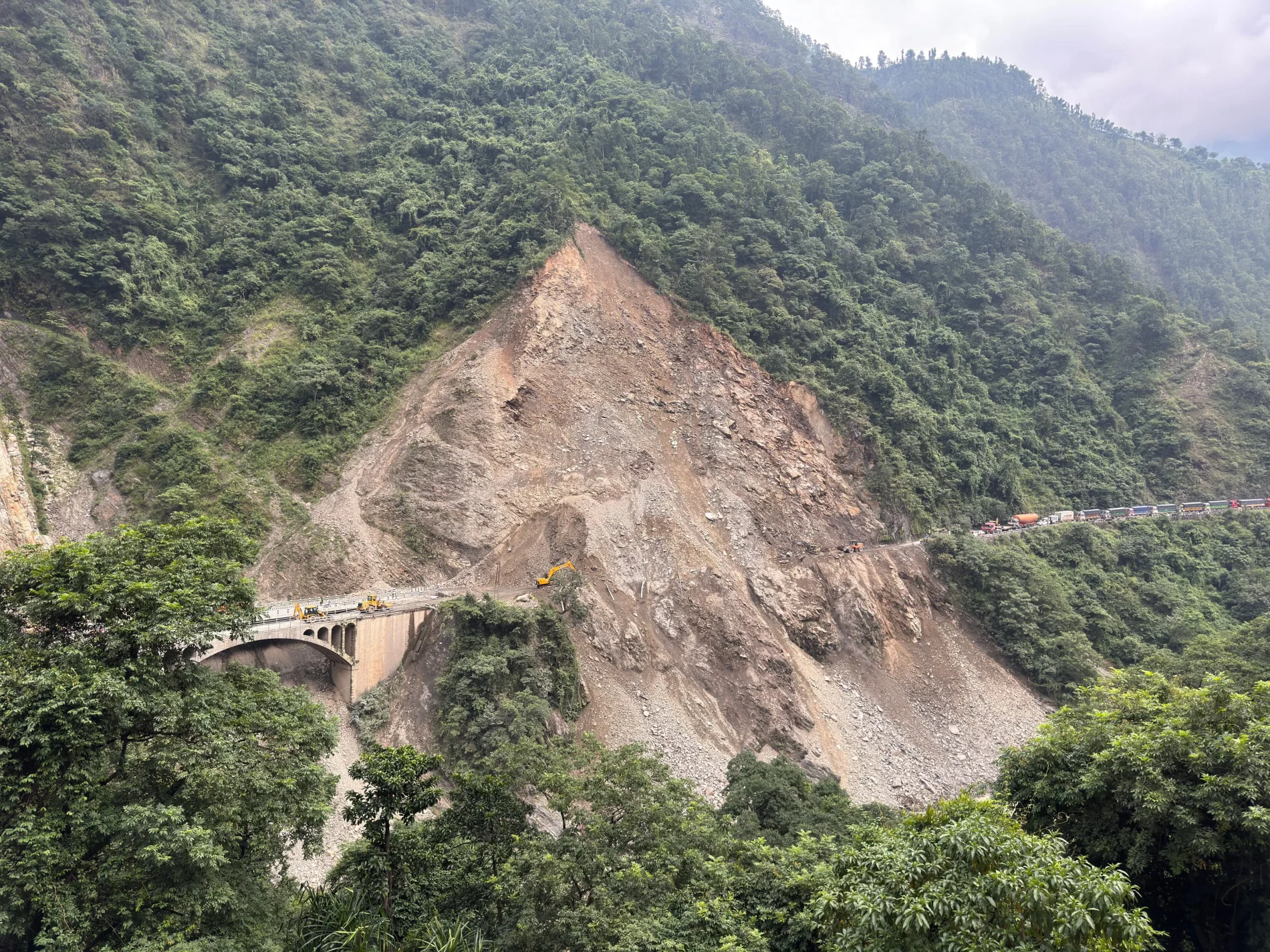
Your Nepal Trek Is Booked, but the Trail Is Closed: What Now?
Imagine arriving in Nepal with your trekking boots ready, your flights booked, your bags packed, and...
Read more