Avoid Long-Distance Travel in Nepal From Friday to Sunday Due to Heavy Rain Forecast
Share:
 Read Time
This blog has 3139 words .This blog has 22617 characters.This blog take 10 minutes to read.
Nepal is one of the world’s most attractive travel destinations, offering Himalayan trekking, scenic road journeys, cultural tours, and adventure activities throughout the year. However, weather conditions play a major role in travel safety, especially during periods of heavy rainfall. According to the recent weather advisory, travelers are recommended to avoid unnecessary long-distance travel from Friday to Sunday due to the possibility of continuous rainfall and challenging conditions in different parts of Nepal.
The heavy rainfall forecast in Nepal has raised concerns for road travelers, trekkers, and adventure seekers planning outdoor activities during this period. Continuous rain can increase the possibility of landslides, floods, road blockages, and transportation delays, particularly in hilly and mountainous regions. Since many popular tourist destinations of Nepal require traveling through winding mountain roads, checking weather conditions before starting a journey has become extremely important.
The Meteorological Forecasting Division has advised caution regarding travel activities, especially long-distance journeys and Himalayan trekking during unstable weather conditions. Trekking routes in high-altitude areas can become more challenging because of slippery trails, poor visibility, heavy snowfall possibilities, and limited rescue access during extreme weather. Therefore, trekkers and travel companies should carefully review the latest updates before continuing or beginning mountain adventures.
Although Nepal remains a beautiful destination throughout the year, responsible travel decisions are necessary during unexpected weather changes. Travelers should not panic, but they should stay informed, follow official recommendations, and adjust their plans if conditions become unsafe. Delaying a journey for a few days can help prevent unnecessary risks and provide a safer travel experience.
This temporary weather situation does not reduce the beauty of Nepal’s destinations. Once conditions improve, travelers can continue exploring the country’s mountains, cultural heritage sites, and natural landscapes. However, during the forecasted rainfall period, safety should remain the top priority for everyone traveling within Nepal.
Nepal Weather Update: Heavy Rainfall Expected From Friday to Sunday
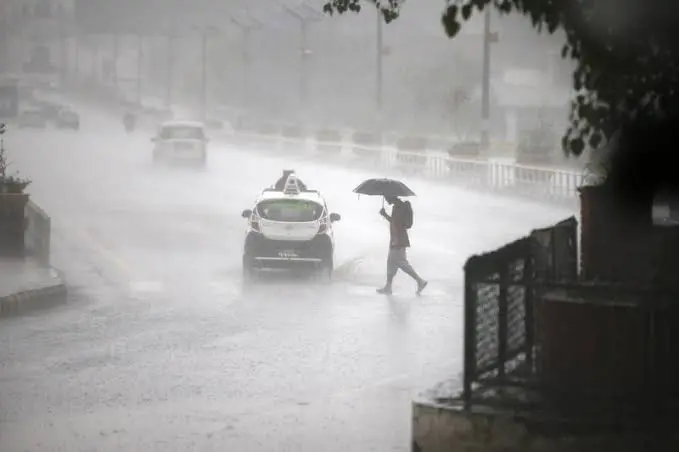
Nepal is expected to experience a period of unstable weather conditions as forecasts indicate the possibility of continuous rainfall from Friday to Sunday. The changing weather pattern may affect several parts of the country, including hilly areas, lowland regions, and Himalayan zones. Due to the possibility of heavy rain, travelers are advised to stay updated with official weather information before planning long-distance journeys or outdoor activities.
The heavy rainfall forecast in Nepal can create difficult conditions in many travel areas, especially where roads pass through hills and mountainous landscapes. Continuous rainfall may increase the chances of landslides, flooding, and road disruptions in vulnerable locations. Since many popular tourist destinations are connected through mountain highways and remote roads, even short periods of intense rain can impact transportation and travel schedules.
The Himalayan region may also experience challenging conditions during this weather period. Higher elevations can face snowfall, strong winds, and reduced visibility, which can make trekking routes more difficult and unsafe. Popular trekking areas that normally attract thousands of visitors may experience temporary disruptions because weather conditions directly affect trail safety, accommodation access, and rescue operations.
The Meteorological Forecasting Division has recommended travelers and local residents to remain cautious during this period. People planning journeys should regularly check weather updates, avoid unnecessary movement in risky areas, and follow safety instructions from local authorities. Travel plans involving mountain roads, river areas, and high-altitude destinations should be arranged with extra care.
For tourists currently in Nepal, this weather update does not mean that all travel activities must completely stop. However, flexibility is important during uncertain weather conditions. Choosing safer alternatives, delaying risky journeys, and communicating with travel agencies or local guides can help ensure a safer experience. Once the weather improves, normal travel activities across Nepal can continue smoothly.
Why Travelers Should Avoid Long-Distance Travel During Heavy Rainfall
During periods of continuous rainfall, long-distance travel in Nepal can become challenging because many major routes pass through hills, mountains, and areas that are naturally more sensitive to weather changes. Although Nepal has developed transportation networks connecting major tourist destinations, heavy rain can quickly affect road conditions and create unexpected difficulties. Therefore, avoiding unnecessary long journeys from Friday to Sunday during the heavy rainfall warning is an important safety decision for travelers.
One of the biggest concerns during heavy rain is the increased possibility of landslides on Nepal’s hilly roads. Many highways and tourist routes are built along mountain slopes where continuous rainfall can weaken the soil and rocks. As a result, roads may become blocked, vehicles may face long delays, and travelers can become stranded for several hours. Routes connecting destinations such as Kathmandu, Pokhara, Chitwan, and different trekking starting points can be affected during severe weather conditions.
Another major risk is flooding and rising water levels in rivers and streams. Nepal has many travel routes that run close to rivers, especially in hilly and lowland areas. Heavy rainfall can increase water flow and make certain crossings or roadside areas unsafe. Travelers heading toward remote destinations should take extra care because alternative routes and emergency support may not always be easily available in such locations.
Weather conditions can also affect public transportation and domestic flights. Poor visibility, strong rainfall, and difficult road situations may cause delays or changes in travel schedules. While airlines and transportation operators generally prioritize passenger safety, travelers should remain prepared for possible changes and avoid making very tight travel plans during unstable weather.
For tourists, postponing a long-distance journey for a few days is often a better option than taking unnecessary risks. Nepal offers many experiences that can be enjoyed safely when weather conditions improve. By following weather updates, communicating with travel companies, and making flexible arrangements, visitors can continue their journey with greater confidence and safety.
Risks of Himalayan Trekking During Heavy Rainfall and Why Treks Should Be Suspended
The Himalayas of Nepal are famous worldwide for their breathtaking landscapes, challenging trails, and unforgettable trekking experiences. However, mountain environments can become unpredictable during periods of heavy rainfall and unstable weather. Because of the recent weather warning, travelers are advised to suspend Himalayan treks from Friday to Sunday until conditions become safer. Postponing a trek for a short period can help prevent serious risks and ensure a better experience in the mountains.
One of the biggest challenges of trekking during continuous rain is the condition of the trails. Mountain paths can become extremely slippery because of wet rocks, muddy sections, and loose soil. In higher areas, rainfall can also increase the possibility of landslides and falling rocks. These conditions can make even normally easy trekking sections more difficult and dangerous, especially for travelers who are not familiar with mountain terrain.
Another concern is poor visibility in Himalayan regions. Clouds, fog, and heavy rain can block mountain views and make navigation more challenging. Trekkers may face difficulties following trails, crossing high passes, or reaching the next destination on time. In remote areas where communication and transportation facilities are limited, bad weather can create additional challenges for both trekkers and rescue teams.
High-altitude trekking routes may also experience colder temperatures, strong winds, and snowfall during unstable weather conditions. Popular trekking regions such as the Everest Region, Annapurna Region, Manaslu Region, and Langtang Region can be affected because weather conditions change quickly at higher elevations. Trekkers planning routes through mountain passes or remote areas should be especially careful and follow guidance from local authorities and experienced guides.
For travelers who already have trekking plans, the best approach is to stay flexible and communicate with trekking agencies, guides, or local authorities before departure. A delayed trek is always safer than taking unnecessary risks in unpredictable mountain weather. Nepal’s Himalayan trails will continue to offer incredible experiences after the weather improves, so prioritizing safety is the most responsible choice during this rainfall period.
Areas and Travel Routes That May Be More Affected by Heavy Rainfall
During periods of continuous rainfall, some regions of Nepal can experience greater challenges because of their geographical conditions. The country’s hilly landscape, mountain roads, and river systems make certain areas more sensitive to heavy weather. Travelers planning journeys during this rainfall period should pay extra attention to destinations connected through mountain highways, remote roads, and high-altitude trekking routes.
The Kathmandu Valley may experience heavy rainfall that can affect local transportation, traffic movement, and daily activities. Although major city areas generally remain accessible, waterlogging and road congestion can create delays. Travelers moving between Kathmandu and other destinations should keep flexible schedules because departure times may change depending on road conditions and weather updates.
The Pokhara region is another important area where travelers should remain cautious during heavy rain. Pokhara is a major gateway for popular trekking routes, including Annapurna region adventures. Roads connecting Pokhara with other parts of Nepal pass through hilly landscapes where rainfall can increase the possibility of landslides and travel interruptions. Trekkers heading toward areas like Annapurna Base Camp, Ghorepani, and other mountain destinations should check conditions before starting their journey.
Mountain highways and remote trekking access roads are among the most vulnerable routes during continuous rainfall. Routes such as the Prithvi Highway, Kathmandu–Pokhara route, and roads leading toward different trekking regions may face delays because of landslides, road maintenance, or traffic management. Travelers should avoid rushing through difficult conditions and should follow updates from transportation providers and local authorities.
The Himalayan regions, including Everest, Annapurna, Manaslu, and Langtang areas, require extra attention because weather changes faster at higher elevations. Heavy rain in lower areas and snowfall at higher altitudes can affect trekking conditions, trail safety, and visibility. Anyone planning mountain activities should communicate with trekking agencies and guides before traveling.
Although these areas may face temporary difficulties during the rainfall period, Nepal remains a safe and beautiful destination when travelers make informed decisions. Checking weather forecasts, avoiding risky routes, and allowing extra time for journeys can help visitors enjoy Nepal more comfortably once conditions improve.
Flight and Transportation Delays During Heavy Rain in Nepal
Heavy rainfall can affect different forms of transportation in Nepal, including road travel, domestic flights, and local movement. Since Nepal has a diverse landscape with mountains, hills, and valleys, weather conditions often play an important role in determining travel schedules. During the forecasted rainfall period from Friday to Sunday, travelers should be prepared for possible delays and changes in their planned journeys.
Domestic flights in Nepal can be affected by poor visibility, strong rainfall, and cloudy weather conditions, especially in mountainous regions. Many popular tourist destinations, including Pokhara, Lukla, and other remote airports, operate in areas surrounded by hills and mountains. When weather conditions become unfavorable, airlines may delay or reschedule flights to maintain passenger safety. Travelers should stay in contact with airlines and allow extra time when planning airport transfers.
Road transportation can also face difficulties during continuous rain. Many long-distance routes in Nepal pass through winding mountain roads where landslides, falling rocks, and water accumulation can create obstacles. Bus services, tourist vehicles, and private transportation may experience delays because drivers need to travel carefully through challenging sections. Travelers should avoid making tight schedules and remain flexible during this period.
For those already traveling in Nepal, it is recommended to communicate regularly with travel agencies, hotel providers, and transportation operators. Local updates are often the most helpful because conditions can change quickly from one area to another. Having alternative plans and extra travel time can reduce stress if unexpected delays occur.
Although weather-related disruptions can be inconvenient, they are temporary measures taken for safety. Nepal’s transportation system continues to operate normally once weather conditions improve. By staying informed and making responsible decisions, travelers can continue enjoying Nepal’s natural beauty and cultural attractions without unnecessary risks.
What Should Trekkers and Tourists Do During This Weather Warning?
During periods of heavy rainfall and unstable weather, making careful travel decisions is extremely important. The current advisory to avoid long-distance travel and suspend Himalayan trekking does not mean that travelers need to cancel their entire Nepal trip. Instead, visitors should adjust their plans, follow official updates, and choose safer options until weather conditions become more stable.
For trekkers who have already planned a Himalayan adventure, the first step should be communicating with their trekking agency, guide, or local representatives. Experienced guides understand mountain conditions and can provide updated information about trail safety, weather changes, and possible alternatives. If a trek needs to be postponed, travelers should consider it a safety measure rather than a disappointment because the Himalayas will remain accessible once conditions improve.
Tourists planning long road journeys should regularly check the latest Nepal weather update before departure. It is better to delay unnecessary travel than to face possible road blockages, landslides, or transportation problems. Travelers should avoid rushing through risky areas and should keep flexible schedules, especially when visiting destinations connected through mountain highways or remote roads.
Those already staying in Nepal can use this time to explore safer activities depending on local weather conditions. Cultural sightseeing in cities, visiting museums, exploring heritage sites, or enjoying local experiences can be good alternatives when outdoor activities are affected. Kathmandu Valley, for example, offers many indoor and cultural attractions that can still be enjoyed during rainy days.
Most importantly, travelers should follow information from official weather authorities, local administrations, and trusted travel professionals. Weather conditions in Nepal can change quickly, especially in mountainous regions. By staying informed and making responsible choices, visitors can protect their safety while still enjoying the beauty and diversity of Nepal.
Travel Safety Tips During Continuous Rainfall in Nepal
Traveling in Nepal during heavy rainfall requires extra preparation and awareness because weather conditions can change quickly, especially in hilly and mountainous regions. While rain is a natural part of Nepal’s climate, continuous rainfall can create challenges for road travel, trekking, and outdoor activities. Following proper safety measures can help travelers avoid unnecessary difficulties and enjoy a safer journey.
The first and most important step is to check the latest Nepal weather forecast before traveling. Weather conditions can vary significantly between different regions, so travelers should not rely only on general information. Before starting a long-distance journey or trekking adventure, check updates from official weather authorities and communicate with local guides, transportation providers, or travel agencies for the latest situation.
Travelers should avoid unnecessary night travel during heavy rainfall. Visibility becomes lower after dark, and road conditions can become more difficult because of water accumulation, slippery sections, or possible landslide areas. Starting journeys during daylight hours provides better safety and allows drivers, guides, and travelers to respond more effectively if unexpected problems occur.
Carrying proper rain gear is also essential when traveling during Nepal’s rainy period. A waterproof jacket, rain cover for bags, comfortable shoes, and quick-drying clothes can make travel much easier. Trekkers should also ensure they have suitable equipment because wet trails, cold temperatures, and changing mountain conditions can create additional challenges.
Another important safety measure is keeping flexible travel plans. Delays, route changes, or temporary cancellations may happen during extreme weather conditions. Instead of following a strict schedule, travelers should allow extra time and remain open to adjustments. Responsible planning helps reduce stress and ensures a safer experience throughout the journey.
Finally, travelers should always respect local warnings and avoid taking unnecessary risks for the sake of completing a planned itinerary. Nepal’s mountains, roads, and natural landscapes will continue to offer amazing experiences after the weather improves. Prioritizing safety during heavy rainfall is the best way to ensure a memorable and enjoyable trip in the future.
When Can Travelers Resume Normal Travel in Nepal?
Travelers can resume normal journeys in Nepal once weather conditions become stable and official authorities confirm that the risks related to heavy rainfall have reduced. Since weather patterns can change quickly, there is no fixed time for all regions to return to normal conditions. Some areas may recover quickly, while hilly and mountainous locations may require additional time for road inspections, trail checks, and safety assessments.
Before restarting long-distance travel or Himalayan trekking, visitors should check the latest Nepal weather update and confirm the condition of their planned route. Roads may require inspection after heavy rainfall because landslides, flooding, or minor damages can affect transportation. Similarly, trekking trails need to be assessed carefully, especially in remote areas and high-altitude regions where rescue access can be limited.
For trekkers planning to continue their Himalayan journey after the rainfall period, contacting trekking agencies and local guides is highly recommended. Local professionals have better knowledge about trail conditions, accommodation availability, and possible safety concerns. They can provide updated advice about whether a route is ready for visitors or if additional waiting time is needed.
Once the weather improves, Nepal’s popular destinations will gradually return to normal travel conditions. Trekking regions such as Everest, Annapurna, Langtang, and Manaslu will continue welcoming visitors, while road connections between major tourist cities will operate as conditions allow. Travelers should remain patient and prioritize safety instead of immediately rushing back into affected areas.
Nepal remains a beautiful destination throughout the year, and temporary weather disruptions are a normal part of traveling in a mountainous country. By waiting for safer conditions, following official updates, and planning responsibly, visitors can enjoy Nepal’s landscapes, culture, and adventure experiences with greater confidence.
Conclusion: Travel Safely During Nepal’s Heavy Rainfall Period
Nepal’s natural beauty attracts travelers from around the world, but the country’s diverse landscape also means that weather conditions can strongly influence travel safety. During the current period of continuous rainfall, avoiding unnecessary long-distance travel and postponing Himalayan treks is a responsible decision that helps protect travelers from possible risks such as landslides, floods, poor visibility, and difficult trail conditions.
The recent heavy rainfall warning in Nepal is a reminder that adventure and exploration should always be balanced with proper preparation. Although Nepal offers incredible experiences through trekking, road trips, and outdoor activities, safety should always come before completing a fixed travel schedule. A short delay can create a much safer and more enjoyable journey once conditions become favorable again.
For tourists already in Nepal, staying updated through official weather reports, communicating with travel agencies, and following guidance from local authorities are the best ways to make informed decisions. Flexible planning is especially important during uncertain weather because conditions can improve or change within a short period of time.
The Himalayas, cultural heritage sites, and natural landscapes of Nepal will continue to welcome visitors after the weather improves. Travelers do not need to cancel their dreams of exploring Nepal, but they should choose the right timing and travel responsibly. Respecting nature and understanding weather conditions are essential parts of a safe travel experience.
By staying patient, informed, and prepared, visitors can continue to enjoy everything Nepal has to offer. Once the rainfall period passes and travel conditions become safer, the country’s mountains, trails, and cultural destinations will again provide unforgettable experiences for travelers from around the world.

Similar Blogs
View all
13/10/2026
Manaslu Circuit Trek After the October 2026 Floods: Trail Conditions, Safety and Travel Updates
The Manaslu Circuit Trek is one of Nepal’s most rewarding Himalayan journeys, taking trekkers through traditional...
Read more
13/10/2026
Your Nepal Trek Is Booked, but the Trail Is Closed: What Now?
Imagine arriving in Nepal with your trekking boots ready, your flights booked, your bags packed, and...
Read more