10 Reasons to Trek Ghorepani Ghandruk | Nepal Trek Guide
Share:
 Read Time
This blog has 2776 words .This blog has 18784 characters.This blog take 9 minutes to read.
Not every Himalayan trek needs to take you above 5,000 meters or require weeks away from civilization. Some trails offer a surprisingly complete Nepal experience within a shorter journey. The Ghorepani Ghandruk Trek is one of those routes, bringing together mountain scenery, traditional villages, forests, local culture, and comfortable trekking stages.
Located in the Annapurna region, this route connects some of the most scenic settlements around the southern Annapurna landscape. Ghorepani is known for its access to Poon Hill, while Ghandruk is a traditional Gurung village with impressive views of the surrounding mountains. The Nepal Tourism Board describes Ghandruk as a scenic Gurung settlement with views toward Annapurna South, Gangapurna, Annapurna III, Hiunchuli, and Machhapuchhre.
For travelers who want to experience the Himalayas without committing to a long, high-altitude expedition, the Ghorepani Ghandruk Trek can be an excellent introduction. Although the trail still includes plenty of uphill and downhill walking, its moderate altitude and developed trekking infrastructure make the journey approachable for many first-time trekkers.
So, what makes this route worth adding to your Nepal itinerary? Here are 10 reasons.
1. Enjoy spectacular Himalayan mountain views
One of the biggest reasons to choose the Ghorepani Ghandruk Trek is the scenery. The trail offers changing views throughout the journey rather than keeping the mountains in the background for only one or two days.
As you walk through forests and villages, different peaks gradually appear between the trees and ridges. Depending on the viewpoint and weather, you can see impressive sections of the Annapurna range, Dhaulagiri, Machhapuchhre, Hiunchuli, and Annapurna South.
The landscape is especially attractive because the mountains are combined with green hills, terraced farmland, forests, and traditional settlements. Therefore, the trek does not feel like a single mountain-view hike. Instead, every walking day brings a slightly different landscape.
For photographers, early mornings are particularly rewarding because clear mountain silhouettes often appear before clouds build up later in the day.
2. Watch sunrise from Poon Hill
A major attraction connected with the Ghorepani Ghandruk Trek is the early-morning walk to Poon Hill. At 3,210 meters, Poon Hill is one of the most popular viewpoints in the Annapurna region.
The usual experience starts before sunrise. Trekkers leave Ghorepani with headlamps and climb toward the viewpoint while the surrounding hills are still dark. After reaching the top, the landscape slowly changes as the first light touches the Himalayan peaks.
The Nepal Tourism Board identifies Poon Hill above Ghorepani as a viewpoint for panoramic views of the Annapurna and Dhaulagiri ranges.
Although the morning climb can feel demanding after waking up early, the changing colors across the mountains make the effort worthwhile. This is also one reason many travelers remember the Ghorepani Ghandruk Trek long after returning home.
3. Experience traditional Gurung culture
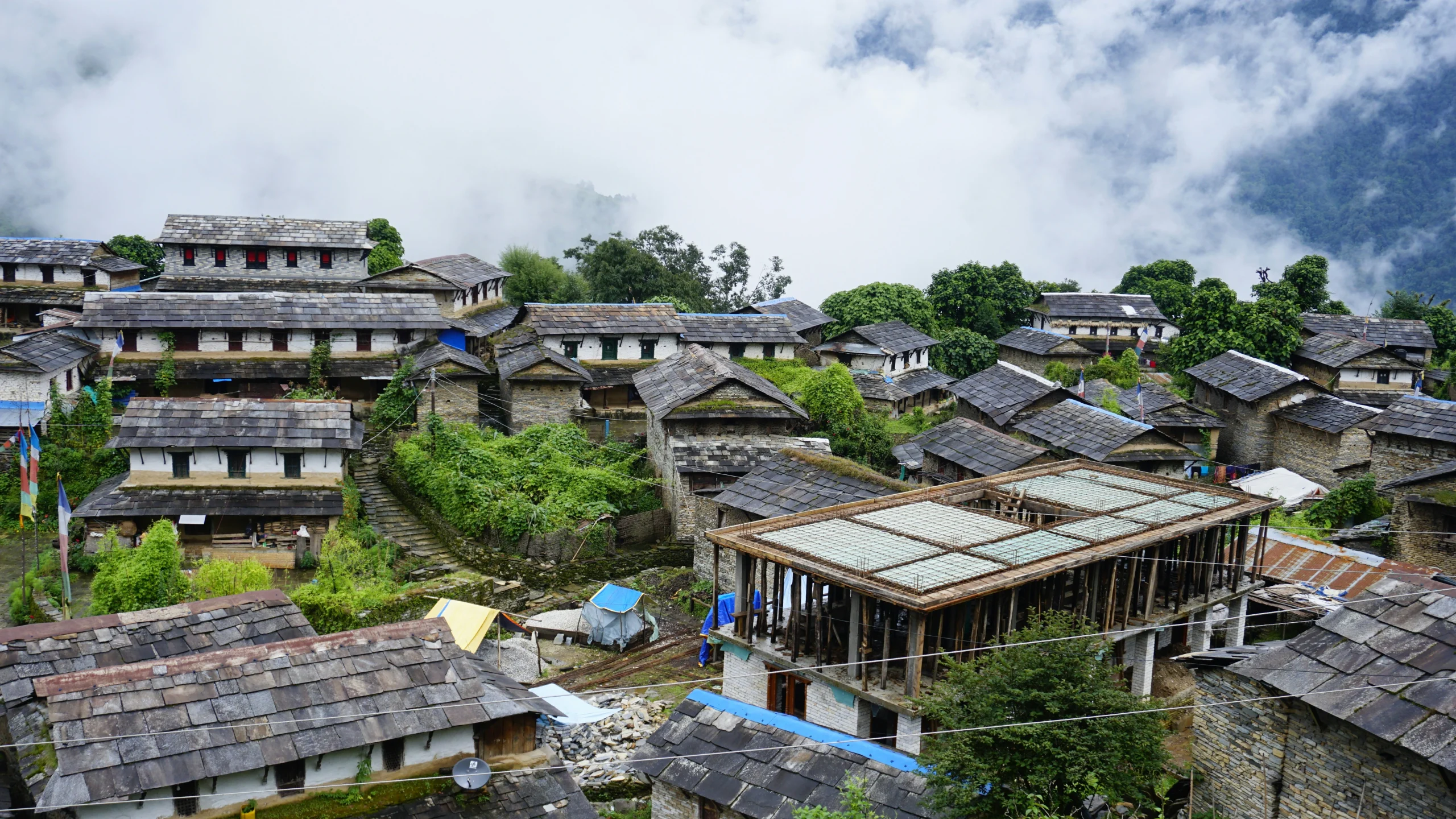
The mountains are only one part of this trekking experience. The villages along the route provide an opportunity to see how communities in the Annapurna foothills have developed around farming, tourism, and local traditions.
Ghandruk is particularly important because it is a traditional Gurung village. The Nepal Tourism Board notes that the village has a Gurung museum and offers views of several major Himalayan peaks.
Walking through Ghandruk allows visitors to see stone-paved paths, traditional houses, terraced fields, local shops, and community spaces. You can also spend time in the village rather than simply passing through it.
This cultural side makes the Ghorepani Ghandruk Trek different from a trip focused only on reaching a high mountain destination. You are not simply walking toward a viewpoint; you are moving through communities with their own history and identity.
4. Walk through beautiful rhododendron forests
If you enjoy walking through forests, this route has another major attraction. The trail passes through areas of rhododendron forest, which become especially colorful during spring.
Rhododendron is Nepal’s national flower, and the forests around Ghorepani are particularly well known. During the flowering season, sections of the trail can become filled with red, pink, and other shades of blossoms.
The National Trust for Nature Conservation describes the Annapurna region as having extensive rhododendron forest around Ghorepani.
However, the forest is enjoyable even when the flowers are not blooming. Tall trees provide shade, birds can often be heard around the trail, and the forest creates a completely different atmosphere from the open mountain viewpoints.
For this reason, the Ghorepani Ghandruk Trek works well for travelers who want scenery beyond dramatic Himalayan peaks.
5. It is suitable for a shorter Himalayan holiday
Not everyone has the time for a two- or three-week expedition. Work schedules, flights, family commitments, and limited vacation days can make long Himalayan journeys difficult.
One advantage of the Ghorepani Ghandruk Trek is that it can be arranged as a relatively short trekking holiday. Depending on the starting point, walking pace, transportation arrangements, and itinerary, travelers can experience the main highlights within several days.
Nepal Tourism Board material lists the Ghorepani-Poon Hill route as approximately four to seven days, depending on the itinerary.
The exact duration of the Ghorepani Ghandruk Trek can therefore be adjusted according to your available time and preferred walking distance. Some travelers may want a relaxed schedule with longer village stays, while others may prefer a more active itinerary.
6. Experience the Annapurna Conservation Area
Another reason to take this route is its setting inside the Annapurna Conservation Area. The region is not simply a trekking destination; it is also an important conservation landscape.
According to the National Trust for Nature Conservation, the Annapurna Conservation Area covers 7,629 square kilometers and supports a wide range of plant and animal species as well as communities from different cultural and linguistic backgrounds.
This makes the Ghorepani Ghandruk Trek an opportunity to experience both natural and cultural diversity within one journey.
The conservation area also reflects the importance of responsible tourism. Trekkers should avoid leaving waste behind, respect local customs, stay on established trails, and use water and other resources carefully.
The National Trust for Nature Conservation has also published an updated management plan for the Annapurna Conservation Area in 2026, showing that conservation and sustainable management remain active priorities in the region.
7. Stay in local mountain villages
A good trek is not only about walking. Where you sleep and what you experience at the end of each day also shapes the journey.
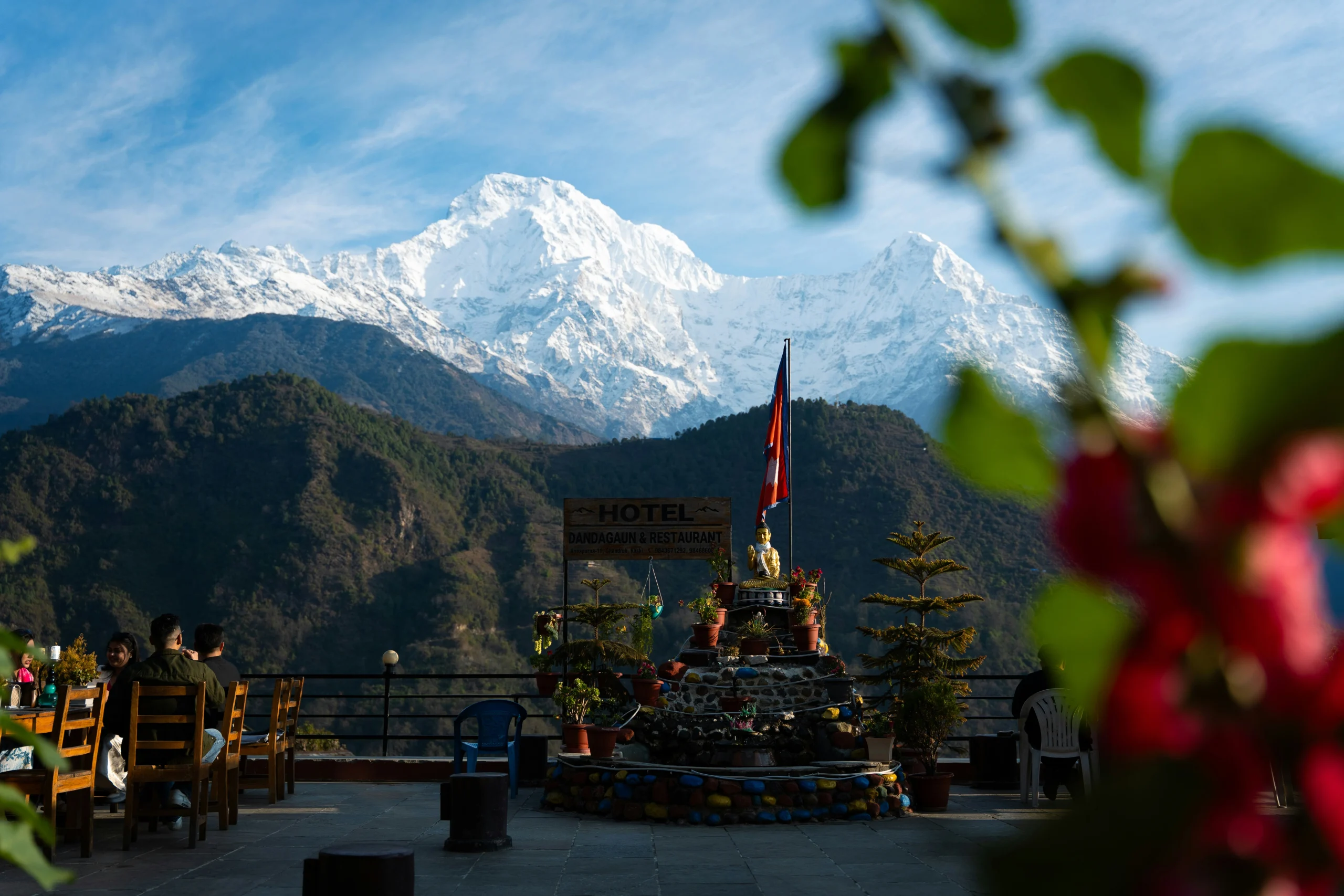
Along the Ghorepani Ghandruk Trek, travelers can stay in mountain lodges and guesthouses. This means you can experience evenings in trekking villages rather than spending the entire trip camping in remote wilderness.
After several hours on the trail, sitting in a simple dining room with a warm meal and talking with fellow travelers can become one of the most enjoyable parts of the trip.
Ghandruk also has accommodation and lodging facilities, and the Nepal Tourism Board notes that hotels and lodges are available in several places around the village.
Although facilities are more basic than city hotels, that is part of the experience. The quiet evenings, mountain surroundings, and slower pace allow you to experience a different side of Nepal.
8. Combine nature with village photography
If you enjoy photography, the route provides plenty of subjects beyond mountain panoramas.
You can photograph terraced hillsides, stone pathways, forests, village architecture, prayer flags, local markets, mountain silhouettes, and everyday life. Early morning light around the villages can be particularly attractive, while late afternoon often creates softer conditions for landscape photography.
The Ghorepani Ghandruk Trek is also interesting because the scenery changes frequently. One moment you may be walking beneath dense forest, and later you may arrive at an open ridge with a wide Himalayan view.
Instead of trying to photograph everything quickly, take time to observe the surroundings. Ask before photographing people, especially when capturing portraits, and respect local customs.
9. Connect with other Annapurna trekking routes
Another advantage of the area is its connection with several other trekking routes.
Ghandruk can serve as part of longer Annapurna itineraries, while trails in the surrounding region connect with destinations such as Tadapani, Landruk, and routes toward Annapurna Base Camp. The Nepal Tourism Board also identifies several trekking trails around Ghandruk and the wider Annapurna region.
This means the Ghorepani Ghandruk Trek does not have to be viewed as an isolated route. Depending on your experience, available time, and trekking goals, it can be combined with another Annapurna journey.
For travelers considering a longer adventure, you can also explore our Annapurna Base Camp Trek and compare the walking experience with a shorter Ghorepani and Ghandruk itinerary.
Likewise, travelers interested in a different part of the Annapurna region can consider the Mardi Himal Trek for a different mountain landscape and trail experience.
10. Enjoy a Himalayan adventure without extreme altitude
Perhaps the most practical reason to choose the Ghorepani Ghandruk Trek is that it provides a genuine Himalayan trekking experience without taking you to the extreme elevations associated with many famous Nepal expeditions.
The highest major viewpoint on the usual route is Poon Hill at around 3,210 meters. This is still high enough that travelers should walk sensibly, stay hydrated, and pay attention to how they feel, but the route is considerably lower than destinations such as Everest Base Camp or the high passes of the Annapurna region.
The Ghorepani Ghandruk Trek therefore suits travelers who want mountain scenery, physical activity, culture, and village experiences without committing to an extremely high-altitude expedition.
That does not mean the trek is effortless. There are plenty of stone steps and uphill sections, particularly around the approaches to Ghorepani and Poon Hill. However, regular walking and basic preparation can make the experience much more manageable.
Best time for the Ghorepani Ghandruk Trek
The best seasons generally offer a combination of clearer mountain views and comfortable trail conditions.
Spring, particularly March to May, is popular because rhododendrons bloom across parts of the region. Autumn, from September to November, is also widely preferred for trekking because the weather is often favorable for mountain views.
Nepal Tourism Board lists March–May and September–November among the best seasons for trekking in the Annapurna region.
Winter can bring cold mornings and occasional snow around higher sections, although lower villages can still be accessible depending on conditions. The monsoon months bring more rain, slippery trails, clouds, and leeches in some areas.
Therefore, choosing your travel month should depend on whether your priority is clear mountain views, flowers, quieter trails, or a particular travel schedule.
What permits do you need?
The route lies within the Annapurna Conservation Area, so trekkers need the appropriate conservation-area entry permit.
The current NTNC online permit system specifically lists both the Ghorepani/Poon Hill Trek and the Ghorepani Ghandruk Circuit Trek under the Annapurna Conservation Area.
Trekking regulations can change, so it is important to confirm the latest requirements before departure rather than relying on an old blog or forum post. The NTNC system currently states that permits are non-transferable and non-refundable and should be carried throughout the trip.
TIMS requirements should also be checked before traveling. Nepal Tourism Board’s current TIMS information lists Poon Hill-ABC among Annapurna routes requiring a licensed guide and agency-issued TIMS card under the revised provisions.
For a specific Ghorepani and Ghandruk itinerary, your trekking agency can confirm the permits and current requirements applicable to your exact route.
How difficult is the trek?
The Ghorepani Ghandruk Trek is generally considered a moderate trekking experience, but difficulty depends on your fitness, walking pace, itinerary, and trail conditions.
The biggest challenge for many travelers is not altitude but repeated uphill and downhill sections. Stone steps can be tiring, particularly if you are not accustomed to walking for several hours each day.
A few weeks of regular walking, stair climbing, or moderate cardiovascular exercise before your trip can help. Good footwear is equally important because some sections can become slippery after rain.
You should also avoid rushing. Although the route is relatively accessible, giving yourself enough time to rest, eat properly, and enjoy the villages can make the entire experience more comfortable.
Why choose Silver Moon Adventure for the Ghorepani Ghandruk Trek?
Choosing the right trekking company is about more than simply arranging transportation and accommodation. A well-organized trek should have a practical itinerary, clear communication, experienced local staff, appropriate permits, and support throughout the journey.
Silver Moon Adventure can help travelers plan the Ghorepani Ghandruk Trek according to their available time, walking ability, preferred accommodation, and broader Nepal travel plans.
The itinerary can also be adjusted when appropriate rather than treating every traveler exactly the same. For international visitors, having reliable local support can make the difference between simply completing a trek and actually enjoying the journey.
If you want to combine the trek with time in Pokhara or another Nepal destination, the itinerary can also be planned around your wider travel schedule.

Starts from
USD 1,550
Ghorepani Ghandruk Luxury Trek- 09 days
The Ghorepani Ghandruk Luxury Trek is a premium Himalayan adventure that combines the breathtaking beauty of the Annapurna region...
Duration:
09 days
Max altitude:
2,874 meters at Ghorepani
What should you pack?
You do not need expedition-level equipment for this trek, although good preparation is still important.
Pack comfortable trekking shoes with good grip, breathable trekking clothes, a warm layer, rain protection, sunglasses, sunscreen, a reusable water bottle, basic personal medication, toiletries, and a small daypack.
Because temperatures can change considerably between morning and afternoon, layering is more practical than carrying one very heavy jacket.
A headlamp is especially useful if you plan to walk to Poon Hill before sunrise. Trekking poles can also help reduce pressure on your knees during long downhill sections.
Most importantly, pack according to the season. Spring and autumn conditions can be very different from winter or monsoon weather.
Final thoughts
The appeal of the Ghorepani Ghandruk Trek comes from how much it offers within a relatively manageable Himalayan journey. You can walk through rhododendron forests, watch sunrise from Poon Hill, explore a traditional Gurung village, enjoy views of famous Annapurna peaks, and spend nights in mountain communities.
Although the route is shorter and lower than some of Nepal’s famous high-altitude treks, it does not feel like a lesser Himalayan experience. Instead, it provides a balanced combination of nature, culture, mountain scenery, and adventure.
For first-time trekkers, the Ghorepani Ghandruk Trek can be a comfortable introduction to trekking in Nepal. For experienced hikers, it can work as a shorter escape into the Annapurna landscape.
Most importantly, do not rush through it simply because it is a shorter route. Stop at the villages, look beyond the obvious viewpoint, talk with local people respectfully, and give yourself time to appreciate the changing landscape. Sometimes, the best Himalayan memories are created between the major attractions.
Frequently Asked Questions
1. How long is the Ghorepani Ghandruk Trek?
The Ghorepani Ghandruk Trek can usually be completed in several days, depending on the starting and ending points and the pace of the group. A customized itinerary can be made for travelers with limited time.
2. What is the highest point of the Ghorepani Ghandruk Trek?
Poon Hill is the highest major viewpoint on the standard route, standing at approximately 3,210 meters. It is famous for sunrise and panoramic Himalayan views.
3. Is the Ghorepani Ghandruk Trek suitable for beginners?
Yes, the Ghorepani Ghandruk Trek is often suitable for beginners with reasonable fitness. However, the route includes uphill sections, downhill walking, and many stone steps, so some preparation is recommended.
4. What mountains can I see on the Ghorepani Ghandruk Trek?
Depending on the weather and viewpoint, trekkers may see Annapurna South, Annapurna III, Hiunchuli, Machhapuchhre, and Dhaulagiri, among other surrounding peaks.
5. When is the best time for the Ghorepani Ghandruk Trek?
Spring and autumn are commonly preferred. Spring offers rhododendron flowers, while autumn often provides good visibility and comfortable trekking conditions.
6. Do I need a permit for the Ghorepani Ghandruk Trek?
Yes. The route falls within the Annapurna Conservation Area, and the required conservation-area entry permit must be obtained. Current requirements should be confirmed before departure through the relevant authority.
7. Can I combine the Ghorepani Ghandruk Trek with Annapurna Base Camp?
Yes. Ghandruk is connected with trails leading toward the Annapurna Base Camp trekking route. Travelers with additional time can create a longer Annapurna itinerary.
8. Is Poon Hill included in the Ghorepani Ghandruk Trek?
Poon Hill is commonly included because it is one of the major attractions near Ghorepani. Many trekkers make an early-morning climb to the viewpoint for sunrise.
9. What type of accommodation is available?
The Ghorepani Ghandruk Trek mainly uses local trekking lodges and guesthouses. Facilities vary between villages, but travelers can generally find rooms and meals along the established route.
10. How should I prepare for the Ghorepani Ghandruk Trek?
Start walking regularly before your trip and include stairs or uphill walking in your preparation. Bring comfortable trekking shoes, layered clothing, rain protection, water, sunscreen, and a headlamp for the early Poon Hill climb.

Similar Blogs
View all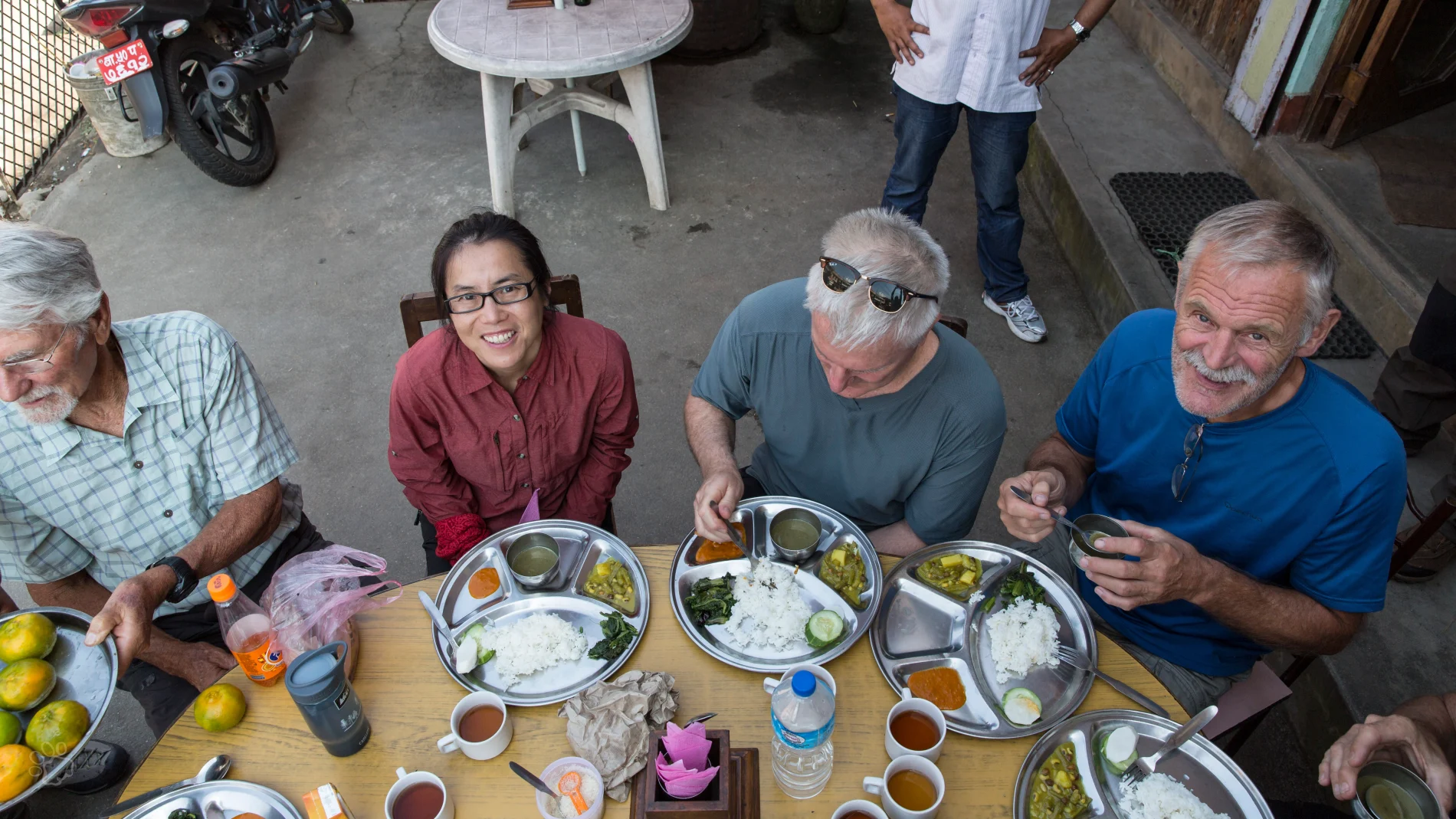
13/10/2026
Manaslu Circuit Trek After the October 2026 Floods: Trail Conditions, Safety and Travel Updates
The Manaslu Circuit Trek is one of Nepal’s most rewarding Himalayan journeys, taking trekkers through traditional...
Read more
13/10/2026
Your Nepal Trek Is Booked, but the Trail Is Closed: What Now?
Imagine arriving in Nepal with your trekking boots ready, your flights booked, your bags packed, and...
Read more