A Day in the Life of a Trekker in the Himalayas
Share:
 Read Time
This blog has 2850 words .This blog has 17421 characters.This blog take 10 minutes to read.
There is a special rhythm to mountain travel. A day does not begin when the alarm rings; it begins when the first pale light reaches the peaks and someone quietly unzips a sleeping bag. A day in the life of a trekker is made of small moments: hot tea before sunrise, dusty boots, steady footsteps, changing landscapes, simple meals, tired legs, and conversations that somehow feel deeper than they would at home.
For travelers visiting Nepal, this rhythm is one of the most memorable parts of Himalayan trekking. Although the famous mountains are often the main reason people come, the experience is not only about reaching a viewpoint or standing beneath a giant peak. It is also about how ordinary life changes when your home for several days is a trail.
A day in the life of a trekker can look different on an Everest, Annapurna, Mardi Himal, or Langtang route. However, many days share the same basic pattern: wake early, eat well, walk at a comfortable pace, stop regularly, enjoy the landscape, reach the next village, and rest before doing it all again.
Before Sunrise: The Mountain Wakes You Up
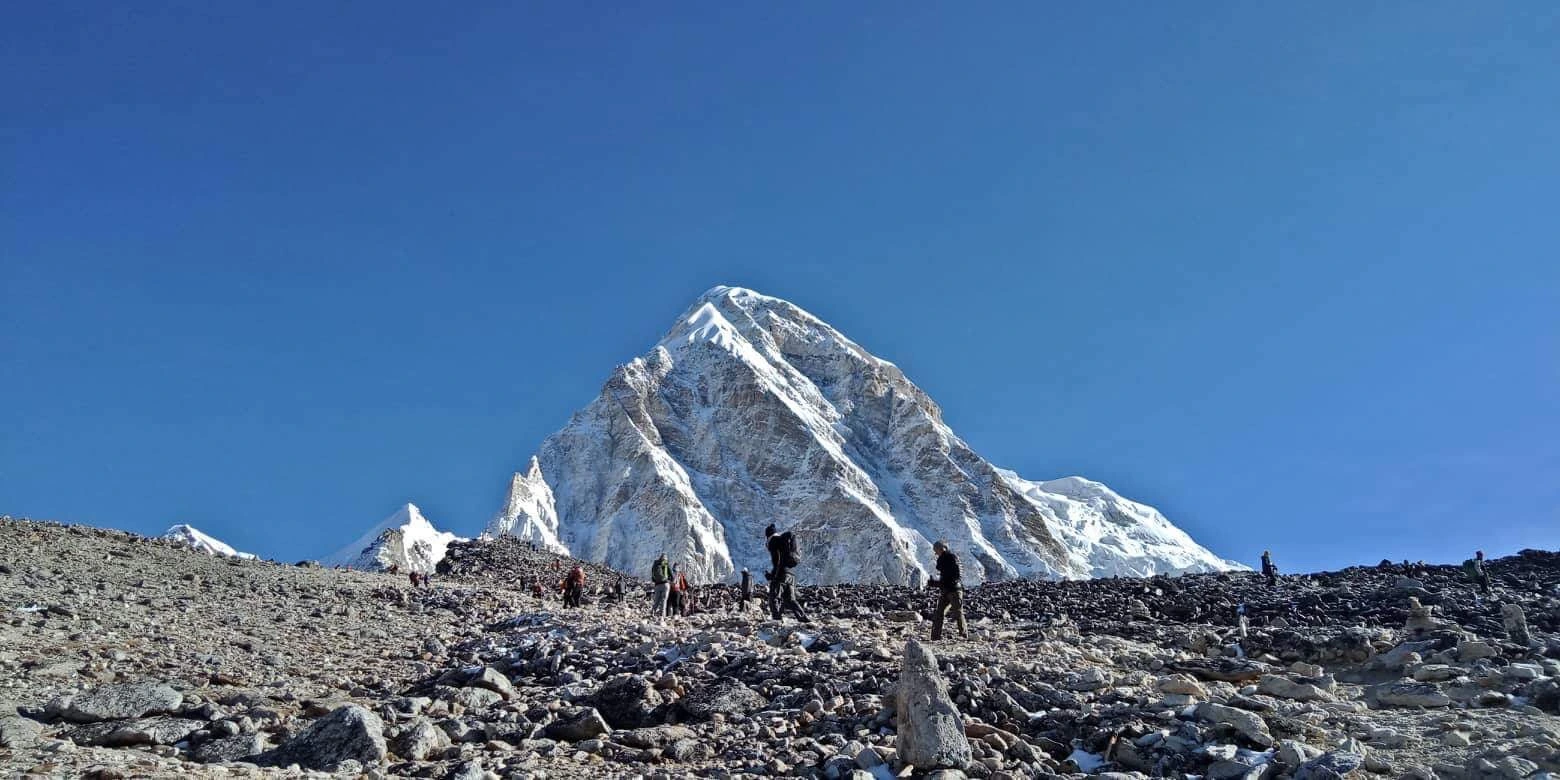
One of the most memorable parts of a day in the life of a trekker is waking before the sun. In a mountain teahouse, mornings are usually quieter than in a city. You may hear footsteps in the corridor, a door opening, or someone preparing breakfast while the rest of the village is still asleep.
The temperature can be cold, particularly at higher elevations, so leaving a warm sleeping bag is often the first challenge of the morning. Once you are dressed, you pack your day bag and check the essentials: water, warm layers, snacks, camera, phone, sunglasses, sunscreen, and anything you may need during the walk.
Then comes one of the best moments: stepping outside.
The mountains may look completely different from the previous evening. Early sunlight can slowly reach the ridges, while clouds sit below the trail. Sometimes the sky is clear and the peaks appear sharp. On other mornings, mist hides everything. That uncertainty is part of the experience.
A day in the life of a trekker rarely follows a perfect schedule, and that is exactly what makes it enjoyable.

Breakfast Before the Trail
Breakfast is not simply another meal during a trek. It is fuel for several hours of walking.
A typical mountain breakfast may include porridge, eggs, bread, pancakes, Tibetan-style bread, potatoes, noodles, or another simple local option. Tea and coffee are also common, although drinking enough water throughout the day becomes increasingly important as you gain altitude.
The goal is not to eat an enormous meal. Instead, choose food that gives you steady energy and feels comfortable in your stomach.
This is also when your guide or trekking partner may discuss the day’s route. You may learn how long the walk is expected to take, where lunch will be served, whether there is a significant climb, and what the weather looks like.
A day in the life of a trekker becomes much easier when you understand the day’s rhythm before you start walking.
The First Hours on the Trail
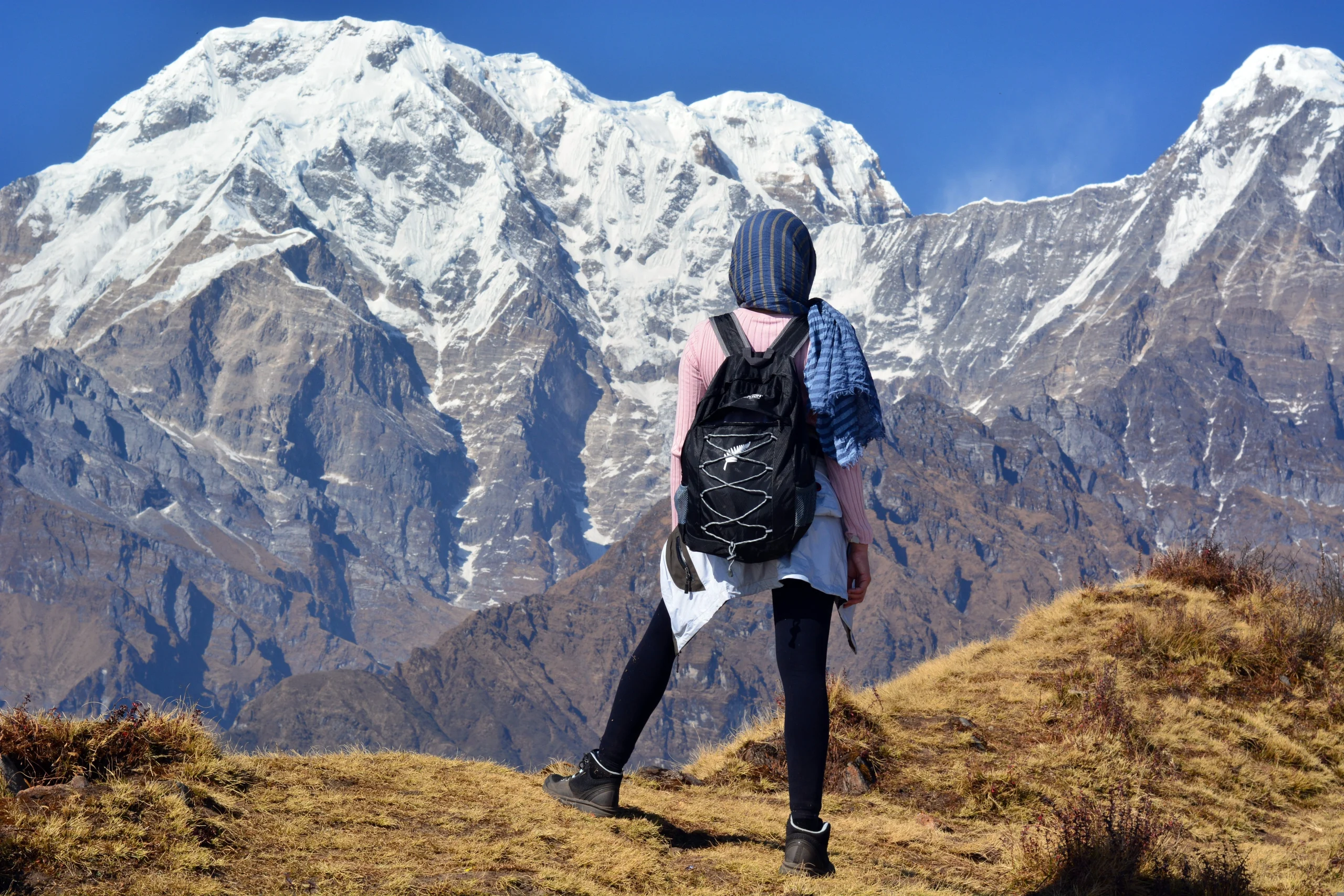
The first steps often feel easier than expected. For many visitors, a day in the life of a trekker begins with this simple feeling of leaving the lodge and discovering what the trail has prepared.
Your body is fresh, the air is cool, and the trail is usually quieter.
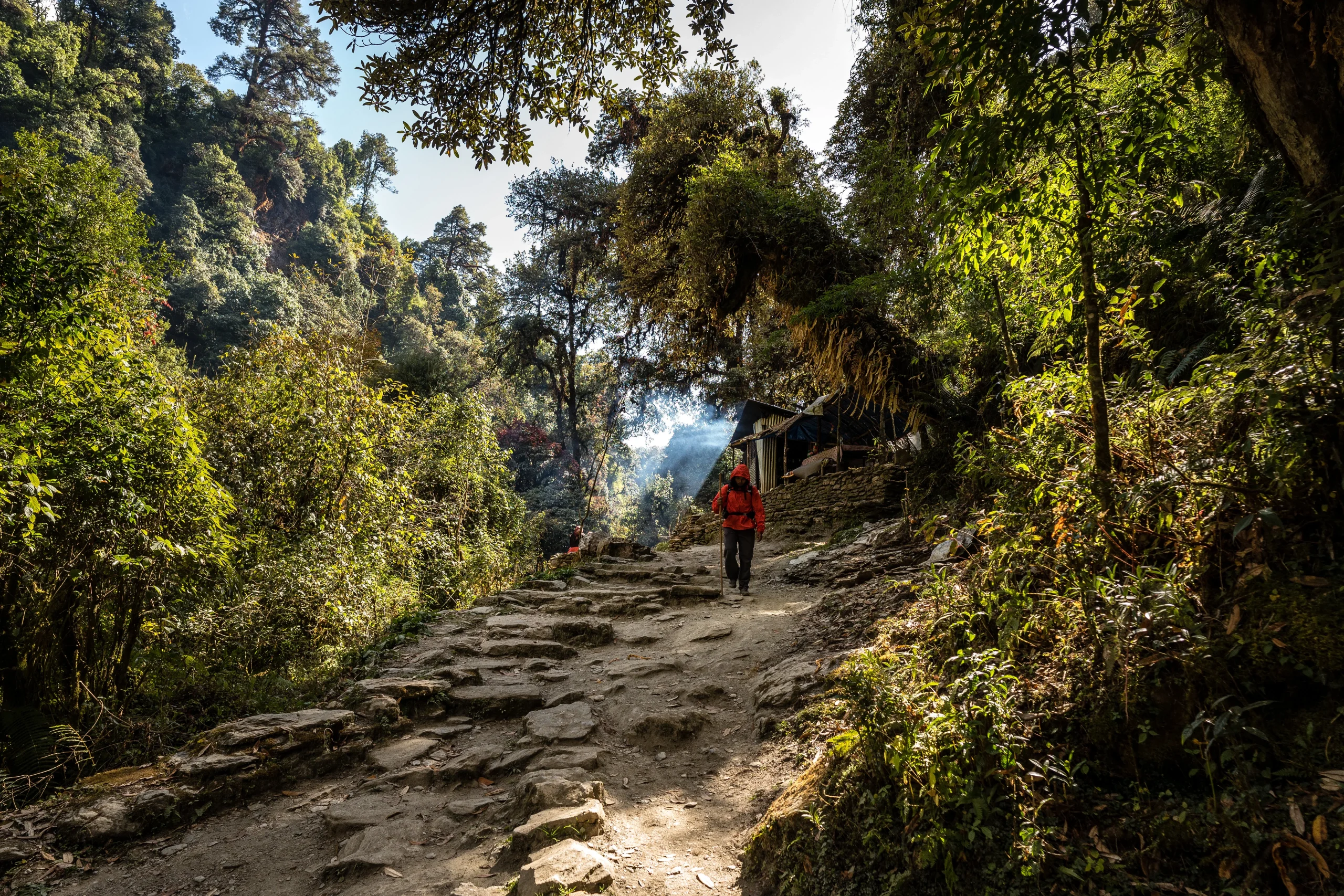
Depending on the route, you may walk through pine or rhododendron forests, cross suspension bridges, pass stone walls, or follow a narrow trail above a river. On village routes, you may see farmers working in fields, children heading to school, animals being moved between settlements, or locals carrying supplies.
This is where Himalayan trekking becomes more than a mountain walk. You are moving through living communities rather than simply passing through scenery.
The pace should normally be comfortable. There is little value in racing uphill for an hour and then struggling for the rest of the day. Regular short breaks can help you drink water, adjust clothing, eat a snack, and enjoy the surroundings.
A day in the life of a trekker is usually measured in hours of steady movement rather than speed.
The Trail Is Not Always Easy
Photographs of the Himalayas can make trekking look peaceful from beginning to end. The reality has more variety.
One section may be a gentle forest path, while the next may involve stone steps, loose ground, a long uphill climb, or a steep descent. Weather can also change quickly in the mountains. A sunny morning can become cloudy, windy, or wet later in the day.
Your legs may become tired, especially on consecutive trekking days. You may also notice that breathing feels different as you gain altitude.
This is why pacing matters. At higher elevations, taking things slowly is not a sign of weakness. It is a sensible way to manage effort.
If you develop symptoms that could indicate altitude sickness, such as a headache, unusual dizziness, nausea, or worsening weakness, tell your guide or trekking partner rather than trying to hide it.
A day in the life of a trekker should be challenging, but it should not become a competition against your own body.
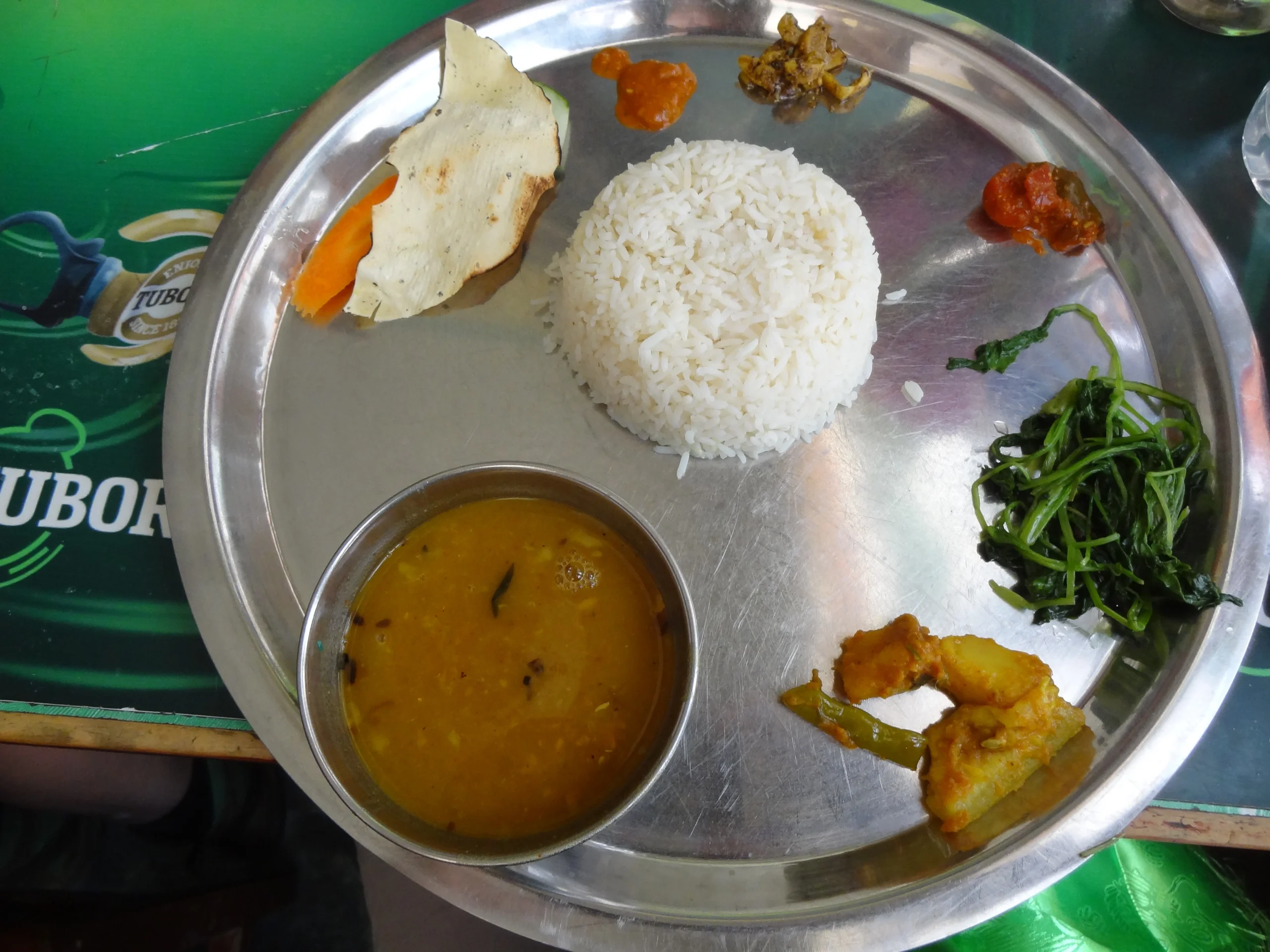
Lunch on the Mountain
By late morning or around midday, hunger usually becomes impossible to ignore.
Lunch is often taken at a teahouse, lodge, or small restaurant along the route. Dal bhat, noodles, pasta, soup, rice dishes, potatoes, and other simple meals are common choices.
Dal bhat is especially practical because it combines rice, lentils, vegetables, and other sides and can provide a filling meal before the afternoon section.
Lunch also gives your body a chance to recover. Instead of treating the break as wasted time, use it properly. Drink water, check your feet, add or remove a layer, and allow your breathing to settle.
A day in the life of a trekker is not just about walking. Knowing when to stop is equally important.
The Afternoon Section
The afternoon can feel completely different from the morning.
Your backpack may feel heavier. Your legs may be tired, and the excitement of the first few hours has settled into a steady routine. However, this is often when the trail becomes especially rewarding.
The light changes as the sun moves across the sky. Mountain walls can look different from every bend, and villages that seemed far away in the morning gradually come closer.
Sometimes you will walk for an hour without speaking much. Other times you may meet trekkers from different countries and exchange a few words. You might share the same table later in a teahouse, even though you met only a few hours earlier.
These simple encounters are a major part of a day in the life of a trekker. The mountains create a temporary community where people often have very different lives but the same tired legs.
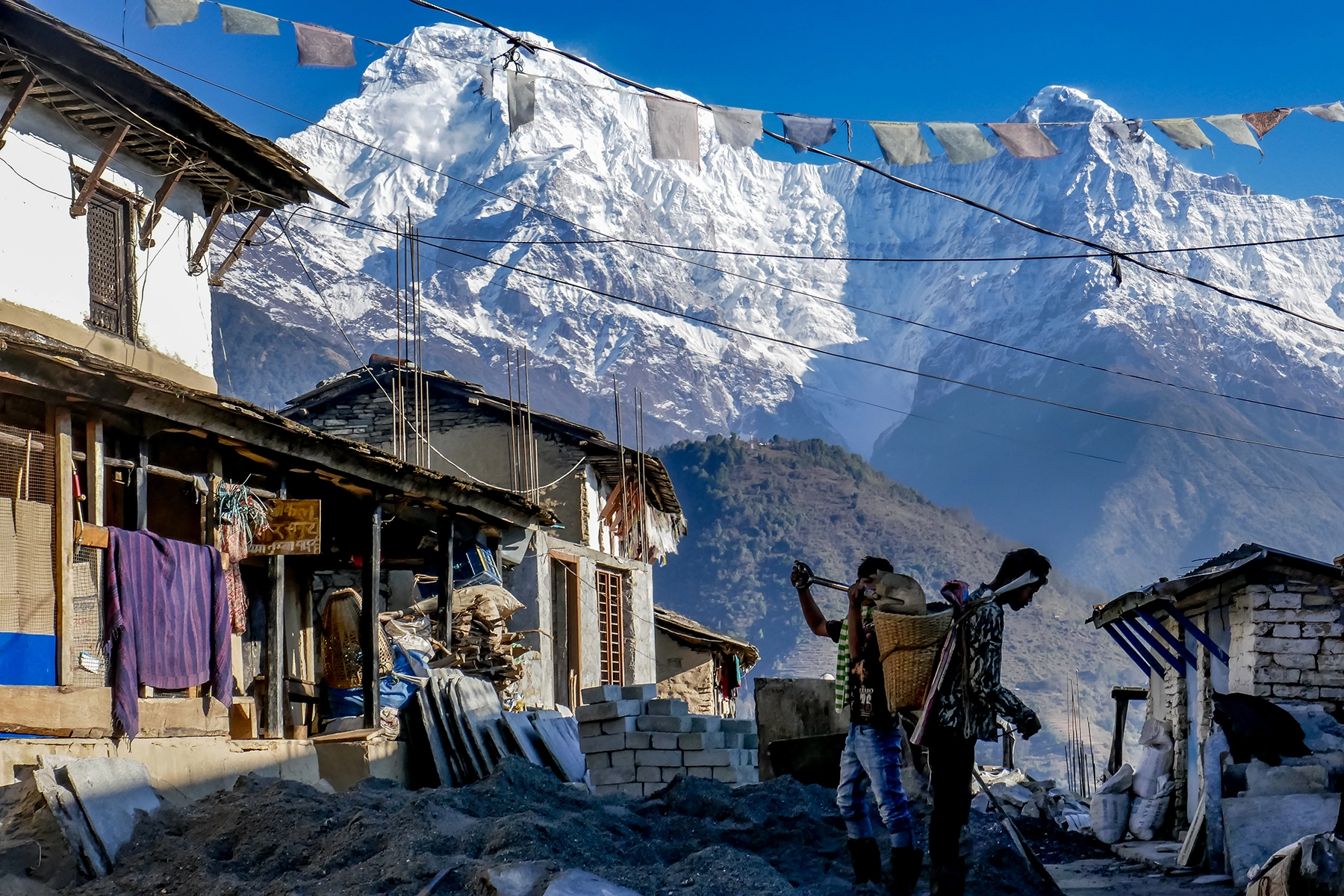
Arriving at the Next Village
Reaching your destination is one of the most satisfying moments of the day.
You may see the village from a distance and suddenly realize that the hardest section is almost finished. After checking into your teahouse or lodge, you can put down your backpack, remove your boots, wash your face, and finally relax.
At lower elevations, accommodation may offer more facilities, while higher mountain settlements can be much simpler. Hot showers may not always be available or may cost extra. Internet and electricity can also vary by location.
The important thing is to adjust your expectations. Trekking is not a hotel-to-hotel holiday. The simplicity is part of the experience.
A day in the life of a trekker often ends in a small room with basic furniture, a warm dining room, and a view that would be difficult to find anywhere else.
The Evening Around the Teahouse
Evenings in the mountains have their own atmosphere.
Trekkers gather around the dining area, order tea, talk about the trail, check photographs, read, play cards, or simply watch the fire or stove.
Your guide and local staff may also become part of the conversation. This is one of the best opportunities to learn about the communities along the route. You may hear about farming, weather, local festivals, mountain life, or how tourism has changed the village.
Although the day may have been physically demanding, evenings can feel surprisingly social.
A day in the life of a trekker is therefore not just a story about nature. It is also a story about people.
Dinner and Preparing for Tomorrow
Dinner is usually another simple but satisfying meal. After several hours on your feet, even an ordinary bowl of soup can taste excellent.
Once dinner is finished, it is time to prepare for the next morning. Charge your devices if electricity is available, refill your water, organize your clothes, pack your day bag, and keep anything you need in an easy-to-reach place.
Do not wait until morning to search for socks, gloves, or your headlamp. When it is cold and you are tired, organization becomes surprisingly valuable.
If your next day involves a higher elevation, your guide may also discuss the route and the need to maintain a comfortable pace.
A day in the life of a trekker becomes easier when tomorrow’s small problems are solved tonight.
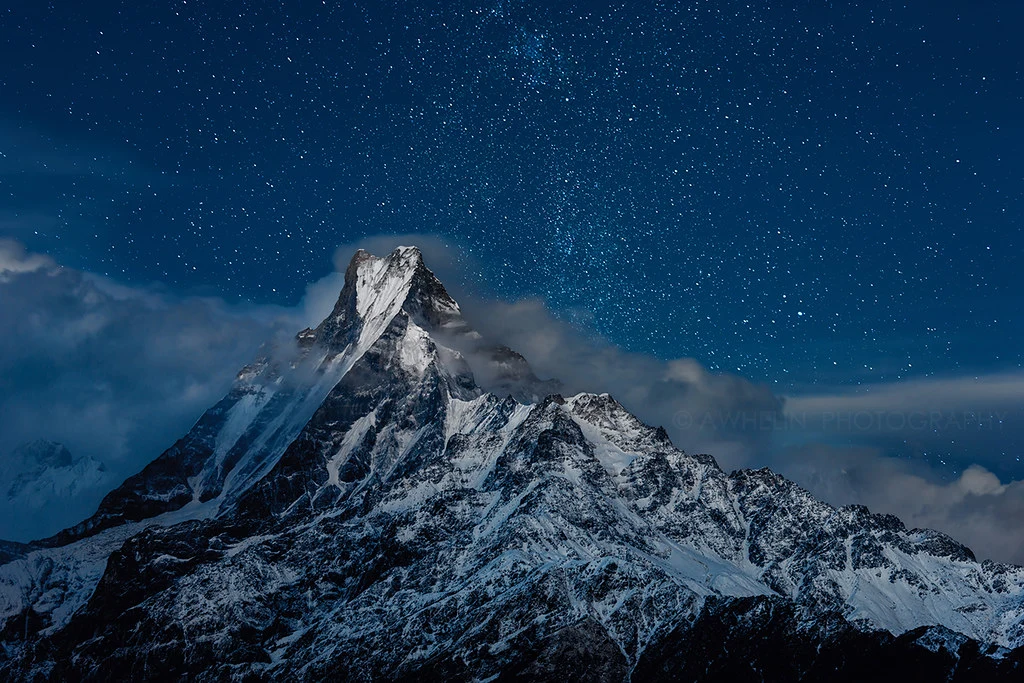
The Night Sky and the Quiet
Then the mountain becomes quiet.
Away from large cities, the night can feel dramatically darker. On a clear evening, stars may appear across the sky, while the silhouettes of mountains remain visible in the distance.
You may be exhausted enough to fall asleep quickly. Alternatively, sleeping at altitude can take some adjustment. The room may be cold, the bed unfamiliar, and the sound of wind outside can keep you awake.
Either way, this quiet is part of what makes mountain travel memorable.
You have spent the day walking through forests, villages, valleys, and high mountain landscapes. Now you are lying in a small room, knowing that another trail awaits in the morning.
That is the simple cycle of a day in the life of a trekker.
What Makes a Himalayan Trekking Day Special?
The answer is not one single thing. A day in the life of a trekker can be memorable precisely because no two trekking days feel exactly the same.
It could be the first view of a snow-covered peak. It could be a cup of tea after a long climb. It could be crossing a suspension bridge, hearing bells from animals on the trail, sharing lunch with your guide, or reaching a village just before sunset.
Although these moments appear small, they become the memories people carry home.
Nepal’s trekking routes are also culturally rich. Trekking allows visitors to experience both natural landscapes and the communities that live along the mountain trails. Popular regions include Everest, Annapurna, and Langtang, while many other trails offer different landscapes and cultural experiences.
A day in the life of a trekker is therefore different from a standard sightseeing day. You are not simply visiting a place. You are moving through it slowly enough to notice details.
How to Make Your Trekking Day More Comfortable
Start slowly. Especially at higher elevations, there is no prize for reaching the next village first. A day in the life of a trekker is easier when your pace leaves enough energy for the entire route.
Drink regularly and carry enough water for the section of trail ahead. Keep snacks accessible so you do not have to unpack your entire bag every time you need energy.
Dress in layers because mountain weather can change. A lightweight waterproof layer can be useful even when the morning begins under a clear sky.
Protect yourself from the sun. UV exposure can feel stronger at higher elevations, so sunglasses, sunscreen, and appropriate clothing are useful.
Look after your feet. Comfortable trekking socks, properly fitted boots, and regular checks can prevent small problems from becoming major ones.
Most importantly, listen to your body. If you feel unwell, communicate early. Follow current local trekking and safety requirements for your route, particularly when traveling into higher elevations.
Why Choose Silver Moon Adventure?
A well-planned Himalayan trek should leave enough space for discovery while still giving you reliable support. Silver Moon Adventure can help organize the practical side of a Nepal trekking journey, including route planning, permits, accommodation, guides, and trekking logistics, depending on the itinerary.
The benefit of having experienced local support is that you can focus more on the trail, the scenery, and the people around you instead of trying to solve every logistical problem yourself.
Before booking, always check the current requirements for your chosen route because Nepal’s trekking rules and permit requirements can differ according to the region.
A day in the life of a trekker is much more enjoyable when the important arrangements are handled before you reach the mountains.
A Day in the Himalayas Is More Than a Walk
At the end of the trek, you may remember the big mountain views first. However, after some time, the smaller memories often become just as important.
You remember the person who served tea on a cold morning. You remember laughing with another trekker after a difficult climb. You remember the sound of a river below the trail. You remember taking off your boots after a long day. You remember standing outside the teahouse when the clouds finally opened and the mountains appeared.
That is why a day in the life of a trekker is difficult to describe with a simple timetable. Every route changes the experience. Every season changes the landscape. Every traveler notices different things.
The mountains teach you to slow down. They make simple routines feel meaningful.
And perhaps that is the real attraction of Himalayan trekking: for a few days, life becomes wonderfully simple. Wake up. Walk. Eat. Rest. Look around. Repeat.
10 FAQs About a Day in the Life of a Trekker
1. What time does a typical trekking day start in Nepal?
Many trekkers start between early morning and around sunrise, although the exact time depends on the route, distance, weather, and planned destination.
2. How many hours do trekkers walk each day?
It varies by itinerary. Many trekking days involve several hours of walking, but distance and walking time should be adjusted for altitude, terrain, fitness, weather, and acclimatization needs.
3. What do trekkers usually eat for breakfast?
Common choices include eggs, bread, pancakes, porridge, potatoes, Tibetan-style bread, tea, and coffee. The exact menu depends on the teahouse and trekking region.
4. What is lunch like during a Himalayan trek?
Lunch is usually simple and filling. Dal bhat, noodles, soup, pasta, rice dishes, and potatoes are common options along established trekking routes.
5. Is trekking in the Himalayas difficult?
Difficulty depends on the route, altitude, terrain, duration, weather, and individual fitness. A short lower-altitude trek can feel very different from a high-altitude multi-day route.
6. What happens if I feel sick while trekking?
Tell your guide or trekking partner immediately. Do not ignore symptoms that may indicate altitude sickness or another health problem. Depending on the situation, the itinerary may need to be adjusted or you may need to descend.
7. Do Himalayan teahouses have electricity?
Many established trekking areas have electricity, although availability can vary by location and weather. Charging may also involve an additional fee in some lodges.
8. Why does reaching the summit feel amazing for exactly five minutes?
Because your brain celebrates first and then remembers you still have to walk back down.
9. What should I carry in my daypack?
Useful items include water, snacks, a waterproof layer, warm clothing, sunscreen, sunglasses, personal medication, a phone or camera, a headlamp, and basic first-aid supplies.
10. What is the most memorable part of a trekking day?
There is no single answer. For some travelers it is a mountain sunrise, while others remember village life, conversations, food, wildlife, forests, or the feeling of reaching the day’s destination.
Final Thoughts
A Himalayan trek is made from many ordinary moments that become extraordinary because of where you experience them.
The early alarm, the cold floor, the first cup of tea, the first uphill section, the lunch break, the tired legs, the village ahead, and the quiet evening all become part of one larger story. In the end, a day in the life of a trekker is less about completing a checklist and more about experiencing the journey.
You come to the Himalayas looking for mountains, but you often return home remembering a much bigger experience.

Similar Blogs
View all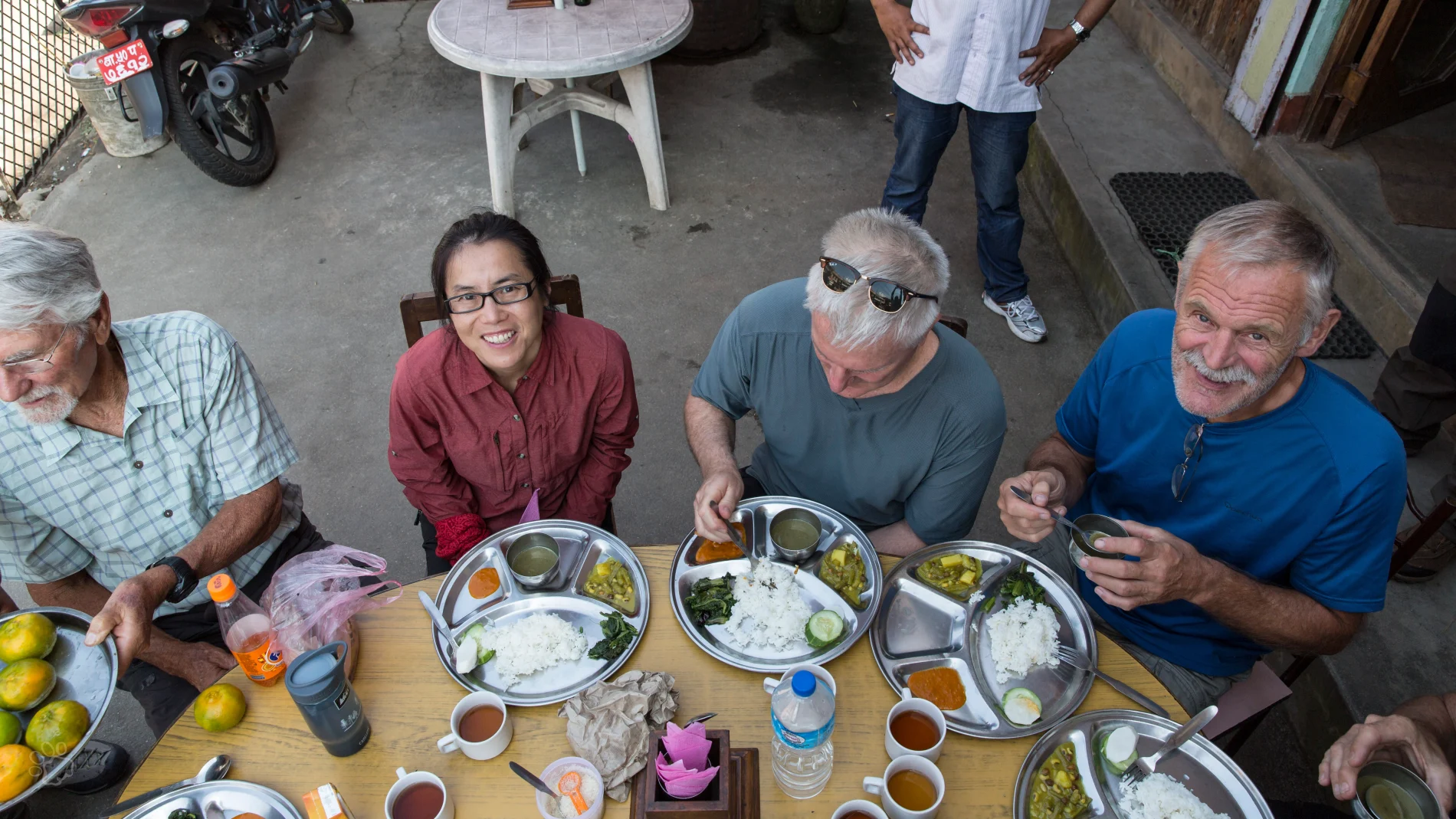
13/10/2026
Manaslu Circuit Trek After the October 2026 Floods: Trail Conditions, Safety and Travel Updates
The Manaslu Circuit Trek is one of Nepal’s most rewarding Himalayan journeys, taking trekkers through traditional...
Read more
13/10/2026
Your Nepal Trek Is Booked, but the Trail Is Closed: What Now?
Imagine arriving in Nepal with your trekking boots ready, your flights booked, your bags packed, and...
Read more