

Can Beginners Trek in Nepal? Complete Guide for First-Time Trekkers (2026)
Share:

 Read Time
This blog has 4680 words .This blog has 26999 characters.This blog take 16 minutes to read.
Can Beginners Trek in Nepal? Yes, absolutely. Nepal offers many beginner-friendly trekking routes with stunning Himalayan views, comfortable tea houses, and well-marked trails. Whether you are planning your first hiking adventure or looking for an easy mountain experience, this guide covers everything you need to know before trekking in Nepal.
Nepal has trails for all kinds of travelers. Some trails are short and easy to walk and some are longer and harder. Trails like the Ghorepani Poon Hill Trek, Mardi Himal Trek, Langtang Valley Trek and Everest View Trek are great for beginners because they have beautiful mountain views and you do not need to know how to climb to walk on them.
The important thing for a good first trek is to pick the right trail walk at a pace that feels good to you get ready for the high altitude and go trekking at the right time of year. A lot of people who’re new to trekking also like to go with a local guide, which makes the trip safer easier and more fun.
In this guide you will learn if people who are new to trekking can go to Nepal, which trails are the best, for beginners how to get ready what to bring with you and some helpful tips to make your trip to the Himalayas fun and exciting.
Can Beginners Trek in Nepal?
The answer to this question is yes. Nepal is a place for people who are trekking for the first time. Some trails in the Himalayas are very hard to walk on. Many trails are okay for beginners who are healthy and willing to get ready before they go on their trip.
Some people think you need to know how to climb mountains to trek in Nepal.. This is not true. Most popular trekking routes in Nepal are just walking trips, not climbing trips. You do not need equipment like ropes or ice axes to go on beginner-friendly treks like the Ghorepani Poon Hill Trek, Mardi Himal Trek, Langtang Valley Trek or Everest View Trek.
The important things are how fit you are how well you prepare and choosing a trek that is right for you. If you can walk for hours a day and exercise before your trip you can do many of the famous trekking routes in Nepal.
Many people who are trekking for the time also like to hire a local guide. A guide can help you find your way set a pace find a place to stay and know what to do at high altitudes. This way you can enjoy your trip more. Feel more confident. Trekking with a company that has experience is also a good idea because they can help you during your whole trip.
If you plan your trip well have ideas about what you can do and have a positive attitude you can have a great time trekking in Nepal. The goal is not to walk fast as you can but to enjoy every step of your trip and look at the beautiful mountains and local culture. Beginners can really trek in Nepal. Have a great experience. Trekking in Nepal is an adventure for beginners because Nepal has many trekking routes that are perfect, for beginners.
Why Nepal is the Best Destination for Beginner Trekkers
Nepal is a place for people who want to go trekking for the first time. Nepal is home to eight of the worlds fourteen mountains, including Mount Everest. The country of Nepal is really good for beginner trekkers because Nepal has a lot to offer. Nepal has hundreds of trekking routes that’re perfect for people who are new to trekking.
People who are trekking for the time love Nepal for many reasons. Here are some reasons why first-time trekkers love Nepal:
- Nepal has established trekking trails that are easy to follow.
- Nepal has teahouse accommodation where you can rest.
- The local communities in Nepal are very friendly.
- Trekking packages in Nepal are affordable.
- Nepal has licensed guides who can help you.
- The scenery in the Himalayas is incredible.
- Nepal has a culture that you can experience.
- You can choose from itineraries that suit your fitness level.
Most treks in Nepal involve walking for 4 to 6 hours per day. This makes trekking in Nepal achievable, for anyone who has a level of fitness and wants to go trekking in Nepal. Trekking in Nepal is an experience and people who go trekking in Nepal really enjoy it.
Best Beginner Trek in Nepal
Nepal has a lot of trails that are really good for people who are trekking for the first time. The beginner treks in Nepal have paths that are easy to walk on and there are lots of comfortable places to stay and eat. The views of the Himalayas are really amazing. Here are some of the beginner treks, in Nepal. Nepal has mountains, nice people and trails that are easy to trek. This makes Nepal one of the places to start your trekking journey. Trekking in Nepal is an adventure that combines nature, culture and a sense of achievement. It is something you will never forget.
1. Ghorepani Poon Hill Trek

Starts from
USD 665
Annapurna Base Camp Trek via Poon Hill – 12 days
The Annapurna Base Camp Trek via Poon Hill is the kind of journey that unfolds naturally over time. This...
Duration:
12 days
Max altitude:
4,130 meters at Annapurna Base Camp
Duration: 4–5 Days
Maximum Altitude: 3,210 m (10,531 ft)
Difficulty: Easy to Moderate
Best Season: Spring (March–May) & Autumn (September–November)
Starting Point: Nayapul (via Pokhara)
Accommodation: Tea Houses
Best For: First-time trekkers, families, photographers
2. Mardi Himal Trek

Starts from
USD 550
Mardi Himal Trek- 09 days
The Mardi Himal Trek is a beautiful short trekking journey in the Annapurna region that offers a perfect balance...
Duration:
09 days
Max altitude:
4,500 meters at Mardi Himal Base Camp
Duration: 4–6 Days
Maximum Altitude: 4,500 m (14,764 ft)
Difficulty: Moderate
Best Season: Spring & Autumn
Starting Point: Kande or Phedi (via Pokhara)
Accommodation: Tea Houses
Best For: Beginners with good fitness
3. Langtang Valley Trek

Starts from
USD 540
Langtang Valley Trek- 10 days
The Langtang Trek is one of the best short trekking adventures in Nepal. This 10-day journey takes you into...
Duration:
10 days
Max altitude:
4,800m at Kyanjin Ri
Duration: 7–10 Days
Maximum Altitude: 3,870 m (12,697 ft) at Kyanjin Gompa (Optional hike to Kyanjin Ri: 4,773 m / 15,659 ft)
Difficulty: Moderate
Best Season: Spring & Autumn
Starting Point: Syabrubesi
Accommodation: Tea Houses
Best For: Beginners looking for a longer Himalayan trek
4. Everest View Trek

Starts from
USD 1,250
Everest Panorama Trek – 09 days
The Everest Panorama Trek – 09 Days is the perfect choice if you want to experience the beauty of...
Duration:
09 days
Max altitude:
3,860 meters at Hotel Everest View
Duration: 5–7 Days
Maximum Altitude: 3,880 m (12,730 ft)
Difficulty: Moderate
Best Season: Spring & Autumn
Starting Point: Lukla
Accommodation: Tea Houses
Best For: Beginners who want to see Mount Everest
5. Pikey Peak Trek
Duration: 5–7 Days
Maximum Altitude: 4,065 m (13,337 ft)
Difficulty: Easy to Moderate
Best Season: Spring (March–& Autumn (September–November)
Starting Point: Dhap
Ending Point: Phaplu (or Dhap, depending on the itinerary)
Accommodation: Tea Houses
Best For: Beginners, nature lovers, and trekkers looking for a less-crowded trail
How Fit Do You Need to Be for Trekking in Nepal?
One of the worries for people who are new to trekking is how fit they need to be. The good news is that you don’t have to be super fit or an athlete to enjoy trekking in Nepal. Most treks that are good for beginners need a level of fitness.. With some preparation many people can complete them successfully.
For treks you will walk for 4 to 7 hours a day on mountain trails. Some days you will go up hills, down steep slopes and up stone stairs. So it’s an idea to build up your stamina before your trip. Simple things like walking, hiking, jogging, cycling or climbing stairs a times a week can make a big difference.
Here are some things you should be able to do to have a fitness level for trekking:
- Walking 8 to 10 km comfortably.
- Hiking for 4 to 6 hours without feeling too tired.
- Climbing stairs without needing to stop
- Carrying a backpack that weighs 5 to 8 kg.
- Keeping a pace on uneven trails.
Trekking is not a race. Walking slowly taking breaks often and drinking plenty of water are more important than being fast. Many guides who have lots of experience follow a rule: “Walk slowly and enjoy the journey.” They remind us to take it and enjoy the trek.
If you have any conditions or you have not been active for a while it’s a good idea to talk to your doctor before planning a high-altitude trek. Choosing a route that matches your fitness level will help you enjoy the experience safely and comfortably. You can pick a trek that’s right for you.
With the preparation and a positive attitude most beginners can complete popular treks like the Ghorepani Poon Hill Trek, Mardi Himal Trek, Langtang Valley Trek and Everest View Trek without any previous trekking experience. These treks are great for people who’re new, to trekking.
Best Time for Beginners to Trek in Nepal
When you are going to Nepal for trekking for the time the time of year you go can make a big difference. You can go trekking in Nepal at any time of the year. The spring and autumn seasons are the best times for beginners. The weather is really nice during these seasons you can see the mountains clearly. It is comfortable to walk.
Spring (March to May)
Spring is a time for people who are going trekking for the first time in Nepal. The weather is mild and nice the sky is often clear. The hills are covered with beautiful rhododendron flowers. You can see the mountains well which makes it a great time to do popular treks like the Mardi Himal Trek and the Ghorepani Poon Hill Trek.
Why do people like to go trekking in Nepal in the spring?
- The temperature is right during the day
- The rhododendron forests are in bloom
- You can see the mountains well
- It is a great time to take nice pictures
Autumn (September to November)
Autumn is the time of year when most people go trekking in Nepal. After the rain the air is clean the sky is clear. You can see the Himalayan mountains really well. The weather is stable which makes it a great time for beginners to go trekking.
Why do people like to go trekking in Nepal in the autumn?
- You can see the mountains clearly
- The weather is dry and stable
- The temperature is just right
- It is the time to do most trekking routes
Winter (December to February)
Winter is a good time to go trekking if you want to avoid crowds. The trails are quiet and peaceful. There are not many other trekkers around. You can still do lower-altitude treks like the Ghorepani Poon Hill Trek and the Australian Camp Trek. The higher trails can be cold and snowy.
Why do people like to go trekking in Nepal in the winter?
- There are not other trekkers around
- The trails are quiet and peaceful
- The landscapes are beautiful with snow
- It is a time to do lower-altitude treks
Monsoon (June to August)
When it is the monsoon season it rains a lot in many of the trekking areas, which makes the trails muddy and slippery. However some areas like Upper Mustang and Dolpo do not get much rain because they are in a special area that gets less rain.
Why do people like to go trekking in Nepal in the monsoon?
- Fewer crowds on the trails
- Lush green landscapes and blooming forests
- Ideal season for Upper Mustang and Upper Dolpo
- A unique trekking experience away from the peak tourist season
Do Beginners Need a Guide or Porter?
When people go trekking in Nepal for the time they often wonder if they should hire a guide or a porter. The thing is it really depends on the kind of trek you are going on how experience you have and how you feel about hiking in the mountains.. For most people who are new to trekking it is a good idea to hire a guide.
A local guide does a lot more than just show you the way. They help you figure out the route find a place to stay teach you about the culture make sure you are not walking too fast or too slow and watch out for signs that you might be getting sick from the high altitude. If the weather gets bad or something unexpected happens a guide who knows what they are doing can help you make choices.
A porter is someone who carries your backpack so you only have to carry a small one. This can make a difference on long treks with a lot of uphill and downhill walking. Hiring a porter also helps families and creates jobs for people who live in the mountains.
Here are some good things about hiring a guide:
- They know the trekking route well
- They can help keep you safe and aware of the altitude
- They can help you find a place to stay and plan out your day
- They can teach you about the culture, history and customs
- They can help you if there is an emergency or something unexpected happens
Here are some things, about hiring a porter:
- They can carry your backpack
- They can help you not get too tired on the trek
- They can let you enjoy the scenery without having to worry about your backpack
- They can help support the economy and the people who live in the mountains
If you are going trekking in Nepal for the first time going with a company that you can trust can make your trip safer, easier and more fun. At Silver Moon Adventure, our guides and porters are. Want to help every trekker have a great time in the Himalayas. They want to help you feel confident and have a trip that you will always remember.
What to Pack for Your First Trek in Nepal
Packing the stuff can make your first trekking trip safer and more comfortable. You don’t need to spend a lot on equipment. You should bring clothes and essentials that are good for mountain weather. The key is to pack but bring everything you need.
1.Clothing
- Moisture-wicking T-shirts
- A warm. Insulated jacket
- A waterproof and windproof jacket
- trekking pants
- Thermal base layers for colder months
- A warm. A sun hat
- Gloves
- socks and underwear
2.Footwear
- Comfortable trekking boots with good ankle support
- Lightweight. Camp shoes
- Quality hiking socks
3.Backpack & Gear
- A daypack of 20–30 liters
- A rain cover for your backpack
- Trekking poles if you need them
- A headlamp with batteries
- A sleeping bag if you’re going on a high-altitude trek
- Reusable water. A hydration bladder
4.Personal Items
- Sunscreen with SPF 30 or higher
- Lip balm with SPF
- Sunglasses with UV protection
- Personal toiletries
- A dry towel
- Wet wipes or tissue paper
- Hand sanitizer
5.Health & Safety
- A basic first-aid kit
- Your personal medications
- Water purification tablets or a water filter
- Blister treatment
- Insect repellent for lower elevations
6.Electronics
- A mobile phone
- A camera
- A power bank
- Charging cables
- A universal travel adapter
7.Documents
- Your passport
- A visa if you need one
- Travel insurance details
- Trekking permits
- A few passport-sized photos if needed
- Cash in Nepalese Rupees
Packing smart helps you enjoy your trek without carrying weight. If you’re unsure what to bring Silver Moon Adventure provides a packing list before every trek and is happy to answer any questions. This ensures you’re well prepared for your Himalayan adventure with the right gear and clothes, for Nepal.
Altitude Sickness: What Beginners Should Know
When you are planning your trek in Nepal altitude sickness is one thing that you should think about. As you go higher into the Himalayas the air has oxygen and your body needs time to get used to it. Altitude sickness can happen to anyone no matter how old you are or how fit you are.
The risk of getting altitude sickness usually gets higher when you go above 2,500 meters. Most treks that are good for beginners are designed so that you climb up slowly. You should still know what the symptoms are and take care of yourself. Altitude sickness is something that you should be aware of when you’re trekking in the Himalayas.
Common Symptoms of Altitude Sickness
- Headache
- Dizziness
- Vomiting
- Loss of appetite
- Tiredness or weakness
- Difficulty sleeping
- Shortness of breath while resting
To reduce the risk of altitude sickness you should walk at an steady pace. Drink plenty of water throughout the day. Do not drink alcohol or smoke during the trek. Eat meals that give you energy. Take rest days when you are on a high-altitude trek. Listen to your guide if you do not feel well. Altitude sickness can be serious so you should take it seriously.
If your symptoms get worse the best thing to do is to go to an altitude and get medical help if you need it. Altitude sickness is a concern for people who are trekking in Nepal.
Most people who are trekking for the time in Nepal do not have serious problems if they follow their guides advice and give their bodies time to get used to the high altitude. If you prepare properly walk at a pace and stay hydrated you can have a safe and memorable trekking experience, in Nepal. You will be able to enjoy the beauty of the Himalayas without worrying about altitude sickness.
Trekking Safety Tips for Beginners
Trekking in Nepal is safe for beginners when you get ready and make choices on the trail. The popular trekking routes are well known but the mountains can be tricky. If you follow some safety tips you will have a great time on your trekking adventure with confidence.
1. Walk Slowly and Steadily
A big mistake that beginners make is walking too quickly. Trekking is about having fun on the way not just getting to the end quickly. Walking slowly. Steadily helps you save energy and gives your body time to get used to the high mountains.
2. Stay Hydrated
You should drink a lot of water every day even if you do not feel thirsty. Staying hydrated helps your body work well and might help prevent altitude sickness. Carry a water bottle that you can use again and fill it up at water stations or tea houses.
3. Watch for Altitude Sickness
If your trek takes you higher than 2,500 meters you need to know the signs of altitude sickness. If you have a headache feel dizzy feel sick or feel very tired you should tell your guide away. These signs should never be ignored. Trekking safety tips like this one are very important for beginners.
4. Check the Weather Forecast
The weather in the mountains can change quickly. It might be sunny in the morning. Rain, snow or strong winds can come later. Before you start your trek check the weather forecast. Listen to your guide if the weather becomes bad. Trekking in Nepal can be safe if you follow these tips.
5. Hire a Licensed Guide
A guide knows the trails, the weather and the local people. They can help you with finding your way finding a place to stay and dealing with emergencies. For people who are trekking for the time a guide makes the trip easier, safer and more fun. Trekking safety tips are important. Having a good guide is also crucial.
6. Wear the Right Gear
You need boots, warm clothes and waterproof clothes to stay comfortable in the mountains. Wearing the gear helps prevent injuries and keeps you ready for changing weather. This is one of the important trekking safety tips for beginners.
7. Pay Attention to Your Health
Everyone is different when it comes to trekking. If you feel very tired or sick do not keep going. Take a break drink some water and tell your guide how you feel. It is always better to slow down than to risk your health. Remember, trekking safety tips are here to help you have a time, on your adventure.
Do You Need Trekking Permits in Nepal?
Trekking in Nepal is really cool but most trekking routes in Nepal need permits. These trekking permits in Nepal help keep parks and local communities safe. The trekking permits in Nepal you need depend on where you want to go trekking in Nepal.
Common Trekking Permits in Nepal
1. National Park Entry Permit
Lots of people go trekking in parks in Nepal. For example if you want to do the Everest Base Camp Trek you need a permit to enter Sagarmatha National Park in Nepal.
2. Conservation Area Permit
If you go trekking in the Annapurna region in Nepal you usually need the Annapurna Conservation Area Permit. You need permits for other protected areas in Nepal like the Langtang National Park in Nepal.
3. Restricted Area Permit
Some trekking areas in Nepal are really remote like Upper Mustang and Upper Dolpo. You need a permit for these areas in Nepal. You also need to go with a guide when you trek in these areas in Nepal.
Do Beginners Need to Arrange the Trekking Permits in Nepal?
Yes every person who goes trekking in Nepal needs to get the required trekking permits in Nepal before they start. If you book a trip with a company in Nepal they will take care of all the paperwork for you so it is easy and fast.
What Documents Are Needed for Trekking Permits in Nepal?
You might need:
- A valid passport
- Passport- photos for some trekking permits in Nepal
- Your travel plans
- Money to pay for the trekking permits in Nepal
Our Advice for Trekking in Nepal
If you’re going trekking in Nepal for the first time it is a good idea to book with a trusted local company in Nepal. At Silver Moon Adventure we get all the trekking permits in Nepal for you so you can just enjoy your time in the Himalayas instead of dealing with paperwork for trekking permits, in Nepal.
Why Trek with a Local Company?
Planning your trek can feel really tough especially if you have never been to Nepal before. A local trekking company can make everything easier and more fun.
Local companies know the trails, weather and mountains well. They can suggest the trek for you based on how fit you are how you like to travel and how much time you have. They also take care of things like permits, transportation and accommodation so you can just enjoy your trip.
Benefits of Trekking with a Local Company
- Licensed and experienced trekking guides
- Help with permits and trip planning
- Transportation and accommodation arrangements
- Assistance with emergency rescue coordination, if needed
- Local knowledge of the mountains, weather, and culture
- Flexible itineraries based on your fitness level and interests
- Support throughout your trek, from arrival to departure
- Clear communication and local assistance during your trip
Choosing a company also helps Nepal’s economy. Your trip helps create jobs for guides, porters, drivers and many other people.
Trek with Silver Moon Adventure
At Silver Moon Adventure we are a company based in Nepal. We love sharing the beauty of the Himalayas. If you are planning your trek or coming back for another adventure our local team is here to help. We think every traveler should have a fun and memorable experience. We take care of the details so you can focus on your journey. We can help you with treks, such, as the Ghorepani Poon Hill Trek, Mardi Himal Trek, Langtang Valley Trek, Everest View Trek and more. We will help you explore Nepal with confidence.
Final Thoughts
If you want to know if people who are new to trekking can do it in Nepal the answer is yes. If you get ready the way pick a trek that is good for you and think positive your first trip to the Himalayas can be safe and something you will never forget.
Nepal has treks that’re good for beginners and there is something for every kind of traveler. If you choose the Ghorepani Poon Hill Trek, Mardi Himal Trek, Langtang Valley Trek, Everest View Trek or Royal Trek you will see beautiful mountains meet nice local people and have memories that will stay with you forever.
Before you start your trip take some time to get in shape pack the things pick the best time of year and learn about what it is like to trek at high altitudes. If you plan a little your trek will be fun and not too stressful.
At Silver Moon Adventure we are happy to help people from over the world see how beautiful Nepal is. Our team of people who know a lot about the area can help you pick the right trek get the papers you need set up transportation and guide you safely through the Himalayas.
Are you ready to go on your trek in Nepal? Contact Silver Moon Adventure today. We will help you plan a trip to the Himalayas that is good, for your fitness level the way you like to travel and your budget. We are looking forward to welcoming you to Nepal!
FAQs
1. Can beginners trek in Nepal?
Yes. Nepal has many beginner-friendly trekking routes with well-marked trails, comfortable tea houses, and experienced local guides. Treks like the Ghorepani Poon Hill Trek, Mardi Himal Trek, and Royal Trek are great choices for first-time trekkers.
2. What is the best trek in Nepal for beginners?
Some of the best beginner treks in Nepal include the Ghorepani Poon Hill Trek, Mardi Himal Trek, Langtang Valley Trek, Everest View Trek, and Royal Trek. The best choice depends on your fitness level, available time, and the type of scenery you want to experience.
3. How fit do I need to be for trekking in Nepal?
You don’t need to be an athlete. If you can comfortably walk for 4–7 hours a day, climb stairs, and stay active, you can complete many beginner trekking routes with proper preparation.
4. Is trekking in Nepal safe for beginners?
Yes. Trekking in Nepal is generally safe when you choose a suitable route, prepare well, follow safety guidelines, and trek with an experienced guide.
5. Do I need a guide for my first trek in Nepal?
While some trekking routes can be completed independently, hiring a licensed guide is highly recommended for beginners. A guide helps with navigation, safety, accommodation, and local knowledge, making your trek more enjoyable.
6. What is the best time for beginners to trek in Nepal?
The best time for trekking in Nepal is during spring (March–May) and autumn (September–November). These seasons offer clear skies, stable weather, and excellent mountain views.
7. Do I need permits for trekking in Nepal?
Yes. Most trekking routes require permits, such as National Park Entry Permits, Conservation Area Permits, or Restricted Area Permits, depending on your destination.
8. What should I pack for my first trek in Nepal?
Pack comfortable trekking boots, warm clothing, a waterproof jacket, a backpack, sunscreen, sunglasses, a reusable water bottle, a basic first-aid kit, and personal medications. Packing light makes your trek more comfortable.
9. Is altitude sickness common in Nepal?
Altitude sickness can affect anyone above 2,500 meters, regardless of fitness. Walking slowly, staying hydrated, and allowing time to acclimatize help reduce the risk.
10. How much does a beginner trek in Nepal cost?
Most beginner trekking packages cost between USD 300 and USD 1,300, depending on the trekking route, duration, accommodation, transportation, and whether you hire a guide or porter.
11. Where do trekkers sleep during the trek?
Most popular trekking routes offer tea house accommodation. These family-run lodges provide simple rooms, warm meals, and a comfortable place to rest after a day of hiking.
12. Can I trek in Nepal without previous hiking experience?
Yes. Many first-time visitors complete beginner-friendly treks successfully. Choosing the right route, preparing your fitness, and trekking at a comfortable pace will help you enjoy the experience.
13. Which beginner trek offers the best mountain views?
The Ghorepani Poon Hill Trek is famous for its sunrise over the Annapurna and Dhaulagiri ranges, while the Mardi Himal Trek offers close-up views of Machhapuchhre (Fishtail), Annapurna South, and Hiunchuli.
14. How many days should my first trek in Nepal be?
For most beginners, a trek lasting 4 to 6 days is ideal. It provides enough time to enjoy the mountains without being too physically demanding.
15. Why should I book with a local trekking company?
A local trekking company offers experienced guides, helps arrange permits and transportation, provides emergency support, and shares valuable knowledge about Nepal’s mountains and culture. Companies like Silver Moon Adventure also help you choose the best trekking route based on your fitness level, travel goals, and budget.

Similar Blogs
View all

27/10/2026
Pokhara
Pokhara is one of Nepal’s most popular travel destinations, known for its beautiful lakes, Himalayan views,...
Read more
14/10/2026
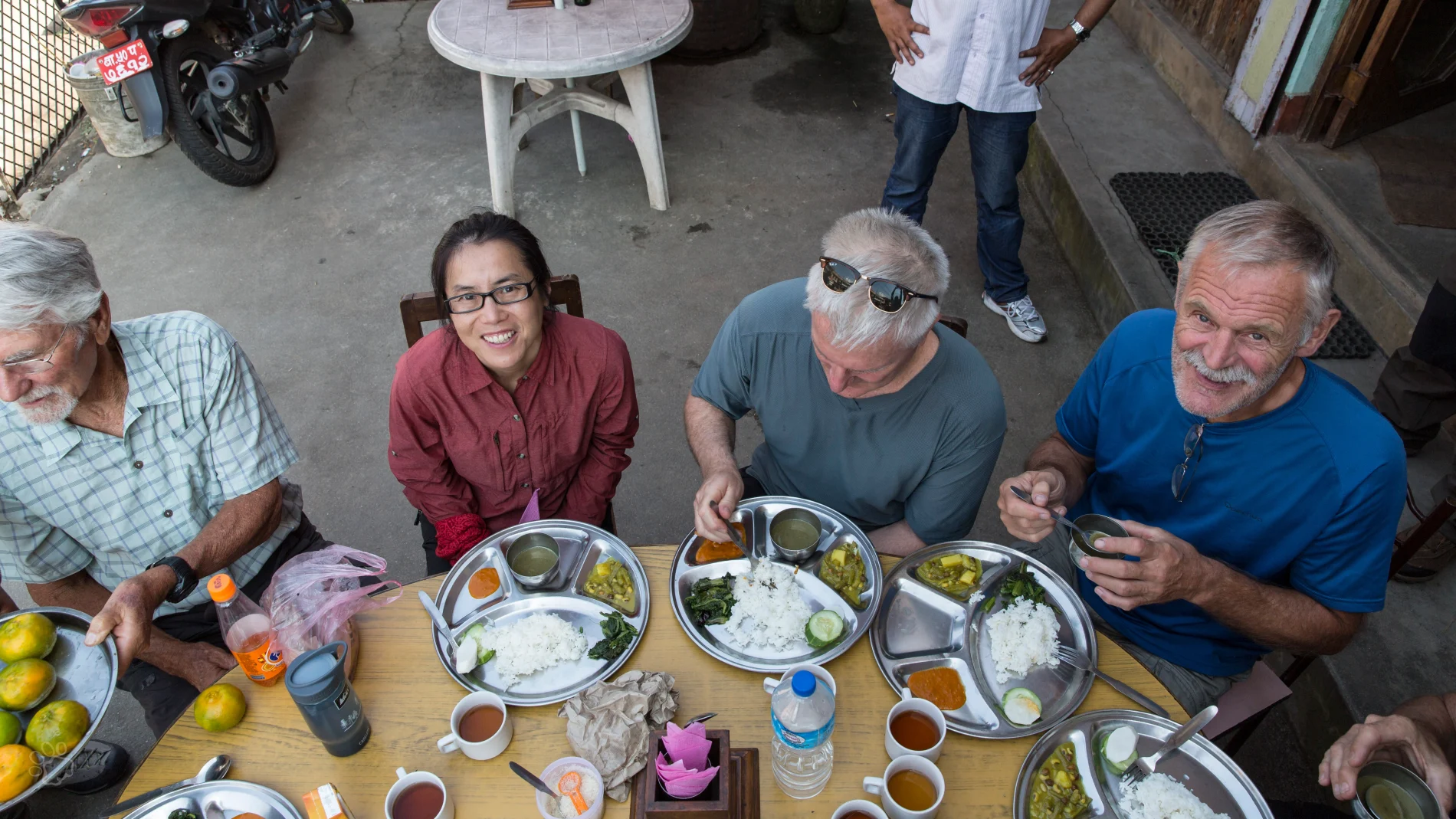
What Happens If You Don’t Like Nepali Food During a Trek?
Imagine spending months planning your dream trek in Nepal. You have chosen your route, bought your...
Read more