Best Adventure Activities in Nepal: Top 7 Experiences
Share:
 Read Time
This blog has 3143 words .This blog has 21688 characters.This blog take 10 minutes to read.
Nepal is often associated with Mount Everest, but the country offers much more than Himalayan trekking. From rushing rivers and high mountain trails to flying above Pokhara and exploring the jungles of the Terai, there are experiences for travelers looking for different kinds of adventure.
The best adventure activities in Nepal are spread across very different landscapes. You can spend one day walking beneath snow-covered peaks and another riding through white-water rapids. You can fly over the Pokhara Valley, jump from a suspension bridge, or search for rhinos in Chitwan National Park.
That variety is what makes Nepal particularly interesting for adventure travelers. You do not have to be an experienced mountaineer to enjoy an active trip here. Some activities require serious preparation, while others can be enjoyed during a short stay in Pokhara or Kathmandu.
In this guide, we look at seven of the best adventure activities in Nepal, where to experience them, who they are suitable for, and what you should know before going.
Quick Look at the Best Adventure Activities in Nepal
The right choice depends on more than how exciting an activity looks. Your available time, fitness, experience, season, budget and comfort with altitude or heights should all influence your decision.
1. Himalayan Trekking
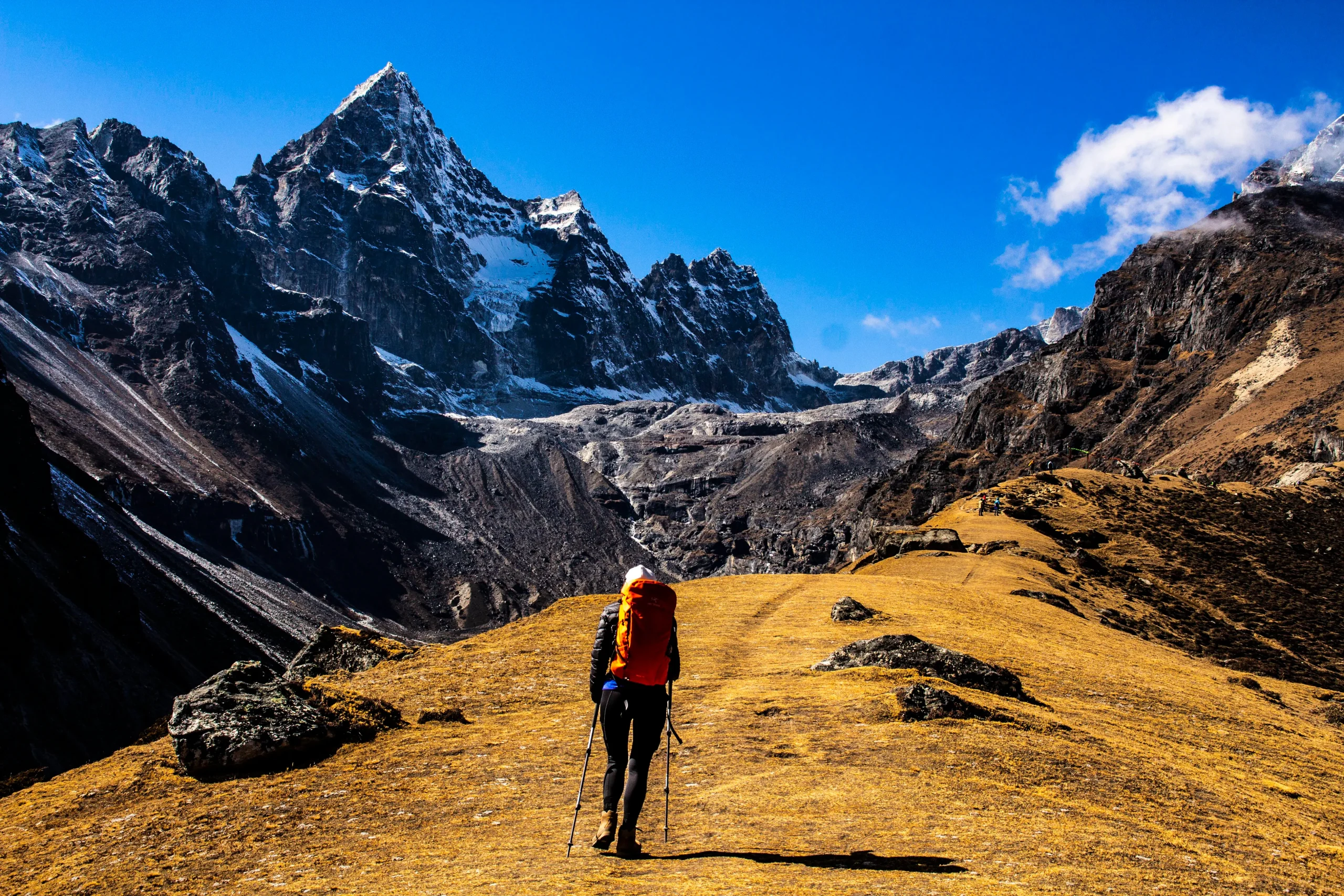
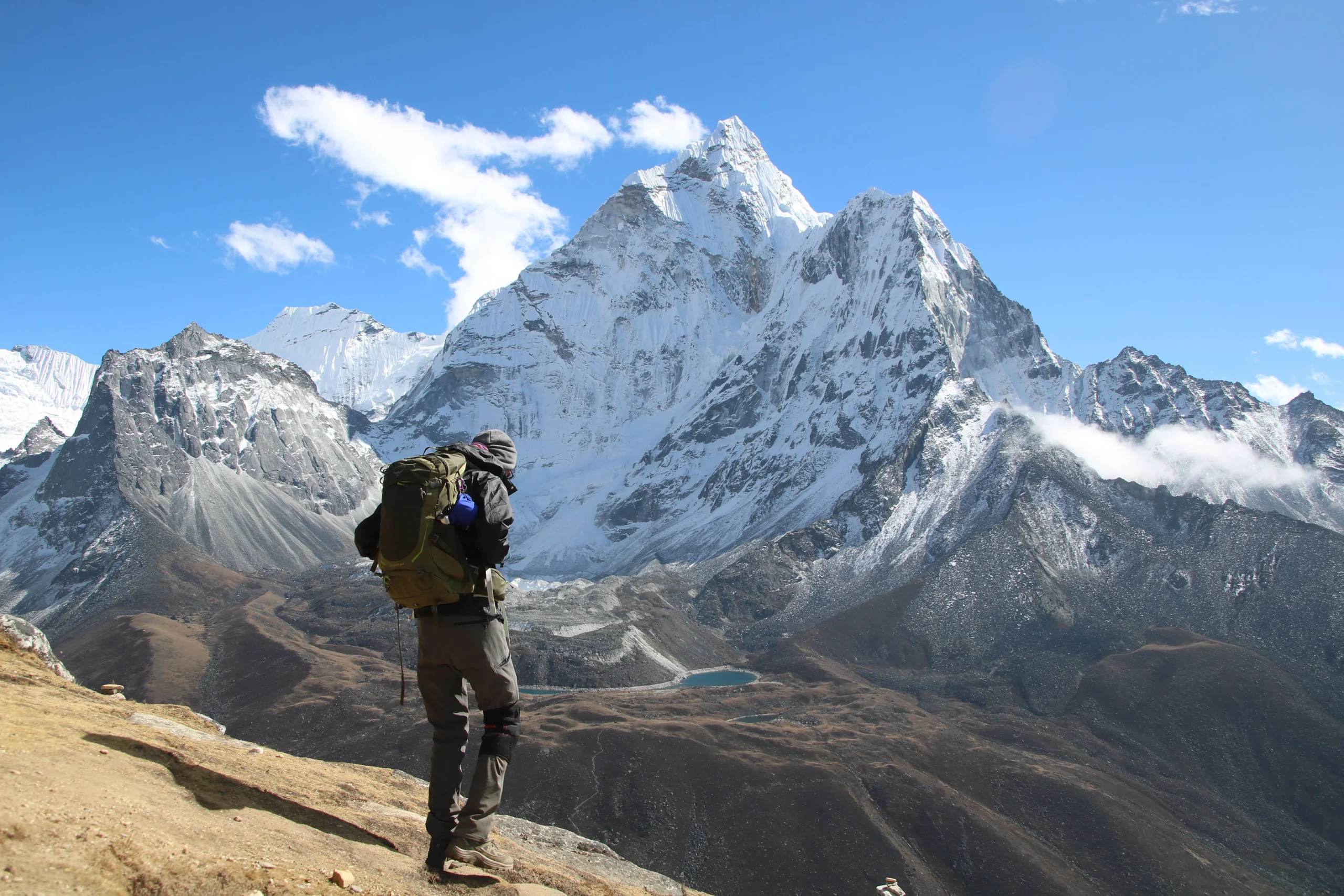
For many travelers, Himalayan trekking remains one of the best adventure activities in Nepal because it combines physical challenge with landscapes, mountain communities and cultural experiences.
Nepal has trekking routes ranging from relatively short hikes to demanding high-altitude journeys lasting several weeks. The Everest, Annapurna and Langtang regions are among the country’s most established trekking destinations, while areas such as Kanchenjunga, Dolpo and Manaslu offer more remote experiences. Nepal Tourism Board notes that many trekking routes pass through elevations of 1,000 to 4,000 meters, while some popular sections rise above 5,000 meters.
For travelers with limited time, routes such as the Mardi Himal Trek can provide a shorter Himalayan experience. The route combines forests, mountain villages, high ridges and views toward Machhapuchhre and the Annapurna range. Silver Moon Adventure’s Mardi Himal guide places the highest point of its itinerary at around 4,500 meters.
If your goal is to experience the world’s highest mountain region, the Everest Base Camp Trek takes you through the Khumbu region and Sagarmatha National Park. The journey is not a climb of Mount Everest itself. Instead, it is a high-altitude trek through Sherpa settlements, monasteries, suspension bridges and dramatic Himalayan landscapes.
The Annapurna Base Camp Trek is another popular option, taking travelers into the Annapurna Sanctuary. Meanwhile, the Langtang Valley Trek offers mountain scenery and Tamang culture relatively close to Kathmandu. Nepal Tourism Board identifies Everest, Annapurna and Langtang among Nepal’s traditional major trekking regions.
Best for
* First-time Himalayan trekkers
* Experienced hikers
* Mountain and photography enthusiasts
* Travelers interested in local Himalayan culture
* People who want a multi-day adventure
Best time
For many popular trekking regions, spring and autumn are the main trekking seasons. Nepal Tourism Board identifies September-November and February-May as favorable periods for trekking, although conditions vary by region and altitude.
2. White-Water Rafting
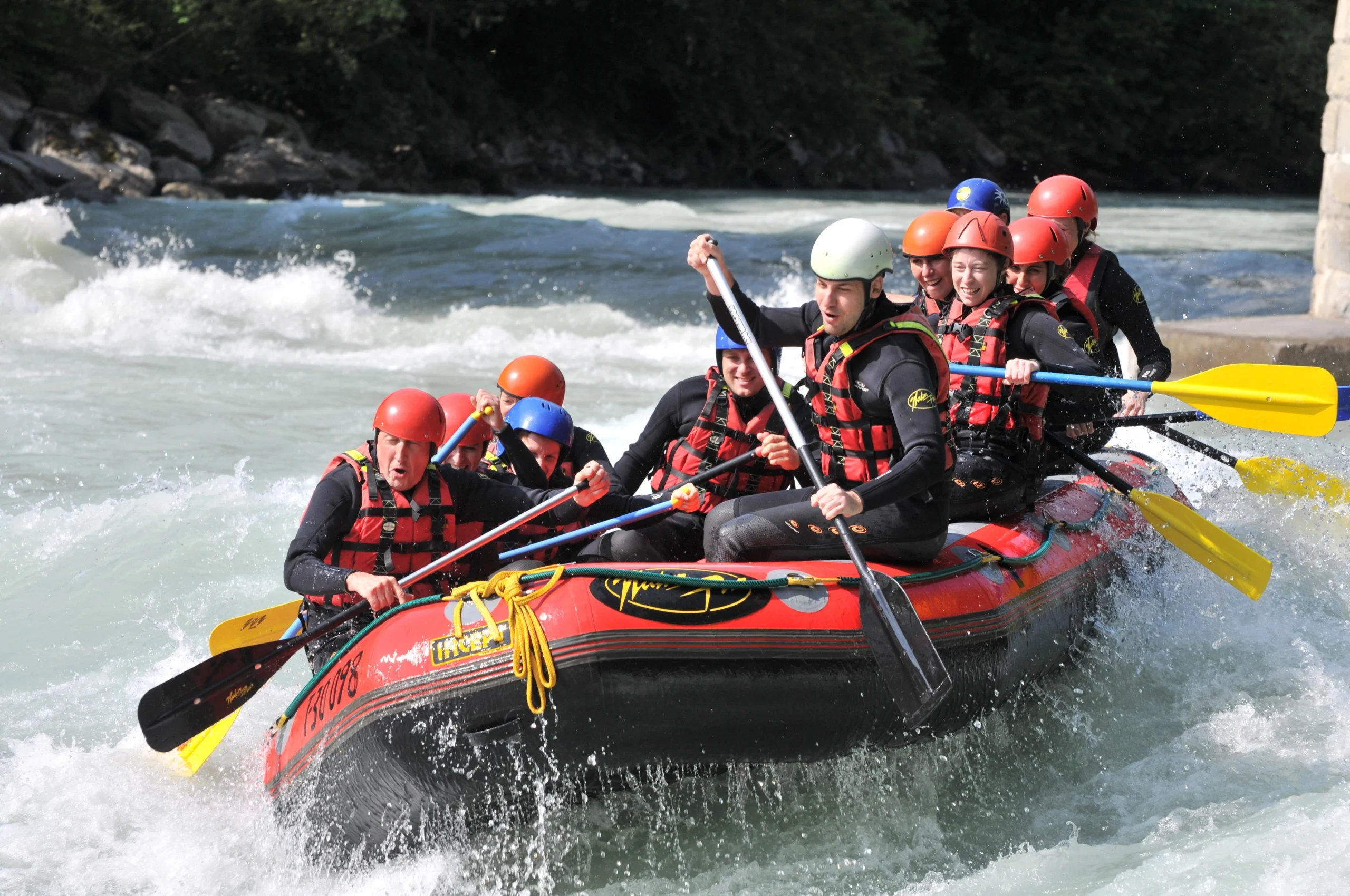
If your idea of adventure involves water rather than mountains, white-water rafting should be high on your Nepal itinerary.
Nepal’s steep terrain creates fast-flowing rivers descending from the Himalayas toward the plains. The result is a wide range of rafting experiences, from relatively accessible trips to serious multi-day expeditions.
The Trishuli River is one of the most accessible choices, particularly for travelers combining rafting with a trip between Kathmandu, Pokhara and Chitwan. Nepal Tourism Board describes the Trishuli as a popular rafting river with rapids around Grade 3+. More demanding rivers include the Bhote Koshi, Kali Gandaki, Marshyangdi, Karnali and Sun Koshi.
The experience is about more than the rapids. Depending on the river, you may pass through narrow gorges, green hills, terraced farmland, traditional settlements and remote landscapes that are difficult to experience from the road.
For beginners, a shorter rafting trip can be a good introduction. Experienced rafters can look toward more technical rivers and longer expeditions, but river grade, water levels and operator safety standards should always be considered before booking.
Best for
* Groups of friends
* Active travelers
* First-time rafters looking for an introductory trip
* Experienced white-water enthusiasts
Best time
Rafting conditions depend heavily on river levels. Nepal Tourism Board identifies October to mid-December and March to early May as typical rafting periods.
Always check current river conditions before departure.
3. Paragliding in Pokhara
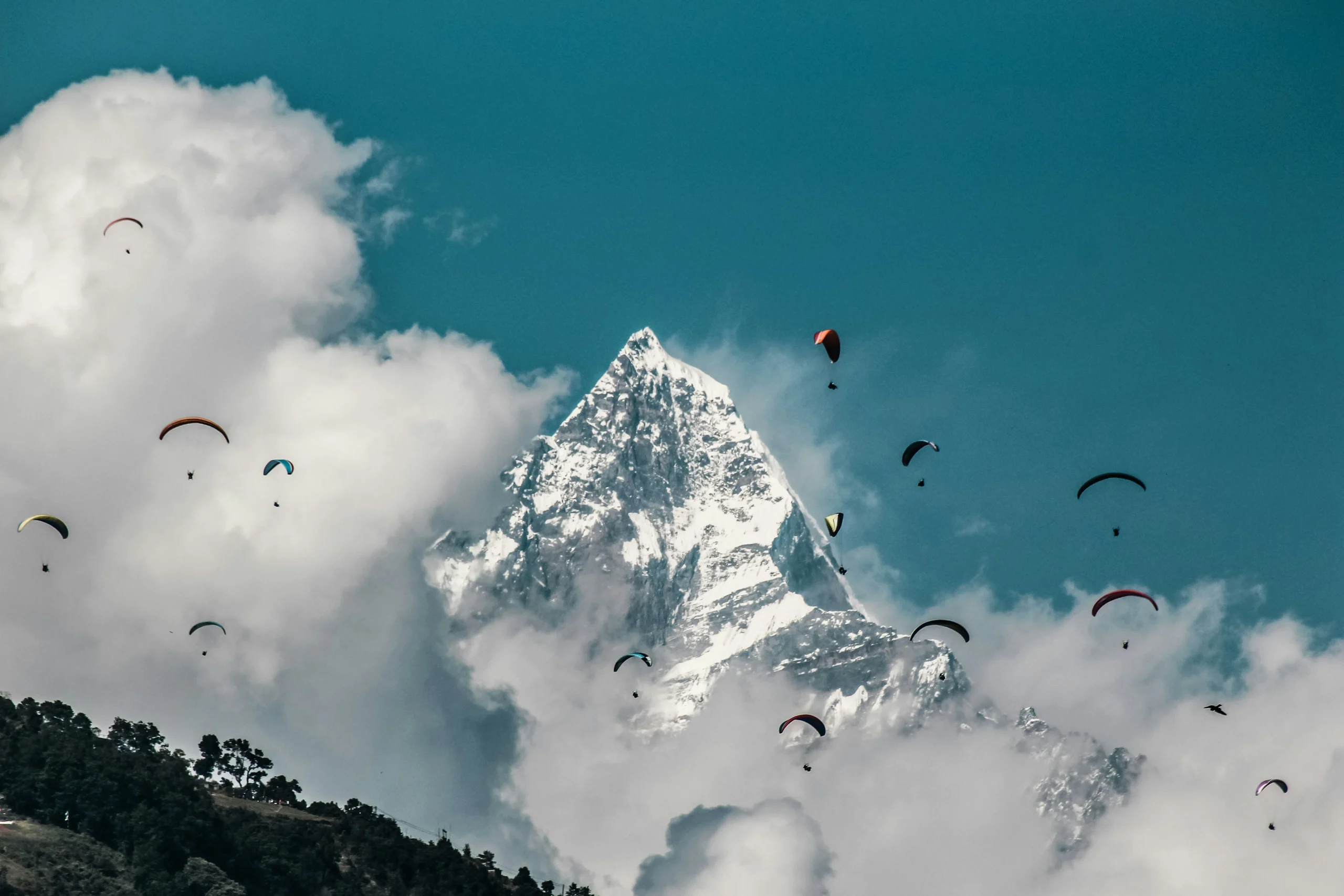
Not every adventure in Nepal requires hours of walking.
In Pokhara, you can launch from the hills above the valley and experience Nepal from the air. Paragliding from Sarangkot is one of the country’s most recognizable aerial adventures, combining the sensation of flight with views across Pokhara and the surrounding mountains.
Sarangkot sits above Pokhara Valley and is a major launch point for paragliding. Nepal Tourism Board highlights views toward major Himalayan peaks including Annapurna, Dhaulagiri and Manaslu from the area.
The appeal is partly the contrast. From the ground, Pokhara is known for Phewa Lake, cafés and a relaxed lakeside atmosphere. A short drive uphill takes you into a completely different environment, where the valley opens beneath your paraglider.
Tandem flights mean you do not need previous paragliding experience. You fly with a qualified pilot who manages the technical aspects while you enjoy the scenery.
Weather matters greatly. Flights depend on suitable wind and visibility, so the schedule can change when conditions are unfavorable.

Starts from
USD 69
1 Day Pokhara Paragliding Adventure
Experience the thrill of flying above one of Nepal’s most beautiful destinations with our 1 Day Pokhara Paragliding Adventure....
Duration:
1 days
Max altitude:
1,600 m (Sarangkot)
Best for
* First-time adventure travelers
* Couples
* Photographers
* Travelers visiting Pokhara
* People who want an aerial experience without technical training
Best time
Paragliding conditions vary with weather and season. Operators make the final decision based on current flying conditions, so travelers should remain flexible.
4. Bungee Jumping
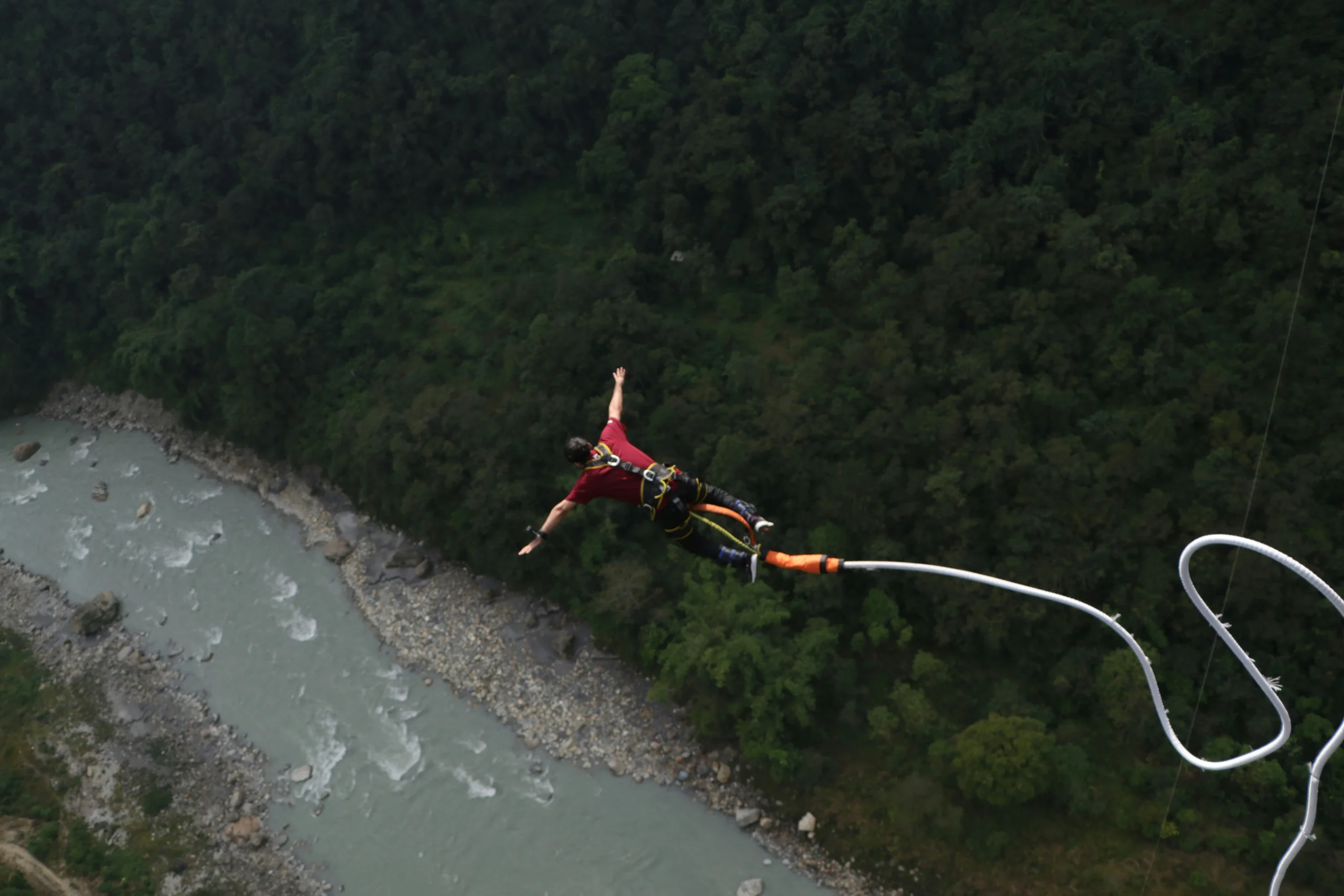
Some of the best adventure activities in Nepal are over almost as quickly as they begin.
Bungee jumping is one of them.
The concept is simple: step off a platform or bridge and free-fall toward the landscape below before the elastic cord brings you back upward. The simplicity is exactly what makes the experience so intense.
One of Nepal’s best-known bungee locations is in the Bhote Koshi area, within a few hours of Kathmandu. Nepal Tourism Board describes the historic site as a jump over the Bhote Koshi River from a suspension bridge. Another bungee option is available in Hemja near Pokhara.
Unlike trekking or rafting, bungee jumping does not require a full day of physical exertion. However, it does require you to be comfortable with heights and to follow the operator’s safety instructions carefully.
Before booking, check the operator’s current age, weight, health and weather requirements. Safety procedures and equipment standards should be more important than simply choosing the cheapest available option.
Best for
* Thrill seekers
* Short-stay travelers
* Travelers who enjoy extreme experiences
* People visiting Kathmandu or Pokhara
Best time
Bungee jumping is generally less dependent on season than high-altitude trekking, but weather can affect operations. Always confirm the current operating schedule before traveling to the site.
5. Ziplining in Pokhara
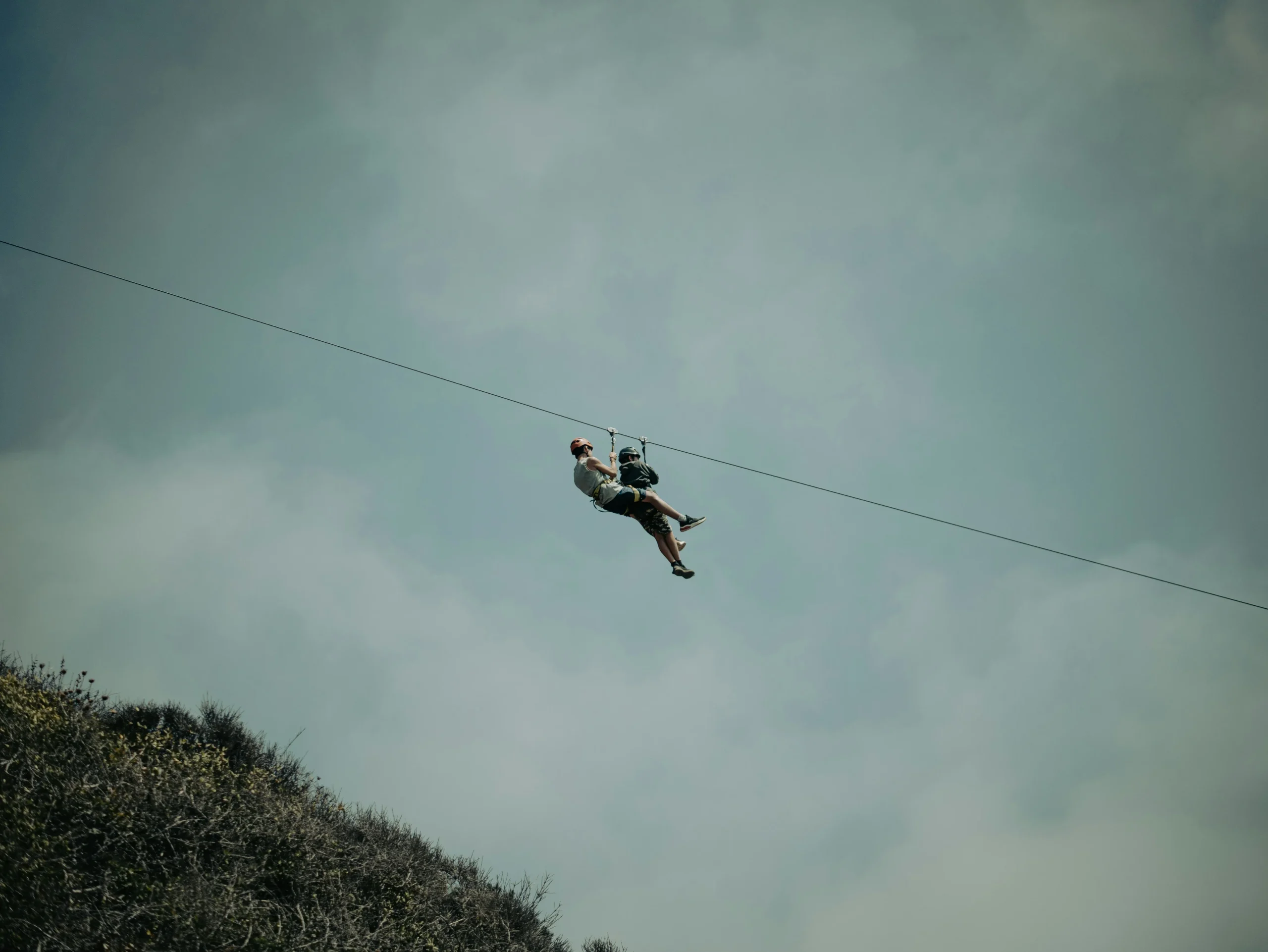
If bungee jumping sounds too extreme but you still want speed and height, ziplining offers a different kind of adrenaline rush.
Pokhara’s famous zipline starts around Sarangkot and travels across the valley toward the lower landscape. Nepal Tourism Board describes the attraction as a high-speed zipline experience with views toward the Annapurna range and Pokhara Valley.
The activity combines scenery with speed. Rather than spending hours climbing a mountain, you can experience a dramatic change in perspective within a relatively short period.
This also makes ziplining easy to combine with a wider Pokhara itinerary. A traveler could spend part of the day exploring the city or preparing for a trek and fit an aerial adventure into the same trip.
For someone already planning an Annapurna adventure, Pokhara is particularly convenient because it serves as a major gateway to several trekking routes. You can therefore combine a high-speed activity with a longer Himalayan journey rather than treating them as completely separate holidays.
Best for
* First-time adventure travelers
* Families who meet the operator’s requirements
* Couples and groups
* Travelers with limited time
* Visitors staying in Pokhara before or after a trek
Best time
The activity depends on operating conditions, particularly weather and visibility. Check with the operator on the day if conditions are uncertain.
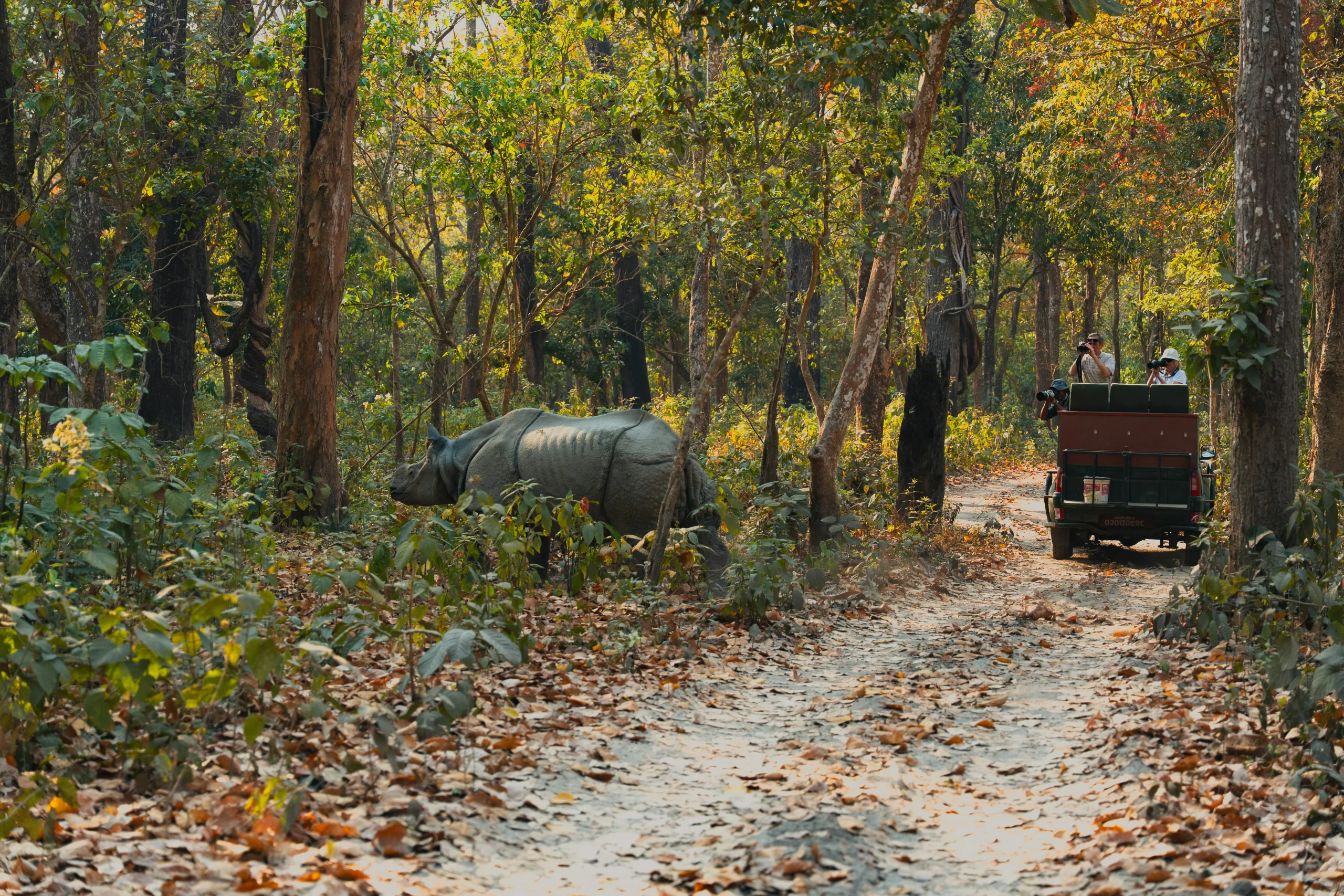
6. Jungle Safari in Nepal
Adventure does not always mean snow, cliffs or extreme heights.
In southern Nepal, the adventure changes completely.
Jungle safaris take travelers into the country’s lowland forests and grasslands in search of wildlife. Chitwan National Park is the best-known destination, while Bardia National Park and other protected areas also offer wildlife experiences.
Chitwan provides opportunities for jeep safaris, jungle walks and canoe trips, alongside wildlife viewing and experiences connected with local Tharu culture. Nepal Tourism Board lists the one-horned rhinoceros, Royal Bengal tiger, crocodiles, deer, wild elephants and many bird species among the wildlife found in the region.
The appeal of a safari is uncertainty. You are not following a marked trail toward a fixed summit. Instead, you move through a living ecosystem where every drive or walk can be different.
You might see a rhinoceros crossing the grassland, crocodiles beside a river or colorful birds moving through the forest. A tiger sighting is never guaranteed, and responsible wildlife tourism should never promise one.
Chitwan also provides a useful contrast to a Himalayan itinerary. After several days of mountain landscapes, the warm lowland environment can feel like entering another country.
Best for
* Wildlife lovers
* Families
* Photographers
* Travelers who want a break from high-altitude activities
* People combining cultural, nature and adventure travel
Best time
Nepal Tourism Board lists October-March as a favorable season for Chitwan, while April-June becomes considerably hotter and July-September is the rainy season.
7. Peak Climbing and Mountaineering

Photo credit : nimsdai.com
For travelers who want to go beyond trekking, peak climbing and mountaineering provide a significantly more demanding Himalayan challenge.
Trekking and climbing are not the same thing. A trek may take you to a high-altitude viewpoint or base camp without requiring technical climbing skills. A climbing expedition involves additional equipment, training, technical knowledge, risk management and permits.
Nepal is home to eight of the world’s 14 peaks above 8,000 meters, including Mount Everest. The country also has numerous smaller climbing peaks. Nepal Tourism Board states that the Nepal Mountaineering Association handles permits for smaller trekking peaks, while larger mountains fall under government mountaineering regulations.
For someone considering their first climbing experience, preparation matters. Depending on the peak, climbers may need experience with crampons, ropes, ice axes, glacier travel and high-altitude conditions.
The goal should not simply be to reach a particular number on an elevation sign. Choosing a peak that matches your previous experience, physical preparation and technical ability is much more important.
Best for
* Experienced trekkers
* Aspiring mountaineers
* Physically prepared adventure travelers
* People interested in technical Himalayan climbing
Best time
Climbing seasons vary by mountain and elevation. Nepal Tourism Board identifies spring, summer, autumn and winter climbing seasons, while conditions differ significantly between individual peaks.
How to Choose the Right Adventure in Nepal
With so many options, choosing an activity can be harder than finding one.
Start by asking yourself how much time you have.
If you have only a few days, paragliding, ziplining, bungee jumping or rafting can fit easily into a Nepal itinerary. If you have one to three weeks, trekking becomes a much bigger part of the journey.
Then consider physical difficulty.
Paragliding and ziplining require relatively little physical effort compared with a multi-day trek. Rafting requires teamwork and physical participation, while peak climbing requires considerably more preparation.
Altitude is another major consideration. A high-altitude trek is not simply a longer version of a day hike. Your body needs time to adjust as you ascend, and a responsible itinerary should account for acclimatization.
Finally, think about what kind of memory you want to take home.
Do you want to spend several days walking through Himalayan villages? Do you want the rush of a few seconds of free fall? Would you rather see a rhinoceros in the jungle or fly above the Annapurna landscape?
There is no single way to experience adventure in Nepal.
Best Time for Adventure Activities in Nepal
There is no single perfect month for every activity because Nepal’s geography creates very different conditions between the mountains, hills and Terai.
For trekking, spring and autumn are generally the most popular seasons. Nepal Tourism Board notes that spring brings rhododendron blooms, while October and November often bring clearer post-monsoon skies.
Rafting follows river conditions rather than the same calendar as trekking. Jungle activities are often more comfortable during the cooler months, while Pokhara’s aerial activities depend heavily on daily weather conditions.
This is why planning an adventure trip around the specific activity is more useful than simply asking, “What is the best month to visit Nepal?”
Safety Tips for Adventure Activities in Nepal
Adventure is more enjoyable when the risks are understood before you start.
Choose a reputable, properly operating provider and ask about safety procedures before participating. For activities involving heights or rivers, make sure you understand the equipment and instructions provided by the operator.
For trekking and mountaineering, preparation becomes even more important. Research the altitude, walking distance, weather and available facilities before departure.
At high elevations, do not ignore symptoms of altitude sickness. A trek should never become a competition against the itinerary.
Weather can also change quickly in Nepal. Mountain conditions, river levels, rain, wind and visibility can affect activities with little warning. Be prepared to change your plans when conditions are unsafe.
Good adventure travel is not about eliminating every risk. It is about understanding the environment, preparing properly and making sensible decisions.
Why Nepal Is Made for Adventure
Few destinations offer such a dramatic range of landscapes within a relatively compact country.
The north rises into the Himalayas. The middle hills contain forests, valleys, rivers and mountain communities. Farther south, the landscape becomes subtropical and supports large wildlife populations.
That geographical diversity creates an unusual combination of experiences.
You can trek through the Everest region, return to Kathmandu, travel toward Pokhara for a paragliding flight, and then continue south to Chitwan for a jungle safari. Each experience feels completely different, yet they can all form part of the same Nepal journey.
That is the real attraction of the best adventure activities in Nepal. You are not limited to one type of adventure.
You can choose the mountains, the rivers, the sky, the jungle—or combine several of them.
Plan Your Nepal Adventure
The best adventure activities in Nepal do not all require the same level of experience. A first-time visitor might begin with paragliding in Pokhara or a short rafting trip, while an experienced trekker may prefer a high-altitude Himalayan route or eventually move toward peak climbing.
If trekking is the main reason you are visiting Nepal, choosing the right route is particularly important. Silver Moon Adventure can help travelers organize Himalayan journeys including Everest, Annapurna, Mardi Himal and Langtang while arranging the practical details needed for a smoother trekking experience.
Whether your idea of adventure is walking beneath eight-thousand-meter peaks, flying above Pokhara, riding white water or searching for wildlife in the Terai, Nepal gives you plenty of ways to build a trip around what you actually enjoy.
The most important step is choosing an adventure that matches your time, experience and expectations.
Then the real adventure can begin.
Frequently Asked Questions
1. What are the best adventure activities in Nepal?
The best adventure activities in Nepal include Himalayan trekking, white-water rafting, paragliding, bungee jumping, ziplining, jungle safaris, and peak climbing. The right activity depends on your interests, available time, fitness and previous experience.
2. Which adventure activity is most popular in Nepal?
Himalayan trekking is one of Nepal’s most established adventure activities. Everest, Annapurna and Langtang are among the country’s major trekking regions.
3. What is the best adventure activity in Nepal for beginners?
There is no single answer because beginner experience varies. Tandem paragliding, ziplining and shorter rafting trips can be suitable for travelers seeking a shorter adventure, while beginner-friendly trekking routes can provide a longer Himalayan experience with appropriate preparation.
4. Where can I go paragliding in Nepal?
Pokhara is Nepal’s best-known paragliding destination. Sarangkot is the primary launch area and provides views across Pokhara Valley toward the Himalayas.
5. Where can I go rafting in Nepal?
Popular rafting rivers include the Trishuli, Bhote Koshi, Kali Gandaki, Marshyangdi, Karnali and Sun Koshi. The difficulty varies considerably between rivers.
6. Is bungee jumping available in Pokhara?
Yes. Nepal Tourism Board identifies a bungee facility in Hemja near Pokhara as well as the well-known Bhote Koshi-area jump.
7. Where is ziplining popular in Nepal?
Pokhara is particularly well known for ziplining around Sarangkot, with views toward the Pokhara Valley and Annapurna range.
8. Can I combine adventure activities in one Nepal trip?
Yes. Many travelers combine trekking with activities in Pokhara or wildlife experiences in Chitwan. The exact combination depends on your itinerary and available time.
9. What is the best season for adventure activities in Nepal?
It depends on the activity. Spring and autumn are generally popular for trekking, while rafting, wildlife activities and aerial adventures have their own weather considerations. Always check current local conditions before participating.
10. Do I need experience for adventure activities in Nepal?
Not always. Activities such as tandem paragliding and ziplining can be done without previous technical experience, subject to the operator’s requirements. Trekking and especially peak climbing require more preparation, with technical climbing requiring appropriate skills and equipment.

Similar Blogs
View all
13/10/2026
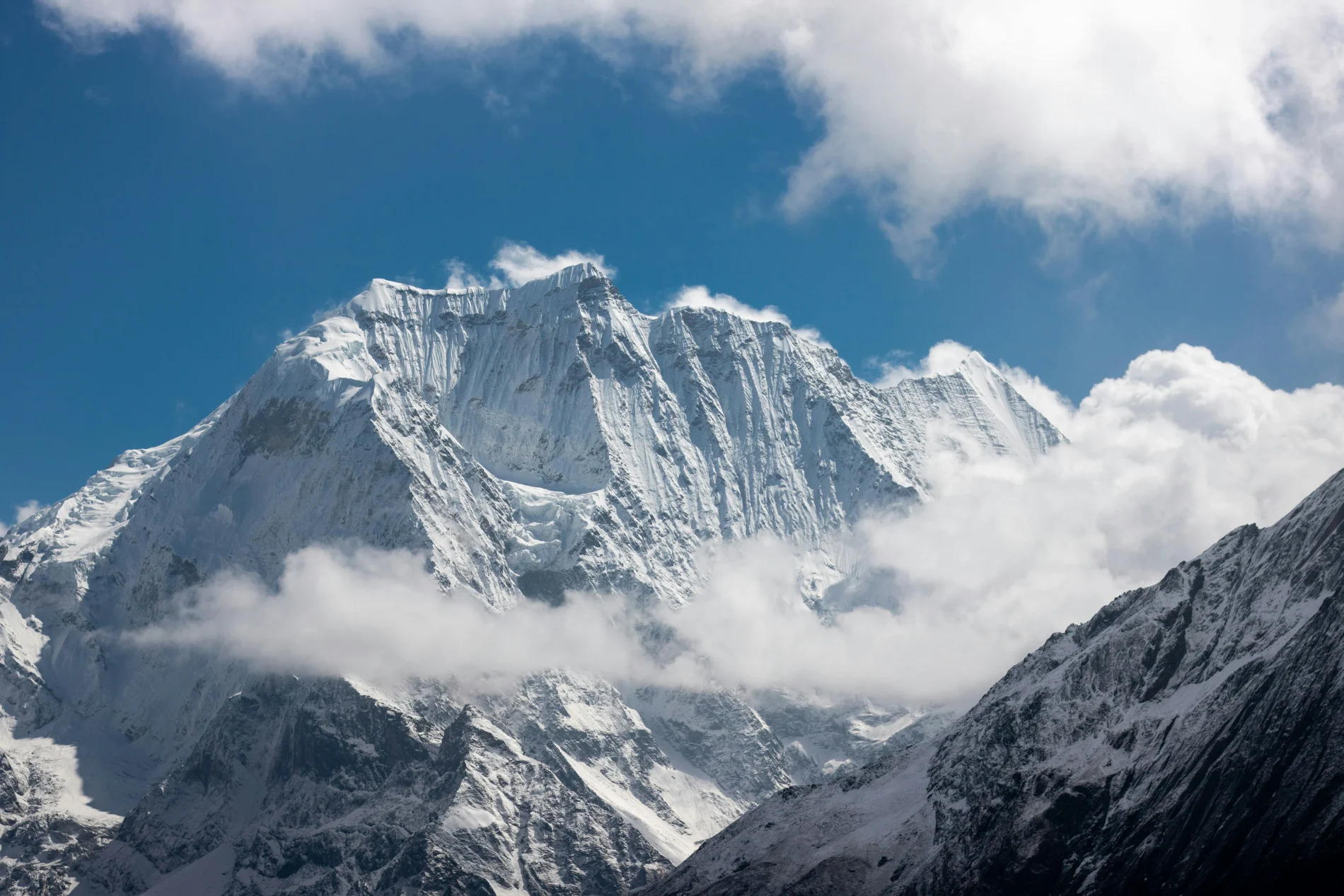
Manaslu Circuit Trek After the October 2026 Floods: Trail Conditions, Safety and Travel Updates
The Manaslu Circuit Trek is one of Nepal’s most rewarding Himalayan journeys, taking trekkers through traditional...
Read more
13/10/2026
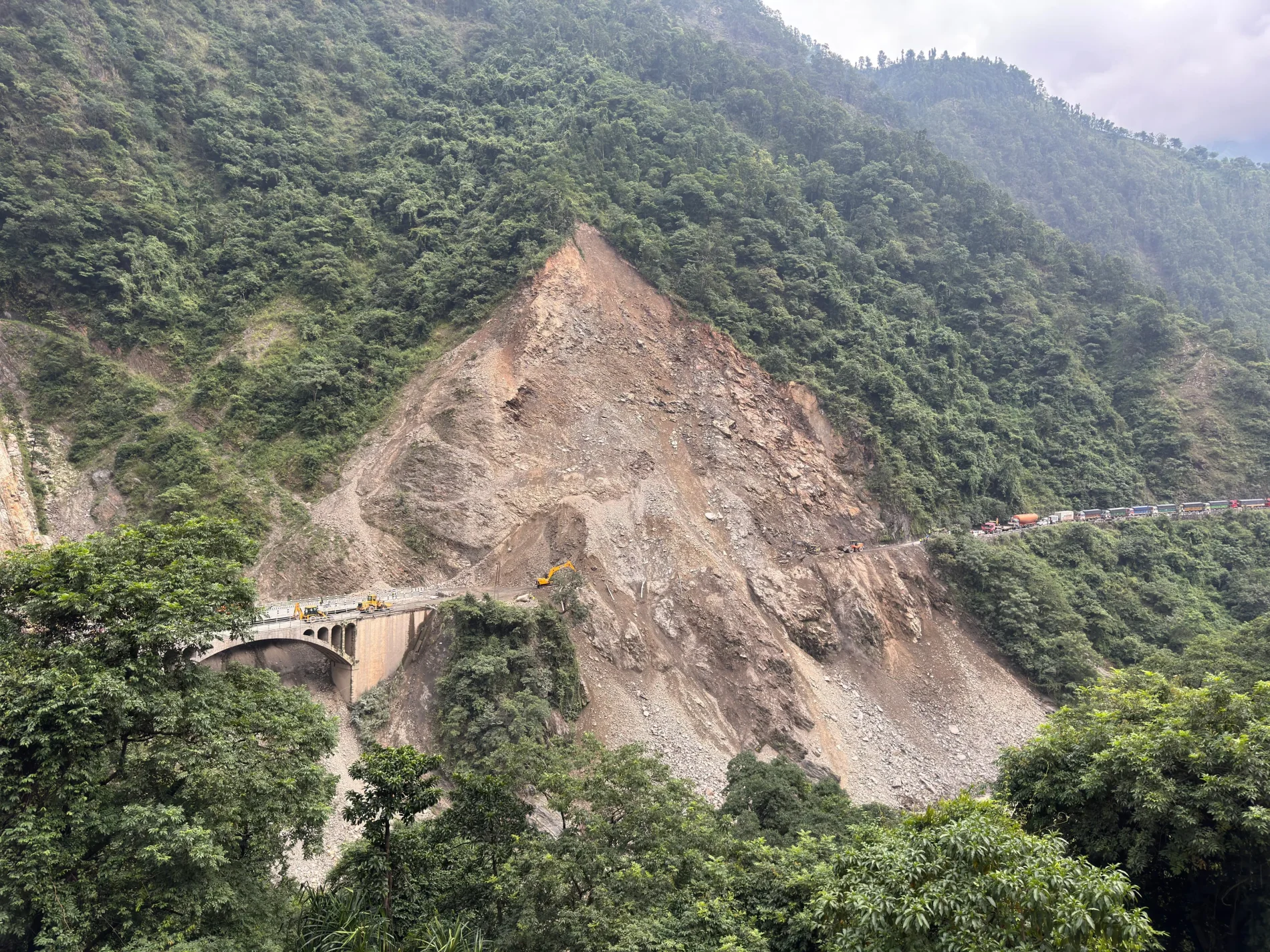
Your Nepal Trek Is Booked, but the Trail Is Closed: What Now?
Imagine arriving in Nepal with your trekking boots ready, your flights booked, your bags packed, and...
Read more