Major Attractions During the Annapurna Circuit Trek
Share:
 Read Time
This blog has 2031 words .This blog has 13334 characters.This blog take 7 minutes to read.
The Annapurna Circuit Trek is one of those journeys where the scenery seems to change before you have even finished appreciating the last view.
One day you are walking through green valleys beside the Marsyangdi River. A few days later, pine forests and huge cliffs surround you. Then the landscape becomes colder and more rugged around Manang before eventually turning dry and almost desert-like on the Mustang side.
And somewhere in between, you cross a 5,416-metre mountain pass and probably start wondering why your legs agreed to this adventure in the first place.
The major Annapurna Circuit attractions are not limited to one famous mountain or viewpoint. The real attraction is the combination of dramatic Himalayan scenery, traditional villages, ancient monasteries, sacred sites and constantly changing landscapes.
Here are the highlights that make the journey so memorable.
Mountain Landscapes That Keep Changing
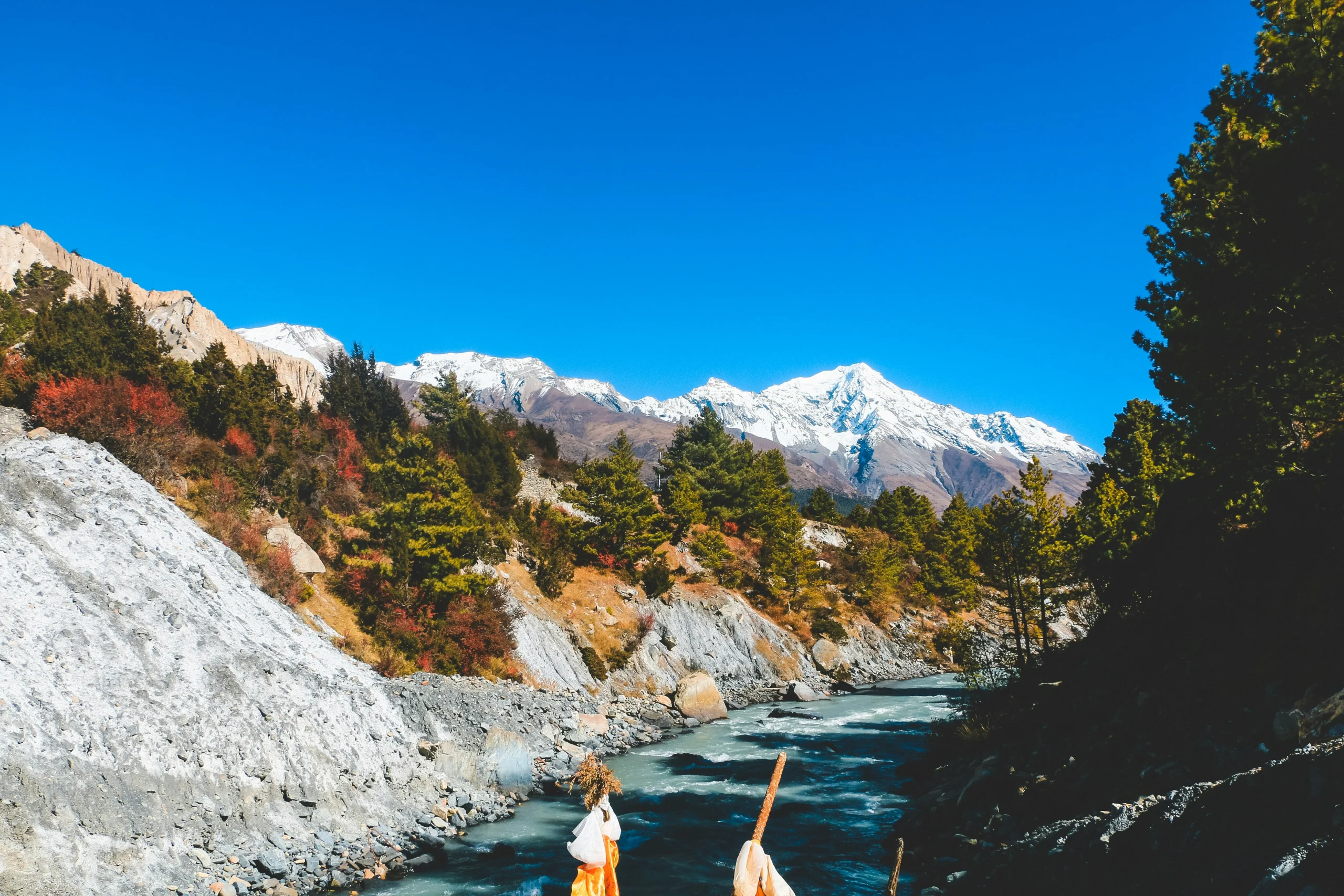
One of the biggest attractions of the Annapurna Circuit is the sheer variety of mountain scenery.
The lower sections of the route are surrounded by green hills, forests, waterfalls and rushing rivers. As the trail climbs toward Chame and Pisang, the mountains become much more imposing.
Around Pisang, the enormous Paungda Danda rock face creates one of the most dramatic scenes on the route. The surrounding peaks, including Annapurna II and other members of the Annapurna range, make the valley feel considerably smaller than it probably did on the map.
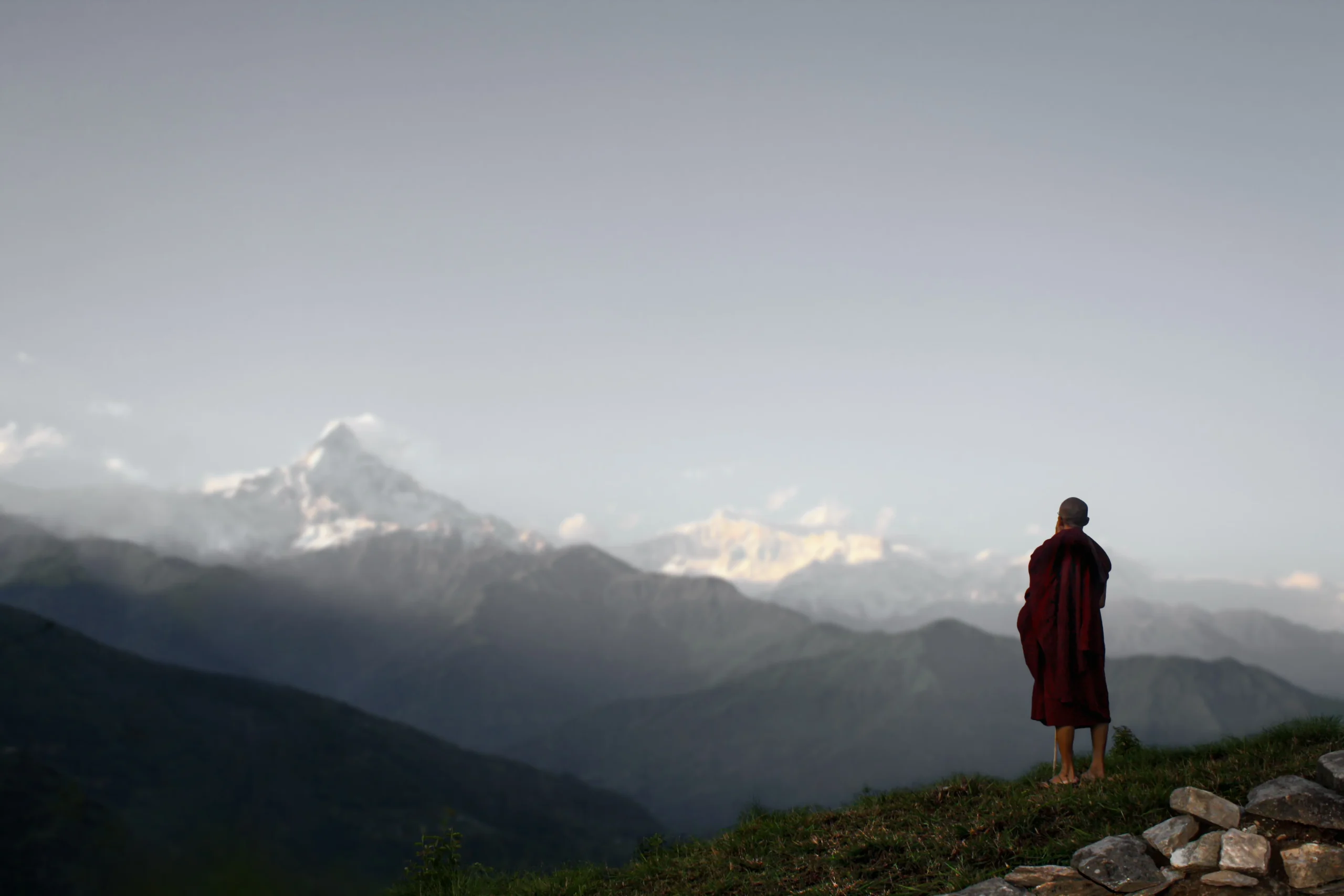
As you continue toward Manang, the landscape becomes increasingly alpine. Annapurna II, Annapurna III, Annapurna IV, Gangapurna and Tilicho Peak appear from different parts of the route, creating constantly changing mountain views.
There is no single viewpoint that can claim all the glory here. The mountains keep appearing, disappearing and reappearing from different angles as you walk.
That is one reason the Annapurna Circuit feels so rewarding for photographers. You can take a picture in the morning and, a few hours later, wonder why the mountains suddenly look completely different.
Manang, Gangapurna and the High Mountain World
Manang is one of the most important places on the entire circuit.
At around 3,540 metres, it is an important acclimatization stop, but it is also a fascinating destination in its own right. Traditional houses, Buddhist culture, surrounding peaks and the dry mountain environment give Manang a completely different character from the lower villages.
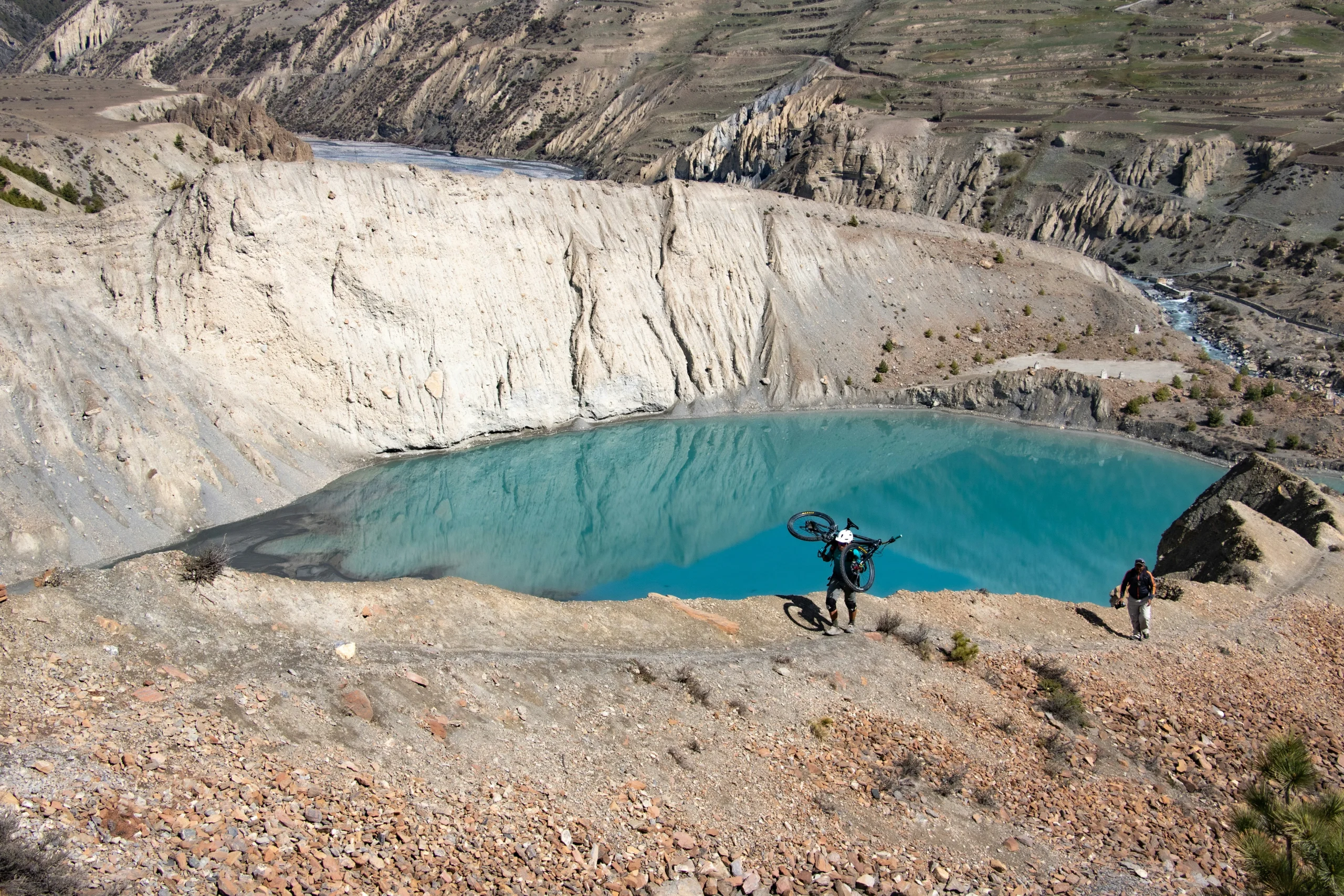
The area around Manang offers several memorable experiences. A short walk toward Gangapurna Lake brings you into a dramatic glacial landscape where the turquoise water sits beneath the surrounding mountains and glacier.
Nearby Braga is also worth attention for its historic monastery and traditional Himalayan setting. The monastery is closely connected with the Buddhist culture of the region and provides a glimpse into a way of life that has developed in the high mountains over generations.
This section of the trek is where the Annapurna Circuit begins to feel genuinely high-altitude.
The trees become less dominant, the air becomes thinner and the mountains seem to take up more and more of the horizon.
Tilicho Lake and the High-Altitude Adventure
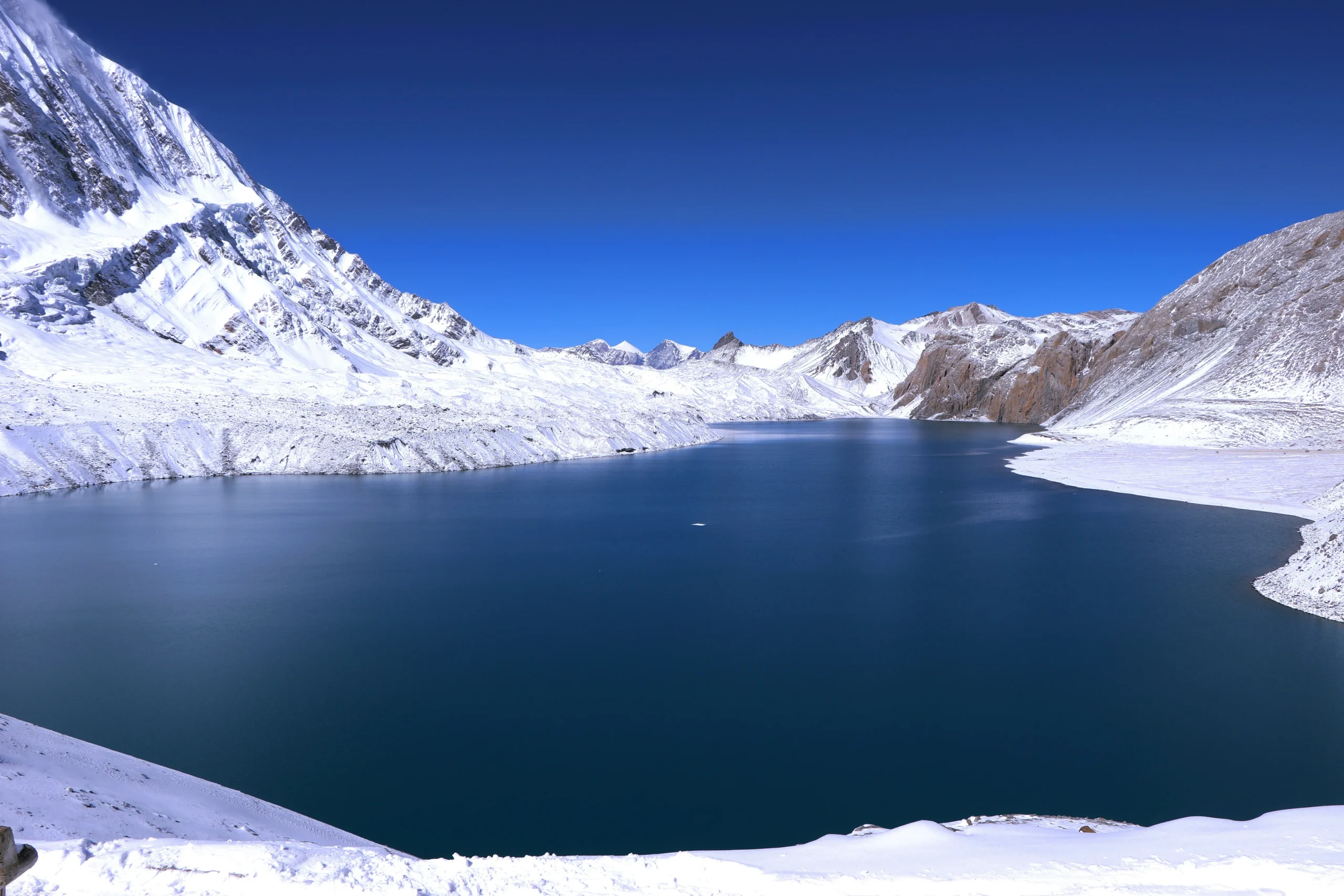
Tilicho Lake deserves a special mention because it is one of the most spectacular attractions associated with the Annapurna region.
Located at approximately 4,919 metres, the lake sits in an extraordinary high-mountain environment surrounded by rugged peaks.
However, there is an important detail for first-time trekkers: Tilicho Lake is a side trip and is not included in every standard Annapurna Circuit itinerary.
Trekkers who choose a route via Tilicho Lake need additional time and should be prepared for the demands of trekking at high altitude.
For those who make the detour, however, the landscape can be one of the defining memories of the journey.
It is the kind of place where you may take out your camera, take one photograph, put the camera away and then realize that you have been staring at the lake for the last ten minutes.
Silver Moon also offers an Annapurna Circuit route via Tilicho Lake for trekkers who want to include this experience.
Thorong La: The Big One
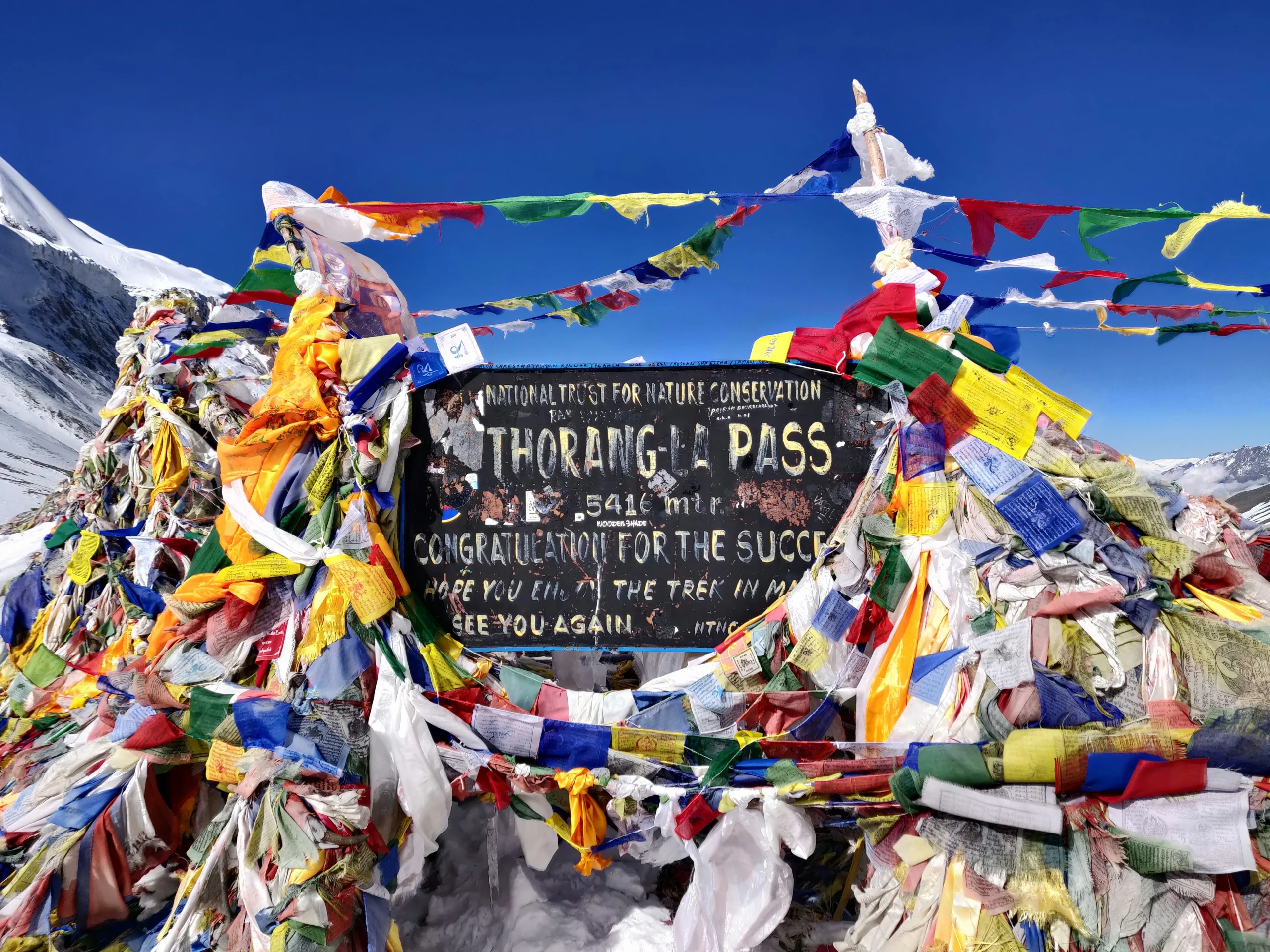
Eventually, the circuit brings you toward the attraction most trekkers have been thinking about since the beginning: Thorong La Pass.
At 5,416 metres, Thorong La is the highest point of the classic Annapurna Circuit.
The crossing is physically demanding and normally begins early in the morning. The altitude, cold, wind and long ascent make it a serious part of the trek, but reaching the top also brings an enormous sense of achievement.
The interesting thing about Thorong La is that the experience does not end when you reach the pass.
The landscape on the other side changes dramatically as you descend toward Muktinath and Mustang.
After spending days surrounded by greener valleys and forests, you suddenly find yourself looking at dry mountains and rocky slopes.
You climb up to Thorong La expecting the top to be the main event.
Then the mountain reminds you that it has another landscape waiting on the other side.
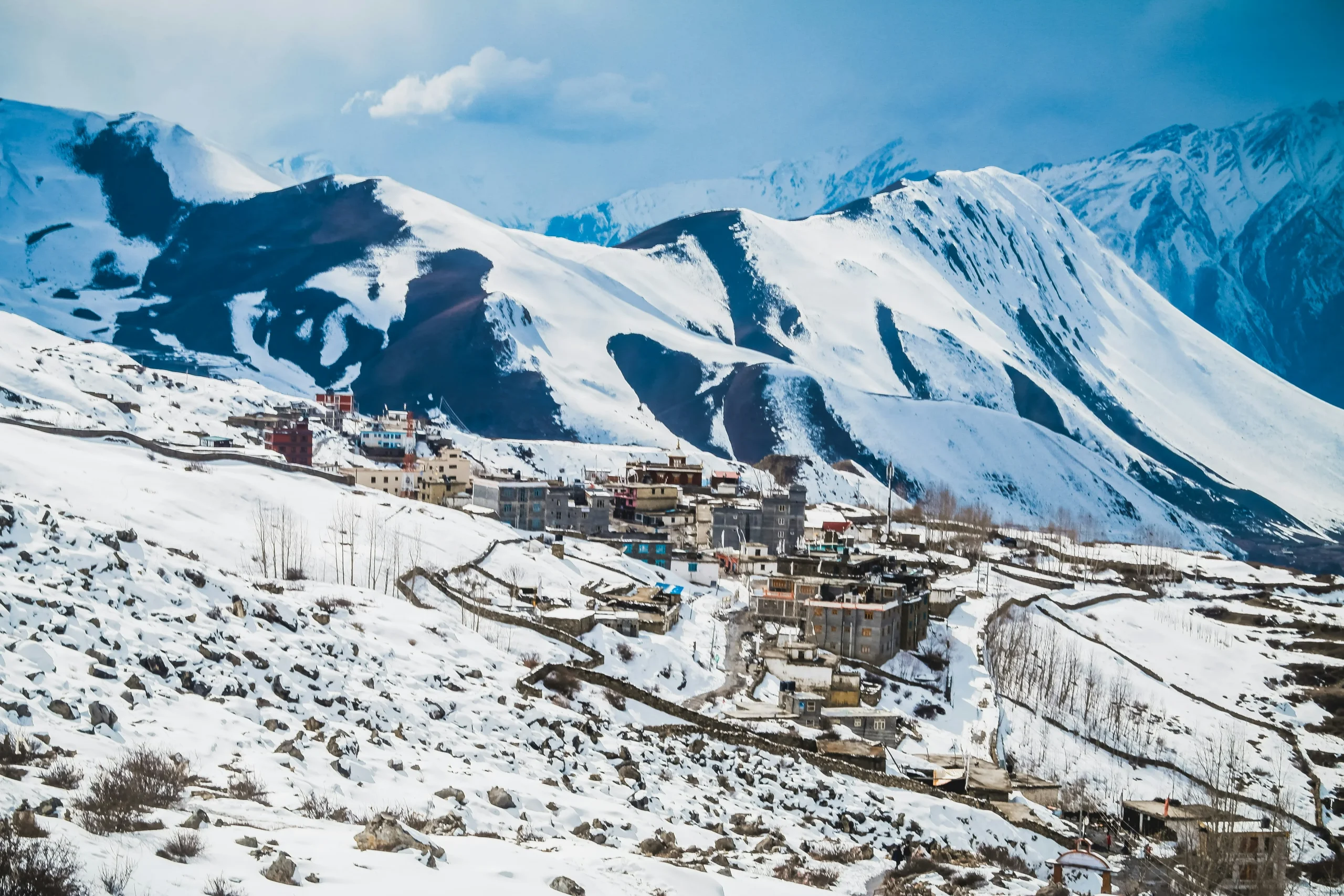
Muktinath and the Spiritual Side of the Himalayas
Muktinath adds a completely different dimension to the Annapurna Circuit.
The site is highly significant to both Hindu and Buddhist pilgrims and has been an important spiritual destination for generations.
For trekkers, the experience is not only about visiting a religious site. It is also about seeing how pilgrimage, mountain life and tourism exist together in this remote Himalayan environment.
After the physical challenge of crossing Thorong La, arriving at Muktinath can also feel like reaching a completely different chapter of the trek.
The mountains remain impressive, but the focus shifts toward culture and spirituality.
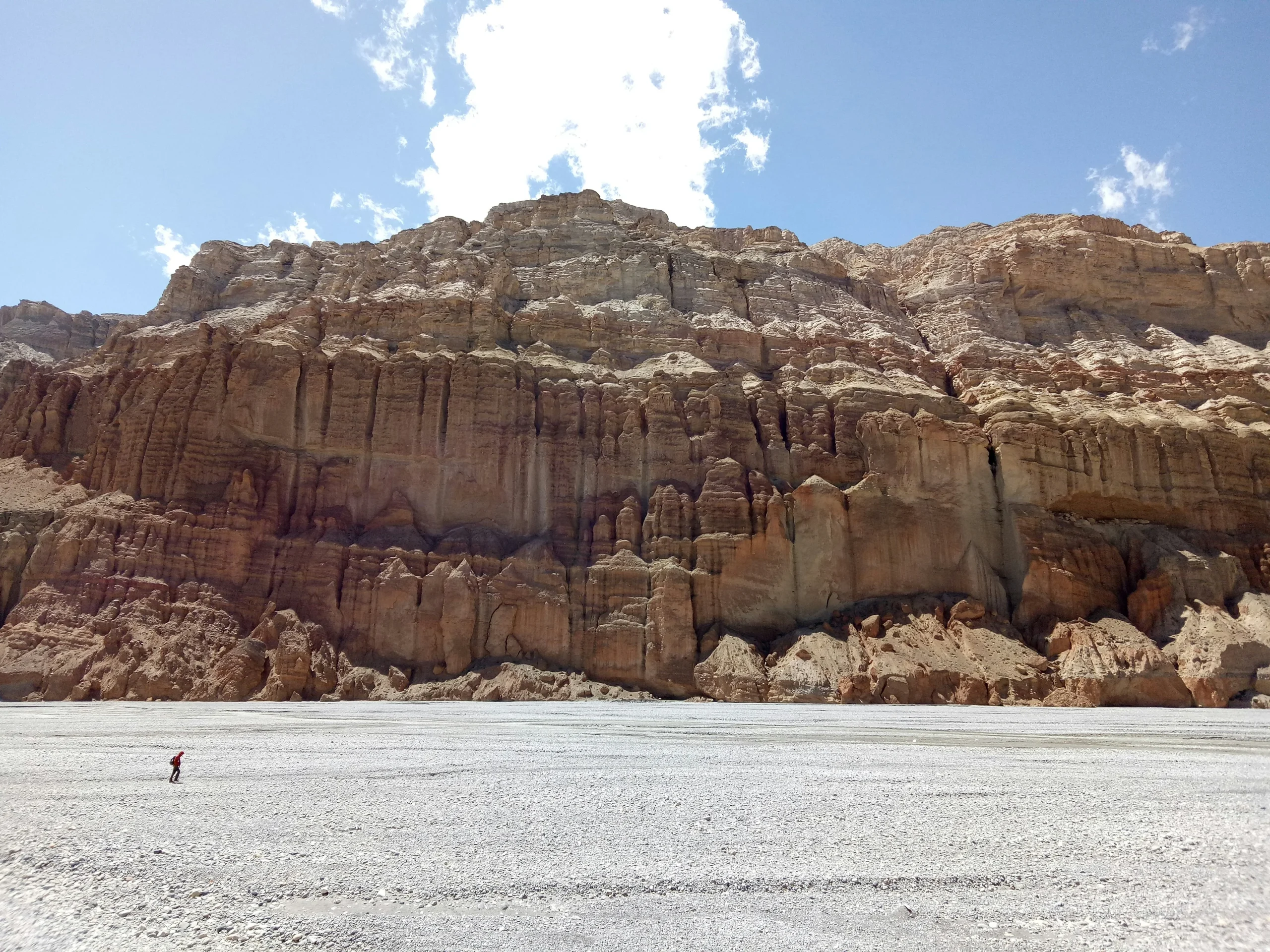
Kagbeni, Mustang and the Kali Gandaki Valley
Kagbeni is another place where the atmosphere changes noticeably.
The old village has narrow lanes, traditional stone buildings and strong Tibetan cultural influences. Its location near the Kali Gandaki River makes it an important point on the route and a gateway toward the Mustang region.
From here, the landscape becomes increasingly dry.
The Kali Gandaki Valley is particularly dramatic because it runs between the massive Annapurna and Dhaulagiri mountain ranges. The contrast between the high peaks and the dry valley floor creates some of the most unusual scenery on the trek.
Kagbeni also has an almost storybook quality. The old buildings, prayer flags, narrow passages and surrounding barren mountains make it feel very different from the greener villages encountered earlier.
It is one of those places where you may look around and think, “This cannot possibly be the same trek.”
It is.
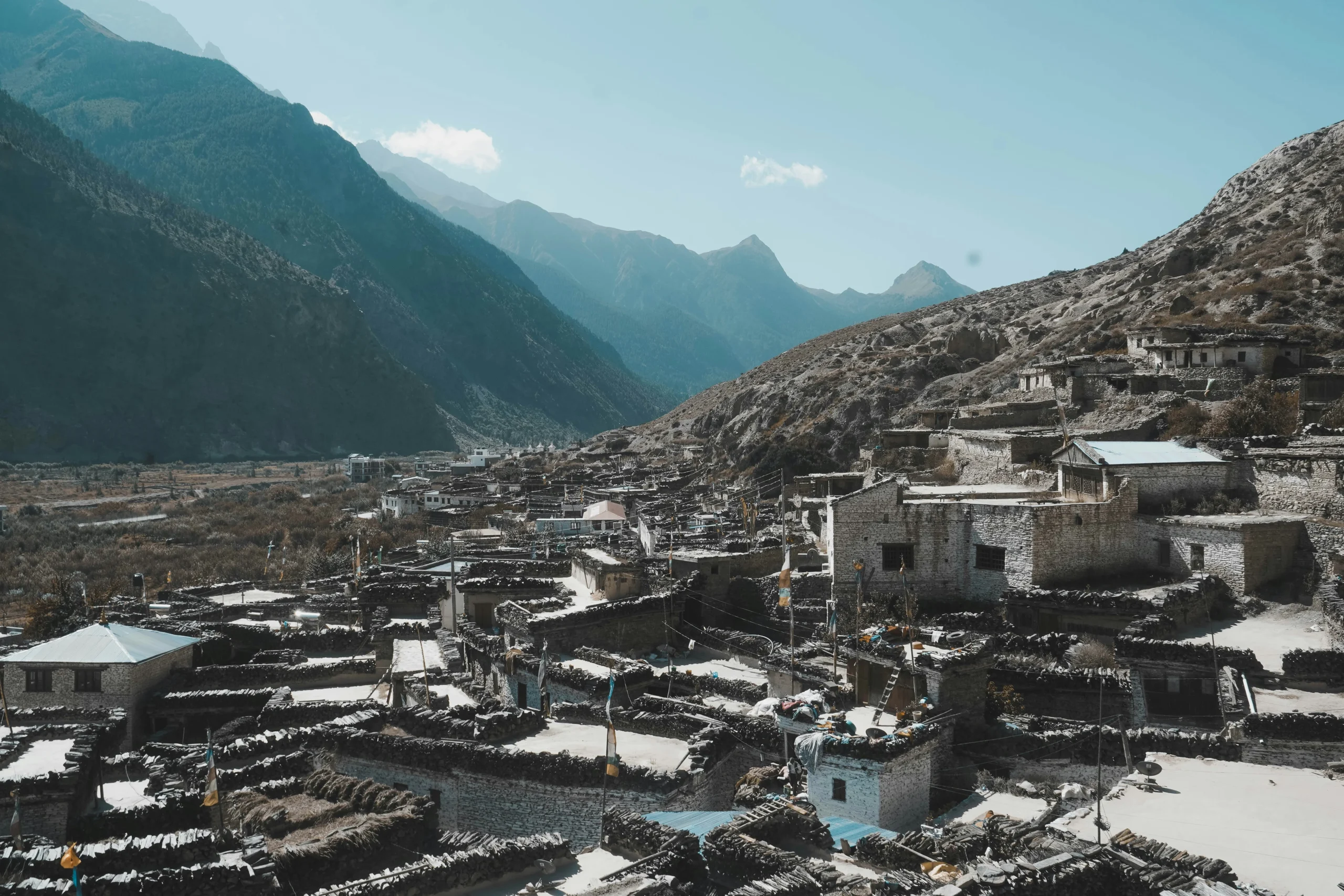
Marpha and the Villages Along the Way
The villages are themselves among the most rewarding Annapurna Circuit attractions.
Chame, Pisang, Manang, Kagbeni and Marpha each have their own character, architecture and cultural atmosphere.
Marpha is particularly well known for its stone-paved lanes, whitewashed houses and Thakali culture. The village is also surrounded by apple-growing areas and provides a pleasant contrast to the harsher landscapes around the high pass.
These villages are important because they show that the Annapurna Circuit is not simply a mountain expedition.
You are passing through communities where people live, work, farm, trade and maintain traditions that have developed around the mountains.
For international trekkers, this cultural element can be just as memorable as the Himalayan scenery.
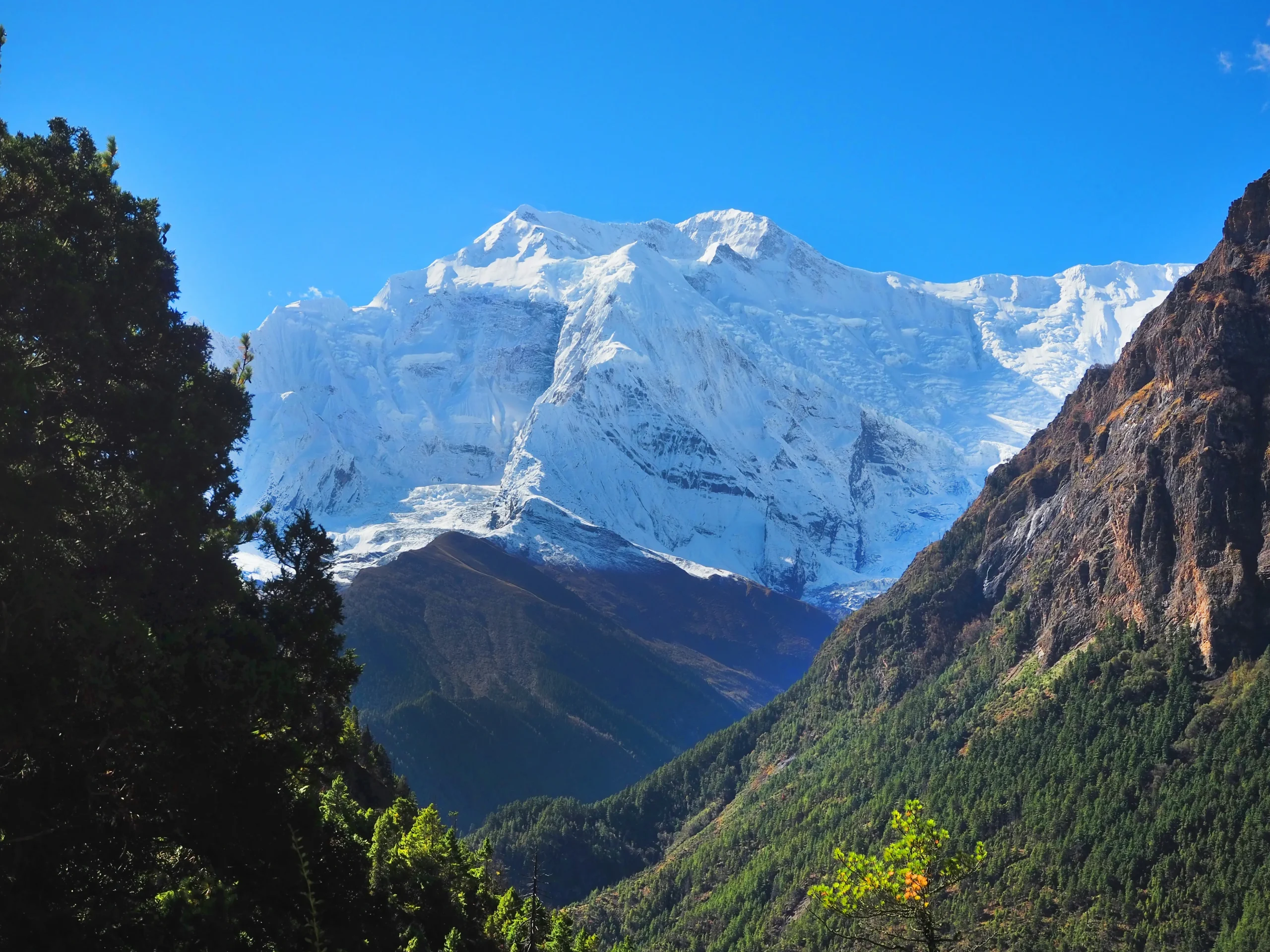
The Annapurna Circuit’s Changing Landscapes
Perhaps the most impressive attraction is something that cannot be pinned to one location.
It is the transformation of the entire environment.
The journey begins in relatively warm and green areas before gradually entering forests, alpine landscapes and high mountain terrain.
After crossing Thorong La, the scenery changes again.
The Mustang side lies in the rain shadow of the Himalayas, producing much drier conditions. The result is a striking contrast between the lush valleys earlier in the trek and the barren, rocky landscapes around Kagbeni and beyond.
This geographical variety is one of the main reasons the Annapurna Circuit has such a strong reputation among trekkers.
You are not simply walking toward a mountain.
You are moving through several different Himalayan environments during one continuous journey.
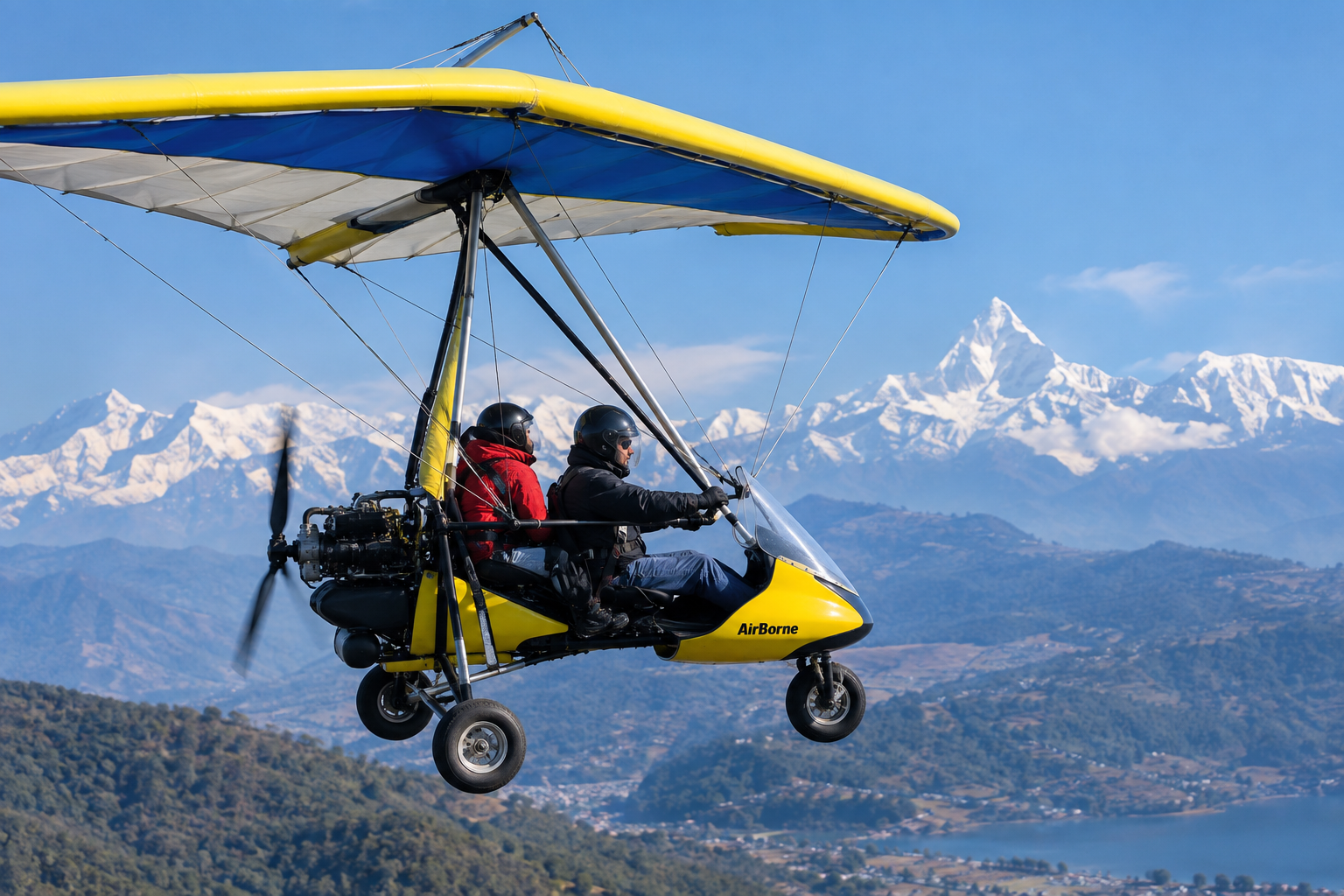
Ultra Light Flight – 1 Day Pokhara
Experience the thrill of flying above the beautiful city of Pokhara with our 1 Day Ultra Light Flight in...
Why These Attractions Make the Annapurna Circuit Special
The Annapurna Circuit is sometimes described simply as a trek around the Annapurna massif, but that description does not really explain why people remember it so strongly.
The attraction comes from the combination.
You have enormous mountains around Pisang and Manang. You have glaciers and lakes around Gangapurna. You have Buddhist monasteries and traditional villages. You have the challenge of Thorong La. Then you descend toward Muktinath, Kagbeni and Marpha, where the landscape and culture change again.
Very few long-distance Himalayan treks offer such a dramatic range of scenery and experiences within one journey.
And that is probably the biggest attraction of all.
You never quite know what the next section of the trail is going to look like.
Final Thoughts
The major Annapurna Circuit attractions are much more than a collection of famous places.
They are part of a gradual transformation.
Green valleys become pine forests. Forests become alpine terrain. Alpine terrain leads to the high pass. Beyond the pass, the landscape turns dry and dramatic, while the cultural atmosphere changes with it.
Manang, Gangapurna Lake, Tilicho Lake, Thorong La, Muktinath, Kagbeni and Marpha each offer something different, but they become much more memorable because they are connected by the journey between them.
That is what makes the Annapurna Circuit special.
You do not simply arrive at the attractions.
You walk your way into them.
Frequently Asked Questions
1. What are the major attractions on the Annapurna Circuit?
The major Annapurna Circuit attractions include the mountain landscapes around Pisang and Manang, Gangapurna Lake, Tilicho Lake, Thorong La Pass, Muktinath, Kagbeni, Marpha, the Kali Gandaki Valley and the traditional villages along the route.
2. Is Tilicho Lake part of the normal Annapurna Circuit?
Tilicho Lake is a side trip rather than a compulsory part of every standard Annapurna Circuit itinerary. It can be added for trekkers who have enough time and want the additional high-altitude experience.
3. What is the highest point of the Annapurna Circuit?
Thorong La Pass is the highest point of the classic circuit at 5,416 metres.
4. Why is Manang an important stop?
Manang is important for both acclimatization and cultural experience. Its high-altitude setting, traditional architecture, Buddhist culture and surrounding mountain scenery make it one of the highlights of the circuit.
5. Is Muktinath only a religious attraction?
No. Muktinath is a major pilgrimage destination, but it is also surrounded by spectacular Himalayan scenery and forms an important part of the journey after crossing Thorong La.
6. Why does the landscape change so much during the trek?
The route crosses areas with very different climates and elevations. The southern side is generally greener, while the Mustang side lies in the Himalayan rain shadow and is much drier.
7. Which is more impressive: the mountains or the villages?
That depends on the trekker. Some people will remember the enormous peaks around Manang, while others will remember walking through the narrow lanes of Kagbeni or Marpha. Fortunately, the Annapurna Circuit does not force you to choose.
8. Can I take a photograph at every attraction?
Technically, yes. Practically, your phone battery may disagree with this ambitious life plan.
9. If Thorong La is 5,416 metres high, who measured it while standing on top?
Probably someone who had a much more sensible job before deciding that carrying a measuring instrument up a mountain sounded like a good afternoon.
10. Does the Annapurna Circuit ever get boring?
The trail can certainly be tiring, but boring is difficult when the landscape keeps changing from green valleys to forests, high mountains, dry Mustang landscapes and traditional Himalayan villages. Your legs may eventually complain, though. They have their own opinion about the itinerary.

Similar Blogs
View all
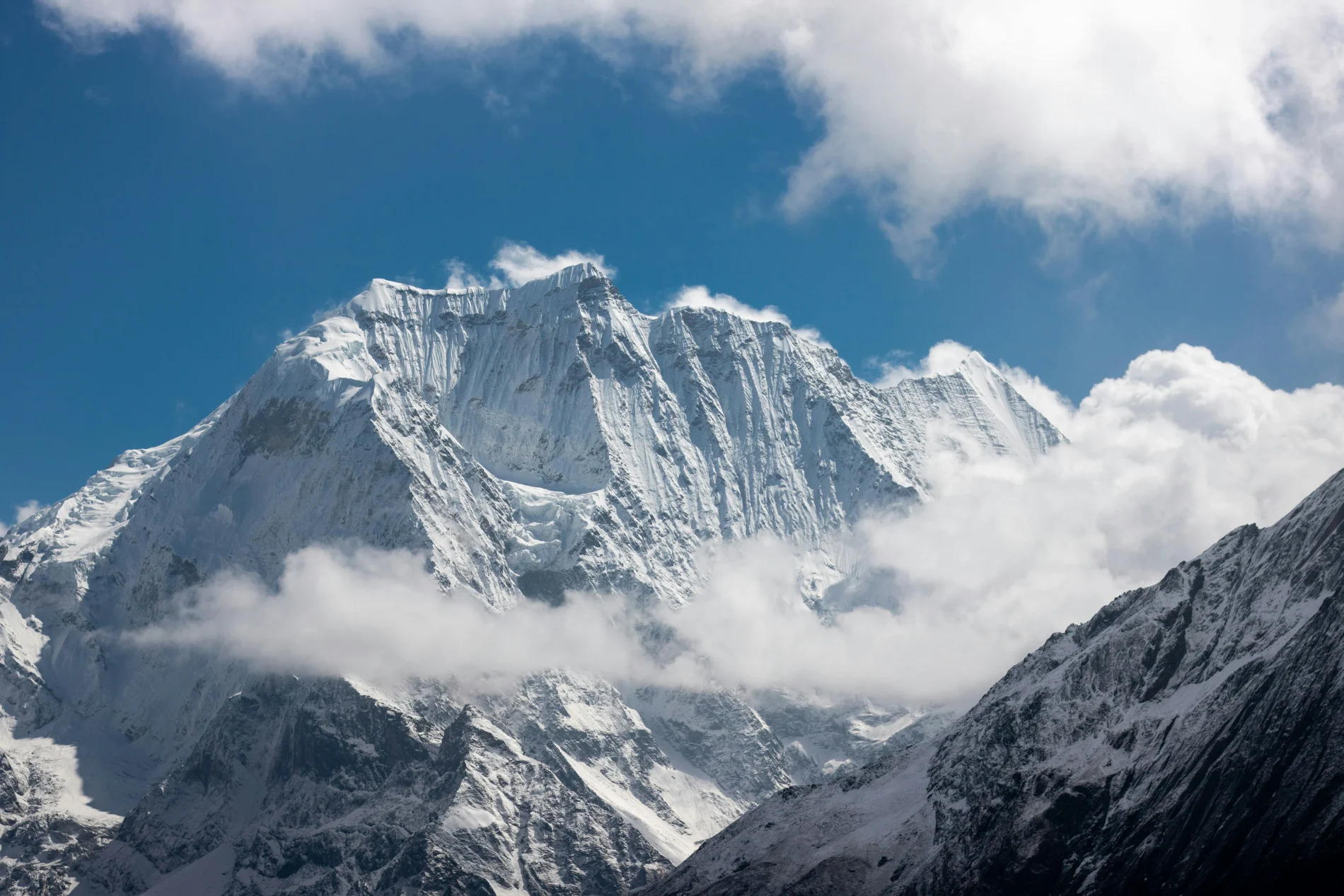
13/10/2026
Manaslu Circuit Trek After the October 2026 Floods: Trail Conditions, Safety and Travel Updates
The Manaslu Circuit Trek is one of Nepal’s most rewarding Himalayan journeys, taking trekkers through traditional...
Read more
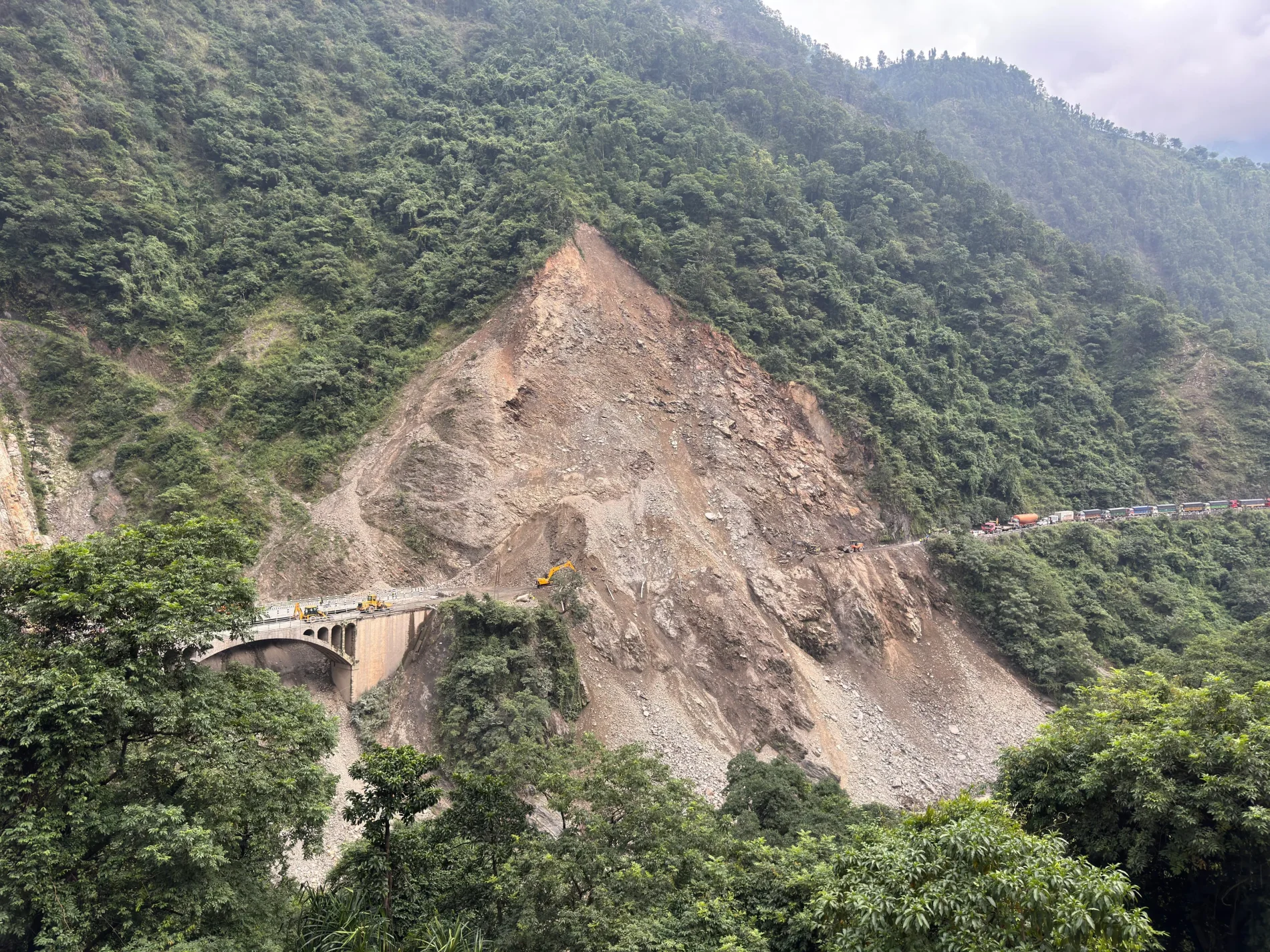
13/10/2026
Your Nepal Trek Is Booked, but the Trail Is Closed: What Now?
Imagine arriving in Nepal with your trekking boots ready, your flights booked, your bags packed, and...
Read more