

Annapurna Base Camp vs Annapurna Circuit: Which Trek Is Right for You?
Share:

 Read Time
This blog has 5240 words .This blog has 35599 characters.This blog take 17 minutes to read.
Annapurna Base Camp or Annapurna Circuit—which trek is the better choice for your adventure in Nepal? It’s one of the most common questions asked by trekkers planning to explore the Annapurna region. While both routes offer breathtaking Himalayan scenery, authentic mountain villages, and unforgettable experiences, they are designed for different types of travelers.
The Annapurna Base Camp (ABC) Trek takes you deep into the heart of the Annapurna Sanctuary, where you’ll stand beneath towering peaks like Annapurna I, Machapuchare (Fishtail), and Hiunchuli. In contrast, the Annapurna Circuit Trek (ACT) is a longer journey that circles the Annapurna Massif, crosses the famous Thorong La Pass (5,416 m), and showcases an incredible variety of landscapes and cultures.
Choosing between these two iconic treks depends on several factors, including your available time, fitness level, budget, trekking experience, and the type of adventure you’re looking for. Some trekkers prefer the shorter and more accessible ABC Trek, while others seek the challenge and diversity of the Annapurna Circuit.
In this guide, we’ll compare the Annapurna Base Camp Trek vs Annapurna Circuit Trek side by side, covering everything from duration, difficulty, altitude, scenery, culture, accommodation, costs, and the best time to trek. By the end, you’ll have a clear understanding of which trek best matches your travel goals and helps you create an unforgettable Himalayan adventure.
Overview of Both Treks
Both the Annapurna Base Camp Trek and the Annapurna Circuit Trek are among Nepal’s most popular trekking adventures, but they offer very different experiences. One takes you directly to the foot of the Annapurna Massif, while the other circles the entire mountain range, allowing you to experience diverse landscapes, cultures, and climates. Understanding the purpose and highlights of each trek will help you decide which one best suits your travel style.
What is the Annapurna Base Camp Trek?
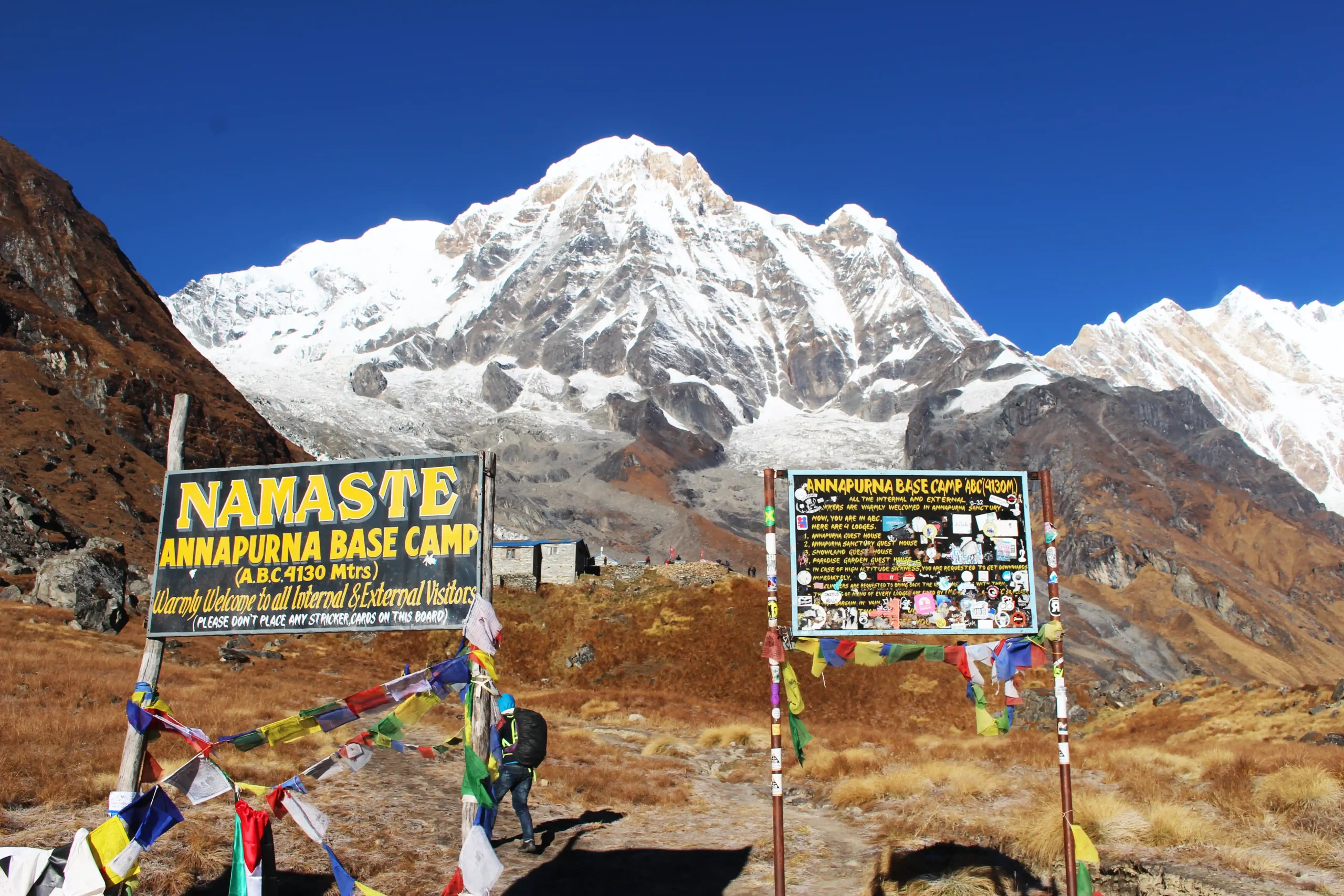
The Annapurna Base Camp (ABC) Trek is a classic Himalayan trek that leads to Annapurna Base Camp (4,130 m), located within the spectacular Annapurna Sanctuary. The trail passes through charming Gurung and Magar villages, lush rhododendron forests, terraced farmland, and glacial valleys before reaching a natural amphitheatre surrounded by towering peaks. Typically completed in 7–12 days, it’s an excellent choice for trekkers looking for incredible mountain views without committing to a longer expedition.
What is the Annapurna Circuit Trek?

The Annapurna Circuit Trek (ACT) is a longer and more diverse journey that circles the Annapurna Massif. Depending on the itinerary, it covers 160–230 km over 14–20 days and reaches its highest point at Thorong La Pass (5,416 m). Along the way, trekkers experience everything from subtropical forests and river valleys to alpine meadows, high mountain passes, and the arid landscapes of Mustang. The Circuit is ideal for those seeking a more challenging trek with greater cultural and geographical diversity.
Annapurna Base Camp vs Annapurna Circuit: Quick Comparison Table
If you’re still unsure which trek is the better choice, this quick comparison highlights the key differences. While both adventures offer incredible Himalayan scenery and authentic cultural experiences, they vary in duration, difficulty, altitude, and the overall trekking experience.
Trek Route and Itinerary Comparison
One of the biggest differences between the Annapurna Base Camp Trek and the Annapurna Circuit Trek is the route itself. While the ABC Trek takes you directly into the heart of the Annapurna Sanctuary before returning along the same trail, the Annapurna Circuit follows a longer route around the Annapurna Massif, allowing you to experience new landscapes almost every day.
Annapurna Base Camp Trek Route
The Annapurna Base Camp Trek usually starts with a scenic drive from Pokhara to Nayapul, Siwai, or Jhinu Danda, depending on the itinerary. The trail then passes through traditional Gurung villages such as Ghandruk and Chhomrong, before continuing through Bamboo, Dovan, Deurali, and Machhapuchhre Base Camp (3,700 m). The journey ends at Annapurna Base Camp (4,130 m), where trekkers are rewarded with breathtaking panoramic views of Annapurna I, Machhapuchhre, Hiunchuli, Annapurna South, and Gangapurna. After reaching Base Camp, the trek follows the same route back to the starting point.
Annapurna Circuit Trek Route
The Annapurna Circuit Trek generally begins with a drive from Kathmandu to Besisahar or Dharapani. From there, the trail gradually climbs through Chame, Upper Pisang, Manang, Yak Kharka, and Thorong Phedi before crossing the famous Thorong La Pass (5,416 m), the highest point of the trek. After the pass, the route descends to Muktinath, then continues through Kagbeni, Marpha, and Jomsom, where most trekkers either drive or fly to Pokhara. Unlike the ABC Trek, the Circuit rarely retraces its steps, making every stage of the journey feel fresh and unique.
Duration and Trekking Distance
The time you have available can play a major role in deciding which trek is right for you. While both treks offer incredible Himalayan experiences, the Annapurna Base Camp Trek is considerably shorter than the Annapurna Circuit Trek, making it a better option for travelers with limited time.
Annapurna Base Camp Trek
The Annapurna Base Camp Trek usually takes 7–12 days, depending on your itinerary, starting point, and walking pace. The total trekking distance is approximately 70–100 km, with most trekkers walking 5–7 hours per day. Because the route is shorter, it’s ideal for those who want to experience the Himalayas without committing to a long expedition.
Annapurna Circuit Trek
The Annapurna Circuit Trek typically requires 14–20 days and covers around 160–230 km, depending on where the trek begins and ends. Trekkers generally walk 6–8 hours each day, with some longer days during the ascent to and descent from Thorong La Pass (5,416 m). The longer duration allows you to experience a much greater variety of landscapes, cultures, and climatic zones.
If you’re looking for a rewarding trek within one to two weeks, the Annapurna Base Camp Trek is the better choice. However, if you have two to three weeks and want a more immersive Himalayan adventure, the Annapurna Circuit Trek offers a richer and more diverse trekking experience.
Difficulty Level
Although both treks are considered achievable for people with good preparation, the Annapurna Circuit Trek is generally more demanding than the Annapurna Base Camp Trek. The difference comes from the longer duration, greater distance, higher altitude, and the challenge of crossing Thorong La Pass (5,416 m).
Annapurna Base Camp Trek
The Annapurna Base Camp Trek is rated as moderate in difficulty. Trekkers usually walk 5–7 hours each day on well-established trails with a mix of stone steps, forest paths, and gradual ascents. While there are some steep sections, particularly around Chhomrong, the overall altitude is lower, making the trek suitable for beginners with a reasonable level of fitness.
Annapurna Circuit Trek
The Annapurna Circuit Trek is considered moderate to challenging. The trek involves 6–8 hours of walking daily, covers much longer distances, and reaches an altitude of 5,416 m at Thorong La Pass. The thinner air, colder temperatures, and longer trekking days require good endurance, mental resilience, and proper acclimatization.
If you’re looking for your first Himalayan trekking experience, the Annapurna Base Camp Trek is generally the more comfortable option.
Altitude and Acclimatization
Altitude is one of the biggest differences between the Annapurna Base Camp Trek and the Annapurna Circuit Trek. While both treks take you above 4,000 metres, the Annapurna Circuit climbs much higher, making proper acclimatization even more important.
Annapurna Base Camp Trek
The highest point of the Annapurna Base Camp Trek is Annapurna Base Camp (4,130 m). Although some trekkers may experience mild symptoms of altitude sickness, the gradual ascent and lower maximum elevation generally reduce the overall risk. Most itineraries allow enough time for your body to adapt naturally as you make your way to Base Camp.
Annapurna Circuit Trek
The Annapurna Circuit Trek reaches Thorong La Pass (5,416 m), one of the highest trekking passes in the world. At this altitude, oxygen levels are significantly lower, making acclimatization an essential part of the journey. Most itineraries include an extra day in Manang (3,540 m) to help trekkers adjust before continuing towards the pass. Skipping acclimatization or ascending too quickly can increase the risk of Acute Mountain Sickness (AMS).
Mountain Views and Scenery
Both the Annapurna Base Camp Trek and the Annapurna Circuit Trek offer spectacular Himalayan views, but the scenery is quite different. The ABC Trek focuses on close-up mountain panoramas, while the Annapurna Circuit offers constantly changing landscapes throughout the journey.
Annapurna Base Camp Trek
The Annapurna Base Camp Trek is famous for its breathtaking mountain amphitheatre, known as the Annapurna Sanctuary. As you reach Annapurna Base Camp (4,130 m), you’re surrounded by towering peaks on nearly every side. Along the trek, you’ll enjoy stunning views of Annapurna I (8,091 m), Machhapuchhre (Fishtail), Annapurna South, Hiunchuli, and Gangapurna. Combined with rhododendron forests, waterfalls, rivers, and traditional villages, the trek offers incredible scenery from start to finish.
Annapurna Circuit Trek
The Annapurna Circuit Trek is known for its remarkable variety of landscapes. The trail begins in lush green valleys before passing through pine forests, alpine meadows, rocky mountain terrain, and the high-altitude environment of Thorong La Pass (5,416 m). After crossing the pass, the scenery changes dramatically into the dry, desert-like landscapes of Mustang. Along the route, trekkers enjoy views of Annapurna II, Annapurna III, Annapurna IV, Gangapurna, Tilicho Peak, Chulu Peaks, Dhaulagiri, and many other Himalayan giants.
Landscape and Trail Experience
Although both treks are part of the Annapurna Conservation Area, the overall trail experience is very different. The Annapurna Base Camp Trek follows a more direct route to a single destination, while the Annapurna Circuit Trek takes you on a longer journey through multiple geographical regions, with the landscape changing almost every day.
Annapurna Base Camp Trek
The Annapurna Base Camp Trek passes through beautiful rhododendron forests, bamboo groves, cascading waterfalls, suspension bridges, terraced farmland, and peaceful mountain villages. The trail follows the Modi Khola Valley before gradually entering the spectacular Annapurna Sanctuary, where glaciers and towering Himalayan peaks dominate the landscape. Since the route returns along the same trail, you’ll revisit many of the places you passed on the ascent, although the scenery often feels different on the way down.
Annapurna Circuit Trek
The Annapurna Circuit Trek offers one of the most diverse trekking experiences in Nepal. Starting in subtropical valleys, the trail gradually climbs through pine forests, alpine meadows, rocky cliffs, and high-altitude terrain before reaching Thorong La Pass (5,416 m). After crossing the pass, the landscape transforms into the dry, windswept valleys of Mustang, creating a completely different trekking experience. Because the Circuit is a point-to-point route, each day brings new scenery, villages, and viewpoints.
Culture and Local Experience
Trekking in the Annapurna region is about much more than mountains. Both the Annapurna Base Camp Trek and the Annapurna Circuit Trek offer memorable cultural experiences, but each introduces you to different communities, traditions, and ways of life.
Annapurna Base Camp Trek
The Annapurna Base Camp Trek takes you through traditional Gurung and Magar villages, including Ghandruk and Chhomrong. Along the trail, you’ll find stone-built houses, terraced farms, prayer flags, and welcoming family-run tea houses. Many locals have a long history of serving in the Gurkha regiments, and their warm hospitality is one of the highlights of the trek. Sharing a traditional dal bhat meal and learning about local customs gives trekkers an authentic glimpse into everyday mountain life.
Annapurna Circuit Trek
The Annapurna Circuit Trek offers a broader cultural journey as the landscape and communities change with altitude. The lower sections feature Gurung villages, while higher regions such as Manang, Pisang, and Mustang reflect strong Tibetan Buddhist influences. Along the route, you’ll encounter ancient monasteries, mani walls, chortens, colorful prayer flags, and centuries-old trading villages. The combination of Hindu and Tibetan Buddhist traditions makes the Circuit one of Nepal’s richest cultural trekking experiences.
If you’re looking for a close connection with traditional Himalayan village life, the Annapurna Base Camp Trek provides a warm and intimate experience. However, if you want to explore a wider range of cultures and witness how traditions change across different regions of the Himalayas, the Annapurna Circuit Trek offers greater cultural diversity and depth.
Accommodation and Food
Both the Annapurna Base Camp Trek and the Annapurna Circuit Trek offer comfortable trekking experiences through local tea houses, which are small mountain lodges run by local families. However, because the Circuit covers a longer distance and reaches higher elevations, the overall experience can vary depending on the location and altitude.
Annapurna Base Camp Trek
During the Annapurna Base Camp Trek, trekkers stay in traditional tea houses located in villages such as Ghandruk, Chhomrong, Bamboo, Deurali, and Machhapuchhre Base Camp. Rooms are usually simple, with twin beds, blankets, and shared bathrooms in many places. The facilities are basic but comfortable enough after a long day of walking.
Food options include popular trekking meals such as dal bhat (rice, lentils, and vegetables), noodles, soups, momos, pasta, eggs, pancakes, and hot drinks. Since the route is shorter and more developed, food availability is generally good throughout the trek.
Annapurna Circuit Trek
The Annapurna Circuit Trek also uses tea houses, but the facilities can vary more because the route passes through remote and higher-altitude areas. In villages like Manang, Yak Kharka, and Thorong Phedi, accommodation becomes more basic due to the harsh mountain environment.
Food options are similar to ABC, including Nepali, Tibetan, and international dishes. However, prices usually increase at higher elevations because supplies need to be transported from lower regions. Trekkers can enjoy local specialties such as Tibetan bread, thukpa, and yak products in some areas.
Cost Comparison
The cost of trekking in the Annapurna region depends on several factors, including trek duration, accommodation choices, food, transportation, guide and porter services. Although both the Annapurna Base Camp Trek and Annapurna Circuit Trek require similar permits, the Circuit generally costs more because it takes longer and covers a greater distance.
Annapurna Base Camp Trek Cost
The Annapurna Base Camp Trek is usually more budget-friendly because it can be completed in a shorter period. The main expenses include transportation from Pokhara, accommodation in tea houses, meals, permits, and optional guide or porter services.
Average expenses include:
- ACAP Permit: Required for trekking in the Annapurna region.
- Tea house accommodation: Around USD 5–10 per night.
- Food: Around USD 5–10 per meal depending on altitude and location.
- Guide: Approximately USD 25–35 per day.
- Porter: Approximately USD 20–25 per day.
Because the trek lasts around 7–12 days, the overall cost remains lower.
Annapurna Circuit Trek Cost
The Annapurna Circuit Trek requires a larger budget because of its longer duration of 14–20 days. Although daily costs are similar to ABC, trekkers spend more on accommodation, food, transportation, and guide or porter services over a longer period.
The higher cost is mainly due to:
- More trekking days.
- More nights in tea houses.
- Additional transportation sections.
- Longer guide and porter services.
Best Time to Trek
Choosing the right season is important for enjoying the best experience on both the Annapurna Base Camp Trek and the Annapurna Circuit Trek. Although trekking is possible throughout the year, each season brings different weather conditions, scenery, and challenges.
Annapurna Base Camp Trek
The best seasons for the Annapurna Base Camp Trek are spring (March–May) and autumn (September–November). During these months, the weather is stable, skies are clearer, and mountain views are at their best. Spring is especially beautiful because rhododendron forests along the trail bloom with colorful flowers.
Winter (December–February) is also possible for ABC trekkers who enjoy quieter trails and snowy landscapes. However, temperatures can be very cold, especially near higher areas like Machhapuchhre Base Camp and Annapurna Base Camp.
The monsoon season (June–August) is less recommended due to rain, slippery trails, clouds, and possible landslides.
Annapurna Circuit Trek
The best time for the Annapurna Circuit Trek is also spring (March–May) and autumn (September–November). These months provide the safest conditions for crossing Thorong La Pass (5,416 m), with clear mountain views and comfortable trekking temperatures.
Winter (December–February) can be challenging on the Circuit because heavy snowfall may block Thorong La Pass, making the crossing difficult or sometimes impossible. The higher sections become extremely cold, especially around Thorong Phedi and High Camp.
The monsoon season (June–August) is generally not ideal for most parts of the Circuit because the lower sections receive heavy rainfall. However, the Manang and Mustang regions are located in rain-shadow areas and can still offer better conditions compared to other parts of Nepal.
In short:
- Best seasons for both treks: Spring and Autumn
- Best mountain views: October–November
- Best flowers and greenery: March–April
- Best winter option: Annapurna Base Camp Trek
- More seasonal challenges: Annapurna Circuit Trek due to Thorong La Pass crossing
If you want a safer and easier seasonal experience, Annapurna Base Camp Trek offers more flexibility, while the Annapurna Circuit Trek requires more careful planning because of its higher altitude and mountain pass crossing.
Crowds and Overall Trekking Experience
The number of trekkers you meet on the trail can greatly influence your Himalayan experience. While both the Annapurna Base Camp Trek and the Annapurna Circuit Trek are popular routes in Nepal, they offer different experiences when it comes to crowd levels, trail atmosphere, and the feeling of adventure.
Annapurna Base Camp Trek
The Annapurna Base Camp Trek is one of the most popular short treks in Nepal, which means the trail can become busy during the peak seasons of spring and autumn. Popular stops like Ghandruk, Chhomrong, and Machhapuchhre Base Camp often have many trekkers, especially during October and November.
However, the advantage of ABC is that the route is shorter and more accessible, making it easier for beginners and travelers with limited time. Despite the crowds, the friendly tea house atmosphere, beautiful villages, and incredible mountain views create a warm and enjoyable trekking experience.
Annapurna Circuit Trek
The Annapurna Circuit Trek generally feels more spacious because the route is longer and spread across a much larger area. Although popular sections like Manang, Thorong Phedi, and Thorong La Pass can be busy during peak seasons, many parts of the trail offer peaceful walking experiences with fewer trekkers.
The longer duration and changing landscapes make the Circuit feel more like a complete Himalayan expedition. Trekkers experience different environments, remote villages, and a greater sense of adventure as they move from the green valleys to the high mountain desert of Mustang.
If you prefer a shorter trek with a lively atmosphere and more interaction with fellow trekkers, the Annapurna Base Camp Trek is a great choice. However, if you want a quieter trail, deeper exploration, and a more adventurous journey, the Annapurna Circuit Trek provides a more immersive experience.
Which Trek Is Better for Beginners?
Choosing your first Himalayan trek can feel challenging because both the Annapurna Base Camp Trek and the Annapurna Circuit Trek offer incredible experiences. However, the right choice depends on your fitness level, trekking experience, available time, and comfort with altitude.
Annapurna Base Camp Trek for Beginners
The Annapurna Base Camp Trek is generally considered the better option for first-time trekkers in Nepal. The trek is shorter, reaches a lower maximum altitude of 4,130 m, and follows a well-established trail with comfortable tea house facilities. Most days involve 5–7 hours of walking, which is manageable for people with average fitness.
Although the trail includes many stone steps and some steep sections, especially around Chhomrong, beginners can complete the trek successfully with proper preparation and a steady pace. The reward is exceptional mountain scenery without the extreme altitude challenge of higher Himalayan routes.
Annapurna Circuit Trek for Beginners
The Annapurna Circuit Trek is possible for beginners who are physically prepared, but it requires more commitment. The longer duration, 6–8 hours of daily walking, and crossing Thorong La Pass (5,416 m) make it more demanding.
Beginners choosing the Circuit should prepare with regular hiking, strength training, and proper acclimatization. Having an experienced guide is also highly recommended, especially during the high-altitude sections.
Which One Should First-Time Trekkers Choose?
If this is your first trekking experience in Nepal, the Annapurna Base Camp Trek is usually the safer and more comfortable choice. It provides a complete Himalayan adventure within a shorter timeframe.
However, if you are physically fit, have enough time, and want to challenge yourself with a longer journey and a high mountain pass, the Annapurna Circuit Trek can also be a rewarding first Himalayan adventure with proper preparation.
Pros and Cons of Each Trek
Both the Annapurna Base Camp Trek and the Annapurna Circuit Trek offer unforgettable Himalayan experiences, but each route has its own advantages and challenges. Understanding the strengths and limitations of both treks can help you choose the one that best matches your expectations.
Annapurna Base Camp Trek
Pros
✅ Shorter Trek Duration
The ABC Trek can usually be completed in 7–12 days, making it perfect for travelers with limited time in Nepal.
✅ Amazing Close-Up Mountain Views
The trek takes you directly into the Annapurna Sanctuary, where you are surrounded by massive peaks including Annapurna I and Machhapuchhre.
✅ Beginner-Friendly Route
With a lower maximum altitude of 4,130 m, it is suitable for first-time Himalayan trekkers with proper preparation.
✅ Rich Local Culture
The trail passes through beautiful Gurung and Magar villages, offering authentic cultural experiences.
✅ Lower Overall Cost
Because of the shorter duration, accommodation, food, and guide costs are generally lower.
Cons
❌ Less Landscape Variety
The route mainly focuses on forests, villages, and mountain valleys rather than multiple geographical regions.
❌ Same Trail Return
Since it follows an out-and-back route, some sections of the trail are repeated.
❌ More Crowded During Peak Season
Popular villages and viewpoints can become busy during spring and autumn.
❌ Lower Adventure Level
It does not include a high mountain pass like Thorong La.
❌ Limited Exploration Time
The shorter itinerary means less time to explore different Himalayan regions.
Annapurna Circuit Trek
Pros
✅ Incredible Landscape Diversity
The Circuit takes you through green valleys, forests, alpine areas, high mountain passes, and the dry Mustang region.
✅ Crossing Thorong La Pass
Reaching Thorong La Pass (5,416 m) is one of the most memorable achievements in Himalayan trekking.
✅ Greater Cultural Diversity
You experience Hindu villages, Manangi traditions, and Tibetan-influenced Buddhist communities.
✅ More Complete Himalayan Journey
The changing scenery and longer route make it feel like a full mountain expedition.
✅ Less Repetitive Trail Experience
Because the route forms a circuit, every day brings new landscapes and destinations.
Cons
❌ Longer Duration Required
The trek usually takes 14–20 days, requiring more holiday time.
❌ Higher Physical Demand
Long walking days, higher altitude, and Thorong La Pass require better endurance.
❌ Higher Cost
More trekking days mean higher expenses for accommodation, meals, guides, and transportation.
❌ Greater Altitude Challenge
The risk of altitude-related problems is higher because the route reaches 5,416 m.
❌ Weather Can Affect the Route
Heavy snowfall can sometimes make Thorong La Pass difficult or impossible to cross.
Who Should Choose the Annapurna Base Camp Trek?
The Annapurna Base Camp Trek is the perfect choice for travelers who want to experience the beauty of the Himalayas without committing to a long and highly demanding adventure. It offers a balanced combination of stunning mountain views, cultural experiences, and manageable trekking days, making it one of the most popular treks in Nepal.
You should choose the Annapurna Base Camp Trek if:
You Have Limited Time in Nepal
If you have around 7–12 days available, ABC allows you to experience the heart of the Annapurna region without needing a longer holiday. It is ideal for travelers who want a complete Himalayan experience within a shorter timeframe.
You Are a First-Time Trekker
The ABC Trek is suitable for beginners with reasonable fitness. The lower maximum altitude of 4,130 m and well-established trails make it easier to manage compared to higher-altitude treks.
You Want Close-Up Mountain Views
If your dream is to stand directly in front of some of Nepal’s highest peaks, ABC is an excellent choice. The final destination inside the Annapurna Sanctuary offers breathtaking views of Annapurna I, Machhapuchhre, Hiunchuli, and Annapurna South.
You Prefer a Moderate Adventure
The trek provides an exciting Himalayan journey without the extreme challenge of crossing a high mountain pass. It is suitable for families, couples, and travelers looking for a comfortable yet rewarding trekking experience.
You Want Lower Cost and Easier Planning
Because the trek is shorter, the overall expenses are usually lower, and planning is simpler compared to longer Himalayan routes.
Who Should Choose the Annapurna Circuit Trek?
The Annapurna Circuit Trek is ideal for trekkers who want a longer, more adventurous Himalayan journey filled with changing landscapes, diverse cultures, and the challenge of crossing a high mountain pass. Unlike the ABC Trek, which focuses mainly on reaching a single destination, the Circuit offers a complete journey around the Annapurna Massif.
You should choose the Annapurna Circuit Trek if:
You Want a Longer Himalayan Adventure
If you have 14–20 days available, the Annapurna Circuit allows you to explore more of Nepal’s mountain regions. Each day brings new scenery, villages, and experiences, making it feel like a true Himalayan expedition.
You Enjoy Challenging Treks
The Circuit is suitable for trekkers who enjoy physical challenges. Crossing Thorong La Pass (5,416 m) requires good endurance, proper preparation, and patience, especially because of the high altitude and changing weather conditions.
You Want Diverse Landscapes
The Annapurna Circuit is famous for its incredible geographical variety. The trail moves from green valleys and forests to alpine landscapes and finally into the dry, desert-like region of Mustang. Few treks in Nepal offer such dramatic changes in scenery.
You Are Interested in Cultural Diversity
The Circuit provides a wider cultural experience, from Hindu communities in the lower regions to Tibetan-influenced villages in Manang and Mustang. You can explore ancient monasteries, prayer walls, traditional villages, and unique mountain lifestyles.
You Want a Less Repetitive Trail Experience
Because the Circuit follows a circular route, most days introduce a new landscape and destination. This makes the journey feel fresh and exciting from beginning to end.
Final Verdict: Annapurna Base Camp or Annapurna Circuit?
Choosing between the Annapurna Base Camp Trek and the Annapurna Circuit Trek ultimately depends on what kind of Himalayan experience you are looking for. Both treks offer breathtaking mountain views, authentic local culture, and unforgettable memories, but they provide very different adventures.
The Annapurna Base Camp Trek is the better choice if you want a shorter and more accessible journey. It is ideal for first-time trekkers, travelers with limited time, and those who want to stand close to some of the world’s highest mountains without taking on extreme altitude challenges. The highlight of the trek is reaching the Annapurna Sanctuary (4,130 m), where massive peaks surround you in a spectacular natural amphitheater.
The Annapurna Circuit Trek, on the other hand, is perfect for adventure seekers who want a longer and more diverse experience. With its changing landscapes, traditional mountain villages, Tibetan-influenced culture, and the unforgettable crossing of Thorong La Pass (5,416 m), it offers a deeper exploration of the Annapurna region.
Choose Annapurna Base Camp if you:
- Have only 7–12 days in Nepal
- Are trekking for the first time
- Prefer lower altitude and moderate difficulty
- Want close-up mountain views
Choose Annapurna Circuit if you:
- Have 14–20 days available
- Want a bigger challenge
- Enjoy diverse landscapes and cultures
- Dream of crossing a high Himalayan pass
There is no single “best” trek between the two. The right choice depends on your time, fitness level, budget, and adventure goals. Whether you choose the shorter ABC route or the legendary Circuit trail, both journeys offer the beauty, culture, and unforgettable experiences that make the Annapurna region one of Nepal’s greatest trekking destinations.
FAQs
1. Which is better: Annapurna Base Camp or Annapurna Circuit?
There is no single best trek because it depends on your preference. The Annapurna Base Camp Trek is better for travelers who want a shorter and easier journey with incredible mountain views, while the Annapurna Circuit Trek is better for those seeking a longer adventure with diverse landscapes and the challenge of crossing Thorong La Pass (5,416 m).
2. Is Annapurna Base Camp easier than Annapurna Circuit?
Yes, the Annapurna Base Camp Trek is generally easier than the Annapurna Circuit. ABC has a lower maximum altitude of 4,130 m and fewer trekking days, while the Circuit reaches 5,416 m and requires crossing a high mountain pass.
3. Which trek is better for beginners: ABC or Annapurna Circuit?
For first-time trekkers, the Annapurna Base Camp Trek is usually the better choice. It requires less time, has a lower altitude, and offers well-established trails with comfortable tea house facilities. However, beginners with good fitness can also complete the Circuit with proper preparation.
4. Which trek has better mountain views?
Both treks offer amazing Himalayan scenery. The Annapurna Base Camp Trek provides closer views of Annapurna I, Machhapuchhre, and surrounding peaks, while the Annapurna Circuit Trek offers a wider variety of mountain landscapes throughout the journey.
5. Which trek is longer: Annapurna Base Camp or Annapurna Circuit?
The Annapurna Circuit Trek is longer. It usually takes 14–20 days and covers around 160–230 km, while the Annapurna Base Camp Trek takes approximately 7–12 days and covers around 70–100 km.
6. Which trek is more expensive?
The Annapurna Circuit Trek usually costs more because it takes longer and requires more days of accommodation, food, transportation, and guide or porter services. The ABC Trek is generally more budget-friendly due to its shorter duration.
7. Can I combine Annapurna Base Camp and Annapurna Circuit Trek?
Yes, it is possible to combine both routes, but it requires more time and planning. A combined Annapurna adventure can take several weeks and allows trekkers to experience both the Annapurna Sanctuary and the Circuit route.
8. Which trek has a higher altitude risk?
The Annapurna Circuit Trek has a higher altitude risk because it reaches Thorong La Pass at 5,416 m. The ABC Trek reaches 4,130 m, so the risk is generally lower, although altitude awareness is still important on both routes.
9. What is the best season for Annapurna Base Camp and Annapurna Circuit?
The best seasons for both treks are spring (March–May) and autumn (September–November). These months provide clear mountain views, stable weather, and comfortable trekking conditions.
10. Should I choose Annapurna Base Camp or Annapurna Circuit?
Choose Annapurna Base Camp if you have limited time, are a beginner, and want close mountain views. Choose Annapurna Circuit if you have more time, good fitness, and want a challenging journey with diverse landscapes and cultural experiences.

Similar Blogs
View all
13/10/2026
Manaslu Circuit Trek After the October 2026 Floods: Trail Conditions, Safety and Travel Updates
The Manaslu Circuit Trek is one of Nepal’s most rewarding Himalayan journeys, taking trekkers through traditional...
Read more
13/10/2026
Your Nepal Trek Is Booked, but the Trail Is Closed: What Now?
Imagine arriving in Nepal with your trekking boots ready, your flights booked, your bags packed, and...
Read more