


Annapurna Base Camp Trek: Complete Travel Guide, Cost & Itinerary (2026)
Share:

 Read Time
This blog has 11748 words .This blog has 77195 characters.This blog take 39 minutes to read.
The Annapurna Base Camp Trek is an amazing trip in the Himalayas. It has mountains and pretty landscapes. You also get to learn about the people and their way of life. This trek is considered one of the beautiful trips in the world. The Annapurna Base Camp Trek takes you to the heart of the Annapurna Sanctuary. You are surrounded by mountains on all sides.
The Annapurna Base Camp Trek is special because it is not too hard to do. You do not need to spend a lot of time getting used to the altitude. The trip takes you through villages and green forests. You walk on suspension bridges. See rivers and big mountains. The Annapurna Base Camp Trek is at an altitude of 4,130 meters.
When you are at the Annapurna Base Camp it feels like you are in a natural theater. The mountains around you are really big and beautiful. You see the Annapurna I and the Machhapuchhre mountains. There are big mountains around the Annapurna Base Camp too.
The Annapurna Base Camp Trek is not just about seeing mountains. You also get to learn about the people and their culture. You visit villages and meet the Gurung and Magar people. They are very friendly and welcoming. You see how they live and what they do. You learn about their houses and farms. You see how they take care of the environment.
The Annapurna Base Camp Trek is very popular because it has a lot of variety. You see landscapes and meet new people every day. One day you are in a forest with rhododendron flowers. The day you are in a place with snow-covered mountains. Every day is an experience on the Annapurna Base Camp Trek.
The Annapurna Base Camp Trek is good for types of travelers. If you have never been to the Himalayas before this is a trip to start with. If you have been to the Himalayas times you will still enjoy the Annapurna Base Camp Trek. You just need to be prepared and have a mindset. The Annapurna Base Camp Trek is a trip that you will always remember.
Annapurna Base Camp Trek- Overview
The Annapurna Base Camp Trek is an adventure in Nepal. It takes travelers into the center of the Annapurna Mountain region.The trek leads through the Annapurna Sanctuary.This natural valley is surrounded by some of the peaks in the world.The main destination is Annapurna Base Camp (ABC).It is located at an altitude of 4,130 meters above sea level.This viewpoint sits beneath the Annapurna mountain range.
It offers views of snow-covered peaks, glaciers and landscapes.The journey starts from Pokhara.Pokhara is one of Nepals cities.It is the gateway to the Annapurna region.From Pokhara trekkers walk through villages, forests and fields.The Annapurna Base Camp Trek is famous for its mix of nature, culture and adventure.The route provides a trekking experience.
There are established trails and teahouses along the way.Trekkers can enjoy food and meet communities.The trail passes through villages like Ghandruk, Chhomrong, Bamboo and Deurali.Each village offers views and experiences.The lower sections have forests and farmland.The upper sections are an alpine environment.One special aspect of the trek is seeing the peaks up close.Trekkers witness views of mountains like Annapurna I, Machhapuchhre and Annapurna South.The trek is considered moderate.It is a choice for beginners and experienced trekkers.It does not require climbing skills.
Travelers should have fitness and be able to walk several hours each day.The Annapurna Base Camp Trek is about experiencing the journey.The changing landscapes, villages and breathtaking surroundings make this trek unforgettable.For travelers reaching Annapurna Base Camp is a personal experience.It is, about connecting with nature, culture and the beauty of the Himalayas.The Annapurna Base Camp Trek is one of Nepals unforgettable adventures.It offers a mix of nature, culture and adventure.The Annapurna Base Camp Trek takes travelers to the Annapurna Mountain region.The Annapurna Base Camp Trek provides views of the Himalayas.
Why Annapurna Base Camp Trek is Famous
The Annapurna Base Camp Trek is famous worldwide because it offers one of the most complete Himalayan trekking experiences in Nepal. It combines spectacular mountain scenery, cultural exploration, diverse landscapes, and an achievable adventure into one unforgettable journey.
Many trekking routes in Nepal are known for one particular attraction, but the Annapurna Base Camp Trek stands out because it offers a perfect combination of everything a traveler dreams of experiencing in the Himalayas.
Close-Up Views of the Himalayan Mountains
One of the biggest reasons Annapurna Base Camp Trek is famous is the incredible proximity to some of the world’s highest mountains. Unlike viewpoints where mountains are seen from a distance, this trek takes you deep inside the Annapurna Sanctuary, surrounded by massive Himalayan peaks.
From the trail and the base camp, trekkers can enjoy breathtaking views of:
- Annapurna I
- Machhapuchhre
- Annapurna South
- Hiunchuli
- Gangapurna
- Annapurna III
- Annapurna Fang
Standing beneath these towering peaks creates a feeling of being completely surrounded by the Himalayas.
The Unique Annapurna Sanctuary Experience
The Annapurna Base Camp Trek is special because the final destination lies inside the Annapurna Sanctuary, a natural mountain amphitheater. As trekkers move higher, the valley gradually narrows, and the mountains appear closer and more dramatic with every step.
When you reach Annapurna Base Camp, you are surrounded by a 360-degree panorama of Himalayan giants. This rare landscape is one of the main reasons photographers, adventure lovers, and nature enthusiasts choose this trek.
A Perfect Blend of Nature and Culture
Another reason for the popularity of this trek is the opportunity to experience both natural beauty and local Himalayan culture.
The trail passes through traditional villages where travelers can experience:
- Gurung and Magar communities
- Traditional mountain houses
- Local farming practices
- Himalayan hospitality
- Ancient customs and lifestyles
Villages such as Ghandruk and Chhomrong provide a wonderful introduction to the culture of the Annapurna region.
Diverse Landscapes in One Journey
The Annapurna Base Camp Trek offers incredible landscape changes within a relatively short distance. During the trek, you can experience:
- Green terraced farmland
- Bamboo forests
- Rhododendron forests
- Waterfalls and rivers
- Alpine valleys
- Snow-covered mountain landscapes
This diversity makes every day of the trek different and exciting.
Accessible Himalayan Adventure
The trek is famous because it provides a true Himalayan experience without requiring advanced mountaineering skills. Compared to some higher-altitude treks in Nepal, Annapurna Base Camp is more accessible while still offering dramatic mountain scenery.
With proper preparation, many first-time Himalayan trekkers can successfully complete this adventure.
Comfortable Teahouse Trekking Experience
The availability of mountain teahouses also makes this trek popular. Travelers can stay in local lodges, enjoy warm meals, meet fellow trekkers, and experience authentic mountain life without needing camping equipment.
This combination of adventure and comfort makes the Annapurna Base Camp Trek suitable for a wide range of travelers.
A Lifetime Memory for Trekkers
For many people, the Annapurna Base Camp Trek is more than just a hiking journey. It is an opportunity to challenge themselves, disconnect from busy lifestyles, and experience the peaceful beauty of the Himalayas.
The combination of breathtaking mountains, welcoming communities, and unforgettable moments is what makes Annapurna Base Camp one of Nepal’s most famous trekking destinations.
4. Where is Annapurna Base Camp Located?
The Annapurna Base Camp (ABC) is located in the Annapurna region of Nepal, inside the protected area of the Annapurna Sanctuary. It lies in the northern part of central Nepal, within the Annapurna Conservation Area, which is one of the largest and most popular trekking regions in the country.
The base camp sits at an altitude of 4,130 meters (13,550 feet) above sea level, directly beneath the majestic Annapurna massif. It is surrounded by some of the most impressive Himalayan peaks, creating a natural amphitheater that makes the destination one of the most spectacular places in Nepal.
The Annapurna region is located north of Pokhara, a beautiful lakeside city that serves as the main gateway for most Annapurna trekking adventures. Most trekkers begin their journey from Pokhara before traveling to the trailhead and starting the walk toward the base camp.
Location of Annapurna Base Camp on the Map
Annapurna Base Camp is situated approximately:
- North of Pokhara
- Within the Annapurna Conservation Area
- Inside the Annapurna Sanctuary valley
- In the western Himalayan region of Nepal
The exact location places trekkers deep between the mountains, surrounded by:
- Annapurna I
- Machhapuchhre
- Annapurna South
- Hiunchuli
- Gangapurna
- Annapurna III
Understanding the Annapurna Sanctuary
The Annapurna Sanctuary is a high-altitude glacial basin surrounded by a ring of Himalayan peaks. The valley was traditionally considered a sacred place by local communities, and today it is protected as part of the Annapurna Conservation Area.
The narrow entrance to the sanctuary creates a dramatic change in scenery. As trekkers move beyond villages like Chhomrong and Deurali, the landscape becomes more alpine, with fewer forests and increasingly impressive mountain views.
The final approach to Annapurna Base Camp feels like entering a hidden Himalayan world where massive peaks rise on all sides.
How to Reach Annapurna Base Camp
Most journeys to Annapurna Base Camp start from Pokhara.
The general travel route is:
Kathmandu → Pokhara → Trek Starting Point → Annapurna Base Camp
From Pokhara, trekkers usually travel by road toward villages such as:
- Ghandruk
- Siwai
- Jhinu Danda
- Nayapul (traditional starting point)
From there, the trekking trail gradually climbs through villages, forests, and mountain valleys until reaching Annapurna Base Camp.
Why the Location Makes ABC Trek Special
The location of Annapurna Base Camp is one of its greatest attractions. Unlike many mountain viewpoints that only offer distant views, ABC places trekkers directly among the Himalayan peaks.
The surrounding mountains create a breathtaking atmosphere where visitors can experience:
- Sunrise and sunset over snowy peaks
- Glacier views
- Peaceful mountain landscapes
- Close interaction with nature
- A true Himalayan wilderness experience
This unique location is what makes Annapurna Base Camp one of the most unforgettable trekking destinations in Nepal.
Annapurna Base Camp Trek Experience: What the Journey Feels Like
The Annapurna Base Camp Trek is not just about reaching a destination; it is about every moment experienced along the trail. From the first steps through peaceful villages to the final walk into the heart of the Annapurna Sanctuary, the journey offers a changing landscape, unforgettable encounters, and a deep connection with the Himalayan environment.
Every day on the trail brings something new. The sound of flowing rivers, the fresh mountain air, the welcoming smiles of local people, and the constant presence of towering peaks create an experience that stays in your memory long after the trek is over.
Walking Through the Beautiful Annapurna Landscapes
The adventure usually begins from the lower hills of the Annapurna region, where green forests, terraced fields, and traditional villages welcome trekkers. The trail slowly climbs higher, revealing a completely different world with every passing day.
At the beginning, you walk through:
- Green hills and farmland
- Rhododendron forests
- Small mountain settlements
- Rivers and waterfalls
- Traditional stone-paved paths
As the altitude increases, the landscape changes. Forests become thinner, the air becomes cooler, and the Himalayan peaks begin to dominate the horizon.
The journey itself becomes a beautiful transition from the peaceful countryside to the dramatic high mountains.
The Feeling of Walking Towards the Himalayas
One of the most special feelings during the Annapurna Base Camp Trek is watching the mountains become larger and closer every day.
At first, the peaks appear far away in the distance. Slowly, they begin to surround the trail. The magnificent shape of Machhapuchhre becomes a constant companion, guiding trekkers deeper into the sanctuary.
The excitement grows with every step as you realize you are moving closer to some of the world’s highest mountains.
Experiencing Life in Himalayan Villages
The trek is also a journey through the traditional communities of the Annapurna region. Villages along the route offer a glimpse into a lifestyle that has remained connected with nature for generations. Staying in mountain teahouses allows trekkers to experience:
- Warm local hospitality
- Traditional Nepali meals
- Simple mountain living
- Conversations with local families
- Beautiful sunrise and sunset moments
Places like Ghandruk and Chhomrong are not just overnight stops; they are cultural experiences where you can understand the daily life of Himalayan communities.
The Challenge and Reward of the Trail
The Annapurna Base Camp Trek has moments that challenge you. Long walking days, steep stone steps, and changing weather conditions test your patience and determination.
There are times when your legs feel tired, but the incredible scenery around you keeps motivating you to continue.
Every difficult climb becomes worthwhile when you stop to look around and see:
- Snow-covered mountains above you
- Deep valleys below you
- Clouds moving through the Himalayan landscape
- The peaceful silence of nature
The journey teaches you that the beauty of the Himalayas is not only found at the destination but also along the path.
The Magical Moment of Reaching Annapurna Base Camp
After days of walking through the mountains, reaching Annapurna Base Camp is an unforgettable moment.
As you enter the sanctuary, the mountains rise dramatically on all sides. Standing at 4,130 meters, surrounded by giant Himalayan peaks, creates a feeling that is difficult to describe.
Many trekkers spend their time at the base camp simply enjoying the view, taking photographs, and appreciating the incredible natural surroundings.
The sunrise and early morning views from ABC are especially magical, as the first rays of sunlight touch the snowy peaks and transform the entire landscape.
More Than Just a Trek
The Annapurna Base Camp Trek is a journey of discovery. It is about leaving behind the noise of everyday life and entering a world where nature, culture, and adventure come together.
The memories are not only of mountains but also of small moments:
- Drinking tea in a mountain lodge
- Walking beside rivers
- Sharing stories with fellow trekkers
- Seeing local life in remote villages
- Watching the stars above the Himalayas
This is what makes Annapurna Base Camp more than a trekking route. It becomes a personal adventure that every traveler experiences in their own unique way.
Annapurna Base Camp Trek Route Overview
The Annapurna Base Camp Trek route is a beautiful journey that gradually takes travelers from the peaceful foothills of Nepal into the heart of the Himalayan mountains. The trail begins from the scenic city of Pokhara and leads through traditional villages, green forests, deep valleys, and high mountain landscapes before reaching the spectacular Annapurna Sanctuary.
What makes this route special is the incredible change in scenery along the way. In the beginning, trekkers walk through warm hills covered with farmland and forests. As the trail climbs higher, the landscape slowly transforms into a dramatic alpine environment where massive Himalayan peaks begin to dominate the surroundings.
The adventure usually begins from Pokhara, the gateway to the Annapurna region. After reaching the trekking starting point, the trail passes through beautiful villages such as Ghandruk, one of the most famous Gurung settlements in Nepal. The village offers stunning views of the surrounding mountains and provides the first introduction to the unique culture and lifestyle of the Annapurna region.
From Ghandruk, the trail continues toward Chhomrong, a beautiful hillside village that offers one of the most impressive viewpoints along the trek. Here, trekkers can see the magnificent Machhapuchhre and Annapurna South rising above the valley. Chhomrong is also considered an important point on the route because the landscape begins to change as the trail moves deeper into the Annapurna Sanctuary.
Beyond Chhomrong, the path enters a quieter and more forested section of the trek. The trail passes through places like Sinuwa, Bamboo, and Dovan, where trekkers walk beneath tall rhododendron and bamboo forests. The sound of rivers, waterfalls, and birds creates a peaceful atmosphere as the mountains slowly become closer.
As the elevation increases, the villages become smaller, and the surroundings become more rugged. The journey continues through Himalaya and Deurali before reaching Machhapuchhre Base Camp. This section of the route is one of the most memorable parts of the trek because the views become increasingly dramatic. The towering peaks appear almost within reach, creating a true Himalayan adventure feeling.
From Machhapuchhre Base Camp, the final approach to Annapurna Base Camp is a breathtaking experience. The trail enters the wide-open Annapurna Sanctuary, where mountains surround you from every direction. Standing at Annapurna Base Camp at 4,130 meters, trekkers are rewarded with incredible views of the Annapurna massif, glaciers, and the peaceful beauty of the high Himalayas.
After enjoying the magical atmosphere of Annapurna Base Camp, the return journey follows a similar route back through the mountain villages. Many trekkers choose to visit Jhinu Danda on the way back, where natural hot springs provide a relaxing experience after days of walking.
The Annapurna Base Camp route is not only a path to a mountain destination; it is a journey through changing landscapes, local cultures, and unforgettable Himalayan moments. Every section of the trail offers something different, making the entire route as memorable as reaching the base camp itself.
Best Time to Visit Annapurna Base Camp
Choosing the right season is one of the most important decisions when planning the Annapurna Base Camp Trek. Each season in the Annapurna region offers a different experience, from colorful forests and clear mountain views to snowy landscapes and peaceful trails. However, the best time to trek depends on what kind of experience you are looking for.
The two most popular seasons for Annapurna Base Camp Trek are spring (March to May) and autumn (September to November). During these months, the weather is generally stable, the skies are clearer, and the Himalayan views are at their best. These seasons provide the most comfortable trekking conditions and attract travelers from around the world.
Spring Season (March to May): A Colorful Himalayan Journey
Spring is one of the most beautiful times to walk through the Annapurna region. After the cold winter months, nature begins to come alive with blooming flowers, fresh greenery, and pleasant temperatures. The lower sections of the trail become especially beautiful as rhododendron forests cover the hillsides with vibrant colors.
During spring, trekkers can enjoy comfortable walking conditions with moderate temperatures. The mornings are usually clear, offering excellent views of the surrounding mountains. As you move higher toward Annapurna Base Camp, the landscape changes from green forests to snow-covered Himalayan scenery.
One of the biggest highlights of spring trekking is the combination of mountain views and colorful landscapes. Walking through blooming forests while seeing the massive Annapurna peaks in the background creates a truly unforgettable experience.
Autumn Season (September to November): The Best Season for Clear Mountain Views
Autumn is widely considered the best season for the Annapurna Base Camp Trek. After the monsoon rain clears the atmosphere, the skies become fresh and crystal clear, creating some of the best mountain views of the year.
During this season, the visibility is excellent, and trekkers can enjoy uninterrupted views of the Annapurna range, including the impressive Annapurna I and Machhapuchhre.
The weather during autumn is comfortable for trekking, with warm days and cool nights. The trails are lively with trekkers from different countries, creating a friendly and energetic atmosphere throughout the journey.
For photographers and mountain lovers, autumn offers some of the most dramatic Himalayan scenery, making it the most popular time to experience Annapurna Base Camp.
Winter Season (December to February): A Peaceful Snowy Adventure
Winter brings a completely different atmosphere to the Annapurna region. The trails become quieter, the mountains are covered with fresh snow, and the landscape feels peaceful and untouched.
Trekkers who enjoy solitude and snowy mountain scenery may find winter to be a magical time for the ABC Trek. The clear winter air often provides excellent views of the mountains, especially in the early mornings.
However, winter trekking requires better preparation because temperatures can drop significantly, especially at higher elevations. Snow and cold conditions can make some sections of the trail more challenging, so proper clothing and equipment are essential.
Monsoon Season (June to August): Green Landscapes and Fewer Crowds
The monsoon season is generally considered the least popular time for Annapurna Base Camp Trek because of frequent rainfall. The trails can become wet and slippery, and clouds may block mountain views.
However, monsoon also has its own beauty. The forests become extremely green, waterfalls become more powerful, and the landscapes appear fresh and vibrant. Travelers who prefer quiet trails and do not mind rain may still enjoy the unique atmosphere of the season.
Which Season is Best for Annapurna Base Camp Trek?
For most trekkers, spring and autumn are the ideal seasons because they offer the best combination of clear views, comfortable weather, and enjoyable trekking conditions. Spring is perfect for those who love flowers and natural beauty, while autumn is the best choice for those who want the clearest Himalayan views.
No matter which season you choose, the Annapurna Base Camp Trek offers a unique experience. Every season brings its own charm, allowing travelers to discover a different side of the magnificent Annapurna Himalayas.
How Difficult is Annapurna Base Camp Trek?
The Annapurna Base Camp Trek is considered a moderate-level Himalayan trek that offers a rewarding challenge without requiring technical climbing skills or previous mountaineering experience. It is one of the most popular trekking routes in Nepal because it provides a true Himalayan adventure while remaining achievable for many travelers with proper preparation.
The difficulty of the trek mainly comes from the changing altitude, long walking days, and the continuous uphill and downhill sections along the trail. Although the route is not extremely technical, trekkers need good physical fitness, mental preparation, and a willingness to walk through different mountain environments.
Understanding the Challenges of Annapurna Base Camp Trek
The journey to Annapurna Base Camp involves walking through a variety of landscapes, from low-altitude villages and forests to high mountain areas above 4,000 meters. The trail includes stone steps, steep climbs, narrow paths, and uneven terrain, which can feel challenging at certain points.
One of the most demanding parts of the trek is the gradual increase in altitude. As you move higher toward the Annapurna Sanctuary, the air becomes thinner, and your body needs time to adjust. Walking slowly, staying hydrated, and maintaining a steady pace are important parts of a successful trek.
The final days toward Annapurna Base Camp can feel more challenging because of the higher elevation and colder conditions. However, the incredible mountain scenery surrounding the trail provides constant motivation to continue.
Is Annapurna Base Camp Trek Suitable for Beginners?
Yes, the Annapurna Base Camp Trek can be suitable for beginners who are physically prepared and have a positive attitude toward trekking. Many first-time Himalayan trekkers successfully complete this journey every year.
You do not need previous high-altitude trekking experience, but it is important to prepare your body before the trek. Regular walking, hiking, cardio exercises, and strength training can help improve endurance and make the journey more comfortable.
Beginners should remember that Himalayan trekking is not a race. The goal is to enjoy the experience, listen to your body, and move at a comfortable pace.
Daily Walking Experience During the Trek
Most days on the Annapurna Base Camp route involve around 5 to 7 hours of walking, depending on the distance, terrain, and altitude. Some days feel easier, while others include longer climbs and more challenging sections.
The beauty of this trek is that the trail provides plenty of opportunities to rest and enjoy the surroundings. Trekkers can take breaks at mountain villages, teahouses, viewpoints, and peaceful natural spots along the way.
The journey is not only about reaching the destination quickly; it is about enjoying every part of the Himalayan experience.
Altitude and Acclimatization
The highest point of the trek is Annapurna Base Camp at 4,130 meters (13,550 feet). Although this altitude is lower than some famous Himalayan trekking destinations, altitude awareness is still important.
Some trekkers may experience mild symptoms such as tiredness, headache, or shortness of breath as they gain elevation. A slow and steady approach helps your body adapt naturally to the changing environment.
Good preparation includes drinking enough water, eating nutritious meals, getting proper rest, and avoiding unnecessary rushing.
Physical Preparation Before the Trek
Preparing before the Annapurna Base Camp Trek can make the journey much more enjoyable. A few weeks of regular exercise before your trip can significantly improve your trekking experience.
Activities such as hiking, walking uphill, climbing stairs, cycling, and cardiovascular exercises are excellent ways to build endurance. Strengthening your legs and improving your stamina will help you handle long trekking days more comfortably.
The Reward Beyond the Challenge
Although the Annapurna Base Camp Trek has its challenges, the rewards are unforgettable. Every difficult climb leads to beautiful landscapes, peaceful mountain moments, and closer views of some of the world’s most impressive peaks.
Standing at Annapurna Base Camp, surrounded by towering Himalayan mountains, makes every step worthwhile. The challenge becomes part of the story — a personal achievement and a memory that lasts forever.
The trek is not about being the strongest or the fastest walker. It is about patience, preparation, and enjoying the incredible journey through the heart of the Annapurna Himalayas.
Day-to-Day Life During the Annapurna Base Camp Trek
Life during the Annapurna Base Camp Trek follows a simple but beautiful rhythm. Away from the busy modern world, each day is shaped by nature, mountain landscapes, friendly conversations, and the peaceful atmosphere of the Himalayas. The experience is not only about walking from one place to another; it is about enjoying the small moments that make the journey unforgettable.
A typical day on the trek begins early in the morning, usually with the first light touching the surrounding mountains. Trekkers wake up in a mountain teahouse, enjoy a warm breakfast, pack their bags, and prepare for another day of adventure. The fresh mountain air and views of the Himalayan peaks create a feeling of excitement before the day’s walk begins.
Morning Moments in the Himalayas
Mornings on the Annapurna trail are often some of the most memorable parts of the journey. The quiet atmosphere of the mountains, the sound of birds, and the golden sunlight appearing over the peaks create a peaceful start to the day.
Many trekkers enjoy a cup of hot tea or coffee while watching the mountains slowly become visible through the morning mist. These simple moments, surrounded by nature, often become some of the most treasured memories of the trek.
After breakfast, the trekking day begins. The pace is usually relaxed, allowing enough time to enjoy the scenery, take photographs, and appreciate the changing landscapes.
Walking Through Different Landscapes Every Day
One of the most enjoyable parts of daily life during the Annapurna Base Camp Trek is the variety of scenery. No two days feel exactly the same.
Some days involve walking through green forests filled with rhododendron and bamboo trees. Other days lead across suspension bridges, beside rushing rivers, and through traditional mountain villages. As the elevation increases, the surroundings gradually change into a dramatic alpine landscape with snow-covered peaks surrounding the trail.
Along the way, trekkers often stop at small teahouses for short breaks, enjoying a warm drink while taking in the incredible mountain views.
Meals and Rest Stops Along the Trail
Food becomes an important and enjoyable part of trekking life. Mountain teahouses along the route provide simple but satisfying meals that give trekkers energy for the journey.
A typical trekking day includes breakfast before walking, lunch at a teahouse along the trail, and dinner after reaching the overnight destination. Traditional Nepali food such as dal bhat is a popular choice among trekkers because it provides plenty of energy for long walking days.
Evenings are usually peaceful. After a day of walking, trekkers relax in the dining area, share stories with other travelers, enjoy warm drinks, and prepare for the next day’s adventure.
Evenings in Mountain Teahouses
The evenings on the Annapurna Base Camp Trek offer a completely different experience from life in cities. The peaceful mountain environment allows travelers to slow down and enjoy the present moment.
Inside the teahouse, you may find trekkers from different parts of the world sharing stories about their journeys. These conversations often create friendships that continue even after the trek ends.
As night arrives, the cold mountain air encourages everyone to rest early. Looking outside at the stars above the Himalayan peaks creates a magical feeling that is difficult to experience anywhere else.
The Emotional Side of the Journey
Beyond the physical walking, daily life on the Annapurna Base Camp Trek teaches simplicity and appreciation. Without the distractions of modern life, travelers begin to notice small but meaningful experiences — the kindness of local people, the beauty of nature, and the satisfaction of reaching each new destination.
The trek creates a special connection between people and the mountains. Every sunrise, every village, and every step along the trail becomes part of a story that travelers carry home with them.
The daily routine may seem simple, but that simplicity is exactly what makes the Annapurna Base Camp Trek such a powerful and unforgettable Himalayan experience.
Villages and Culture Along the Annapurna Base Camp Trail
The Annapurna Base Camp Trek is not only a journey through incredible mountain landscapes; it is also a cultural journey through the traditional villages of the Annapurna region. Along the trail, trekkers have the opportunity to experience the lifestyle, traditions, and hospitality of Himalayan communities that have lived in harmony with the mountains for generations.
The villages along the route add a special meaning to the trek. The mountains may be the main attraction, but the people, their stories, and their way of life are what make the journey truly memorable.
Experiencing Traditional Himalayan Villages
As the trail moves through the Annapurna region, trekkers pass through beautiful mountain settlements surrounded by forests, farmland, and towering peaks. These villages provide a glimpse into the daily lives of local communities who depend on agriculture, tourism, and traditional practices.
The villages are often built on hillsides, with stone-paved paths, traditional houses, prayer flags, and terraced fields creating a unique Himalayan atmosphere. Walking through these communities allows travelers to experience a slower and simpler way of life that feels very different from modern cities.
The warm smiles and welcoming nature of local people are some of the most unforgettable parts of the Annapurna Base Camp experience.
Ghandruk: The Gateway to Gurung Culture
One of the most famous villages along the Annapurna Base Camp route is Ghandruk, a beautiful traditional Gurung village known for its stunning mountain views and rich cultural heritage.
Surrounded by views of Annapurna South, Hiunchuli, and Machhapuchhre, Ghandruk is one of the most scenic settlements in the region. The village is famous for its traditional stone houses, local museums, and the preserved lifestyle of the Gurung community.
Visitors can learn about Gurung traditions, taste local food, and experience the unique hospitality that Himalayan villages are known for.
Chhomrong: A Village Above the Clouds
Another important village on the trail is Chhomrong, located on a hillside with incredible views of the surrounding mountains. It is one of the last major settlements before entering deeper into the Annapurna Sanctuary.
The village provides trekkers with a beautiful place to rest while experiencing local mountain life. The views from Chhomrong, especially during sunrise and sunset, create some of the most memorable moments of the trek.
Gurung and Magar Communities of Annapurna
The Annapurna region is home to diverse ethnic communities, especially the Gurung and Magar people. These communities have their own languages, traditions, festivals, clothing styles, and cultural practices.
For generations, the people of these mountain villages have lived closely connected with nature. Their knowledge of the mountains, farming techniques, and traditions have been passed down through many generations.
Meeting local families and learning about their lifestyle adds a deeper meaning to the trekking experience.
The Warm Hospitality of Mountain People
One of the things many trekkers remember most about Annapurna is the kindness of local people. Despite living in remote mountain areas, villagers warmly welcome visitors from around the world.
Whether it is a friendly conversation at a teahouse, a traditional meal shared after a long walking day, or a simple greeting along the trail, these interactions create meaningful connections between travelers and local communities.
The hospitality of the Annapurna region is a reminder that travel is not only about seeing new places but also about connecting with people.
Culture as an Important Part of the Trek
The villages and communities along the Annapurna Base Camp trail make the journey much more than a mountain adventure. They provide a chance to understand the traditions, challenges, and beauty of Himalayan life.
The combination of breathtaking landscapes and rich cultural experiences is what makes this trek unique. Every village tells a story, every trail has a history, and every interaction adds another unforgettable memory to the Annapurna journey.
Mountains and Himalayan Views Seen During Annapurna Base Camp Trek
One of the greatest highlights of the Annapurna Base Camp Trek is the incredible opportunity to walk among some of the most spectacular mountains on Earth. Throughout the journey, the Himalayan scenery constantly changes, offering new and breathtaking views at every stage of the trail.
Unlike many trekking routes where mountains are visible only from distant viewpoints, the Annapurna Base Camp trail takes you deep into the heart of the mountains. As you move closer to the Annapurna Sanctuary, the peaks begin to rise dramatically around you, creating a feeling of being completely surrounded by the Himalayas.
The combination of massive snow-covered peaks, deep valleys, glaciers, and peaceful mountain landscapes makes this trek a dream destination for nature lovers and photographers.
Annapurna I: The Legendary Mountain of the Region
The most iconic peak of the region is Annapurna I, one of the highest mountains in the world. Standing at 8,091 meters, it dominates the Annapurna massif and creates a powerful presence throughout the trek.
As trekkers approach Annapurna Base Camp, the view of Annapurna I becomes increasingly impressive. Standing beneath this enormous mountain at the base camp is one of the most unforgettable moments of the journey.
The scale of the mountain, combined with the surrounding glaciers and cliffs, gives travelers a true sense of the power and beauty of the Himalayas.
Machhapuchhre: The Sacred Fishtail Mountain
Another unforgettable mountain seen during the trek is Machhapuchhre, also known as Fishtail Mountain. With its unique double summit resembling the tail of a fish, Machhapuchhre is one of Nepal’s most recognizable peaks.
Although climbing this mountain is restricted due to its cultural and religious importance, trekkers can enjoy magnificent views of it from different points along the trail.
The first sight of Machhapuchhre rising above the valleys is often one of the most exciting moments for trekkers. Its distinctive shape and dramatic appearance make it one of the most photographed mountains in Nepal.
Annapurna South and Hiunchuli
During the lower and middle sections of the trek, trekkers are rewarded with beautiful views of Annapurna South and Hiunchuli. These peaks create a stunning backdrop as the trail passes through villages, forests, and hillside paths.
From places like Ghandruk and Chhomrong, these mountains appear incredibly close, especially during sunrise when the golden light touches the snowy peaks.
These views provide constant motivation during the challenging uphill sections of the trek.
The Changing Mountain Scenery Along the Trail
One of the most special things about the Annapurna Base Camp Trek is that the mountain views continue to evolve throughout the journey.
At lower elevations, the mountains appear beyond green hills and forests. As you climb higher, the scenery becomes more dramatic, with glaciers, rocky landscapes, and towering cliffs surrounding the trail.
The transition from peaceful villages to the high alpine environment makes the trek feel like a journey into another world.
Sunrise and Sunset Moments in the Himalayas
The sunrise and sunset views during the Annapurna Base Camp Trek are among the most magical experiences for travelers. Early morning light slowly illuminates the snowy peaks, creating golden colors across the Himalayan landscape.
Evenings bring another kind of beauty, as the mountains glow under the setting sun and the peaceful atmosphere of the high Himalayas takes over.
These quiet moments are often when trekkers truly appreciate the beauty and scale of the mountains around them.
A Photographer’s Paradise
For photography lovers, the Annapurna Base Camp Trek offers endless opportunities. Every section of the trail provides incredible subjects, from mountain peaks and glaciers to villages, forests, and local lifestyles.
The combination of dramatic landscapes and cultural experiences makes this region one of Nepal’s most rewarding destinations for capturing unforgettable memories.
The mountains of the Annapurna region are not just beautiful sights along the journey; they are the heart and soul of the trek. Standing among these Himalayan giants creates a feeling of connection with nature that remains unforgettable long after returning home.
Accommodation and Food Experience During the Annapurna Base Camp Trek
One of the unique parts of the Annapurna Base Camp Trek is the opportunity to experience authentic mountain life through local teahouse accommodation and traditional Himalayan food. Unlike remote camping adventures, the Annapurna region offers a comfortable trekking experience where travelers can stay in family-run lodges, enjoy warm meals, and connect with local communities along the trail.
The accommodation and food experience are not only about comfort; they are also an important part of understanding the lifestyle of people living in the Himalayas.
Staying in Mountain Teahouses Along the Trail
During the Annapurna Base Camp Trek, most trekkers stay in teahouses, which are small mountain lodges operated by local families. These teahouses are found in villages and trekking settlements throughout the route, providing simple but comfortable places to rest after a long day of walking.
The rooms are generally basic but clean, usually including twin beds, blankets, and a small space for personal belongings. At lower elevations, some lodges may offer rooms with attached bathrooms, while higher areas usually have shared bathroom facilities.
Although the facilities are simple compared to hotels in cities, the warm hospitality of local hosts makes the experience special. After spending hours walking through the mountains, arriving at a cozy teahouse, enjoying a warm drink, and meeting fellow trekkers creates a memorable part of the journey.
The Experience of Mountain Hospitality
The teahouse experience in Nepal is one of the highlights of Himalayan trekking. These lodges are not just places to sleep; they are social spaces where travelers from different countries gather together.
In the evenings, the dining area becomes a place for sharing stories, discussing the day’s adventure, and preparing for the next morning’s walk. Many friendships are created around a warm fireplace or over a simple meal while surrounded by the peaceful atmosphere of the mountains.
The kindness and friendliness of local lodge owners often become some of the most appreciated memories of the trek.
Food During Annapurna Base Camp Trek
Food plays an important role in keeping trekkers energized throughout the journey. The meals available along the Annapurna Base Camp trail are simple, nutritious, and designed to provide enough energy for long walking days.
The most popular meal among trekkers is Dal Bhat, a traditional Nepali dish made with rice, lentil soup, vegetables, and sometimes meat. It is considered a perfect trekking meal because it provides plenty of energy and is often available throughout the region.
Other common foods include noodles, pasta, soups, fried rice, Tibetan bread, pancakes, potatoes, and various vegetarian dishes. Many teahouses also serve hot drinks such as tea, coffee, hot chocolate, and ginger lemon honey drinks, which are especially enjoyable in the colder mountain environment.
Drinking Water During the Trek
Staying hydrated is very important during the Annapurna Base Camp Trek, especially as the altitude increases. Bottled water is available at many stops, but many trekkers choose more environmentally friendly options such as filtered water or water purification tablets.
Carrying a reusable water bottle helps reduce plastic waste and supports more responsible trekking practices in the Annapurna Conservation Area.
Food and Accommodation at Higher Altitudes
As the trail climbs closer to Annapurna Base Camp at 4,130 meters, the accommodation becomes simpler due to the remote mountain environment. However, the experience becomes even more special because you are staying surrounded by some of the world’s most impressive Himalayan peaks.
At higher elevations, meals may have fewer choices compared to lower villages, but trekkers can still enjoy warm, freshly prepared food that provides the energy needed for the journey.
Eating a warm meal while looking at snow-covered mountains outside the window is one of the unforgettable experiences of Himalayan trekking.
A Simple Lifestyle That Creates Great Memories
The accommodation and food experience during the Annapurna Base Camp Trek teaches travelers to appreciate simplicity. There are no luxury hotels or modern conveniences, but there is something more valuable — peaceful mountain surroundings, genuine hospitality, and meaningful connections with people.
The combination of comfortable teahouses, traditional food, and local culture makes the trek more than just a walking adventure. It allows travelers to experience the real spirit of the Nepal Himalayas while creating memories that last a lifetime.
Packing Tips for Annapurna Base Camp Trek
Proper preparation and smart packing can make a huge difference in your Annapurna Base Camp Trek experience. The journey takes you through different climates, from warm lower valleys and forests to cold high-altitude mountain areas above 4,000 meters. Having the right equipment helps you stay comfortable, safe, and ready to enjoy every moment of the adventure.
One of the biggest mistakes many trekkers make is carrying too much unnecessary gear. The key to successful packing for the Annapurna Base Camp Trek is to bring essential items that are lightweight, practical, and suitable for changing mountain weather.
Choosing the Right Clothing for the Himalayas
The weather in the Annapurna region can change quickly, so wearing layers is the best approach. Instead of carrying many heavy clothes, trekkers should prepare different layers that can be added or removed depending on the temperature.
A good trekking clothing system usually includes a comfortable base layer, a warm middle layer, and a protective outer layer. A quality down jacket, fleece jacket, thermal clothing, and waterproof jacket are especially important for the higher sections of the trail.
Comfortable trekking pants, warm socks, gloves, a hat, and a sun protection layer are also essential because temperatures can become very cold near Annapurna Base Camp.
Trekking Shoes and Footwear
Your feet carry you through the entire journey, making footwear one of the most important parts of your trekking equipment. A pair of comfortable, strong, and well-tested trekking boots can help prevent discomfort and injuries on the trail.
The Annapurna Base Camp trail includes stone steps, forest paths, muddy sections, and uneven mountain terrain. Good grip and ankle support are very helpful, especially during long walking days.
It is also useful to carry lightweight sandals or camp shoes for relaxing at teahouses after trekking.
Essential Trekking Equipment
Although the Annapurna Base Camp Trek does not require technical climbing equipment, a few basic items can make your journey much easier.
A comfortable backpack, trekking poles, a headlamp, a reusable water bottle, sunglasses, and a sleeping bag are among the most useful items for the trek.
Trekking poles are especially helpful because they reduce pressure on your knees during steep climbs and descents. A good sleeping bag provides extra warmth during colder nights at higher elevations.
Personal Items and Health Essentials
Personal care items are also important during a Himalayan trek. Basic toiletries, sunscreen, lip balm, hand sanitizer, and personal medications should always be included in your backpack.
The strong mountain sun at high altitude can affect your skin even on cloudy days, so sunscreen and sunglasses are essential. A small first aid kit with basic medicines, blister treatment, and altitude-related supplies is also recommended.
Electronics and Photography Gear
The Annapurna Base Camp Trek offers some of the most beautiful landscapes in Nepal, so many travelers want to capture their memories through photography.
A camera, smartphone, extra batteries, and a power bank can be useful. Electricity is available at many teahouses, but charging may come with an additional cost, especially at higher elevations.
Because the mountains offer incredible sunrise, sunset, and Himalayan views, carrying a camera can help preserve the unforgettable moments of the journey.
What Not to Pack
Many first-time trekkers carry more than they actually need. Heavy bags can make the journey more difficult, especially during long uphill sections.
Avoid packing unnecessary clothing, excessive electronics, and items that can easily be purchased or rented in Nepal. Keeping your backpack lightweight allows you to enjoy the trail more comfortably.
Packing Smart for a Better Trekking Experience
The goal of packing for the Annapurna Base Camp Trek is not to carry everything you own but to prepare wisely for the mountain environment. The right combination of warm clothing, comfortable footwear, essential equipment, and personal items will help you focus on what truly matters — enjoying the incredible landscapes, culture, and adventure of the Himalayas.
A well-prepared trekker can walk with confidence, appreciate the journey, and create unforgettable memories along one of Nepal’s most beautiful trekking routes.
Annapurna Base Camp Trek Cost: General Information
Understanding the Annapurna Base Camp Trek cost is an important part of planning your Himalayan adventure. The total expense depends on several factors, including the length of the trek, trekking style, transportation choices, accommodation preferences, and whether you choose to hire a guide or porter.
Unlike luxury travel destinations, the Annapurna Base Camp Trek can be completed with a flexible budget. Travelers can choose a simple and affordable trekking style or enjoy a more comfortable experience with additional services. The beauty of this trek is that the Himalayan experience remains incredible regardless of the budget.
Factors That Influence Annapurna Base Camp Trek Cost
The cost of the trek is not fixed because every traveler has different preferences. Some trekkers prefer independent travel with basic facilities, while others choose a fully organized experience with professional support.
The main factors that affect the ABC Trek cost include transportation, permits, food, accommodation, guide and porter services, equipment, and personal expenses.
The duration of the trek also plays an important role. A shorter itinerary may cost less, while a longer journey with additional rest days or side trips will naturally increase the overall expense.
Transportation Expenses
Most travelers begin their journey from Pokhara, the gateway to the Annapurna region. Reaching Pokhara from Kathmandu can be done by tourist bus or domestic flight, depending on your budget and travel preference.
After reaching Pokhara, additional transportation is required to reach the trekking starting point. The cost depends on the chosen route and the type of vehicle used.
Many trekkers enjoy the road journey because it provides beautiful views of Nepal’s countryside before entering the mountain trail.
Trekking Permits
The Annapurna Base Camp Trek requires official permits because the route passes through protected areas.
Trekkers need permits for the Annapurna Conservation Area, which helps support conservation work, environmental protection, and local community development in the region.
Permit fees are an important part of the overall trekking budget and are usually arranged before entering the trekking area.
Accommodation and Food Expenses
Accommodation during the trek is mainly provided through local teahouses and mountain lodges. The cost is generally affordable, but prices may increase as the altitude rises because supplies must be transported into remote areas.
Food is another major part of daily trekking expenses. Meals such as Dal Bhat, noodles, soups, and other local dishes are available throughout the route.
At higher elevations, food prices are usually higher because transportation becomes more difficult. However, enjoying warm meals while surrounded by Himalayan scenery is one of the special experiences of the trek.
Guide and Porter Costs
Hiring a guide or porter is a personal choice, but many trekkers choose this option for safety, convenience, and a deeper cultural experience.
A local guide can help with navigation, communication, accommodation arrangements, and understanding the local culture. A porter helps carry heavy luggage, allowing trekkers to enjoy the journey with less physical stress.
Supporting local guides and porters also contributes directly to mountain communities.
Equipment and Personal Expenses
If you already have trekking equipment, your expenses can be lower. However, some travelers need to buy or rent items such as trekking boots, jackets, sleeping bags, and backpacks.
Personal expenses may include:
- Hot drinks
- Charging electronic devices
- Wi-Fi access
- Snacks
- Souvenirs
- Extra services at teahouses
Planning a small additional budget for these expenses helps avoid surprises during the trek.
How to Manage Your Trekking Budget
The best way to manage the Annapurna Base Camp Trek cost is to plan according to your travel style. Budget travelers can enjoy an authentic Himalayan experience with basic facilities, while those looking for more comfort can choose additional services.
A well-planned budget allows you to focus less on expenses and more on enjoying the incredible landscapes, local culture, and unforgettable moments of the Annapurna Himalayas.
Ultimately, the value of the Annapurna Base Camp Trek is not measured only by money spent. It is measured by the memories created while walking through one of the most beautiful mountain regions in the world.
Common Mistakes Trekkers Make on Annapurna Base Camp Trek
The Annapurna Base Camp Trek is an unforgettable Himalayan adventure, but proper preparation is important to make the journey safe, comfortable, and enjoyable. Many first-time trekkers make small mistakes that can affect their overall experience. Understanding these common challenges before starting the trek can help you avoid unnecessary difficulties and enjoy every moment of the journey.
A successful trek is not only about physical strength. It is also about good planning, patience, respecting the mountains, and being prepared for changing conditions.
Underestimating the Trekking Difficulty
One of the most common mistakes is assuming that the Annapurna Base Camp Trek is easy because it does not require technical climbing skills. While the trek is considered moderate, it still involves long walking days, steep stone steps, uphill climbs, and changing weather conditions.
Some trekkers arrive without proper physical preparation and struggle during the journey. Regular walking, hiking practice, and fitness training before the trek can make a significant difference.
The goal is not to be the fastest person on the trail but to have enough endurance to enjoy the experience comfortably.
Packing Too Much Unnecessary Gear
Many trekkers make the mistake of carrying a heavy backpack filled with items they rarely use. A heavy load can make walking more tiring, especially during steep sections of the Annapurna Base Camp trail.
Smart packing is essential. Carrying quality and practical equipment is much better than bringing too many unnecessary items.
A lighter backpack allows you to walk more comfortably and enjoy the beautiful landscapes around you.
Ignoring Proper Acclimatization
Although the maximum altitude of Annapurna Base Camp is 4,130 meters, altitude awareness is still important. Some trekkers make the mistake of walking too quickly without allowing their bodies enough time to adjust.
Walking at a steady pace, drinking enough water, eating properly, and getting enough rest are important for a successful high-altitude trek.
Listening to your body is one of the most important skills in the Himalayas.
Choosing the Wrong Trekking Season
Another common mistake is not considering the weather conditions before planning the trek. The Annapurna region experiences different seasons, and each season offers a different trekking experience.
Spring and autumn generally provide the best conditions with clearer mountain views and comfortable temperatures. Winter and monsoon trekking can still be possible, but they require additional preparation.
Choosing the right season increases your chances of enjoying clear skies, beautiful scenery, and a more comfortable journey.
Wearing New Trekking Shoes
Foot problems are one of the biggest challenges during long mountain walks. Wearing brand-new trekking boots without testing them beforehand can cause painful blisters and discomfort.
It is important to break in your trekking shoes before starting the ABC Trek. Comfortable footwear can make your entire journey much more enjoyable.
Not Drinking Enough Water
Many trekkers drink less water because they do not want frequent stops or because they do not feel thirsty in colder weather. However, staying hydrated is extremely important at higher altitudes.
Proper hydration helps maintain energy levels and supports your body while adjusting to the mountain environment.
Rushing the Journey
The Annapurna Base Camp Trek is not a race. Some trekkers make the mistake of focusing only on reaching the destination quickly and forget to enjoy the journey.
The beauty of this trek lies in the small moments — walking through forests, meeting local people, enjoying mountain views, and experiencing Himalayan culture.
Taking time to appreciate the trail creates a much more meaningful adventure.
Ignoring Weather Changes
Mountain weather can change quickly. A sunny morning can become cold and windy within a short time, especially at higher elevations.
Trekkers should always be prepared with proper layers, waterproof clothing, and protection from changing conditions.
Being flexible and prepared is an important part of Himalayan trekking.
Not Respecting Local Culture and Nature
The Annapurna region is home to beautiful communities and fragile mountain environments. Some visitors forget that they are guests in another culture and ecosystem.
Respecting local traditions, avoiding unnecessary waste, reducing plastic use, and keeping the trails clean help protect this incredible destination for future generations.
Learning From These Mistakes
Avoiding these common mistakes can completely change your trekking experience. With proper preparation, realistic expectations, and respect for the mountains, the Annapurna Base Camp Trek becomes a safe, enjoyable, and unforgettable adventure.
The Himalayas reward those who travel with patience, preparation, and an open mind.
Tips for a Successful Annapurna Base Camp Trek
A successful Annapurna Base Camp Trek is not only about reaching the final destination; it is about enjoying the entire journey safely and comfortably. Proper preparation, a positive mindset, and respect for the mountains can make your Himalayan adventure more rewarding and memorable.
The Annapurna region offers incredible landscapes, rich culture, and unforgettable experiences, but the mountains also require patience and preparation. Following some important trekking tips will help you make the most of your journey to the heart of the Himalayas.
Prepare Your Body Before the Trek
Physical preparation is one of the most important parts of a successful ABC Trek. Although you do not need advanced mountaineering skills, the trail requires endurance because you will be walking for several hours each day through changing terrain.
Before starting the trek, regular walking, hiking, stair climbing, and cardio exercises can help improve your stamina. Strengthening your legs and improving your overall fitness will make uphill sections easier and help you enjoy the trail more.
A well-prepared body allows you to focus on the beautiful surroundings instead of only thinking about the physical challenge.
Walk Slowly and Enjoy the Journey
One of the best pieces of advice for Himalayan trekking is to walk slowly and maintain a comfortable pace. Many trekkers make the mistake of walking too fast in the beginning and becoming exhausted later.
The Annapurna Base Camp Trek is not a competition. The mountains are meant to be experienced, not rushed. Taking time to enjoy the scenery, rest when needed, and appreciate each village and viewpoint creates a much deeper connection with the journey.
Slow and steady walking also helps your body adjust better to increasing altitude.
Stay Hydrated and Eat Properly
Maintaining your energy is essential during the trek. The mountain environment requires more effort from your body, so eating nutritious meals and drinking enough water are very important.
Traditional trekking meals such as Dal Bhat, soups, noodles, and other warm foods provide the energy needed for long walking days.
Drinking enough water also helps your body adapt to higher elevations and keeps you feeling stronger throughout the journey.
Pack Smart and Travel Light
A comfortable backpack can greatly improve your trekking experience. Carry only what you truly need and choose equipment that is practical and suitable for the mountain environment.
Essential items such as good trekking shoes, warm clothing, a waterproof layer, a reusable water bottle, and personal medical supplies should always be included.
A lighter backpack means less physical stress and more enjoyment while walking through the beautiful Annapurna Sanctuary.
Respect the Weather and Mountain Conditions
The weather in the Annapurna region can change quickly, especially as you approach higher elevations. Being prepared for different conditions is an important part of trekking success.
Wearing layers allows you to adjust to changing temperatures, while waterproof clothing protects you from unexpected rain or snow.
Always check weather conditions before and during your trek and listen to advice from experienced guides or local people.
Take Care of Your Health
Your health should always be the priority during a high-altitude trek. Pay attention to your body and do not ignore signs of tiredness or altitude-related discomfort.
Getting enough rest, sleeping well, staying hydrated, and walking at a comfortable pace can help prevent many common trekking problems.
Remember that reaching Annapurna Base Camp at 4,130 meters is an achievement, but returning safely is equally important.
Travel With a Positive Mindset
Mental preparation is just as important as physical preparation. There may be difficult moments during the trek, such as tired legs, cold weather, or challenging uphill sections.
A positive attitude helps you overcome these moments and appreciate the incredible experience around you.
The mountains teach patience, resilience, and appreciation for simple moments.
Respect Local Communities and Nature
The Annapurna Base Camp Trek passes through beautiful villages and environmentally sensitive areas. Respecting local traditions and protecting nature are important responsibilities for every traveler.
Simple actions such as reducing plastic waste, avoiding litter, respecting local customs, and supporting local businesses help preserve the beauty of the region.
Capture Memories but Stay Present
The Annapurna region offers countless opportunities for photography, from mountain peaks and villages to sunrise and sunset views. Taking photos is a wonderful way to remember the journey.
However, remember to also put the camera down sometimes and simply enjoy the moment. Standing among the Himalayan mountains and experiencing their beauty directly is something that cannot be fully captured in a picture.
Enjoy Every Step of the Adventure
The secret to a successful Annapurna Base Camp Trek is finding joy in the entire journey. The destination is amazing, but the forests, villages, people, and small moments along the way are equally valuable.
With proper preparation, respect for nature, and an open heart, the Annapurna Base Camp Trek becomes more than a trekking trip — it becomes a life-changing Himalayan experience.
Is Annapurna Base Camp Trek Worth It?
The short answer is yes, the Annapurna Base Camp Trek is absolutely worth it. For many travelers, this journey becomes one of the most memorable experiences of their lives because it offers the perfect combination of breathtaking mountains, cultural discovery, adventure, and personal achievement.
The value of this trek is not only measured by reaching Annapurna Base Camp at 4,130 meters. It comes from the entire experience — walking through peaceful villages, meeting local people, discovering Himalayan traditions, and witnessing some of the most beautiful landscapes on Earth.
A Complete Himalayan Experience
What makes the Annapurna Base Camp Trek special is the variety of experiences it offers in a relatively short Himalayan journey. Many treks focus mainly on mountain views, but ABC Trek provides much more than that.
During the journey, trekkers experience changing landscapes, from green forests and terraced farmland to high alpine valleys surrounded by snow-covered peaks. The trail takes you through traditional settlements where you can observe the unique lifestyle and culture of Himalayan communities.
This combination of nature, culture, and adventure makes the trek feel complete.
Incredible Mountain Views Without Extreme Difficulty
One of the biggest reasons travelers choose the Annapurna region is the opportunity to experience dramatic Himalayan scenery without needing advanced climbing skills.
The trail brings you remarkably close to some of Nepal’s most impressive mountains, including Annapurna I and Machhapuchhre.
Standing inside the Annapurna Sanctuary, surrounded by towering peaks on all sides, creates a feeling that is difficult to describe. It is a moment when you truly understand the power and beauty of the Himalayas.
Perfect for Different Types of Travelers
The Annapurna Base Camp Trek is popular because it welcomes a wide range of travelers. Whether you are a first-time Himalayan trekker, an experienced adventurer, a photography lover, or someone searching for a personal challenge, the trek offers something meaningful.
With proper preparation and a realistic approach, many people can complete this journey and create unforgettable memories.
The Cultural Experience Makes It More Meaningful
The mountains are the main attraction, but the people of the Annapurna region make the journey even more special.
Meeting Gurung and Magar communities, staying in local teahouses, enjoying traditional food, and experiencing mountain hospitality add a human connection to the adventure.
These cultural experiences often become just as memorable as the Himalayan views.
A Journey That Challenges and Inspires You
The trek is not always easy. There are long walking days, steep climbs, and moments when you may feel tired. However, overcoming these challenges creates a strong sense of achievement.
Every difficult section of the trail becomes part of your story. The feeling of reaching Annapurna Base Camp after days of walking through the mountains is something many trekkers remember forever.
The journey teaches patience, confidence, and appreciation for the simple beauty of nature.
A Great Choice for Nature and Adventure Lovers
For travelers who love nature, the Annapurna Base Camp Trek offers an unforgettable escape from busy modern life. The peaceful forests, flowing rivers, mountain landscapes, and quiet Himalayan atmosphere provide a chance to reconnect with yourself and the natural world.
The trek allows you to slow down, breathe fresh mountain air, and experience a different rhythm of life.
Final Thoughts: Is ABC Trek Worth Your Time?
The Annapurna Base Camp Trek is worth every step for those who want a genuine Himalayan adventure filled with beauty, culture, and unforgettable moments.
It is not just a trek to a destination; it is a journey through some of Nepal’s most beautiful landscapes and communities. The memories created along the trail — the mountain views, the friendships, the challenges, and the peaceful moments — remain long after the trek ends.
For anyone dreaming of experiencing the magic of the Himalayas, the Annapurna Base Camp Trek is truly an adventure worth taking.
Frequently Asked Questions About Annapurna Base Camp Trek
The Annapurna Base Camp Trek is one of Nepal’s most popular trekking adventures, and many travelers have questions before starting their Himalayan journey. From the best season to trek to the difficulty level, preparation, accommodation, and safety, understanding the important details helps you plan a more enjoyable experience.
Below are some of the most common questions travelers ask about the ABC Trek.
1. How long does the Annapurna Base Camp Trek take?
The duration of the Annapurna Base Camp Trek depends on the route, pace, and itinerary chosen. Most trekkers complete the journey in around 7 to 12 days, including travel time from Pokhara and return.
A longer itinerary allows more time to enjoy villages, landscapes, and the mountain environment without rushing.
2. How high is Annapurna Base Camp?
Annapurna Base Camp is located at 4,130 meters (13,550 feet) above sea level. The high altitude creates incredible mountain views but also requires proper preparation and a steady walking pace.
3. Is Annapurna Base Camp Trek difficult?
The Annapurna Base Camp Trek is considered a moderate-level trek. It does not require technical climbing skills, but trekkers should be prepared for long walking days, steep sections, and changing mountain conditions.
Good fitness and proper preparation make the journey much more comfortable.
4. Can beginners do Annapurna Base Camp Trek?
Yes, beginners can complete the ABC Trek with proper preparation. Many first-time Himalayan trekkers successfully complete this route every year.
Regular walking, hiking practice, and physical training before the trek can help beginners enjoy the experience.
5. What is the best time for Annapurna Base Camp Trek?
The best seasons for the Annapurna Base Camp Trek are generally spring (March to May) and autumn (September to November).
Spring offers beautiful flowers and pleasant weather, while autumn provides some of the clearest mountain views of the year.
6. Do I need a guide for Annapurna Base Camp Trek?
A guide is not always required, but many trekkers choose to hire one for safety, navigation, cultural knowledge, and a more comfortable experience.
A local guide can also help communicate with teahouse owners and provide valuable support throughout the journey.
7. Is Annapurna Base Camp Trek safe?
Yes, the Annapurna Base Camp Trek is generally considered a safe trekking route. Thousands of travelers complete it every year.
However, trekkers should respect the mountain environment, prepare properly, monitor their health, and be aware of altitude-related risks.
8. What type of accommodation is available during the trek?
Most trekkers stay in local teahouses and mountain lodges along the trail. These provide basic rooms, meals, and a warm place to rest after walking.
The facilities become simpler at higher elevations, but the experience of staying in Himalayan villages is one of the highlights of the trek.
9. What kind of food is available during Annapurna Base Camp Trek?
Trekkers can enjoy a variety of meals, including traditional Nepali dishes, noodles, soups, rice dishes, pasta, and hot drinks.
Dal Bhat, a traditional Nepali meal made with rice, lentils, and vegetables, is one of the most popular choices because it provides good energy for trekking.
10. Do I need previous trekking experience for ABC Trek?
No, previous trekking experience is not required. However, having good fitness, a positive attitude, and preparation for long walking days will make the journey easier.
11. Is there internet and electricity during the trek?
Most teahouses along the Annapurna Base Camp route provide electricity and charging facilities. Some places also offer Wi-Fi, although the connection may be limited, especially at higher elevations.
Many trekkers carry a power bank for convenience.
12. What permits are required for Annapurna Base Camp Trek?
Trekkers need official permits to enter the protected Annapurna Conservation Area. These permits help support conservation efforts and maintain trekking facilities in the region.
13. Can I do Annapurna Base Camp Trek in winter?
Yes, winter trekking is possible. The trail becomes quieter, and the snow-covered mountains create a beautiful atmosphere.
However, winter trekkers need proper warm clothing and preparation for colder temperatures.
14. Can children or older people do Annapurna Base Camp Trek?
The trek can be possible for children and older travelers depending on their fitness level, health condition, and preparation.
A slower itinerary with enough rest days can make the journey more comfortable.
15. What should I pack for Annapurna Base Camp Trek?
Important items include comfortable trekking shoes, warm layers, a waterproof jacket, trekking poles, a sleeping bag, personal medicine, sunscreen, and a reusable water bottle.
Packing light but wisely is the best approach.
16. Is Annapurna Base Camp Trek better than Everest Base Camp Trek?
Both treks offer incredible Himalayan experiences, but they are different. Annapurna Base Camp Trek is known for diverse landscapes, cultural villages, and a more compact journey, while Everest Base Camp is famous for the world’s highest mountain and Sherpa culture.
The best choice depends on your interests, time, and trekking goals.
17. How much does Annapurna Base Camp Trek cost?
The cost varies depending on trekking style, duration, transportation, accommodation choices, and whether you hire a guide or porter.
Budget, standard, and more comfortable trekking options are available.
18. Why is Annapurna Base Camp Trek famous?
The trek is famous because it combines stunning Himalayan scenery, traditional villages, diverse landscapes, and the unforgettable experience of reaching the heart of the Annapurna Sanctuary.
19. Is Annapurna Base Camp Trek worth doing?
Yes, the trek is worth doing for anyone who wants to experience the beauty of the Nepal Himalayas, connect with local culture, and enjoy a memorable adventure surrounded by some of the world’s most spectacular mountains.
Final Thoughts: The Unforgettable Annapurna Base Camp Experience
The Annapurna Base Camp Trek is much more than a journey to a mountain destination; it is an experience that connects travelers with nature, culture, and the incredible beauty of the Himalayas. From the first steps through peaceful villages to the final moment standing beneath towering Himalayan peaks, every part of the journey creates unforgettable memories.
What makes the Annapurna Base Camp Trek truly special is the perfect balance between adventure and accessibility. The trail does not only lead you toward the mountains; it takes you through the heart of the Annapurna region, where every village, forest, river, and viewpoint tells a unique story.
Throughout the trek, travelers experience the changing beauty of Nepal’s landscapes. The green hills and terraced fields of the lower valleys gradually transform into alpine environments surrounded by snow-covered peaks. The peaceful sounds of forests, flowing rivers, and mountain winds create an atmosphere that feels far away from the busy modern world.
Reaching Annapurna Base Camp at 4,130 meters is undoubtedly one of the greatest highlights of the journey. Standing inside the Annapurna Sanctuary, surrounded by magnificent mountains such as Annapurna I and Machhapuchhre, creates a powerful feeling of achievement and wonder.
However, the true beauty of the trek is not only found at the final destination. The small moments along the trail often become the most meaningful memories — sharing stories with fellow trekkers, enjoying warm meals in mountain teahouses, meeting welcoming local communities, watching sunrise over Himalayan peaks, and walking peacefully through some of Nepal’s most beautiful landscapes.
The Gurung and Magar villages, traditional lifestyles, and warm Himalayan hospitality add a cultural depth that makes this adventure more than just a mountain walk. Travelers return home not only with photographs but also with a deeper appreciation for nature and the simple beauty of mountain life.
The trek also teaches valuable lessons about patience, determination, and enjoying the journey rather than focusing only on the destination. Every uphill climb, every challenging moment, and every breathtaking view becomes part of a personal story.
For those dreaming of experiencing the magic of Nepal trekking, the Annapurna Base Camp Trek remains one of the most rewarding choices. It offers spectacular scenery, meaningful cultural experiences, and the unforgettable feeling of being surrounded by the Himalayas.
Whether you are a first-time trekker or an experienced adventurer, the Annapurna Base Camp journey has something special to offer. The mountains may be the reason you start the trek, but the memories, people, and experiences are what stay with you forever.
The Annapurna Base Camp Trek is not just a trail through the Himalayas — it is a journey of discovery, adventure, and unforgettable moments that remain in your heart long after you return home.

Similar Blogs
View all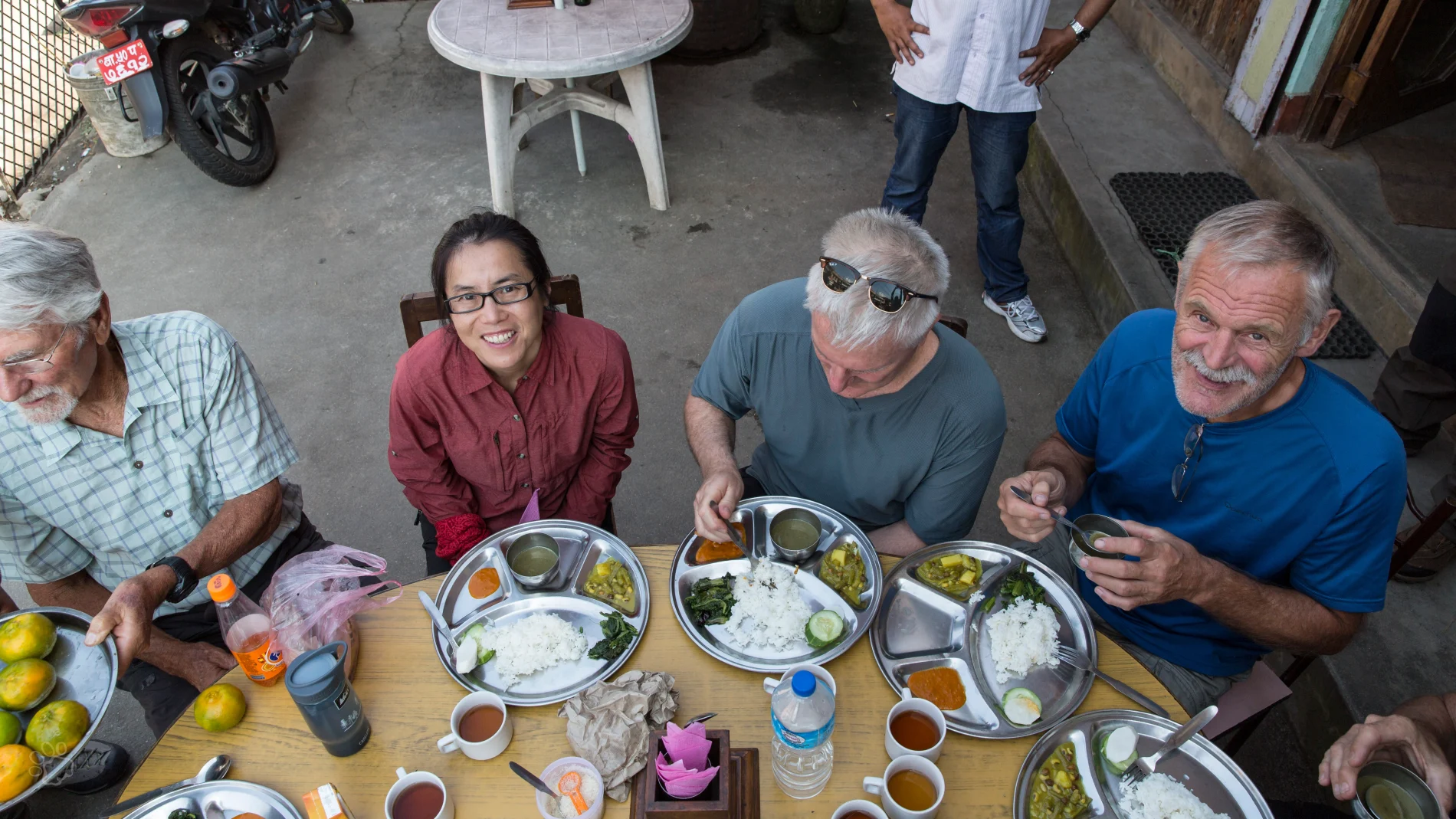
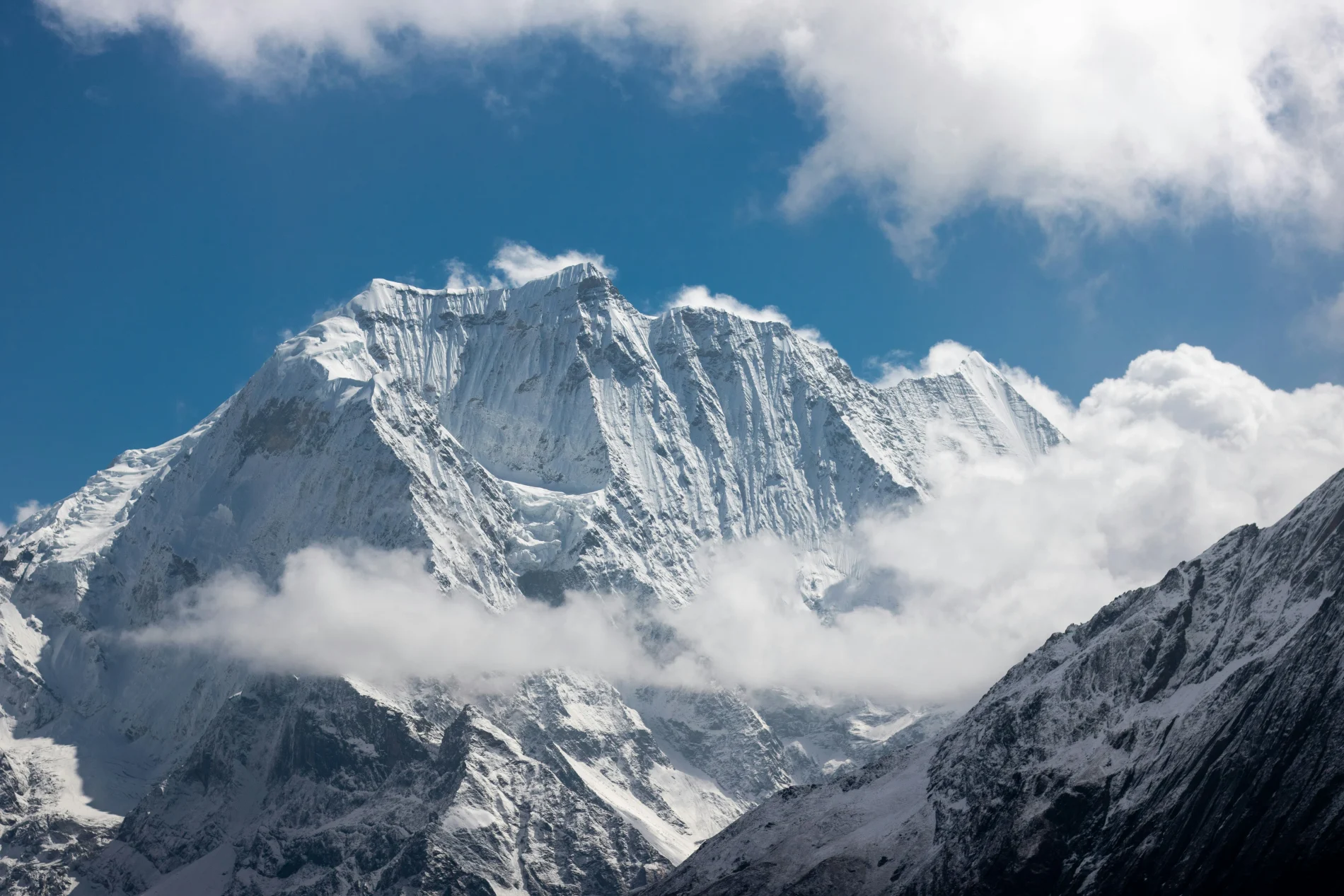
13/10/2026
Manaslu Circuit Trek After the October 2026 Floods: Trail Conditions, Safety and Travel Updates
The Manaslu Circuit Trek is one of Nepal’s most rewarding Himalayan journeys, taking trekkers through traditional...
Read more
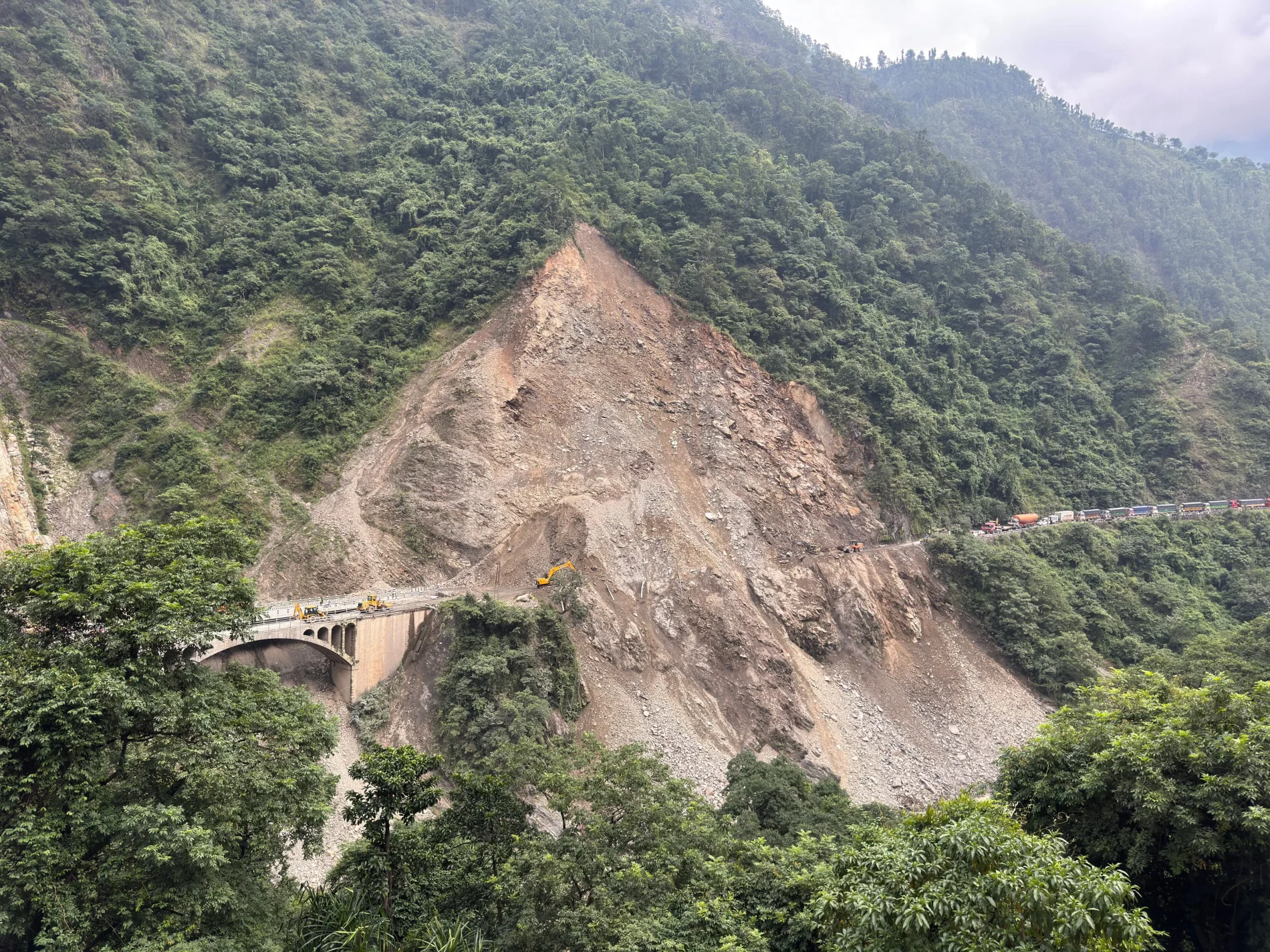
13/10/2026
Your Nepal Trek Is Booked, but the Trail Is Closed: What Now?
Imagine arriving in Nepal with your trekking boots ready, your flights booked, your bags packed, and...
Read more