

Annapurna Base Camp Trek in July
Share:

 Read Time
This blog has 7946 words .This blog has 53482 characters.This blog take 26 minutes to read.
July is the heart of Nepal’s monsoon season, making Annapurna Base Camp Trek in July a unique trekking experience that differs significantly from the popular spring and autumn months. While frequent rainfall and cloudy skies discourage many trekkers, those who choose to visit during July are rewarded with peaceful trails, vibrant green landscapes, powerful waterfalls, and a tranquil Himalayan atmosphere. The Annapurna region comes alive with fresh vegetation, blooming wildflowers, and mist-covered forests, creating an enchanting setting for nature lovers and adventurous hikers.
Weather conditions in July are generally warm and humid at lower elevations, with regular afternoon and evening rain showers. Higher sections of the trail remain cooler, offering pleasant trekking temperatures despite the increased moisture. Although mountain views are less consistent than in the dry seasons, clear mornings often provide brief but spectacular glimpses of the snow-capped peaks before clouds gather later in the day. Trekkers who begin hiking early have the best chance of enjoying the Himalayan scenery while avoiding the heaviest rainfall.
One of the greatest attractions of an ABC trek in July is the peaceful trekking environment. Since relatively few people choose to trek during the peak monsoon period, the trails and teahouses are quiet, allowing visitors to experience the Annapurna region at a slower and more relaxed pace. The sound of flowing rivers, cascading waterfalls, and birdsong replaces the crowds found during the busier trekking seasons, creating a memorable connection with nature.
Although July requires careful preparation, including waterproof gear, flexible planning, and awareness of changing weather conditions, it remains a rewarding month for experienced trekkers and travelers seeking a different side of the Himalayas. This guide covers everything you need to know about Annapurna Base Camp in July, including weather, temperatures, trail conditions, mountain views, accommodation, transportation, costs, safety tips, and expert advice to help you plan a successful monsoon trekking adventure.
Why Choose the Annapurna Base Camp Trek in July?
Choosing Annapurna Base Camp in July may not be the first option for every trekker, but for those who appreciate peaceful trails, dramatic landscapes, and authentic Himalayan experiences, it can be an incredibly rewarding time to visit. July falls in the middle of Nepal’s monsoon season, transforming the Annapurna region into a lush green paradise. Although rain is more frequent than during spring or autumn, the scenery becomes exceptionally vibrant, offering a side of the Himalayas that few trekkers have the opportunity to experience.
One of the main reasons to choose an ABC trek in July is the remarkable natural beauty created by the monsoon. Hillsides are covered in deep green vegetation, forests are refreshed by regular rainfall, and countless waterfalls flow down the mountains. Terraced fields become bright and fertile, while mist drifting through the valleys creates a magical atmosphere that is unique to this time of year. For photographers and nature enthusiasts, these dramatic landscapes provide unforgettable views and excellent opportunities to capture the Annapurna region from a different perspective.
Another major advantage of ABC during July is the peaceful trekking environment. Since most visitors prefer the dry trekking seasons, the trails remain quiet and teahouses are far less crowded. This allows trekkers to enjoy a more relaxed pace, receive personalized hospitality from local lodge owners, and experience the culture of the mountain villages without the crowds that characterize the peak months.
Although July brings regular rainfall, mornings often remain the best time for trekking. Early starts frequently reward hikers with clearer skies and occasional panoramic views of the surrounding Himalayan peaks before clouds build later in the day. With proper waterproof gear, flexible planning, and realistic expectations, trekking remains both safe and enjoyable.
If you are looking for solitude, lush landscapes, rich biodiversity, and an authentic Himalayan adventure away from the busy tourist season, Annapurna Base Camp in July is an excellent choice. For well-prepared trekkers, the rewards of experiencing the Annapurna region in its greenest and most peaceful season can far outweigh the challenges of the monsoon.
Weather on the Annapurna Base Camp Trek in July
July brings the peak of Nepal’s monsoon season, making the weather during Annapurna Base Camp in July the wettest of the year. Regular rainfall, high humidity, and rapidly changing mountain conditions define the trekking experience throughout the month. While these conditions require extra preparation, they also transform the Annapurna region into a lush, vibrant landscape filled with dense forests, blooming vegetation, flowing rivers, and spectacular waterfalls.
A typical day on the ABC trek in July often begins with relatively calm weather. Early mornings frequently offer the clearest skies and the best opportunity to enjoy mountain scenery before clouds begin forming over the valleys. As the day progresses, moisture builds in the atmosphere, resulting in cloudy conditions followed by afternoon or evening rain showers. Some days may experience only light drizzle, while others can bring prolonged periods of heavy rain, particularly during the second half of the month.
The frequent rainfall creates a unique atmosphere throughout the Annapurna Conservation Area. Mist drifts through forests and mountain villages, waterfalls become more powerful, and the surrounding hillsides turn a brilliant shade of green. Although mountain views are less predictable than in spring or autumn, patient trekkers are often rewarded with dramatic glimpses of snow-covered peaks emerging between the clouds. These constantly changing weather conditions give the landscape a peaceful and almost mystical character.
Snowfall is extremely rare in July, even around Annapurna Base Camp, as temperatures remain relatively mild despite the high altitude. Instead, rain is the primary weather factor affecting the trek. Humidity is significantly higher than during other seasons, and wet conditions can persist for several hours after rainfall, making waterproof clothing and quick-drying gear essential.
Overall, ABC during July offers a completely different trekking experience from Nepal’s dry seasons. While rain and cloud cover are common, early starts, flexible planning, and proper rain protection allow trekkers to enjoy the region’s incredible greenery, quieter trails, and refreshing mountain environment. For those who appreciate nature in its most vibrant form, July reveals a unique and beautiful side of the Annapurna Himalayas.
Temperatures during Annapurna Base Camp in July are relatively warm compared to the spring, autumn, and winter trekking seasons. Although July is the wettest month of the year, the warmer summer climate keeps daytime temperatures comfortable for hiking. As you gain altitude, temperatures gradually become cooler, creating pleasant conditions in the higher Himalayas despite the increased humidity and frequent rainfall at lower elevations.
At the lower elevations, including Nayapul, Ghandruk, Jhinu Danda, and Chhomrong (approximately 800–2,000 meters), daytime temperatures generally range between 22°C and 30°C (72°F to 86°F). Warm and humid conditions are common, particularly after rainfall, making lightweight, moisture-wicking clothing the most comfortable choice. Nighttime temperatures usually remain between 14°C and 19°C (57°F to 66°F), allowing for comfortable evenings without extreme cold.
As the trail climbs through Bamboo, Dovan, Himalaya, and Deurali (around 2,000–3,500 meters), the weather becomes cooler and more refreshing. Daytime temperatures typically range from 15°C to 22°C (59°F to 72°F), providing pleasant hiking conditions even during longer trekking days. Nighttime temperatures generally fall to 7°C to 11°C (45°F to 52°F), so a fleece jacket or lightweight insulated layer is recommended after sunset.
At Annapurna Base Camp (4,130 meters), daytime temperatures usually range between 8°C and 15°C (46°F to 59°F). Despite the warmer season, mornings, evenings, and periods of rainfall can still feel quite cool due to the high altitude and occasional wind. Nighttime temperatures commonly drop to around 1°C to 5°C (34°F to 41°F), making a warm jacket and a good sleeping bag important for a comfortable night’s rest.
Overall, ABC during July offers moderate temperatures throughout the trek, with warm conditions in the valleys and cool weather at higher elevations. While extreme cold is uncommon, frequent rain and high humidity can make the air feel cooler than the actual temperature. Dressing in layers and carrying waterproof outerwear allows trekkers to adapt easily to changing weather and enjoy a comfortable trekking experience throughout the journey.
Trail Conditions on the Annapurna Base Camp Trek in July
The trail conditions during Annapurna Base Camp in July are among the most challenging of the year because July falls in the peak of Nepal’s monsoon season. Frequent rainfall makes many sections of the trail wet, muddy, and slippery, requiring trekkers to walk more carefully than during the dry seasons. Although the route remains open and non-technical, proper footwear, waterproof gear, and a cautious approach are essential for a safe and enjoyable trek.
The lower sections of the trail, including Nayapul, Ghandruk, Chhomrong, Sinuwa, and Bamboo, are the most affected by monsoon rain. Forest paths become muddy, stone staircases remain wet for much of the day, and moss-covered rocks can be slippery after rainfall. Trekking poles provide extra stability on steep ascents and descents, while waterproof trekking boots with excellent grip help reduce the risk of slipping. Walking at a steady pace and paying attention to your footing are especially important during this time of year.
As you continue toward Dovan, Himalaya, Deurali, Machhapuchhre Base Camp, and Annapurna Base Camp, the trails become rockier and generally less muddy than the lower forests. However, continuous rain can still create wet surfaces, and small streams crossing the trail often carry more water than in other seasons. After periods of heavy rainfall, there is also a slight risk of minor landslides or rockfalls on certain mountain sections, so trekkers should always follow local advice and avoid unnecessary risks.
The monsoon also brings rapid vegetation growth throughout the Annapurna Conservation Area. Dense forests become exceptionally green, but the increased moisture creates favorable conditions for leeches in lower forested areas. Wearing long trekking pants, leech socks, or carrying salt can help minimize any inconvenience while hiking through these sections.
Overall, ABC during July requires more caution than trekking in spring or autumn, but it remains a rewarding adventure for well-prepared hikers. Starting early each morning, using appropriate waterproof equipment, monitoring weather conditions, and allowing extra time for daily walks will help you safely navigate the trail while enjoying the region’s spectacular greenery, waterfalls, and peaceful monsoon atmosphere.
Mountain Views on the Annapurna Base Camp Trek in July
The mountain views during Annapurna Base Camp in July are less predictable than during Nepal’s peak trekking seasons, but they can still be incredibly rewarding for patient trekkers. Since July is the height of the monsoon, clouds often gather around the mountains by midday, partially or completely covering the higher peaks. However, early mornings frequently provide short windows of clear weather, offering breathtaking views before the clouds begin to build. Starting your trek before sunrise is the best way to maximize visibility and enjoy the Himalayas at their finest.
Throughout the journey, trekkers are surrounded by some of Nepal’s most iconic mountains. The towering Annapurna I (8,091 meters) dominates the Annapurna Sanctuary, while the striking pyramid-shaped Machhapuchhre (Fishtail) remains one of the most photographed peaks in the country. Along the route, you’ll also encounter impressive views of Annapurna South, Hiunchuli, and Gangapurna whenever the clouds temporarily clear. These snow-covered giants stand in dramatic contrast to the lush green forests, misty valleys, and rain-fed waterfalls that characterize the landscape in July.
One of the most memorable moments of an ABC trek in July is arriving at Annapurna Base Camp during a clear morning. The panoramic mountain amphitheater surrounding the base camp is breathtaking, with massive peaks rising on all sides. As the first sunlight touches the snow-covered summits, the mountains glow with shades of gold and orange before clouds gradually drift into the valley. Although these clear periods may be brief, they create unforgettable memories and exceptional photography opportunities.
Even when the peaks are partially hidden, July offers a different kind of beauty. Thick clouds rolling through the valleys, mist weaving between towering cliffs, and lush green hillsides create dramatic Himalayan scenery that is rarely seen during the dry seasons. Waterfalls become more powerful, rivers rush through the valleys, and the constantly changing weather adds depth and atmosphere to every landscape.
For photographers and nature enthusiasts, Annapurna Base Camp in July provides a unique visual experience. While uninterrupted mountain panoramas are less common, the combination of mist, vibrant greenery, dramatic clouds, and occasional crystal-clear views creates a magical Himalayan setting that showcases the Annapurna region in one of its most beautiful and refreshing forms.
Crowds and Trekking Experience on the Annapurna Base Camp Trek in July
The trekking experience during Annapurna Base Camp in July is peaceful, quiet, and noticeably different from the busy spring and autumn seasons. Since July falls in the middle of the monsoon, relatively few trekkers choose to visit the Annapurna region. As a result, the trails remain uncrowded, teahouses have plenty of availability, and the overall atmosphere is calm and relaxing. For those seeking solitude and a deeper connection with nature, July offers one of the most tranquil trekking experiences of the year.
One of the biggest advantages of ABC in July is the opportunity to enjoy the trail without large groups of hikers. You can walk for long stretches surrounded only by lush forests, flowing rivers, birdsong, and the sound of waterfalls. The peaceful environment allows you to fully appreciate the natural beauty of the Annapurna Conservation Area, making each day’s journey feel more personal and immersive. Photographers and wildlife enthusiasts also benefit from the quieter conditions, as there are fewer distractions and more opportunities to observe the region’s rich biodiversity.
The teahouse experience is equally enjoyable during July. With fewer guests staying overnight, lodge owners have more time to welcome trekkers and provide personalized service. Meals are usually prepared more quickly, rooms are readily available, and the relaxed atmosphere creates excellent opportunities to learn about local culture and daily life in the mountain villages. Unlike the peak trekking months, there is rarely any need to rush to secure accommodation, giving trekkers greater flexibility in planning their daily stages.
Weather does play a larger role in the trekking experience during July. Afternoon rain showers are common, so most trekkers begin hiking early to take advantage of clearer skies and more stable conditions. Occasional rainfall may require short breaks or slight adjustments to the itinerary, but with waterproof gear and a flexible schedule, these interruptions are usually manageable.
Overall, ABC during July offers a peaceful, authentic, and nature-focused adventure. Although the monsoon brings wetter conditions, it also creates vibrant landscapes, quieter trails, and a more intimate trekking experience. For travelers who value solitude, lush scenery, and genuine mountain hospitality, Annapurna Base Camp in July provides a unique Himalayan journey that is both memorable and rewarding.
Pros of the Annapurna Base Camp Trek in July
1. Peaceful and Uncrowded Trails
July is one of the quietest months on the Annapurna Base Camp route. With far fewer trekkers on the trail, you can enjoy a peaceful journey surrounded by nature without the crowds that are common during the peak trekking seasons.
2. Stunning Lush Green Landscapes
The monsoon transforms the Annapurna region into a vibrant green paradise. Dense forests, terraced fields, moss-covered hillsides, and colorful vegetation create some of the most beautiful scenery of the year.
3. Spectacular Waterfalls and Rivers
Heavy monsoon rainfall fills rivers and streams while creating countless waterfalls along the trekking route. These powerful waterfalls add a dramatic and refreshing element to the journey that is rarely seen during the dry seasons.
4. Easier Access to Accommodation
Since relatively few trekkers visit in July, teahouses usually have plenty of available rooms. You can enjoy greater flexibility with your itinerary and rarely need to worry about accommodation being fully booked.
5. Comfortable Hiking Temperatures
Although rainfall is frequent, temperatures remain pleasantly warm at lower elevations and comfortably cool higher in the mountains. This makes trekking physically comfortable for those equipped with proper rain gear.
Cons of the Annapurna Base Camp Trek in July
1. Heavy Monsoon Rainfall
July is the wettest month of the year in the Annapurna region. Frequent rain showers and occasional prolonged downpours can make trekking more challenging and may affect your daily schedule.
2. Slippery and Muddy Trails
Continuous rainfall leaves many sections of the trail wet and muddy. Stone staircases, forest paths, and rocky surfaces become slippery, increasing the risk of slips and falls if proper care is not taken.
3. Limited Mountain Visibility
Cloud cover is common throughout July, particularly during the afternoon. Although early mornings may offer clear views, the surrounding Himalayan peaks are often hidden by mist and clouds for much of the day.
4. Increased Risk of Landslides
Heavy rainfall can occasionally trigger landslides or rockfalls along mountain roads and certain sections of the trekking route. While major disruptions are uncommon, trekkers should always monitor local weather conditions and follow guidance from guides and local authorities.
5. Leeches in Lower Forest Areas
Leeches are more common during July, especially in the lower, humid forests between villages. Although they are harmless, many trekkers find them uncomfortable. Wearing leech socks, long pants, or carrying salt can help reduce this inconvenience.
What to Pack for the Annapurna Base Camp Trek in July
Packing carefully for Annapurna Base Camp in July is essential because you’ll be trekking during the peak of Nepal’s monsoon season. Your equipment should focus on keeping you dry, comfortable, and prepared for changing mountain weather. Lightweight, moisture-wicking, and quick-drying clothing is the best choice, as cotton absorbs moisture and dries slowly. Pack several breathable trekking shirts, lightweight trekking pants, and a fleece jacket for cooler mornings and evenings. Although July is one of the warmest trekking months, you’ll still need a down or insulated jacket for overnight stays at Machhapuchhre Base Camp and Annapurna Base Camp, where temperatures remain cool after sunset.
A high-quality waterproof jacket and waterproof rain pants are the most important clothing items for July. Waterproof gloves, a rain hat or cap, and a backpack rain cover will provide additional protection during frequent showers. Use dry bags or waterproof stuff sacks inside your backpack to keep spare clothing, electronics, and important documents completely dry throughout the trek.
Your footwear should be suitable for muddy and slippery trails. Waterproof trekking boots with strong ankle support and deep tread offer the best grip on wet rocks, stone staircases, and forest paths. Pack several pairs of moisture-wicking trekking socks and consider carrying gaiters or leech socks, as leeches are common in lower forested areas during the monsoon. Lightweight sandals or camp shoes are also useful for wearing around teahouses after a long day of hiking. Trekking poles are strongly recommended because they improve stability and reduce the risk of slipping on wet terrain.
A three-season sleeping bag rated to around 0°C to -5°C is generally sufficient for July. Bring a reusable water bottle or hydration bladder, water purification tablets or a portable filter, sunscreen, sunglasses, insect repellent, lip balm, and a wide-brimmed hat. Since humidity is high, a few quick-drying travel towels and waterproof phone pouches can also be extremely useful.
Finally, pack a well-stocked first-aid kit containing blister treatment, antiseptic cream, bandages, pain relievers, personal medications, and any altitude medication recommended by your doctor. A headlamp, power bank, charging cables, spare batteries, and a camera should also be included, as electricity may be limited at higher elevations. With the right waterproof equipment and sensible packing, ABC in July can be a comfortable, safe, and rewarding Himalayan adventure despite the challenges of the monsoon season.
Trekking Difficulty on the Annapurna Base Camp Trek in July
The Annapurna Base Camp Trek in July is considered moderately challenging to challenging because of the additional difficulties created by the peak monsoon season. While the route itself remains non-technical and does not require climbing experience, frequent rainfall, slippery trails, muddy sections, and high humidity make the trek more demanding than during spring or autumn. Trekkers should be physically fit, well-prepared, and comfortable hiking in wet mountain conditions.
Most itineraries involve 5 to 7 hours of walking each day, depending on your route, pace, and overnight stops. The trek includes thousands of stone staircases, suspension bridges, dense forests, steep ascents, and long descents. Sections around Chhomrong, Bamboo, Deurali, and the climb toward Machhapuchhre Base Camp and Annapurna Base Camp require steady effort. During July, these trails often remain wet throughout the day, making careful footing and a slower pace essential.
The biggest challenge of ABC during July is not the altitude alone but the monsoon weather. Muddy paths, slippery rocks, flowing streams, and occasional heavy rainfall demand extra concentration while trekking. Waterproof trekking boots with excellent grip are essential, and trekking poles provide valuable support when crossing uneven terrain or descending steep staircases. Starting your hike early each morning helps avoid the heaviest afternoon rain and offers more stable trail conditions.
Altitude is another important consideration. Annapurna Base Camp sits at 4,130 meters, where oxygen levels are significantly lower than at sea level. Even experienced hikers can experience the effects of altitude, so gradual acclimatization remains essential. Walking at a comfortable pace, staying well hydrated, eating nutritious meals, and getting enough rest each night will greatly reduce the risk of altitude sickness and improve your overall trekking experience.
Overall, Annapurna Base Camp in July is best suited for trekkers who are reasonably fit, flexible, and prepared for monsoon conditions. Although the weather makes the trek more challenging, those who bring appropriate waterproof gear, maintain a steady pace, and respect the mountain environment are rewarded with peaceful trails, lush scenery, and a truly unique Himalayan adventure.
Altitude and Acclimatization Tips for the Annapurna Base Camp Trek in July
Trekking to Annapurna Base Camp in July takes you to an elevation of 4,130 meters (13,550 feet), where the reduced oxygen level makes proper acclimatization essential. Although July is warmer than most other trekking months, altitude affects trekkers in exactly the same way regardless of the season. Even healthy and experienced hikers can develop Acute Mountain Sickness (AMS) if they ascend too quickly or fail to give their bodies enough time to adjust. Careful pacing and good trekking habits are the keys to a safe and enjoyable journey.
Most trekkers begin to notice the effects of altitude after passing 3,000 meters, particularly around Deurali, Machhapuchhre Base Camp (MBC), and Annapurna Base Camp (ABC). Early symptoms of AMS include headache, dizziness, nausea, unusual fatigue, loss of appetite, difficulty sleeping, and shortness of breath. These symptoms should never be ignored. If they become severe or continue to worsen despite resting, descending to a lower elevation is the safest and most effective treatment.
The best way to prevent altitude sickness is to follow a gradual ascent and avoid rushing between overnight stops. Most Annapurna Base Camp itineraries are designed to provide a safe climbing pace, allowing your body sufficient time to acclimatize naturally. Walk slowly, take regular breaks, and avoid pushing yourself beyond your comfort level, especially during steep climbs. Maintaining a steady rhythm is far more effective than hiking quickly and becoming exhausted.
Hydration is especially important during ABC in July because warm temperatures and high humidity increase fluid loss through sweating. Drink at least 3 to 4 liters of water each day, even if you don’t feel thirsty. Eat balanced meals rich in carbohydrates to maintain your energy, and avoid alcohol and smoking, as both can interfere with the body’s ability to adapt to high altitude.
Some trekkers carry Diamox (Acetazolamide) to help reduce the risk of altitude sickness. If you plan to use it, consult your doctor before your trip and follow the recommended dosage. However, Diamox should only be used as a supplement to proper acclimatization—not as a substitute for it. By trekking at a sensible pace, staying hydrated, recognizing early symptoms of AMS, and respecting the altitude, you can safely enjoy the remarkable experience of Annapurna Base Camp in July.
Permits Required for the Annapurna Base Camp Trek in July
Before starting Annapurna Base Camp in July, all trekkers must obtain the required permits to enter the protected Annapurna region. These permits help support conservation efforts, maintain trekking trails, and contribute to the sustainable development of local communities. They also allow authorities to monitor trekkers for safety purposes. Regardless of the season, permit requirements remain the same, so it’s important to arrange them before beginning your trek and carry them throughout the journey.
The most important document is the Annapurna Conservation Area Permit (ACAP). This permit is mandatory for everyone entering the Annapurna Conservation Area and helps fund environmental conservation, wildlife protection, trail maintenance, and community-based tourism projects. During your trek, ACAP permits are checked at official checkpoints along the route, so you should always keep them easily accessible together with your passport.
You may also require a Trekkers’ Information Management System (TIMS) card. However, trekking regulations in Nepal have changed several times in recent years, and TIMS requirements can vary depending on whether you are trekking independently or with a licensed guide. Because these rules may change, it is strongly recommended to confirm the latest permit requirements through the Nepal Tourism Board (NTB) or a registered trekking agency before your trip. Verifying the current regulations will help ensure you have the correct documents before arriving at the trailhead.
Permits can be obtained from the Nepal Tourism Board offices in Kathmandu or Pokhara, or they can be arranged by your trekking agency if you book a guided trek. In most cases, you will need a valid passport, passport-sized photographs if required under the current application process, and the applicable permit fees. It is also a good idea to carry photocopies or digital copies of your travel documents as a backup.
Although July is the peak monsoon season, permit offices continue to operate normally, and obtaining the necessary documents is usually straightforward. Securing your permits before leaving Kathmandu or Pokhara will allow you to begin your trek without delays. With the required paperwork completed, you can focus on enjoying the peaceful trails, lush landscapes, and unique Himalayan scenery that make Annapurna Base Camp in July a memorable adventure.
Accommodation on the Annapurna Base Camp Trek in July
Accommodation during Annapurna Base Camp in July is readily available, as the monsoon season brings far fewer trekkers to the Annapurna region than the popular spring and autumn months. The route is lined with traditional family-run teahouses that provide simple yet comfortable lodging, warm meals, and a welcoming atmosphere. Whether you stay in Ghandruk, Chhomrong, Bamboo, Dovan, Deurali, Machhapuchhre Base Camp, or Annapurna Base Camp, you can expect friendly hospitality and the opportunity to experience local mountain culture.
Most teahouses offer basic twin-sharing rooms furnished with two single beds, mattresses, pillows, and blankets. Rooms are clean but simple, and bathrooms are usually shared, especially at higher elevations. As you climb higher, facilities become more basic, but they remain comfortable enough for a good night’s rest after a full day of trekking. Although July is warmer than the spring and autumn seasons, temperatures at Annapurna Base Camp can still be cool during the night, so carrying a three-season sleeping bag is recommended for additional warmth.
Many teahouses provide amenities such as hot showers, Wi-Fi, charging stations, and filtered drinking water, although these services usually come with an additional charge. Internet access and electricity may become less reliable at higher elevations because many lodges depend on solar power, which can be affected by prolonged cloudy weather. Carrying a power bank is a practical way to ensure your phone, camera, and other electronic devices remain charged throughout the trek.
One of the biggest advantages of ABC in July is the excellent availability of accommodation. Since visitor numbers are much lower, you can usually find a room without making advance reservations. This flexibility allows trekkers to adjust their itinerary according to weather conditions or personal preferences. However, if you are traveling in a large group or during local holidays, booking ahead is still a sensible precaution.
Overall, accommodation on the Annapurna Base Camp Trek in July is comfortable, affordable, and easy to arrange. The quieter season creates a relaxed atmosphere where trekkers can enjoy personalized hospitality, peaceful evenings, and meaningful interactions with local families while surrounded by the lush beauty of the Annapurna Himalayas.
Food on the Annapurna Base Camp Trek in July
Food during Annapurna Base Camp in July remains nutritious, satisfying, and widely available despite the peak monsoon season. Teahouses along the route continue to serve freshly prepared meals that provide the energy needed for long days of trekking. Although weather conditions may occasionally affect the delivery of supplies to higher villages, the menu at most teahouses remains varied enough to meet the needs of both local and international trekkers. Warm, freshly cooked meals are especially welcome after hiking through rain or misty mountain conditions.
The most popular meal throughout the trek is Dal Bhat, Nepal’s traditional combination of steamed rice, lentil soup, seasonal vegetables, pickles, and curry. It is one of the best choices for trekkers because it is nutritious, filling, and often comes with free refills at many teahouses. Other commonly available dishes include fried rice, noodles, pasta, macaroni, momos (Nepali dumplings), pizza, vegetable curries, soups, potatoes, and a variety of egg-based meals. During July, many trekkers prefer vegetarian meals at higher elevations because they are generally fresher and easier to prepare than meat dishes.
Breakfast options are available at nearly every teahouse and typically include porridge, oatmeal, muesli, pancakes, Tibetan bread, toast, chapati, eggs, and seasonal fruit when available. These meals provide long-lasting energy before beginning the day’s hike. Hot drinks such as black tea, milk tea, ginger tea, lemon tea, coffee, and hot chocolate are popular throughout the trek. Garlic soup is another favorite among trekkers, as it is traditionally believed to support acclimatization, although it should not be considered a substitute for proper altitude management.
Hydration is particularly important during ABC in July because the combination of warm temperatures, humidity, and physical activity increases fluid loss. Carry a reusable water bottle along with water purification tablets or a portable water filter to ensure safe drinking water while reducing plastic waste. Energy bars, chocolate, nuts, biscuits, and dried fruit are available in most villages for extra snacks, although prices gradually increase with altitude. Overall, the food on the Annapurna Base Camp Trek in July is wholesome, energizing, and well-suited to the demands of trekking during Nepal’s monsoon season.
Transportation to and from the Annapurna Base Camp Trek in July
Transportation for Annapurna Base Camp in July requires more flexibility than during the dry trekking seasons because July is the peak of Nepal’s monsoon. Heavy rainfall can affect both road and air travel, so trekkers should plan carefully and allow extra time in their itinerary. Although transportation services continue to operate throughout the month, weather-related delays are more common, making advance planning especially important.
Most trekkers begin their journey in Kathmandu, traveling to Pokhara, the gateway to the Annapurna region. Domestic flights take approximately 25 to 30 minutes, while tourist buses usually require 7 to 9 hours, depending on road conditions and traffic. During July, flights may occasionally be delayed or canceled due to poor visibility caused by monsoon clouds. Tourist buses continue to operate, but heavy rain can slow traffic and increase travel times, particularly on mountain highways.
From Pokhara, trekkers typically travel by jeep or local vehicle to popular trailheads such as Nayapul, Ghandruk, Jhinu Danda, or Siwai, depending on the chosen itinerary. The drive usually takes 1.5 to 3 hours, but road conditions can become muddy and uneven after continuous rainfall. In some cases, temporary landslides or road maintenance may cause short delays, so checking local travel conditions before departure is always recommended.
After completing the trek, most hikers return by jeep to Pokhara before traveling back to Kathmandu. Many trekkers choose to spend an extra night in Pokhara, providing a buffer in case flights or road transportation are affected by the weather. This additional flexibility can help prevent unnecessary stress if travel plans change unexpectedly.
Because July is the wettest month of the year, building one or two spare days into your itinerary is highly advisable. Booking transportation through a reliable trekking agency can also simplify travel arrangements and provide assistance if weather disruptions occur. Despite the seasonal challenges, transportation for ABC in July remains well organized, and with proper planning and patience, reaching the trailhead and returning safely is entirely manageable.
Cost of the Annapurna Base Camp Trek in July
The cost of Annapurna Base Camp in July is generally lower than during Nepal’s peak trekking seasons. Since July falls in the middle of the monsoon, fewer travelers visit the Annapurna region, and many trekking agencies, hotels, and transportation providers offer more competitive rates. For budget-conscious trekkers who are prepared for rainy conditions, July can provide excellent value while still offering an unforgettable Himalayan experience.
Independent trekkers can expect to spend approximately USD 30 to 55 per day, depending on their travel style and personal preferences. This daily budget typically includes teahouse accommodation, meals, drinking water, transportation within the trekking region, and basic daily expenses. Although room prices remain fairly consistent, the cost of food, snacks, hot showers, Wi-Fi, charging electronic devices, and bottled water increases with altitude because supplies must be transported to remote mountain villages by porters or pack animals.
For those who prefer the convenience of a guided experience, Annapurna Base Camp trekking packages generally range from USD 450 to USD 950 per person for a 7 to 12-day itinerary. Prices vary according to the itinerary, group size, accommodation standard, and included services. Most packages cover transportation between Kathmandu and Pokhara, jeep transfers to the trailhead, trekking permits, teahouse accommodation, meals during the trek, a licensed guide, porter services, and basic logistical support. Premium packages may also include hotel accommodation, airport transfers, and private transportation.
In addition to the main trekking costs, you should budget for extra expenses such as travel insurance, trekking gear rental or purchase, snacks, purified or bottled drinking water, hot showers, charging fees, Wi-Fi, laundry, souvenirs, and tips for guides and porters. Carrying sufficient Nepalese Rupees in cash is essential because ATMs are not available along the trekking route, and most teahouses do not accept credit or debit cards.
Overall, ABC in July is one of the most affordable times to complete the trek. Lower demand, greater accommodation availability, and competitive package prices help reduce overall travel expenses. With a well-planned budget and the right equipment for monsoon trekking, July offers an economical opportunity to experience the remarkable beauty of the Annapurna region.
Safety Tips for the Annapurna Base Camp Trek in July
Trekking to Annapurna Base Camp in July requires extra caution because July is the peak of Nepal’s monsoon season. Although thousands of trekkers safely explore the Annapurna region every year, heavy rainfall, slippery trails, and changing mountain weather make preparation more important than during the dry seasons. With the right equipment, sensible planning, and awareness of local conditions, you can complete the trek safely while enjoying the region’s lush natural beauty.
One of the most important safety practices is to begin trekking early each morning. Weather conditions are generally more stable before midday, and early starts provide the best chance of enjoying clear mountain views before clouds and rain develop in the afternoon. Always check the latest weather forecast and ask your guide or teahouse owner about current trail conditions before setting out, especially after overnight rainfall.
Although the weather is warm, altitude sickness remains a serious risk because Annapurna Base Camp sits at 4,130 meters. Climb gradually, maintain a comfortable pace, drink at least 3 to 4 liters of water daily, and eat nutritious meals throughout the trek. If you experience symptoms such as severe headache, dizziness, nausea, confusion, or difficulty breathing, stop ascending immediately and descend if your condition does not improve. Never ignore signs of Acute Mountain Sickness (AMS).
Proper clothing and equipment are essential during ABC in July. Wear waterproof trekking boots with excellent grip to reduce the risk of slipping on muddy trails and wet stone steps. Carry a waterproof jacket, rain pants, backpack rain cover, trekking poles, and spare dry clothing packed inside waterproof bags. A well-stocked first-aid kit should include blister treatment, antiseptic cream, bandages, pain relievers, personal medications, insect repellent, and any prescribed altitude medication. Since leeches are common in lower forested areas during the monsoon, wearing long trekking socks or leech socks can provide additional protection.
Comprehensive travel insurance that covers high-altitude trekking and emergency helicopter evacuation is strongly recommended. Heavy rainfall can occasionally cause landslides or transportation delays, so build extra flexibility into your itinerary and avoid trekking during severe storms. Stay on marked trails, respect local advice, avoid unnecessary risks, and practice responsible trekking by minimizing waste and protecting the natural environment.
With careful preparation, reliable waterproof gear, good physical fitness, and sensible decision-making, Annapurna Base Camp in July can be a safe, peaceful, and unforgettable Himalayan adventure despite the challenges of the monsoon season.
Our Expert Trekking Advice for the Annapurna Base Camp Trek in July
If you’re planning Annapurna Base Camp in July, the most important advice is to embrace the monsoon rather than fight it. July is not the month to expect constant blue skies or uninterrupted mountain panoramas. Instead, it offers lush forests, dramatic cloud formations, roaring waterfalls, and peaceful trails that create a completely different Himalayan experience. With realistic expectations and careful preparation, July can become one of the most memorable times to visit Annapurna Base Camp.
Our first recommendation is to begin trekking as early as possible each morning. Clear weather is most common between sunrise and late morning, while rain showers and cloud cover usually develop during the afternoon. Finishing your daily walk before heavy rain begins not only improves safety but also gives you the best opportunity to enjoy mountain views. We also recommend adding one or two extra days to your itinerary, as monsoon weather can occasionally delay flights, road travel, or daily trekking plans.
Choosing the right equipment is essential for ABC in July. Invest in a high-quality waterproof jacket, rain pants, waterproof trekking boots, and a durable backpack rain cover. Pack your clothing, electronics, and travel documents inside waterproof dry bags to keep them protected throughout the trek. Trekking poles are highly recommended because they improve balance on muddy trails and reduce strain on your knees during steep descents. Quick-drying clothing is far more practical than cotton, which stays wet for long periods in humid conditions.
Although July is warmer than spring or autumn, altitude should never be underestimated. Walk at a steady pace, stay hydrated by drinking 3 to 4 liters of water daily, eat balanced meals, and allow your body enough time to acclimatize as you gain elevation. If you notice symptoms of altitude sickness, stop ascending and seek advice from your guide or descend if necessary.
Finally, respect the mountains and the local communities that welcome trekkers throughout the Annapurna region. Support family-run teahouses, carry your waste back whenever possible, avoid using single-use plastics, and remain flexible if weather conditions require changes to your plans. Those who approach Annapurna Base Camp in July with patience, proper preparation, and an adventurous spirit will be rewarded with a peaceful, authentic, and unforgettable trekking experience in one of Nepal’s most beautiful mountain landscapes.
Our Expert Trekking Advice for the Annapurna Base Camp Trek in July
If you’re planning Annapurna Base Camp in July, the most important advice is to embrace the monsoon rather than fight it. July is not the month to expect constant blue skies or uninterrupted mountain panoramas. Instead, it offers lush forests, dramatic cloud formations, roaring waterfalls, and peaceful trails that create a completely different Himalayan experience. With realistic expectations and careful preparation, July can become one of the most memorable times to visit Annapurna Base Camp.
Our first recommendation is to begin trekking as early as possible each morning. Clear weather is most common between sunrise and late morning, while rain showers and cloud cover usually develop during the afternoon. Finishing your daily walk before heavy rain begins not only improves safety but also gives you the best opportunity to enjoy mountain views. We also recommend adding one or two extra days to your itinerary, as monsoon weather can occasionally delay flights, road travel, or daily trekking plans.
Choosing the right equipment is essential for ABC in July. Invest in a high-quality waterproof jacket, rain pants, waterproof trekking boots, and a durable backpack rain cover. Pack your clothing, electronics, and travel documents inside waterproof dry bags to keep them protected throughout the trek. Trekking poles are highly recommended because they improve balance on muddy trails and reduce strain on your knees during steep descents. Quick-drying clothing is far more practical than cotton, which stays wet for long periods in humid conditions.
Although July is warmer than spring or autumn, altitude should never be underestimated. Walk at a steady pace, stay hydrated by drinking 3 to 4 liters of water daily, eat balanced meals, and allow your body enough time to acclimatize as you gain elevation. If you notice symptoms of altitude sickness, stop ascending and seek advice from your guide or descend if necessary.
Finally, respect the mountains and the local communities that welcome trekkers throughout the Annapurna region. Support family-run teahouses, carry your waste back whenever possible, avoid using single-use plastics, and remain flexible if weather conditions require changes to your plans. Those who approach Annapurna Base Camp in July with patience, proper preparation, and an adventurous spirit will be rewarded with a peaceful, authentic, and unforgettable trekking experience in one of Nepal’s most beautiful mountain landscapes.
Conclusion
Annapurna Base Camp in July offers a trekking experience unlike any other time of the year. While the peak monsoon season brings frequent rainfall, higher humidity, and changing mountain weather, it also transforms the Annapurna region into a spectacular landscape of lush forests, vibrant terraced fields, mist-covered valleys, and powerful waterfalls. For trekkers who value nature, solitude, and authentic Himalayan experiences, July provides a unique opportunity to see the mountains from a completely different perspective.
Although clear mountain views are less consistent than in spring or autumn, early mornings often reward hikers with breathtaking glimpses of Annapurna I, Machhapuchhre, Annapurna South, Hiunchuli, and Gangapurna before clouds gradually move across the valleys. The peaceful trails, uncrowded teahouses, and warm hospitality of local communities allow visitors to enjoy a slower and more personal trekking experience away from the busy tourist seasons.
Success on an ABC trek in July depends on careful preparation. Waterproof clothing, sturdy trekking boots, trekking poles, and a flexible itinerary are essential for dealing with monsoon conditions. Starting each day’s hike early, staying well hydrated, allowing enough time for acclimatization, and monitoring weather forecasts will help ensure a safe and enjoyable journey. Purchasing comprehensive travel insurance and keeping extra time in your schedule for possible transportation delays are also wise decisions during the rainy season.
For adventurous trekkers who don’t mind occasional rain, ABC during July can be incredibly rewarding. The dramatic landscapes, fresh mountain air, abundant greenery, and peaceful atmosphere create a memorable trekking experience that few visitors get to enjoy. Rather than focusing only on perfect weather, July invites you to appreciate the Annapurna region in its most vibrant and natural state.
If you’re seeking a quieter Himalayan adventure filled with stunning scenery, rich local culture, and a refreshing connection with nature, Annapurna Base Camp in July is an excellent choice. With the right preparation, realistic expectations, and a spirit of adventure, you’ll discover that even the heart of the monsoon season offers unforgettable moments in one of Nepal’s most iconic trekking destinations.
FAQs
1. Is July a good time for the Annapurna Base Camp Trek?
Yes, July can be a good time for trekkers who enjoy peaceful trails and lush green landscapes. Although it is the peak of the monsoon season with frequent rainfall, early morning mountain views, fewer crowds, and vibrant scenery make it a rewarding experience for well-prepared hikers.
2. How warm is the Annapurna Base Camp Trek in July?
July is one of the warmest months for trekking in the Annapurna region. Lower elevations typically experience daytime temperatures between 22°C and 30°C (72°F to 86°F), while Annapurna Base Camp usually ranges from 8°C to 15°C (46°F to 59°F) during the day.
3. Does it rain throughout the day in July?
Not always. Rain is common in July, but it does not necessarily last all day. Mornings are often clearer and drier, while clouds usually build during the afternoon, bringing rain showers or thunderstorms later in the day.
4. Can I still enjoy mountain views in July?
Yes. Although cloud cover is more frequent during the monsoon, early morning hikes often provide beautiful views of Annapurna I, Machhapuchhre, Annapurna South, Hiunchuli, and Gangapurna before clouds gather.
5. Are the trekking trails difficult in July?
The trails become more challenging because frequent rain makes them muddy and slippery. However, with waterproof trekking boots, trekking poles, and careful walking, most trekkers can safely complete the route.
6. Are leeches a problem on the Annapurna Base Camp Trek in July?
Leeches are commonly found in the lower forest sections during July due to the wet conditions. They are harmless but can be annoying. Wearing leech socks, long trousers, and using insect repellent or carrying salt can help minimize encounters.
7. Is the Annapurna Base Camp Trek suitable for beginners in July?
Yes, beginners with good physical fitness can complete the trek, but they should be prepared for monsoon weather. Trekking with a licensed guide is recommended, especially for those with limited high-altitude trekking experience.
8. How many days are needed for the Annapurna Base Camp Trek?
Most itineraries take 7 to 12 days, depending on the starting point, route, acclimatization schedule, and transportation. During July, adding one or two extra days is advisable in case weather delays affect travel.
9. Are teahouses open during July?
Yes. Teahouses remain open throughout July, and accommodation is generally easier to find because there are fewer trekkers than during the spring and autumn seasons. Most lodges continue to provide meals, hot drinks, and basic facilities.
10. Do I need waterproof gear for July?
Absolutely. A waterproof jacket, rain pants, backpack rain cover, waterproof trekking boots, and dry bags are essential. Quick-drying clothing is also highly recommended because humidity and rain make it difficult for cotton clothing to dry.
11. Is altitude sickness still a concern in July?
Yes. Even though July is warmer, Annapurna Base Camp is located at 4,130 meters, where altitude sickness remains a serious risk. Proper acclimatization, hydration, and a gradual ascent are essential throughout the trek.
12. Is travel insurance necessary for the Annapurna Base Camp Trek?
Yes. Travel insurance that covers high-altitude trekking and emergency helicopter evacuation is strongly recommended. It also provides financial protection if weather-related delays or medical emergencies occur.
13. What is the biggest advantage of trekking to Annapurna Base Camp in July?
The biggest advantage is the peaceful trekking experience. July offers uncrowded trails, lush green forests, dramatic waterfalls, easier accommodation availability, and a unique opportunity to experience the Annapurna region during its most vibrant season.
14. Can flights and road transportation be delayed in July?
Yes. Heavy monsoon rain can occasionally delay domestic flights between Kathmandu and Pokhara or slow road travel due to poor visibility, landslides, or muddy road conditions. Keeping extra buffer days in your itinerary is highly recommended.
15. Which is better: July or August for the Annapurna Base Camp Trek?
For most trekkers, July is slightly better than August. While both months are part of the monsoon season, July often experiences slightly more stable weather during the first half of the month. August generally brings heavier rainfall, higher humidity, and a greater chance of landslides and cloudy conditions, making July the preferred choice for those trekking during the summer months.

Similar Blogs
View all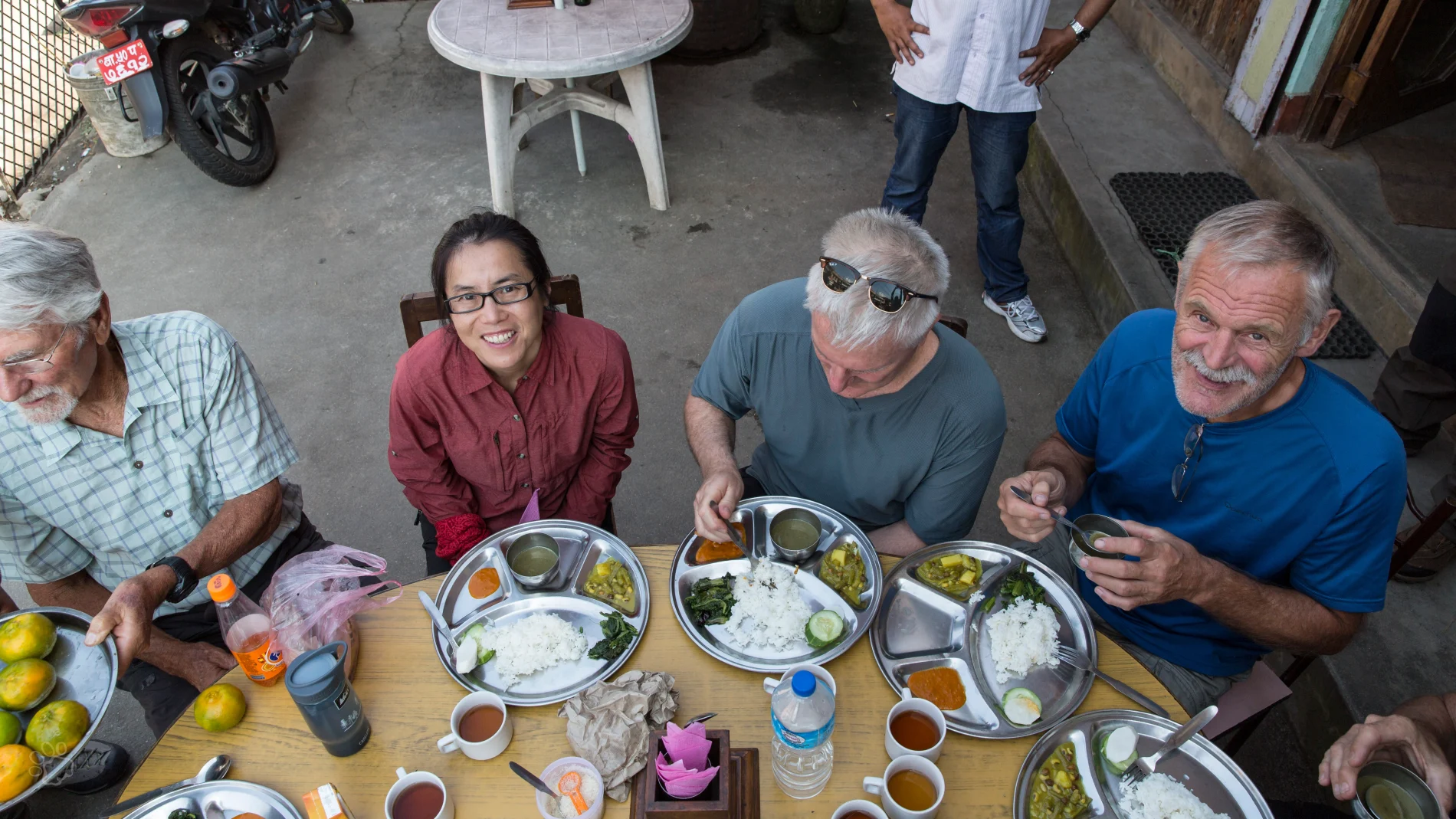
13/10/2026
Manaslu Circuit Trek After the October 2026 Floods: Trail Conditions, Safety and Travel Updates
The Manaslu Circuit Trek is one of Nepal’s most rewarding Himalayan journeys, taking trekkers through traditional...
Read more
13/10/2026
Your Nepal Trek Is Booked, but the Trail Is Closed: What Now?
Imagine arriving in Nepal with your trekking boots ready, your flights booked, your bags packed, and...
Read more