Annapurna Base Camp Trek Culture: Villages, Traditions and Local Life
Share:
 Read Time
This blog has 2464 words .This blog has 16937 characters.This blog take 8 minutes to read.
The Annapurna Base Camp trek is famous for dramatic mountain scenery, but the journey is about much more than reaching a high viewpoint. Along the trail, trekkers pass through villages where farming, religion, family traditions, architecture, food, music, and hospitality remain closely connected to everyday life. Understanding the Annapurna Base Camp Trek Culture makes the route feel less like a walk through the mountains and more like a journey through living communities.
The Annapurna region is culturally diverse. The National Trust for Nature Conservation (NTNC) describes the Annapurna Conservation Area as home to more than 100,000 people from different cultural and linguistic groups. Gurung and Magar communities are particularly prominent in the southern areas, while Thakali, Manange, and Loba communities are more prominent farther north.
That diversity is one of the reasons the Annapurna Base Camp trek remains such a memorable experience. The mountains may be what first attract visitors, but village life is often what they remember after returning home.
Why Annapurna Base Camp Trek Culture Makes the Journey Different
The Annapurna Base Camp Trek Culture is not something you experience at one particular attraction. It appears gradually throughout the journey.
You may notice it while walking between stone houses, eating dal bhat in a family-run teahouse, watching villagers work on terraced fields, passing a small shrine, hearing traditional music during a local celebration, or simply sharing a conversation with a host beside a warm dining-room stove.
The route also passes through different landscapes and communities, so the cultural experience changes as you gain altitude. Ghandruk, Chhomrong, Sinuwa, Bamboo, Deurali, and the villages around the sanctuary each contribute something different to the overall experience.
The Annapurna Conservation Area itself was initiated as a pilot project in 1986 and later became Nepal’s first conservation area. Its management approach has emphasized local participation, conservation, and sustainable development.
Traditional Houses and Mountain Architecture
One of the easiest ways to notice Annapurna Base Camp Trek Culture is through architecture.
Traditional mountain houses were designed around local conditions. Stone, timber, mud, and other locally available materials have historically been important in village construction. Thick walls, compact settlements, sheltered spaces, and practical layouts helped communities deal with changing mountain weather.
Some villages have changed significantly because of tourism and modern construction. Newer buildings may include larger windows, private bathrooms, electricity, Wi-Fi, and facilities designed specifically for trekkers.
That does not mean traditional culture has disappeared. Instead, many communities now combine older architectural elements with modern tourism infrastructure.
When photographing houses, courtyards, people, or religious spaces, always be respectful. A beautiful traditional building does not automatically mean that every part of it is open for photography.
Food, Teahouses, and Local Hospitality
Food is another important part of Annapurna Base Camp Trek Culture.
Dal bhat is one of the most common meals you will encounter on the trek. A typical meal includes rice, lentil soup, vegetables, pickles, and sometimes additional side dishes. It is filling, familiar to many Nepali households, and practical for people walking long distances.
You may also find momos, noodles, soups, potatoes, eggs, Tibetan-influenced dishes, bread, pancakes, and other simple meals depending on the village and teahouse.
Food on the trail is not only about nutrition. Dining rooms often become social spaces where trekkers, guides, porters, and local hosts share stories after a long day.
The hospitality found in these teahouses is an important part of the Annapurna Base Camp Trek Culture. Many accommodation businesses are locally connected, and tourism has become an important part of the economy in the region. NTNC reports that the Annapurna Conservation Area has developed numerous lodges, teashops, and other tourism-related services.
A simple way to support local communities is to eat at local teahouses, purchase locally made products when appropriate, and treat hosts and staff with respect.
Starts from
USD 750
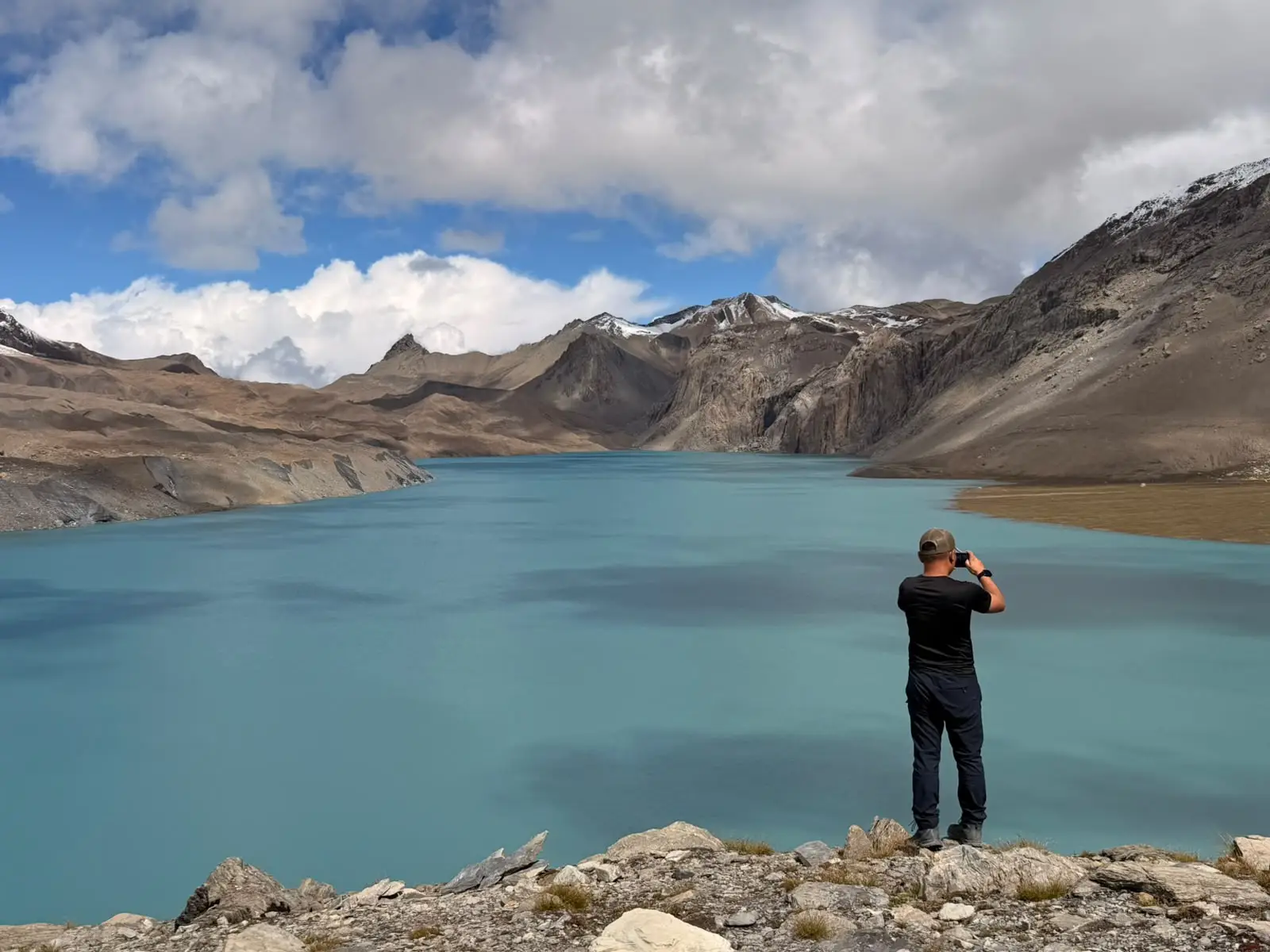
Annapurna Circuit Trek via Tilicho Lake – 15 days
The Annapurna Circuit Trek via Tilicho Lake is one of the most rewarding trekking journeys in Nepal, combining the...
Duration:
15 days
Max altitude:
5,416m at Thorong La Pass
Farming and Everyday Mountain Life
Before trekking became a major part of the local economy, agriculture was central to life in many Annapurna villages. Farming continues to shape the landscape and daily routines.
Terraced fields are one of the most recognizable features of the lower and middle sections of the route. Depending on the location and season, you may see crops being planted, growing, harvested, or stored.
The Annapurna Base Camp Trek Culture is closely connected to this relationship between people and land. Farming, livestock, forests, water sources, and settlements have historically depended on one another.
For visitors, it can be easy to see a terrace simply as a beautiful photograph. For the people who live there, however, that terrace can represent food, work, family history, and years of maintaining the land.
That is why trekkers should avoid walking through cultivated fields unless a local person or guide gives permission.
Religion, Prayer Flags, and Sacred Spaces
Religion is another important element of Annapurna Base Camp Trek Culture.
Across the Annapurna region, Hindu, Buddhist, and other local religious traditions are present. NTNC documentation describes the area as culturally diverse, with different religious traditions existing across its communities.
During the trek, you may see prayer flags, small shrines, mani walls, temples, monasteries, bells, and other religious features.
These are not simply decorative objects for photographs. They can have deep spiritual meaning for local communities.
When passing a mani wall or religious structure, follow your guide’s advice about the appropriate direction of movement and behavior. Avoid climbing on religious structures, touching sacred objects unnecessarily, or posing disrespectfully for photographs.
Even when you do not share the same religious beliefs, showing respect is one of the simplest ways to experience the Annapurna Base Camp Trek Culture responsibly.
Festivals, Music, and Community Traditions
Festivals bring another side of village life to the surface.
Different communities in the Annapurna region celebrate different festivals and follow their own traditions. Some occasions involve family gatherings, religious ceremonies, dancing, singing, traditional clothing, or communal meals.
If your trek happens to coincide with a local celebration, you may be invited to observe or participate in parts of the event. If that happens, follow the lead of local people rather than assuming that every activity is open to visitors.
Music and dance can also be important expressions of community identity. However, cultural performances should not be treated simply as entertainment created for tourists.
The Annapurna Base Camp Trek Culture is strongest when travelers understand that communities have their own lives, traditions, and priorities beyond the trekking industry.
Ghandruk and Gurung Heritage
For many trekkers, Ghandruk is one of the most interesting cultural stops on the route. The village is strongly associated with Gurung communities and is known for its traditional settlement, stone houses, mountain views, and welcoming atmosphere.
Walking through Ghandruk gives you a chance to observe how a mountain settlement works beyond tourism. Narrow paths connect homes, fields, small shops, community spaces, and local businesses. Older houses often reflect the materials and construction methods that have historically suited the mountain environment.
The Annapurna Base Camp Trek Culture in Ghandruk can be experienced through simple details rather than formal sightseeing. Look at the stone walls, wooden doors, household courtyards, traditional clothing, prayer areas, and agricultural terraces. These details tell you more about local life than a long list of historical facts.
Gurung traditions also have a strong connection with community life, family, festivals, music, and local identity. However, visitors should remember that not every cultural practice is performed for tourists. Some traditions are private or connected to religious and family occasions.
Magar Communities and the Southern Annapurna Villages
The southern part of the Annapurna region also has a strong Magar cultural presence. Villages along trekking routes provide another perspective on mountain life in Nepal.
The Annapurna Base Camp Trek Culture is therefore not limited to one ethnic group or one village. The wider conservation area includes many cultural communities, and NTNC notes that the region contains a mixture of different ethnic, linguistic, and religious traditions.
For trekkers, this diversity becomes visible through differences in village architecture, food, language, religious practices, clothing, and community celebrations.
Rather than trying to label every village based on one cultural characteristic, it is better to approach the route with curiosity. Ask your guide about the community you are visiting and listen when local people explain their own traditions.
How Tourism Is Changing Village Life
Tourism has brought significant opportunities to many communities along the Annapurna trails. It has created demand for accommodation, food services, guiding, porter work, transportation, shops, and other local businesses.
At the same time, tourism creates pressure on natural resources, infrastructure, waste management, and traditional ways of life. NTNC’s conservation approach specifically connects environmental protection with local economic and social development.
This means the future of Annapurna Base Camp Trek Culture is partly connected to how tourism develops.
Travelers can contribute positively through relatively simple choices: reduce unnecessary waste, avoid damaging natural or cultural sites, use water responsibly, respect local customs, and spend money with local businesses when possible.
Responsible tourism does not mean avoiding modern facilities. It means understanding that the trekking route passes through people’s homes and communities, not an open-air theme park.
How to Respect Local Culture During the Trek
Respecting Annapurna Base Camp Trek Culture does not require complicated rules. Basic awareness goes a long way.
Dress appropriately when visiting villages and religious places. Ask before photographing people, especially children, religious ceremonies, or private family activities. Do not enter homes, temples, monasteries, or private spaces without permission.
Learn a few simple Nepali greetings. “Namaste” is widely understood and is an easy way to begin a friendly interaction.
It is also useful to remember that English-speaking locals working in tourism are not representatives of every cultural tradition in the region. Ask questions respectfully and accept that some answers may vary from one community or family to another.
Most importantly, avoid treating local people as photographic subjects. A conversation can often be more meaningful than a photograph.
How to Experience Annapurna Base Camp Trek Culture More Deeply
If culture is one of your main reasons for choosing the trek, slow down whenever the itinerary allows.
Spend some time walking through villages instead of immediately heading to your room. Have dinner in the common dining area. Ask your guide about the history of the settlement. Learn where the food on your plate comes from. Notice how villagers use their public spaces.
You can also look for locally produced handicrafts, traditional products, or food rather than buying mass-produced souvenirs brought from elsewhere.
Another good approach is to travel with a local guide who can explain the meaning behind places you pass. A guide can help distinguish a religious site from an ordinary structure and explain customs that might otherwise be invisible to an outside visitor.
This makes Annapurna Base Camp Trek Culture something you experience rather than something you simply read about before departure.
Why Choose Silver Moon Adventure?
A culturally aware trekking experience depends not only on the route but also on how the journey is organized. Silver Moon Adventure focuses on creating trekking experiences where travelers can enjoy the mountains while also having opportunities to understand local communities and everyday life.
A knowledgeable guide can explain village customs, local food, religious sites, and the changing landscape along the route. This is particularly useful for international trekkers who may be experiencing Himalayan village life for the first time.
The goal is not to turn culture into a checklist. Instead, the best Annapurna Base Camp Trek Culture experiences often happen naturally: during dinner, while walking through a village, while speaking with a local host, or while watching daily life continue around you.
The Cultural Side of the Annapurna Journey
The mountains are undoubtedly the visual highlight of the trek, but the people and communities give the journey its character.
From Gurung and Magar villages in the southern Annapurna region to the wider mixture of communities across the conservation area, the route reveals how closely mountain landscapes and human life are connected.
The Annapurna Base Camp Trek Culture is found in the houses you pass, the meals you share, the fields you walk beside, the religious traditions you observe, and the conversations you have with people along the trail.
If you travel with patience and respect, the trek becomes more than a route toward Annapurna Base Camp. It becomes an opportunity to understand a part of Nepal through the people who call these mountains home.
The NTNC continues to manage conservation initiatives that place community participation, cultural practices, and sustainable development alongside environmental conservation. Its current Annapurna Conservation Area management plan for FY 2080/81–2084/85 B.S. was published in June 2026.
Frequently Asked Questions
1. What is Annapurna Base Camp Trek Culture?
Annapurna Base Camp Trek Culture refers to the traditions, communities, food, architecture, religion, festivals, farming practices, hospitality, and everyday lifestyles travelers encounter along the Annapurna Base Camp trekking route.
2. Which ethnic communities can trekkers encounter on the Annapurna Base Camp trek?
Gurung and Magar communities are particularly prominent in southern parts of the Annapurna Conservation Area. The wider region also includes Thakali, Manange, Loba, and several other communities.
3. Is Ghandruk important for Annapurna Base Camp Trek Culture?
Yes. Ghandruk is one of the most notable cultural villages associated with the route and offers opportunities to see traditional settlement patterns, local architecture, community life, and Gurung heritage.
4. What food is common during the Annapurna Base Camp trek?
Dal bhat is one of the most common meals. Depending on the village and teahouse, trekkers can also find momos, noodles, soups, potatoes, eggs, bread, pancakes, and other simple meals.
5. Can I photograph local people during the trek?
You should ask for permission before taking someone’s photograph. This is especially important during religious ceremonies, family activities, or when photographing children.
6. What should I wear when visiting villages or religious sites?
Comfortable trekking clothing is appropriate for most of the trail, but modest clothing is preferable when visiting villages, temples, monasteries, or other culturally significant places.
7. How can trekkers support local communities?
Stay in locally operated accommodation, eat at local teahouses, purchase appropriate local products, hire local guides or porters through responsible operators, and avoid wasting resources.
8. Is religion important along the Annapurna Base Camp route?
Yes. Hindu, Buddhist, and other local religious traditions are present throughout the wider Annapurna region. Trekkers may encounter temples, shrines, prayer flags, mani walls, and other religious features.
9. Why is local culture important to the Annapurna trek?
Local culture gives the route its human character. The mountains provide spectacular scenery, but villages, hospitality, food, traditions, and everyday community life help make the journey distinctive.
10. How can I experience Annapurna Base Camp Trek Culture respectfully?
Travel slowly, listen to your guide, ask permission before photographing people or private places, respect religious sites, learn simple local greetings, reduce waste, and remember that the villages along the trail are living communities rather than tourist attractions.
Similar Blogs
View all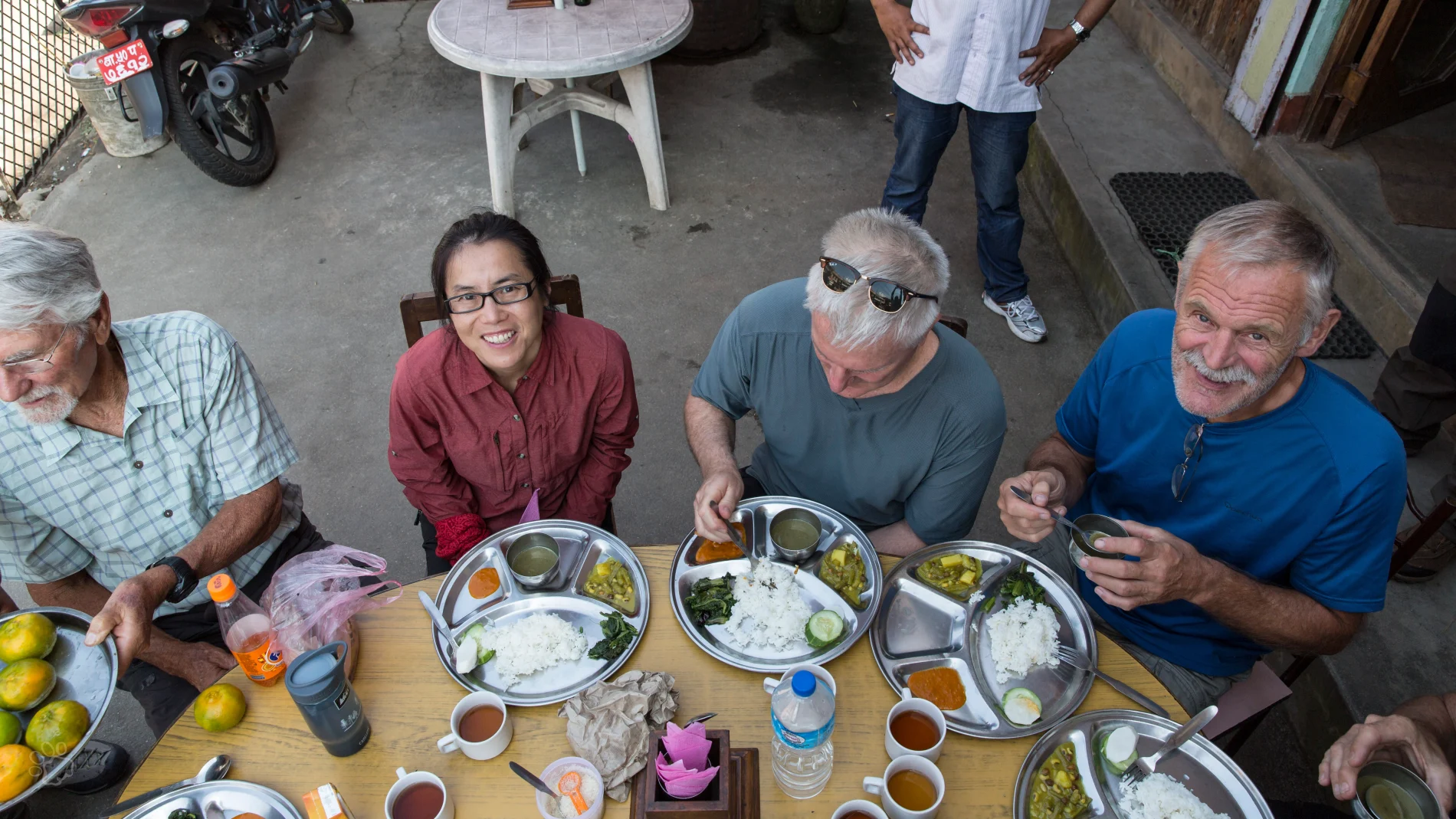
13/10/2026
Manaslu Circuit Trek After the October 2026 Floods: Trail Conditions, Safety and Travel Updates
The Manaslu Circuit Trek is one of Nepal’s most rewarding Himalayan journeys, taking trekkers through traditional...
Read more
13/10/2026
Your Nepal Trek Is Booked, but the Trail Is Closed: What Now?
Imagine arriving in Nepal with your trekking boots ready, your flights booked, your bags packed, and...
Read more