Ulleri
Share:
 Read Time
This blog has 2297 words .This blog has 15311 characters.This blog take 8 minutes to read.
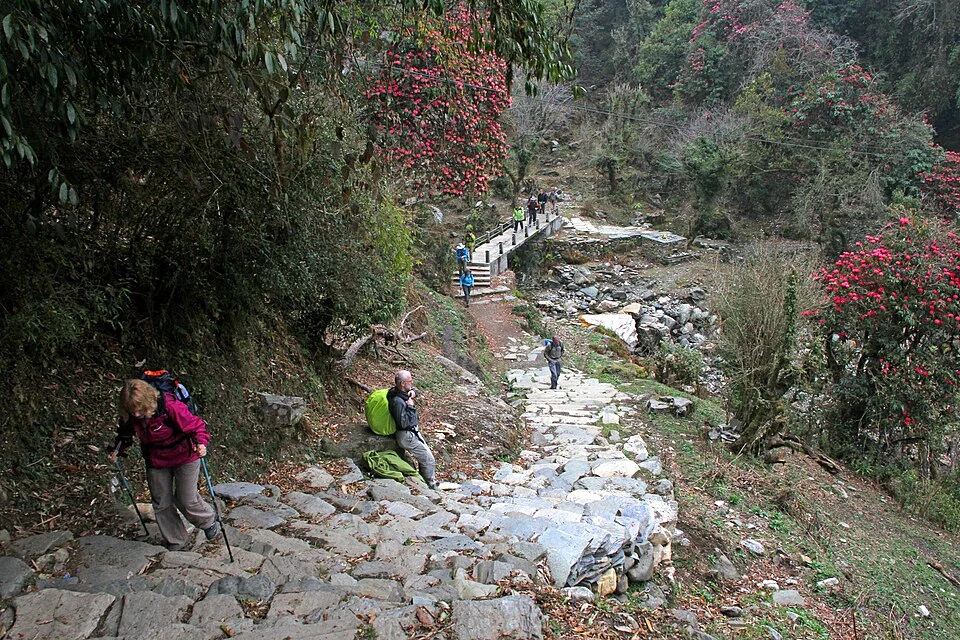
Ulleri is a traditional hillside village in Nepal’s Annapurna region, best known for its long stone staircase, mountain scenery, and position on the popular Ghorepani–Poon Hill trekking route. For many trekkers, it is one of the first places where the physical challenge of walking in the Himalayas becomes clear.
Located at approximately 2,050 metres above sea level, Ulleri offers a glimpse of rural mountain life before the trail continues towards Ghorepani and the famous Poon Hill viewpoint. The village is surrounded by terraced farmland, forested hills, and traditional settlements, with mountain views on clear days.
Whether you are planning a short Himalayan getaway or a longer journey towards Annapurna Base Camp, Ulleri is a worthwhile place to understand when exploring the trekking routes around Pokhara.
Ulleri Quick Facts
Note: Elevation and walking times are approximate. Actual distances, travel times, and road access depend on the selected trailhead and current conditions.
Where Is Ulleri in Nepal?
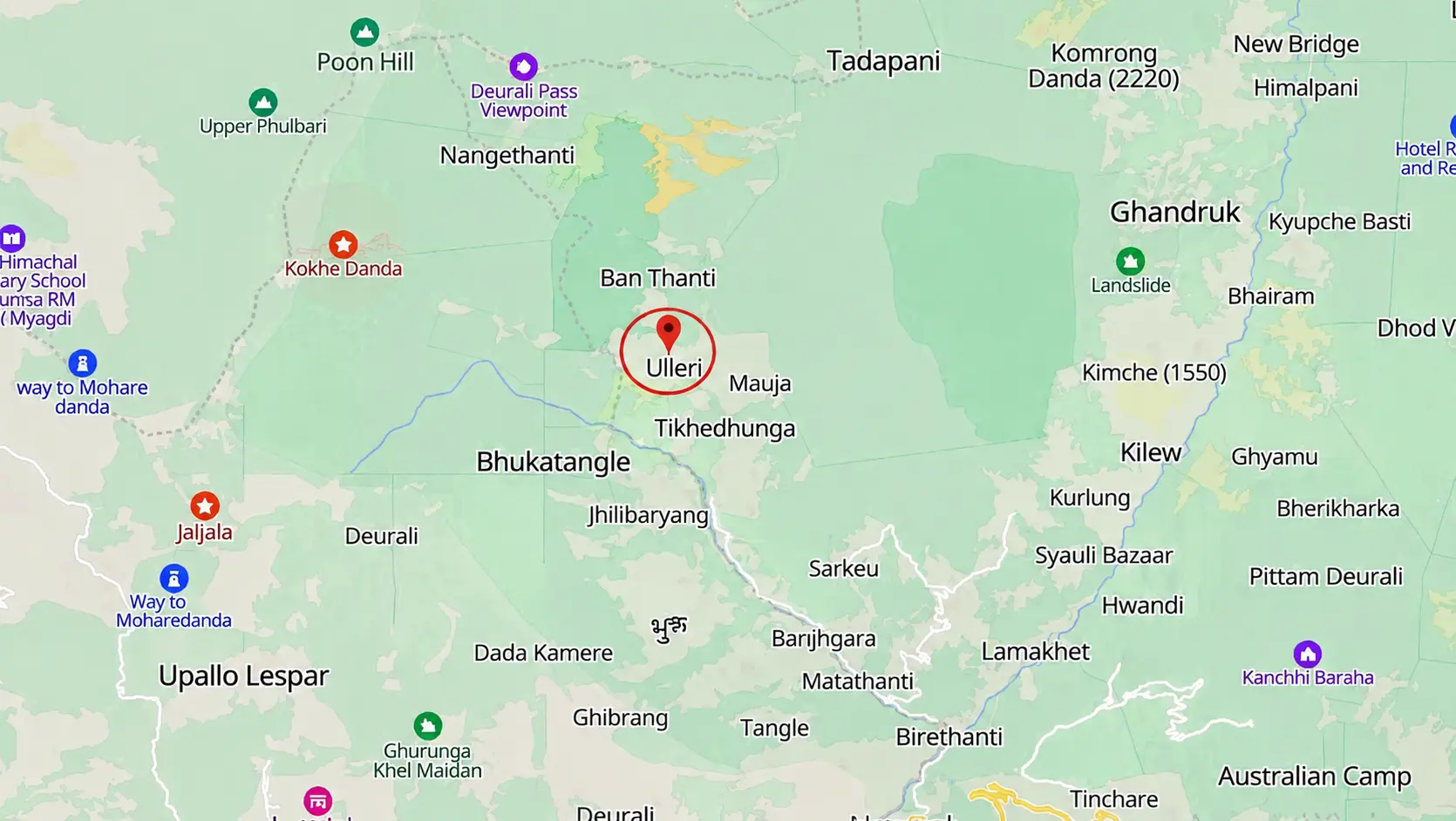
Ulleri lies in the Annapurna foothills of western Nepal. It is commonly visited by trekkers travelling from Pokhara towards Ghorepani and Poon Hill, one of the region’s best-known sunrise viewpoints.
The village sits above the Bhurungdi Khola valley, surrounded by green hills, terraced fields, and forested slopes. Its position along the trekking trail makes it a natural resting point for people heading towards higher villages.
Ulleri is also associated with the Magar community, whose cultural traditions contribute to the character of the surrounding settlements. Walking through the village offers an opportunity to observe everyday mountain life, traditional houses, and local farming practices.
Unlike a destination reached only for a viewpoint, Ulleri is part of the experience of travelling through the Annapurna region. The trail, the village, and the people you encounter along the way all contribute to its appeal.
Why Is Ulleri Famous?
The Long Stone Staircase
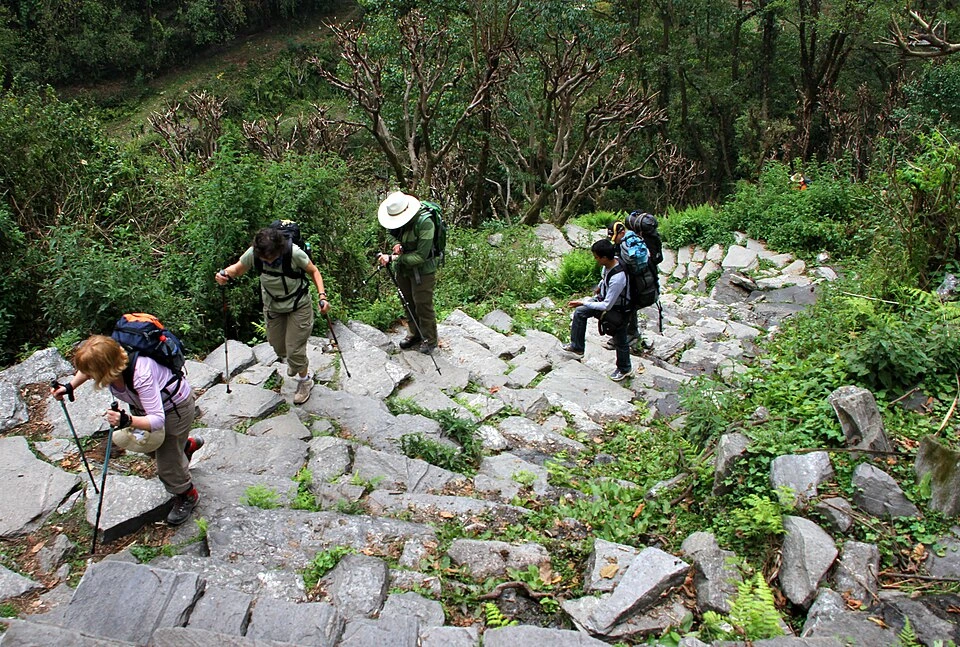
The most recognisable feature of Ulleri is the steep stone staircase climbing from the lower trail around Tikhedhunga. The staircase has become a memorable challenge for trekkers travelling towards Ghorepani.
The climb involves repeated uphill steps, so it can feel demanding even for people who regularly walk on flat ground. The difficulty comes less from technical terrain and more from the sustained ascent, particularly if you are carrying a heavy backpack.
There is no need to rush. Take short breaks when necessary, drink water regularly, and maintain a pace you can sustain. For many trekkers, reaching Ulleri brings a strong sense of achievement and marks an important stage of the journey.
Traditional Magar Village Life
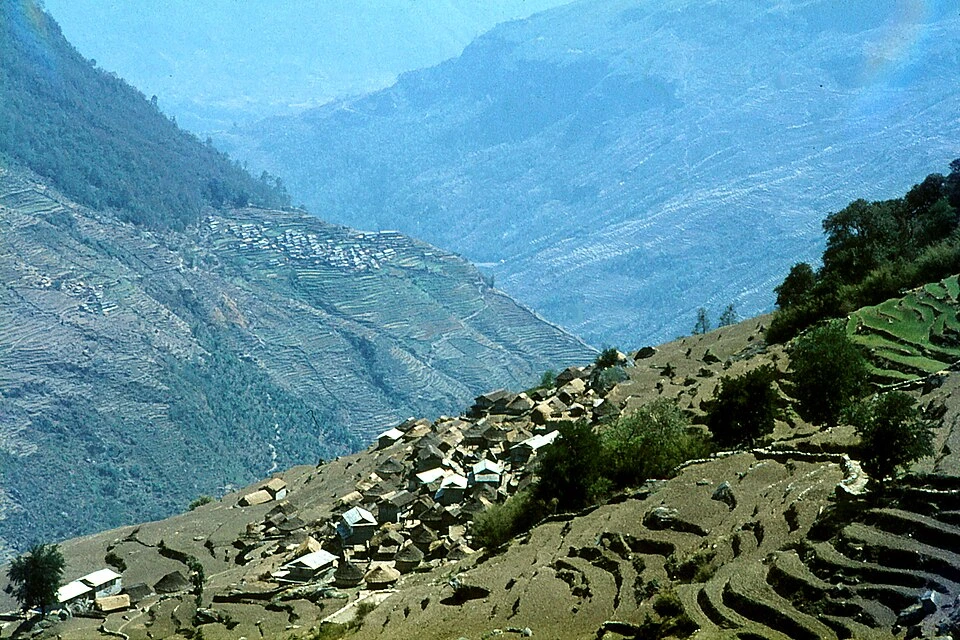
Ulleri is more than a stop on a trekking map. It is a living mountain settlement where local people continue their daily routines alongside the steady flow of visitors.
You may see terraced fields, stone houses, small shops, and teahouses serving trekkers. These details offer a more grounded view of Nepal than mountain photographs alone can provide.
Visitors should respect local customs, ask permission before photographing people, and avoid treating homes or private farmland as tourist attractions.
Views of the Annapurna Foothills
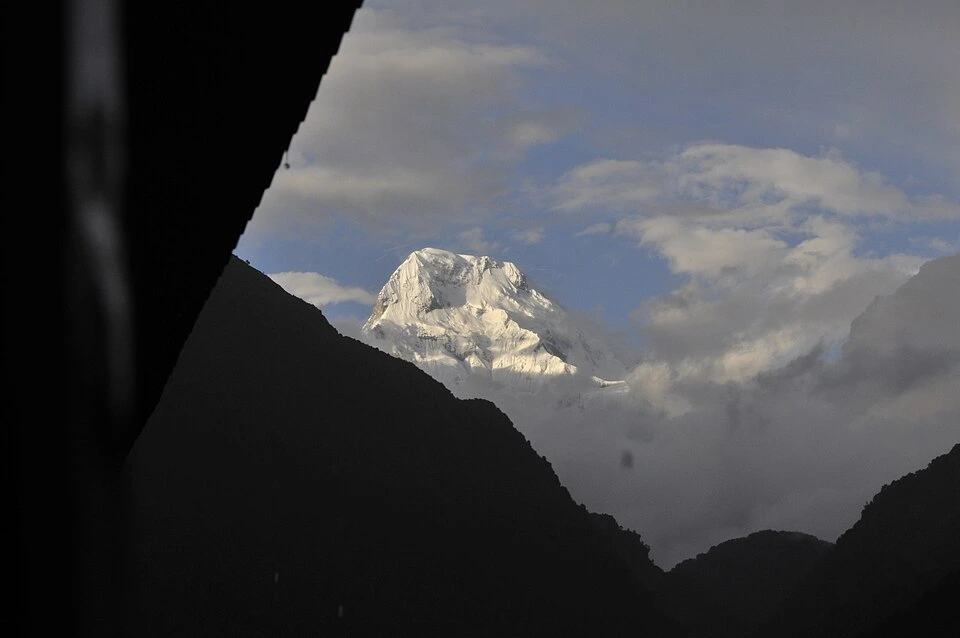
The surrounding hills and valleys create scenic walking conditions, particularly when the weather is clear. As you gain elevation, the landscape opens up in places, revealing terraced slopes, forested ridges, and distant Himalayan peaks.
Mountain visibility changes with weather and season, so views are never guaranteed. Early mornings often provide better opportunities for photography before clouds build over the hills.
A Gateway to Ghorepani and Poon Hill
Ulleri is an important stop on the classic Ghorepani–Poon Hill route. After leaving the village, trekkers continue through forested sections and smaller settlements before reaching Ghorepani.
From Ghorepani, many travellers make an early-morning hike to Poon Hill at approximately 3,210 metres to watch sunrise over the Annapurna and Dhaulagiri ranges.
For a short trekking holiday, this combination offers mountain scenery, forest walks, village experiences, and a famous Himalayan viewpoint without requiring a journey to an extremely high-altitude base camp.
How to Reach Ulleri
Most visitors travel to Ulleri from Pokhara, which serves as a major gateway to the Annapurna region.
Step 1: Travel from Pokhara
From Pokhara, you can travel by private vehicle or jeep towards the trekking route. The journey commonly passes through the Nayapul and Birethanti area, although the exact route depends on road conditions and the chosen starting point.
Road access in the foothills can change, and some itineraries use a vehicle to reach a point closer to Ulleri.
Step 2: Begin the Trek
On the traditional approach, trekkers walk through the lower settlements towards Tikhedhunga before beginning the famous stone staircase.
The climb is sustained and can take a few hours depending on your pace, fitness, breaks, and trail conditions. If you start farther down the route, the total walking time to Ulleri will be longer.
Some itineraries drive farther towards Hille or Ulleri when road conditions permit. This can shorten the walking section, although the exact amount of walking saved depends on the vehicle access available at the time.
Step 3: Continue Towards Ghorepani
From Ulleri, the trail continues uphill through forested areas and smaller settlements towards Ghorepani. This section is generally less dominated by the long staircase than the approach from Tikhedhunga, but it still includes uphill walking.
Many trekkers spend the night in Ulleri or continue to a suitable lodge farther along the route, depending on their itinerary and walking pace.
How Difficult Is the Ulleri Staircase?
The climb to Ulleri is considered physically demanding for many first-time trekkers. It is not a technical climb, but the repeated stone steps put sustained pressure on your legs and cardiovascular endurance.
The staircase can be particularly challenging if you are not accustomed to exercise, have a heavy backpack, or try to climb too quickly.
You can make the experience more manageable by following a few simple practices:
- Walk at a steady pace rather than trying to keep up with faster trekkers.
- Take short breaks before you become completely exhausted.
- Carry enough drinking water and a few easy-to-eat snacks.
- Wear trekking shoes with good grip.
- Use trekking poles if you find them helpful on steep or uneven sections.
- Avoid carrying unnecessary weight.
If you are planning the Ghorepani–Poon Hill Trek, regular walking and stair climbing before your trip can help you prepare. You do not need to be an athlete, but having reasonable endurance makes the experience more comfortable.
Best Time to Visit Ulleri
Spring and autumn are generally the most popular seasons for trekking around Ulleri. Each season offers a different experience, and your choice should depend on whether you prioritise mountain views, flowering forests, quieter trails, or cooler weather.
Spring: March to May
Spring brings milder weather and colourful rhododendron blooms to forested parts of the Annapurna foothills. The scenery can be especially attractive in March and April, although flowering times vary with altitude and annual weather conditions.
Daytime walking can be pleasant, but mornings and evenings may still feel cold.
Autumn: September to November
Autumn is a favourite season for many trekkers because the monsoon gradually retreats and mountain visibility often improves. October and early November are especially popular, so trails and teahouses may be busier.
If you are travelling during this period, booking accommodation and arranging transport in advance can help during busy dates.
Winter: December to February
Winter can bring crisp mornings, quieter trails, and clear mountain views. Temperatures drop considerably at night, and snow or icy conditions may affect higher sections of the route.
Warm layers, suitable footwear, and flexibility with your itinerary are important.
Monsoon: June to August
The monsoon brings frequent rain, greener landscapes, and reduced visibility on many days. Stone steps can become slippery, and muddy trails may make walking slower.
Trekking is still possible when conditions allow, but it is important to check local weather and trail information before setting out.
Accommodation and Facilities in Ulleri
Ulleri has local teahouses and mountain lodges that cater to trekkers travelling through the region. Facilities vary from one property to another, but visitors can generally expect a practical place to rest and eat before continuing their journey.
Accommodation may include simple twin rooms, shared bathrooms, and communal dining areas. Some lodges offer hot showers, charging facilities, or Wi-Fi, although availability and additional charges vary.
Meals commonly include dal bhat, noodles, fried rice, soups, eggs, and other dishes suited to trekking routes in Nepal.
Do not expect the same range of services available in Pokhara. Facilities become more basic as you travel into the hills, and electricity, mobile connectivity, hot water, and food choices may vary.
Carrying some cash in Nepali rupees is sensible, as card payments and ATMs should not be assumed to be available in the village.
What Should You Pack for Ulleri?
You do not need specialised mountaineering equipment to visit Ulleri, but appropriate clothing and footwear make a significant difference on the staircase.
Consider packing:
- Comfortable trekking shoes with good grip
- Lightweight, breathable trekking clothes
- A warm fleece or jacket
- A waterproof jacket during changeable weather
- A reusable water bottle
- Sun protection, including sunscreen and sunglasses
- Snacks for the uphill climb
- A small first-aid kit and personal medication
- Trekking poles if preferred
- A light daypack for essential items
Try to keep your backpack manageable. Carrying unnecessary weight up hundreds or thousands of steps can make an already demanding climb more tiring.
Trekking Routes That Include Ulleri
Ulleri is most closely associated with the Ghorepani–Poon Hill route, but it can also feature in longer itineraries through the Annapurna region.
Ghorepani–Poon Hill Trek
This route is popular with visitors looking for a relatively short Himalayan trekking experience. Ulleri is an important stop on the traditional approach to Ghorepani, followed by the early-morning hike to Poon Hill.
See the Ghorepani–Ghandruk Luxury Trek offered by Silver Moon Adventure & Tours for an itinerary that includes Ulleri, Ghorepani, Poon Hill, Tadapani, and Ghandruk.
Annapurna Base Camp Trek
Some longer Annapurna Base Camp itineraries follow the Ghorepani and Poon Hill route before continuing towards the Annapurna Sanctuary. Other itineraries use a different approach, so Ulleri is not included in every ABC trek.
Travellers interested in reaching the base camp should compare routes and walking days before choosing an itinerary. Explore the Annapurna Base Camp Trek via Ghandruk for an alternative approach to the region.
Khopra Danda Trek
Ulleri may also form part of a longer journey through the Ghorepani area, depending on the route and itinerary. For a different experience in the Annapurna foothills, the Khopra Danda Trek offers ridge scenery, traditional villages, and views of the surrounding Himalayan ranges.
Travel Tips Before Visiting Ulleri
A little preparation can make the climb much more enjoyable.
Start early enough to walk comfortably and reach your planned overnight stop without rushing. Keep your valuables secure, carry some cash, and check weather conditions before leaving Pokhara.
If you are trekking with a guide, discuss your walking pace and any concerns before beginning the climb. A well-planned day should allow time for rest, food, photographs, and changing trail conditions.
Remember that Ulleri is a residential village as well as a trekking destination. Respect local people, dispose of rubbish responsibly, and follow the advice of your guide on the trail.
For broader information about trekking in the region, consult the [Nepal Tourism Board’s Annapurna region guide.
Is Ulleri Worth Visiting?
Ulleri is worth including if you want to experience the traditional Ghorepani–Poon Hill route and understand what makes trekking in the Annapurna foothills distinctive. Its famous staircase is physically challenging, but the village also offers a chance to slow down, observe rural life, and enjoy the changing landscapes of the region.
For first-time trekkers, Ulleri can be a useful introduction to sustained uphill walking in Nepal. For experienced hikers, it is a familiar landmark on a classic route towards one of the country’s most accessible Himalayan sunrise viewpoints.
The best way to experience Ulleri is not to rush through it. Take the climb at your own pace, enjoy the surroundings, and treat the village as part of the journey rather than simply a place to pass through.
Frequently Asked Questions About Ulleri, Nepal
1. What is Ulleri famous for?
Ulleri is famous for its steep stone staircase, traditional Magar village, and position on the Ghorepani–Poon Hill trekking route in Nepal’s Annapurna region.
2. How high is Ulleri, Nepal?
Ulleri is approximately 2,050 metres (6,725 feet) above sea level. The exact elevation can vary slightly between mapped locations within the village.
3. How long does it take to climb the stairs to Ulleri?
The climb from Tikhedhunga commonly takes around 1.5–3 hours, depending on walking speed, fitness, breaks, and trail conditions. The overall journey takes longer if you begin farther down the route.
4. What is the best time to visit Ulleri?
Spring (March–May) and autumn (September–November) are generally the most popular seasons. Spring offers rhododendron blooms, while autumn often provides good mountain visibility and comfortable trekking conditions.
5. Can beginners trek to Ulleri?
Yes. Beginners can reach Ulleri if they are comfortable with sustained uphill walking and prepare appropriately. The stone staircase can be tiring, so regular walking, a steady pace, suitable shoes, and sufficient rest are helpful.