


Discover Muktinath Yatra: Spiritual Journey in the Mustang Region
Share:
 Read Time
This blog has 4692 words .This blog has 32599 characters.This blog take 16 minutes to read.
Muktinath Temple is one of the most famous religious and cultural destinations in Nepal, located in the beautiful Mustang district of the Annapurna region. A Muktinath Temple Tour offers a perfect combination of spirituality, adventure, and Himalayan beauty, making it a meaningful journey for both pilgrims and international travelers. The temple is situated at an altitude of approximately 3,710 meters above sea level and is surrounded by stunning views of snow-covered mountains, dry landscapes, and traditional Himalayan villages. Every year, thousands of visitors come here to experience the peaceful atmosphere and seek blessings from this sacred destination.
The importance of Muktinath Temple Nepal is deeply connected with both Hindu and Buddhist traditions. Hindus consider Muktinath as a holy place dedicated to Lord Vishnu, where devotees believe they can achieve spiritual purification and salvation. Similarly, Buddhists respect this region because of its connection with Guru Rinpoche and ancient Buddhist practices. The famous 108 water spouts, the natural eternal flame at Jwala Mai Temple, and the peaceful monastery nearby make the Muktinath Yatra in Nepal a unique spiritual experience that combines faith, history, and natural beauty.
Traveling to Muktinath is not only about visiting a temple; it is also about exploring the incredible landscapes of the Mustang region. The journey passes through beautiful places like Pokhara, Jomsom, Kagbeni, and Marpha, where travelers can experience local culture, traditional lifestyles, and breathtaking mountain scenery. Although the destination is located in a high-altitude area, the well-developed Muktinath Tour Package options by road and flight make this sacred journey accessible for different types of travelers, including families, elderly pilgrims, and adventure lovers.
A Visit Muktinath Temple journey allows travelers to discover the spiritual side of Nepal while enjoying the natural wonders of the Himalayas. From the peaceful temple surroundings to the dramatic Mustang landscapes, every part of this journey creates unforgettable memories. Whether you are traveling for religious reasons, cultural exploration, or Himalayan sightseeing, Muktinath offers a rare experience where devotion, nature, and traditional Nepalese heritage come together.
What Makes Muktinath Temple Special?
Muktinath Temple is considered one of the most sacred destinations in Nepal because it represents the deep connection between spirituality, nature, and ancient traditions. The word Muktinath comes from two Sanskrit words: “Mukti,” meaning salvation or freedom, and “Nath,” meaning god or master. Therefore, many Hindu devotees believe that visiting this holy site helps them achieve spiritual peace and blessings. A Muktinath Temple Tour provides travelers with the opportunity to explore this religious landmark while experiencing the unique beauty of the Himalayan environment.
One of the main reasons Muktinath Temple Nepal is special is its importance to both Hindu and Buddhist communities. Hindus worship the temple as a sacred place of Lord Vishnu, while Buddhists respect it as a spiritual site connected with Buddhist beliefs and practices. This harmony between two different religious traditions makes Muktinath a rare destination where visitors can witness Nepal’s cultural diversity and religious unity.
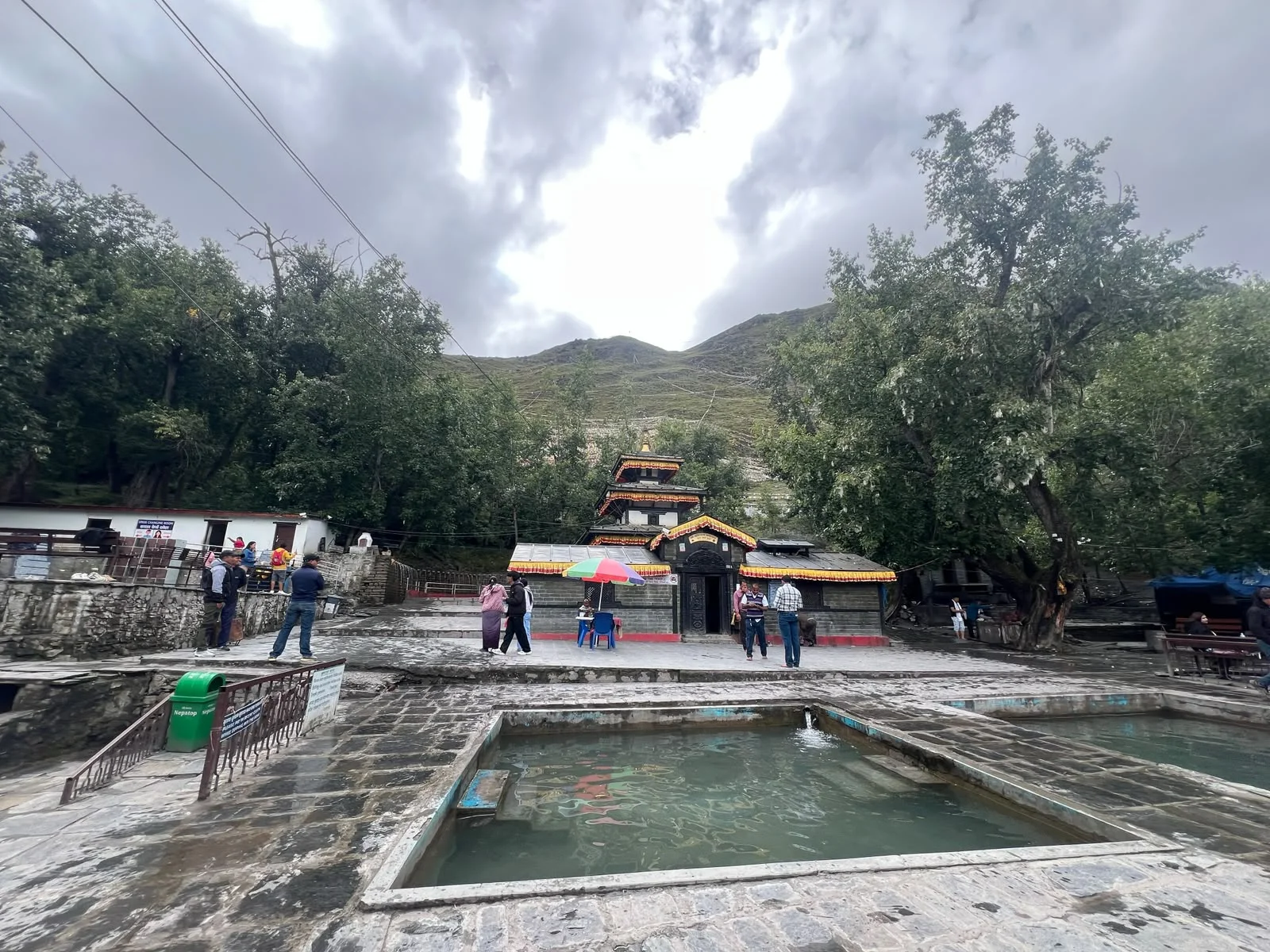
The temple area is famous for its 108 holy water spouts, known as “Muktidhara,” where pilgrims traditionally take a sacred bath. These water streams are believed to have spiritual significance and represent purification of the body and soul. Another major attraction is the Jwala Mai Temple, which houses a natural eternal flame created by a combination of natural gas, water, and earth. This unique natural phenomenon adds more importance to the Muktinath Yatra in Nepal and attracts visitors throughout the year.
Besides its religious value, Muktinath is also special because of its extraordinary location in the Mustang region. The temple is surrounded by dry Himalayan landscapes, ancient villages, and breathtaking mountain views, creating a peaceful atmosphere for visitors. Although the journey requires traveling through high mountain roads, the beautiful scenery, local culture, and spiritual experience make the Muktinath Tour Package one of the most memorable journeys in Nepal.
Location and Altitude of Muktinath Temple
Muktinath Temple is located in the Mustang district of Gandaki Province, Nepal, in the northern part of the Annapurna Himalayan region. The temple lies near the famous village of Ranipauwa and is situated close to the border of the Tibetan plateau, which gives the area a unique landscape with dry hills, rocky cliffs, and magnificent views of the surrounding mountains. Due to its remote Himalayan location, a Muktinath Temple Tour offers travelers a wonderful opportunity to explore both spiritual heritage and the natural beauty of the Mustang region.
The temple is positioned at an altitude of approximately 3,710 meters (12,172 feet) above sea level, making it one of the highest sacred pilgrimage sites in Nepal. Because of its high elevation, visitors can experience a different climate compared to lower regions like Kathmandu and Pokhara. The surrounding area features a cool mountain environment, strong winds, and panoramic views of peaks such as Dhaulagiri, Nilgiri, and Annapurna ranges. Proper preparation is important while visiting this high-altitude destination.
During a Muktinath Yatra in Nepal, travelers pass through several beautiful locations that showcase the diversity of Nepal’s landscapes. The journey usually includes places like Pokhara, Jomsom, Kagbeni, and Marpha, each offering unique natural and cultural experiences. Jomsom acts as the main gateway to Muktinath, while Kagbeni provides a glimpse of ancient Mustang traditions and Tibetan-influenced architecture.
The unique location of Muktinath Temple Nepal makes it more than just a religious destination. It is a place where travelers can witness the combination of ancient beliefs, Himalayan scenery, and local lifestyles. Whether visitors arrive for pilgrimage, cultural exploration, or mountain sightseeing, the high-altitude location and peaceful surroundings create an unforgettable experience in the heart of Nepal’s Himalayas.
How to Reach Muktinath Temple?
Reaching Muktinath Temple is an exciting journey that combines scenic drives, mountain landscapes, and cultural experiences. Since the temple is located in the remote Mustang region, travelers can choose different routes depending on their available time, comfort level, and travel preferences. A Muktinath Temple Tour can be completed by road, by flight, or through trekking routes, allowing both pilgrims and adventure seekers to explore this sacred Himalayan destination.
By Road: Kathmandu to Muktinath Journey
The most popular way to reach Muktinath is by road, which allows travelers to enjoy the changing landscapes of Nepal. The journey usually starts from Kathmandu and continues towards Pokhara, one of Nepal’s most beautiful cities. From Pokhara, travelers drive through scenic mountain roads passing places like Beni, Tatopani, Ghasa, Marpha, and Jomsom before reaching Muktinath.
A Muktinath Jeep Tour is a comfortable option for travelers who want to explore the Mustang region without trekking for several days. The road journey provides beautiful views of rivers, waterfalls, green hills, rocky landscapes, and traditional villages. Although some sections of the mountain road can be challenging, the stunning scenery and local experiences make the journey memorable.
By Flight: Pokhara to Jomsom
For travelers who have limited time, taking a flight from Pokhara to Jomsom is a faster way to reach the Muktinath region. The short mountain flight offers breathtaking views of the Annapurna and Dhaulagiri ranges. After reaching Jomsom, visitors can continue their journey by jeep towards Muktinath Temple.
This option is popular among pilgrims and travelers looking for a comfortable Muktinath Tour Package with less travel time. However, flights depend on weather conditions because mountain weather can change quickly, especially during morning and afternoon hours.
By Trekking Route
Adventure lovers can also reach Muktinath through trekking routes connected with the famous Annapurna Circuit Trek. The trekking route offers a deeper experience of Himalayan landscapes, local villages, and mountain lifestyles. Many trekkers cross the challenging Thorong La Pass before reaching the sacred temple area.
The trekking option is ideal for those who want to combine spirituality with adventure. It provides a closer connection with nature and allows travelers to explore the hidden beauty of the Mustang region. Whether traveling by road, flight, or trekking, every route to Muktinath Temple Nepal offers a unique and unforgettable Himalayan experience.
Best Time to Visit Muktinath Temple
Choosing the right season is important for a comfortable and enjoyable Muktinath Temple Tour because the destination is located in a high-altitude Himalayan region. The weather, road conditions, mountain views, and crowd levels change throughout the year. Although Muktinath can be visited in different seasons, spring and autumn are considered the most favorable periods because of stable weather and clear Himalayan scenery.
Spring Season (March to May)
Spring is one of the best times to visit Muktinath because the weather remains pleasant and the skies are usually clear. During this season, travelers can enjoy comfortable temperatures, beautiful mountain views, and a smooth journey through the Mustang region. The landscapes begin to become more colorful, and the route offers amazing views of Annapurna, Dhaulagiri, and Nilgiri mountain ranges.
This season is ideal for pilgrims, families, and travelers who want to experience the natural beauty of Nepal along with their Muktinath Yatra in Nepal. The moderate climate also makes sightseeing around Jomsom, Kagbeni, and nearby villages more enjoyable.
Autumn Season (September to November)
Autumn is widely considered the best season for a Muktinath Tour Package because of its clear weather, excellent visibility, and comfortable travel conditions. After the monsoon season, the mountains appear fresh, and the surrounding landscapes become even more beautiful. The stable weather makes road journeys and outdoor activities easier.
During autumn, visitors can enjoy breathtaking Himalayan views while exploring the spiritual and cultural attractions of Muktinath. Due to favorable conditions, this season attracts many pilgrims and international travelers.
Winter Season (December to February)
Winter brings cold temperatures and a peaceful atmosphere to Muktinath. The region may experience snowfall, especially in higher areas, creating a beautiful snowy environment. However, mornings and nights can be extremely cold, so travelers need proper warm clothing and preparation.
Although fewer visitors travel during winter, those who prefer a quiet pilgrimage experience can enjoy the less crowded environment. Road conditions may become challenging because of cold weather and snowfall.
Monsoon Season (June to August)
The monsoon season is generally considered less suitable for visiting Muktinath because rainfall can affect road conditions in lower regions. Landslides and muddy roads may create delays during the journey from Pokhara to Mustang. However, Muktinath lies in a rain-shadow area, so the Mustang region receives less rainfall compared to other parts of Nepal.
Travelers who plan a Visit Muktinath Temple journey during monsoon should check weather conditions and transportation availability before traveling.
Quick Seasonal Table
Spiritual and Cultural Importance of Muktinath
Muktinath Temple holds a special place in Nepal’s religious and cultural heritage because it represents the harmony between Hindu and Buddhist traditions. Located in the peaceful Mustang region, this sacred destination has been attracting pilgrims and travelers for centuries. A Muktinath Temple Tour provides an opportunity to explore not only a holy site but also the ancient beliefs, traditions, and lifestyles that have shaped this Himalayan region.
For Hindus, Muktinath is considered one of the most important pilgrimage sites dedicated to Lord Vishnu. Devotees believe that visiting this holy place and taking a bath under the 108 water spouts helps remove past sins and brings spiritual purification. Many pilgrims from Nepal and neighboring countries visit the temple to offer prayers and seek blessings, especially during important religious occasions.
Muktinath is equally significant for Buddhist followers because the region is connected with ancient Buddhist practices and beliefs. Buddhists consider the temple area sacred due to its association with Guru Rinpoche (Padmasambhava), who played an important role in spreading Buddhism in the Himalayan region. The presence of monasteries and traditional Buddhist practices reflects the deep cultural connection between the Mustang people and their spiritual heritage.
The cultural importance of Muktinath Temple Nepal goes beyond religion because the journey introduces visitors to the unique lifestyle of the Mustang region. Travelers can experience traditional Thakali culture, Tibetan-influenced architecture, ancient villages, local festivals, and the warm hospitality of mountain communities. Places like Kagbeni, Jomsom, and Marpha showcase the rich history and traditions preserved for generations.
A Muktinath Yatra in Nepal is therefore more than a temple visit; it is a journey through faith, culture, and Himalayan history. The peaceful surroundings, ancient rituals, and diverse traditions make Muktinath a meaningful destination for anyone seeking a deeper connection with Nepal’s spiritual and cultural identity.
Major Attractions Around Muktinath
A journey to Muktinath is not limited to visiting the main temple only; the surrounding Mustang region is filled with natural, cultural, and spiritual attractions. During a Muktinath Temple Tour, travelers can explore ancient villages, sacred sites, peaceful lakes, and breathtaking Himalayan landscapes. Each attraction reflects the unique combination of religion, nature, and traditional mountain lifestyle that makes this destination one of the most memorable places in Nepal.
Muktinath Temple
Muktinath Temple is the main attraction and the spiritual center of the entire region. Situated at a high altitude in the Mustang district, this sacred temple is dedicated to Lord Vishnu and is highly respected by Hindu devotees. The temple complex includes religious monuments, holy water sources, and peaceful surroundings that create a deeply spiritual atmosphere. Many visitors include this site as the main highlight of their Muktinath Yatra in Nepal because of its religious significance and Himalayan beauty.
108 Water Spouts (Muktidhara)
The 108 water spouts are among the most famous attractions inside the Muktinath temple area. These stone taps continuously release naturally flowing water, and Hindu pilgrims traditionally take a holy bath beneath them as a symbol of purification. Although the water is extremely cold due to the mountain climate, devotees consider this ritual an important spiritual experience during their visit.
Jwala Mai Temple and Eternal Flame
Jwala Mai Temple is another unique attraction located near Muktinath Temple. The temple is famous for its natural eternal flame, which burns continuously due to the presence of natural elements like gas, water, and earth. This rare natural phenomenon makes the area special because it represents the connection between nature and spirituality. Visitors often explore this site while experiencing the peaceful environment of the temple surroundings.
Muktinath Monastery
Muktinath Monastery represents the strong Buddhist influence in the region. The monastery reflects the peaceful traditions, architecture, and spiritual practices of Himalayan Buddhism. Visiting this place allows travelers to understand the religious harmony between Hindu and Buddhist communities that has existed in Mustang for generations.
Kagbeni Village
Kagbeni is an ancient village located near the Kali Gandaki River and is often considered the gateway to Upper Mustang. The village is famous for its traditional stone houses, narrow alleys, Tibetan-influenced culture, and historical importance. A stop at Kagbeni during a Muktinath Tour Package allows travelers to experience authentic Mustang lifestyle and local traditions.
Jomsom
Jomsom is the main gateway and transportation hub for the Muktinath region. Surrounded by beautiful Himalayan landscapes, this town offers stunning views of Nilgiri and Dhaulagiri mountains. Visitors can explore local markets, experience Thakali culture, and enjoy the unique mountain environment before heading toward Muktinath.
Marpha Village
Marpha is a beautiful traditional village famous for its apple orchards, whitewashed houses, and peaceful atmosphere. The village showcases the unique culture of the Mustang region and offers visitors a chance to enjoy local products and traditional lifestyles. Its charming environment makes it a popular stop while traveling through the Muktinath Temple Nepal route.
Dhumba Lake
Dhumba Lake is a peaceful natural attraction located near Jomsom. Surrounded by mountains and colorful landscapes, the lake provides a relaxing environment away from busy travel routes. The beautiful reflections of the surrounding hills make it a great place for photography and sightseeing.
Thorong La Pass Region
The Thorong La Pass region is connected with the famous Annapurna Circuit Trek and is one of the highest trekking areas in Nepal. Although it is not directly inside Muktinath, many adventure travelers explore this region before reaching the temple. The dramatic mountain scenery and challenging landscapes add an adventurous element to the overall journey.
A Visit Muktinath Temple experience becomes even more special when combined with these nearby attractions. From sacred temples and ancient villages to beautiful landscapes and Himalayan viewpoints, the Mustang region offers a complete travel experience filled with culture, adventure, and unforgettable memories.
Food and Drinks During Muktinath Journey
Food plays an important role in making your Muktinath Temple Tour comfortable and enjoyable, especially because the journey takes place through high-altitude mountain areas. Along the route from Pokhara to Jomsom and Muktinath, travelers can find a variety of local and traditional meals prepared by mountain communities. Although food options may become simpler at higher elevations, visitors can still enjoy fresh, warm, and nutritious meals during their journey.
The most common meal available during the Muktinath Yatra in Nepal is the traditional Nepali Dal Bhat, which includes rice, lentil soup, vegetables, and pickles. It is a popular choice among travelers because it provides enough energy for mountain travel. Besides Dal Bhat, many lodges and restaurants serve noodles, pasta, Tibetan-style bread, momo, soups, potatoes, and local dishes influenced by Mustang and Tibetan culture.
Drinks such as tea, coffee, hot lemon, and herbal beverages are widely available throughout the route. Hot drinks are especially enjoyable in the cold mountain climate and help travelers stay comfortable during the journey. Since Muktinath is located at a high altitude, drinking enough water is important to stay hydrated and reduce discomfort caused by dry weather and altitude changes.
During a Muktinath Tour Package, travelers should avoid heavy and unfamiliar foods before long drives or high-altitude walks. Choosing warm, simple, and easily digestible meals can help maintain energy throughout the journey. Many mountain lodges prepare food according to traveler preferences, making the overall dining experience comfortable while exploring the beautiful Mustang region.
Accommodation During Muktinath Journey
Accommodation is an important part of making your Muktinath Temple Tour comfortable and relaxing, especially because the journey passes through different landscapes and high-altitude areas. Travelers can find a variety of accommodation options depending on their route, budget, and travel style. From comfortable hotels in Pokhara to mountain lodges in Jomsom and Muktinath, each place provides a unique experience surrounded by beautiful Himalayan scenery.
During the beginning of the journey, most travelers stay in comfortable hotels in Pokhara, which is a major tourist city with modern facilities and excellent services. Hotels in Pokhara offer comfortable rooms, restaurants, hot showers, and beautiful views of the surrounding mountains and lakes. After leaving Pokhara, accommodation options become more traditional as the route enters the Mustang region.
In places like Jomsom, Kagbeni, and Muktinath, travelers usually stay in mountain lodges and tea houses that provide basic but comfortable facilities. These accommodations offer clean rooms, warm meals, and a peaceful environment where visitors can experience the local mountain lifestyle. Although facilities may be simpler compared to city hotels, the hospitality of local communities makes the stay memorable during the Muktinath Yatra in Nepal.
Most lodges provide essential services such as beds, blankets, dining areas, and charging facilities. However, because Muktinath is located in a remote Himalayan region, services like internet access, heating, and hot water may have limited availability depending on the location and season. Travelers should carry necessary personal items and prepare for changing mountain conditions.
Choosing the right accommodation during a Muktinath Tour Package helps ensure a comfortable journey while exploring this sacred Himalayan destination. Whether staying in a modern hotel or a traditional mountain lodge, the peaceful surroundings, local culture, and stunning views make the accommodation experience an important part of the overall Muktinath adventure.
Packing List for Muktinath Temple Tour
A proper packing list helps make your Muktinath Temple Tour comfortable and enjoyable because the journey takes place in a high-altitude Himalayan area where weather conditions can change quickly. Travelers should carry essential items for cold temperatures, sunlight, walking, and personal comfort.
Clothing and Warm Wear
- Down jacket or warm jacket
- Fleece jacket or sweater
- Thermal inner wear
- Warm trousers
- Woolen socks
- Gloves
- Woolen hat or cap
- Comfortable T-shirts
Footwear
- Comfortable walking shoes
- Trekking shoes with good grip
- Extra pair of socks
- Sandals or slippers for lodge stays
Sun and Weather Protection
- UV protection sunglasses
- Sunscreen lotion
- Lip balm
- Sun hat or cap
- Rain jacket or windproof jacket
- Waterproof bag cover
Personal Items and Health Essentials
- Personal medicines
- Basic first-aid kit
- Hand sanitizer
- Tissue paper and wet wipes
- Personal toiletries
- Moisturizer for dry weathe
Travel and Electronic Items
- Mobile phone
- Camera
- Power bank
- Charging cables
- Travel adapter
- Extra batteries or memory card
Food and Hydration Items
- Reusable water bottle
- Energy bars
- Dry fruits
- Chocolates
- Light snack
Important Documents
- Passport or identification documents
- Travel permits (if required)
- Travel insurance documents
- Cash (for remote areas where card facilities may not be available)
Carrying these essential items will help you enjoy your Muktinath Yatra in Nepal safely and comfortably while exploring the spiritual beauty, mountain landscapes, and cultural highlights of the Mustang region.
Muktinath Temple Tour Difficulty Level
The Muktinath Temple Tour is considered an easy to moderate journey because it does not require technical trekking skills or previous mountain experience. Unlike challenging Himalayan treks, Muktinath can be reached by road and flight options, making it suitable for pilgrims, families, senior travelers, and those who want to explore the beauty of the Mustang region without a difficult adventure.
The main challenge of the journey is the high altitude because Muktinath Temple is located at approximately 3,710 meters above sea level. Some visitors may experience mild altitude-related discomfort, such as tiredness, shortness of breath, or headaches, especially if they are not used to mountain environments. Therefore, traveling slowly, drinking enough water, and allowing the body to adjust to the elevation are important during the journey.
The road journey to Muktinath includes mountain trails, winding roads, and some rough sections, especially beyond Jomsom. However, modern transportation facilities and experienced local drivers make the Muktinath Jeep Tour a comfortable option for most travelers. The beautiful views of rivers, valleys, villages, and Himalayan peaks make the journey enjoyable despite some challenging sections.
For travelers choosing the trekking route, the difficulty level becomes higher because it involves longer walking hours and high mountain passes. The Annapurna Circuit route to Muktinath requires good physical fitness and proper preparation, especially while crossing areas like Thorong La Pass.
Overall, the Muktinath Yatra in Nepal is a manageable journey with proper planning and preparation. Whether you are visiting for religious purposes, cultural exploration, or Himalayan sightseeing, understanding the altitude, weather conditions, and travel route helps you enjoy a safe and memorable experience.
Why Choose Silver Moon Adventure and Tour?
Choosing the right travel partner can make your Muktinath Temple Tour more comfortable, organized, and memorable. A well-planned journey is important because Muktinath is located in a remote Himalayan region where transportation, accommodation, and travel arrangements require proper management. With experienced planning and local destination knowledge, Silver Moon Adventure and Tour helps travelers enjoy a smooth and meaningful journey to this sacred destination.
Silver Moon Adventure and Tour focuses on creating well-organized travel experiences that match the needs of different travelers, including pilgrims, families, and adventure seekers. From arranging comfortable transportation to selecting suitable accommodations, every part of the journey is planned carefully to provide a hassle-free experience throughout the Mustang region.
The team understands the importance of visiting a spiritual destination like Muktinath, where travelers seek both cultural experiences and peaceful moments. With proper guidance, local insights, and attention to travel details, visitors can explore the temple, surrounding attractions, and Himalayan landscapes with greater comfort and confidence.
Whether you are planning a pilgrimage, a cultural exploration, or a Himalayan sightseeing journey, Silver Moon Adventure and Tour ensures that your Muktinath Yatra in Nepal becomes a memorable experience filled with spirituality, natural beauty, and authentic local connections.
Conclusion
A Muktinath Temple Tour is a perfect blend of spirituality, culture, and Himalayan adventure that offers a unique travel experience in Nepal. Located in the beautiful Mustang region, this sacred destination allows visitors to explore ancient religious traditions, peaceful landscapes, and the fascinating lifestyle of mountain communities. From the holy 108 water spouts and Jwala Mai Temple to the stunning views of the Annapurna and Dhaulagiri ranges, every part of the journey creates unforgettable memories.
The Muktinath Yatra in Nepal is not only meaningful for pilgrims but also attractive for travelers who want to discover the natural and cultural beauty of the Himalayas. The journey through places like Pokhara, Jomsom, Kagbeni, and Marpha provides a deeper understanding of Nepal’s diverse landscapes and traditions. Although the destination is located at a high altitude, proper planning and preparation make the journey comfortable and rewarding.
Whether you are seeking spiritual peace, cultural exploration, or a memorable Himalayan escape, Muktinath offers an experience that stays with you forever. With its sacred atmosphere, breathtaking surroundings, and rich heritage, a visit to Muktinath Temple Nepal becomes one of the most meaningful journeys you can experience in Nepal.
FAQs
1. Where is Muktinath Temple located?
Muktinath Temple is located in the Mustang district of Gandaki Province, Nepal, in the Annapurna Himalayan region. The temple lies near Ranipauwa village and is surrounded by beautiful mountain landscapes, making it a popular spiritual and cultural destination in Nepal.
2. What is the altitude of Muktinath Temple?
Muktinath Temple is situated at an altitude of approximately 3,710 meters (12,172 feet) above sea level. Due to its high elevation, travelers should prepare properly for changing weather conditions and the mountain environment.
3. Why is Muktinath Temple famous?
Muktinath is famous for its religious importance, 108 holy water spouts, Jwala Mai Temple, and eternal flame. It is considered a sacred place by both Hindu and Buddhist communities, making it one of the most important pilgrimage destinations in Nepal.
4. Is Muktinath Temple important for both Hindus and Buddhists?
Yes, Muktinath holds great importance for both religions. Hindus worship it as a sacred place of Lord Vishnu, while Buddhists respect the area because of its connection with ancient Buddhist traditions and spiritual practices.
5. What is the best time to visit Muktinath Temple?
The best time for a Muktinath Temple Tour is during spring (March to May) and autumn (September to November). These seasons offer stable weather, clear mountain views, and comfortable travel conditions.
6. How can I reach Muktinath Temple from Kathmandu?
Travelers can reach Muktinath from Kathmandu by road or flight. The common route includes Kathmandu to Pokhara, followed by a drive or flight to Jomsom and then a jeep journey to Muktinath Temple.
7. How many days are enough for a Muktinath Tour?
A typical Muktinath Tour Package usually takes around 3 to 7 days depending on the travel route and activities included. Travelers can choose shorter journeys by flight or longer routes by road for a more scenic experience.
8. Is Muktinath suitable for elderly travelers?
Yes, Muktinath can be suitable for elderly travelers because the temple area is accessible by road. However, proper preparation, slow travel, and awareness of altitude conditions are recommended for a comfortable journey.
9. Can we visit Muktinath during winter?
Yes, Muktinath can be visited during winter, but temperatures can be very cold, and snowfall may occur in higher areas. Travelers should carry proper warm clothing and check weather and road conditions before traveling.
10. What permits are required for Muktinath Temple Tour?
Travelers may need permits such as the Annapurna Conservation Area Permit (ACAP) and other required travel documents depending on the route and current regulations.
11. What type of accommodation is available in Muktinath?
Accommodation options include hotels, guesthouses, and mountain lodges in areas like Jomsom, Kagbeni, and Muktinath. Facilities are comfortable but may be more basic compared to city hotels because of the remote mountain location.
12. Is Muktinath Temple Tour possible throughout the year?
Yes, a Visit Muktinath Temple journey is possible throughout the year, but the travel experience varies by season. Spring and autumn provide the most comfortable conditions, while winter and monsoon require more preparation.
Similar Blogs
View all
18/09/2026
New Year in Nepal 2027: A Complete Travel Guide for Foreign Visitors
New Year in Nepal 2027 offers foreign travelers a unique chance to welcome the beginning of...
Read more

18/09/2026
Kanchenjunga Base Camp Trek: An Ultimate Remote Himalayan Adventure in Nepal
The Kanchenjunga Base Camp Trek is one of the most extraordinary and less-explored trekking adventures in...
Read more


