Tihar Festival in Nepal: Experience the Festival of Lights, Culture, and Traditions
Share:
 Read Time
This blog has 4372 words .This blog has 30228 characters.This blog take 15 minutes to read.
Nepal is a country where every festival tells a story, and Tihar Festival in Nepal is one of the brightest celebrations of all. Also known as the Festival of Lights, Tihar fills homes, streets, and temples with colorful decorations, glowing oil lamps, and joyful music. Although the festival lasts only five days, its memories stay with visitors for a lifetime because every day has its own unique traditions and cultural meaning.
Unlike many festivals that honor only gods and goddesses, the Nepal Tihar Festival celebrates the close relationship between humans, nature, and animals. Crows, dogs, cows, oxen, and brothers are all honored during different days of the festival. Therefore, Tihar is not only a religious occasion but also a celebration of gratitude, respect, love, and family unity.
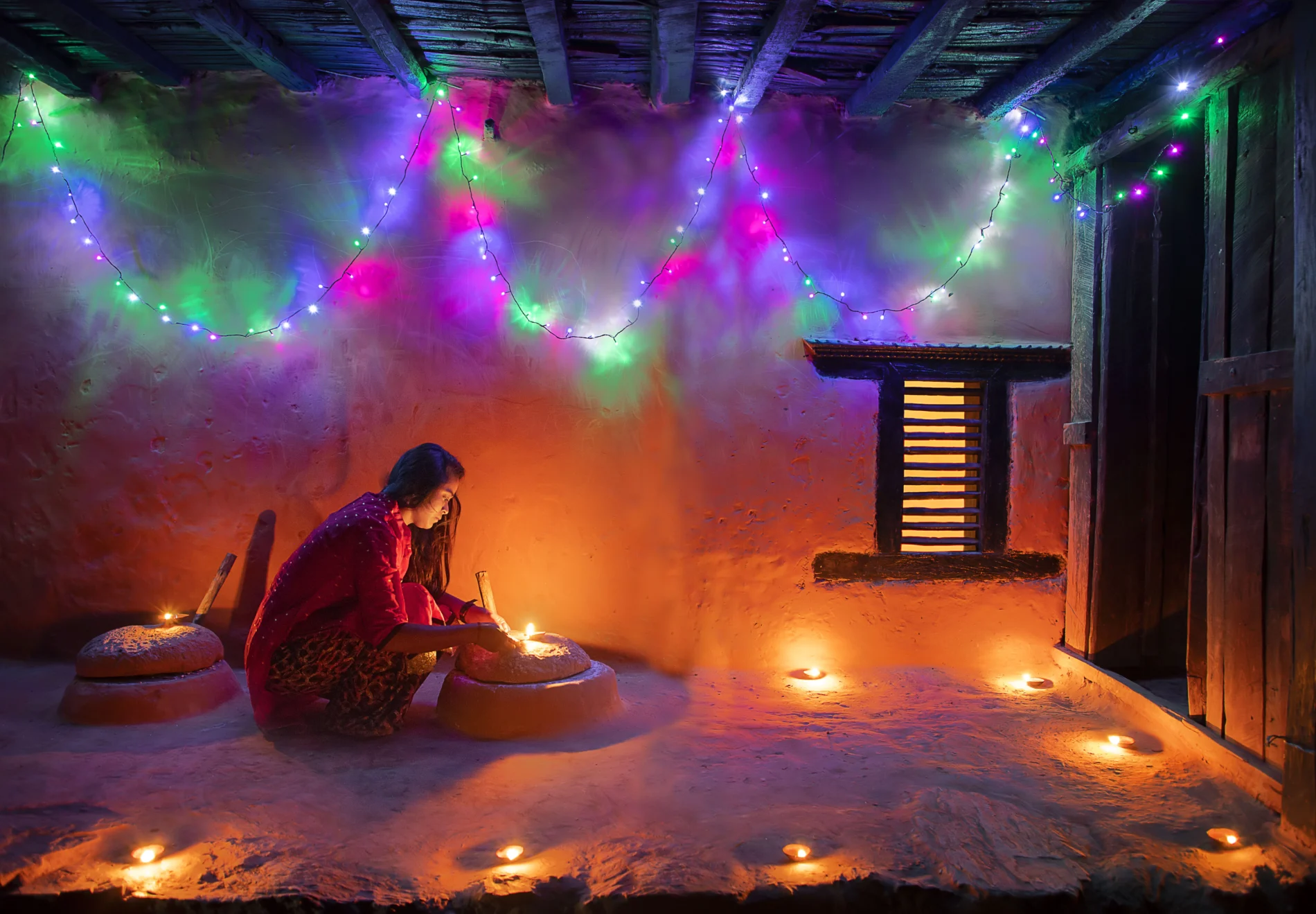
During the festival, almost every house is decorated with rows of oil lamps called diyo, colorful rangoli patterns, and beautiful marigold flower garlands. Meanwhile, groups of children and adults visit homes to sing Deusi Bhailo, a traditional folk performance that spreads happiness throughout neighborhoods. The cheerful atmosphere, traditional music, and warm hospitality make every corner of Nepal feel alive.
Moreover, Tihar usually falls during Nepal’s clear autumn season, when the weather is pleasant and mountain views are at their best. Because of the comfortable climate, many travelers combine cultural exploration with trekking, sightseeing, and village visits. Whether you walk through the lively streets of Kathmandu, admire the heritage of Bhaktapur, or enjoy the peaceful beauty of Pokhara, the Tihar Festival 2026 offers an unforgettable opportunity to experience Nepal’s traditions in their most colorful form.
For travelers, Tihar is much more than a festival to watch it is a celebration to experience. From receiving blessings from local families to tasting homemade festive foods and enjoying traditional songs, every moment creates a deeper connection with Nepal’s rich culture. As a result, visiting Nepal during Tihar becomes a journey filled with light, joy, and memories that last long after the festival ends.
Highlights of Tihar Festival in Nepal
- Celebrate the vibrant Tihar Festival in Nepal, one of the country’s most colorful and meaningful cultural festivals.
- Experience the unique five-day celebration, where each day is dedicated to honoring different animals, nature, and family bonds.
- Witness thousands of glowing oil lamps (diyo) that illuminate homes, temples, and streets across Nepal.
- Admire beautiful rangoli designs and colorful marigold flower decorations at every doorstep.
- Enjoy the lively tradition of Deusi Bhailo, featuring traditional songs, dances, and community celebrations.
- Observe the sacred Laxmi Puja, when families welcome the Goddess of Wealth into their homes.
- Experience the emotional and colorful Bhai Tika, a special ceremony celebrating the bond between brothers and sisters.
- Taste authentic Nepali festive delicacies such as Sel Roti, Anarsa, Malpuwa, Fini, and homemade sweets.
- Explore Kathmandu, Bhaktapur, Patan, Pokhara, Bandipur, and other destinations beautifully decorated for the festival.
- Capture stunning photographs of illuminated temples, colorful streets, traditional rituals, and festive performances.
- Meet friendly local families and experience genuine Nepali hospitality during the Nepal Tihar Festival.
- Travel during Nepal’s pleasant autumn season, when clear skies offer spectacular Himalayan views.
- Learn about ancient Hindu traditions that celebrate harmony between humans, animals, and nature.
- Discover why Tihar Festival 2026 is one of the best times to visit Nepal for both cultural experiences and scenic beauty.
- Create unforgettable memories by participating in one of South Asia’s most welcoming and spiritually rich festivals.
History and Meaning of Tihar Festival
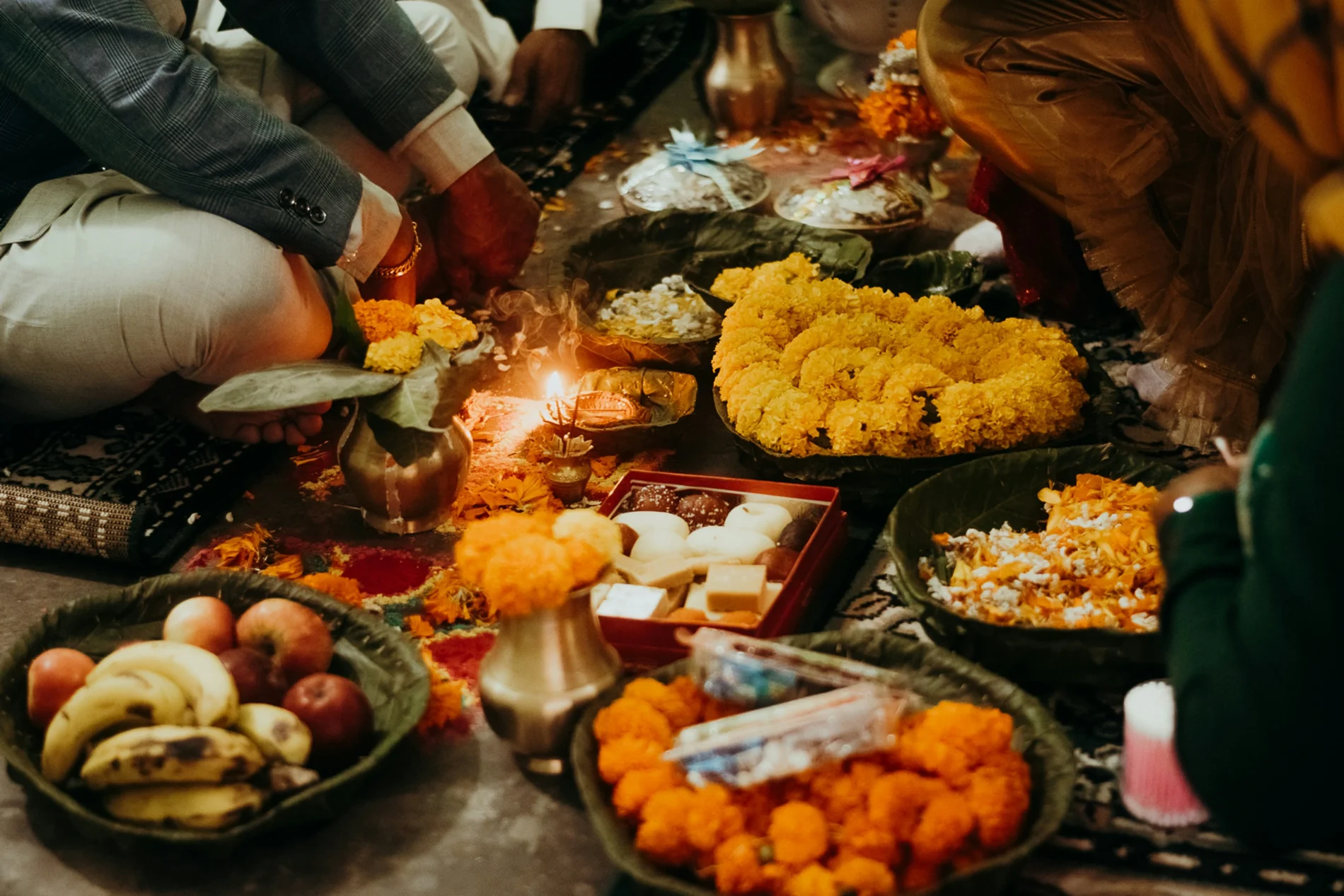
The Tihar Festival in Nepal has been celebrated for centuries and is deeply rooted in Hindu traditions and ancient scriptures. Also known as Yamapanchak or the Festival of Lights, this five-day celebration honors not only gods and goddesses but also the special connection between humans, animals, and nature. Because of its unique customs and spiritual values, Tihar is considered one of the most important festivals in Nepal after Dashain.
According to Hindu mythology, the festival is closely associated with Yama, the God of Death, and his sister Yamuna. It is believed that Yamuna welcomed her brother with flowers, colorful tika, delicious food, and prayers for his long life. Since then, the tradition of Bhai Tika has become the final and most emotional day of Tihar, symbolizing the unbreakable bond between brothers and sisters. Therefore, families gather from different places to celebrate together and exchange blessings, gifts, and love.
Another remarkable aspect of the Nepal Tihar Festival is the respect shown to animals that play important roles in both daily life and Hindu beliefs. Crows are believed to carry messages, dogs represent loyalty and are linked with Yama, cows symbolize prosperity and are worshipped as sacred animals, while oxen are honored for their contribution to agriculture. Although these traditions are ancient, they continue to reflect Nepal’s respect for every living being and its close relationship with nature.
Light is another powerful symbol of Tihar. Throughout the festival, homes, temples, and streets are decorated with rows of oil lamps, candles, and colorful lights to welcome positivity and remove darkness from life. Meanwhile, families create beautiful rangoli designs using colorful powders and flowers to invite Goddess Laxmi, the goddess of wealth and prosperity, into their homes. As a result, every neighborhood becomes bright, cheerful, and full of festive energy.
Today, Tihar Festival 2026 continues to preserve these centuries-old traditions while also bringing people together in modern Nepal. Although cities have become more developed, the spirit of the festival remains unchanged because families still gather, children sing Deusi Bhailo, homes glow with lights, and communities celebrate with joy and gratitude. For travelers, understanding the history and meaning of Tihar offers a deeper appreciation of Nepal’s culture, making the festival much more than a beautiful celebration it becomes an unforgettable cultural experience.
Five Days of Tihar Festival in Nepal
The Tihar Festival in Nepal is celebrated for five special days, and each day carries its own religious meaning and cultural importance. Although every day has different rituals, all celebrations share a common message of respect, gratitude, and togetherness. During these five days, families come together, homes become brighter with lights, and communities celebrate with happiness.
Day 1: Kaag Tihar (Crow Worship)
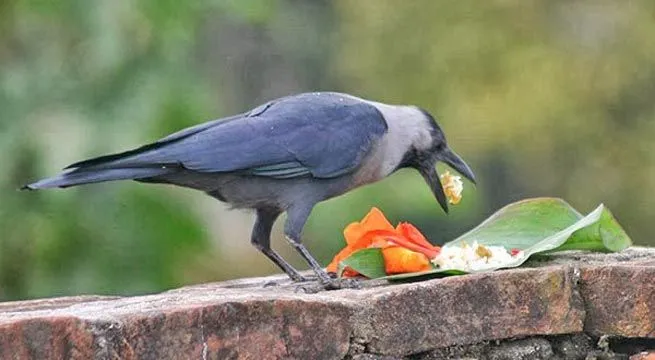
The first day of Tihar is known as Kaag Tihar, which is dedicated to crows. In Hindu belief, crows are considered messengers of Yama, the God of Death. Therefore, people offer food, grains, and sweets to crows because they believe it helps bring protection from negative events and bad news.
During this day, visitors can see people placing food on rooftops, courtyards, and open spaces for crows. Although it may seem like a simple tradition, Kaag Tihar represents Nepal’s deep respect for nature and every living creature.
Day 2: Kukur Tihar (Dog Worship)
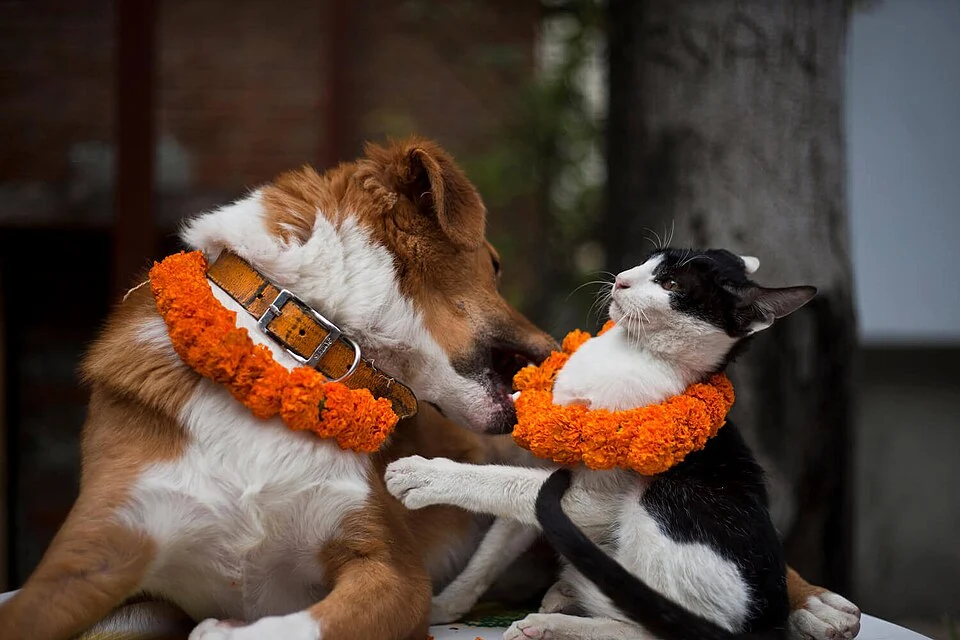
The second day of the Nepal Tihar Festival is called Kukur Tihar, a day dedicated to celebrating the loyalty and friendship of dogs. People decorate dogs with beautiful flower garlands, apply colorful tika on their foreheads, and offer delicious food as a sign of love and respect.
Because dogs are believed to be connected with Yama’s messengers, this tradition has great spiritual importance. However, beyond religious beliefs, Kukur Tihar also reminds everyone about the special relationship between humans and animals.
Day 3: Gai Tihar and Laxmi Puja
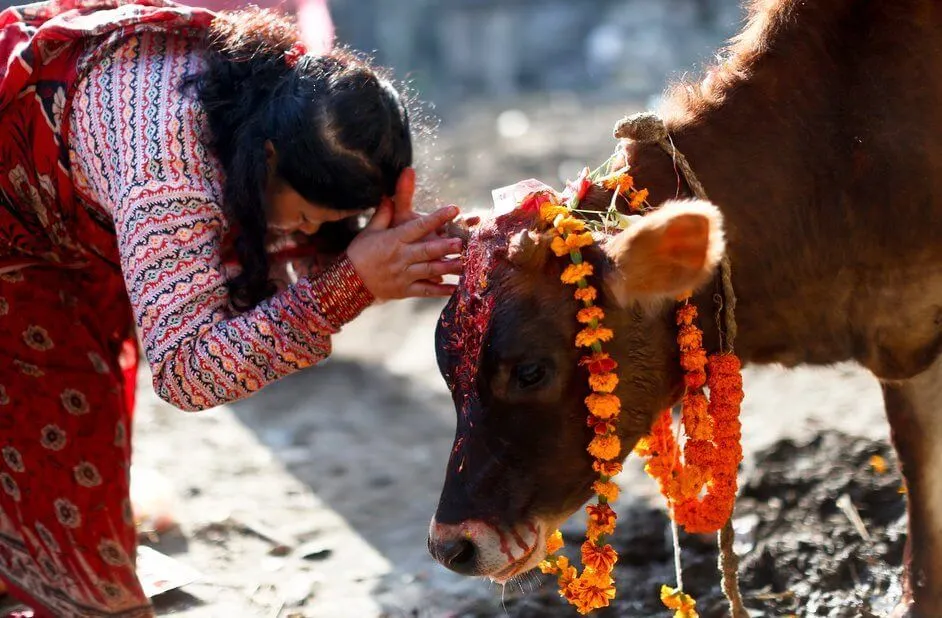
The third day is considered one of the most important days of Tihar. In the morning, people celebrate Gai Tihar, where cows are worshipped as symbols of prosperity, purity, and motherhood. Cows are decorated with flowers, tika, and offered special food.
In the evening, families perform Laxmi Puja to welcome Goddess Laxmi, the goddess of wealth and good fortune. Homes are cleaned, decorated with oil lamps, and colorful rangoli designs are created at entrances to invite prosperity. Meanwhile, the entire neighborhood shines with thousands of lights, creating a magical atmosphere.
Day 4: Govardhan Puja and Mha Puja
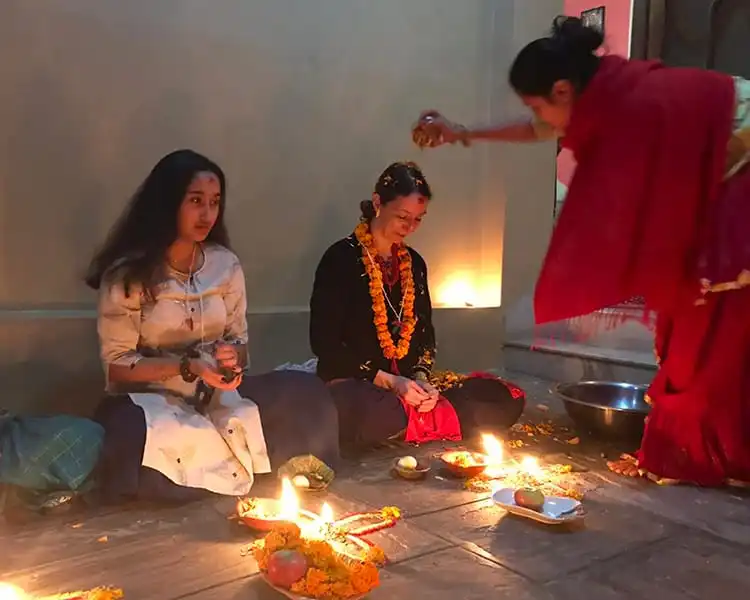
The fourth day has different celebrations depending on cultural traditions. Many communities observe Govardhan Puja, where oxen are worshipped because of their important role in farming and rural life. Farmers express gratitude for the animals that support their daily work.
In the Newar community, this day is celebrated as Mha Puja, which focuses on self-purification and honoring one’s own existence. Families perform special rituals and enjoy traditional Newari foods together, making the celebration even more culturally diverse.
Day 5: Bhai Tika
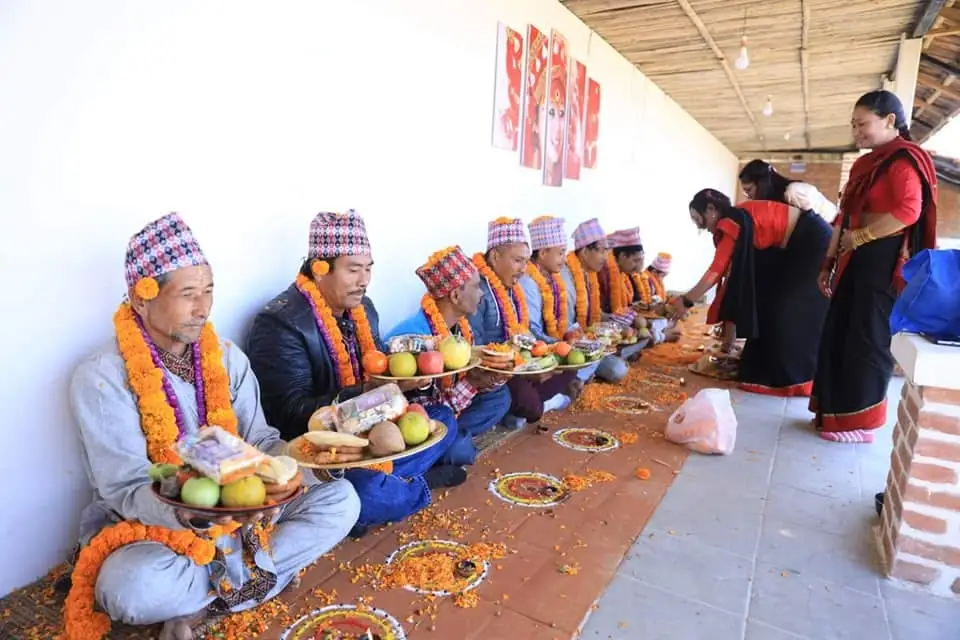
The final day of Tihar is Bhai Tika, the most emotional and widely celebrated part of the festival. On this day, sisters put a colorful seven-colored tika on their brothers’ foreheads and pray for their long life, happiness, and success. Brothers, in return, offer gifts and promise to protect and support their sisters.
Although modern lifestyles have changed many things, the tradition of Bhai Tika remains strong because it represents the lifelong connection between siblings. For travelers experiencing the Tihar Festival 2026, witnessing Bhai Tika provides a beautiful glimpse into Nepalese family values, love, and cultural traditions.
Deusi Bhailo: Nepal’s Traditional Celebration
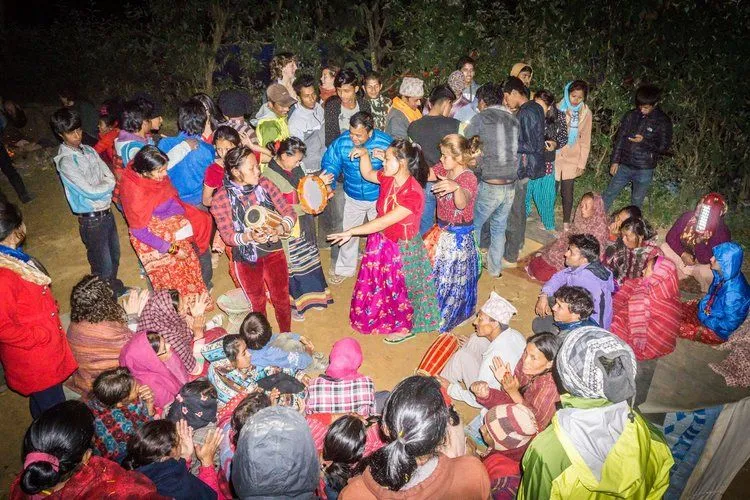
One of the most exciting and memorable parts of the Tihar Festival in Nepal is the traditional performance of Deusi Bhailo. During the festival evenings, groups of children, young people, and local communities visit homes with musical instruments, traditional songs, and joyful dances. They sing blessings and good wishes for the family, while homeowners welcome them with food, money, and gifts.
Deusi Bhailo is more than just entertainment because it represents unity, happiness, and the strong community spirit of Nepal. Although the tradition started many generations ago, it is still practiced in villages, towns, and cities throughout the country. The sound of traditional songs, clapping hands, and laughter creates a festive environment that makes Tihar even more special.
The tradition is usually divided into two forms: Deusi, which is mostly performed by groups of boys or men, and Bhailo, which is traditionally performed by groups of girls or women. However, in modern Nepal, everyone can participate regardless of age or gender. During these performances, people sing cultural songs, dance together, and spread positive energy from one neighborhood to another.
A famous part of Deusi Bhailo is the traditional blessing song where performers praise the household, wishing for happiness, prosperity, and good fortune. Lines such as “Hariyo Aagan, Lipako” describe the beautifully decorated homes prepared for the festival. These songs carry old cultural messages and help preserve Nepal’s traditional identity for future generations.
For travelers visiting Nepal during the Nepal Tihar Festival, watching Deusi Bhailo is a wonderful cultural experience. As you walk through the decorated streets in the evening, you can hear music coming from different homes, see people dancing under colorful lights, and feel the warm hospitality of local communities. Therefore, Tihar becomes not only a festival to observe but also a celebration where visitors can connect with Nepalese culture.
Even today, Tihar Festival 2026 continues to keep this tradition alive because Deusi Bhailo brings people closer and creates unforgettable memories. Whether performed in a small mountain village or a busy city neighborhood, this beautiful tradition remains one of the brightest symbols of Nepal’s festive spirit.
Why Tihar is the Best Time to Visit Nepal
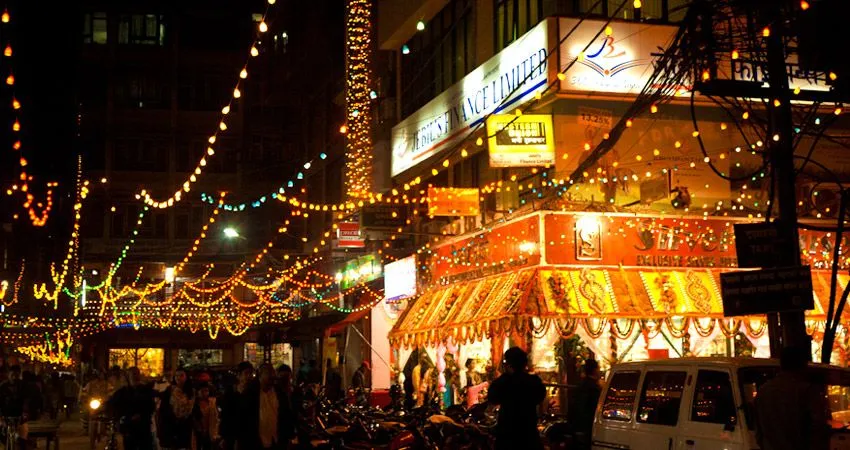
The Tihar Festival in Nepal is one of the best times to visit the country because it offers a perfect combination of culture, pleasant weather, and unforgettable experiences. Celebrated during the autumn season, Tihar usually falls around October or November when Nepal enjoys clear skies, comfortable temperatures, and excellent visibility of the Himalayan ranges. Therefore, travelers can explore Nepal’s natural beauty while also experiencing one of its most colorful festivals.
During Tihar, cities and villages across Nepal transform into vibrant cultural destinations. Streets are decorated with beautiful lights, houses are covered with flower garlands, and temples become full of visitors offering prayers. Although Nepal is beautiful throughout the year, the festive atmosphere during Tihar creates a completely different experience because every place feels more lively and welcoming.
For cultural travelers, the Nepal Tihar Festival provides a chance to understand the traditions and daily lifestyle of local communities. Visitors can witness Laxmi Puja, observe Bhai Tika rituals, enjoy Deusi Bhailo performances, and taste traditional Nepali foods prepared especially during the festival. Moreover, meeting local families and seeing their celebrations offers a deeper connection with Nepal’s rich heritage.
Tihar also arrives during one of the best travel seasons in Nepal. Because the monsoon season has already ended, trekking routes, sightseeing destinations, and mountain viewpoints are generally more enjoyable. Travelers can combine festival experiences with popular activities such as Everest region trekking, Annapurna adventures, cultural tours, and village exploration.
Kathmandu Valley becomes especially attractive during Tihar Festival 2026, with historic areas like Kathmandu, Bhaktapur, and Patan glowing with thousands of lamps and decorations. Meanwhile, destinations like Pokhara, Bandipur, and traditional villages provide a peaceful environment where visitors can enjoy local celebrations away from busy city life.
Another reason to visit Nepal during Tihar is the warm hospitality of Nepali people. Although the festival is deeply connected with local traditions, visitors are often welcomed with smiles, food, and friendly conversations. As a result, traveling during Tihar allows you to experience Nepal not only as a destination but also as a place filled with kindness, culture, and unforgettable moments.
Traditional Foods During Tihar Festival
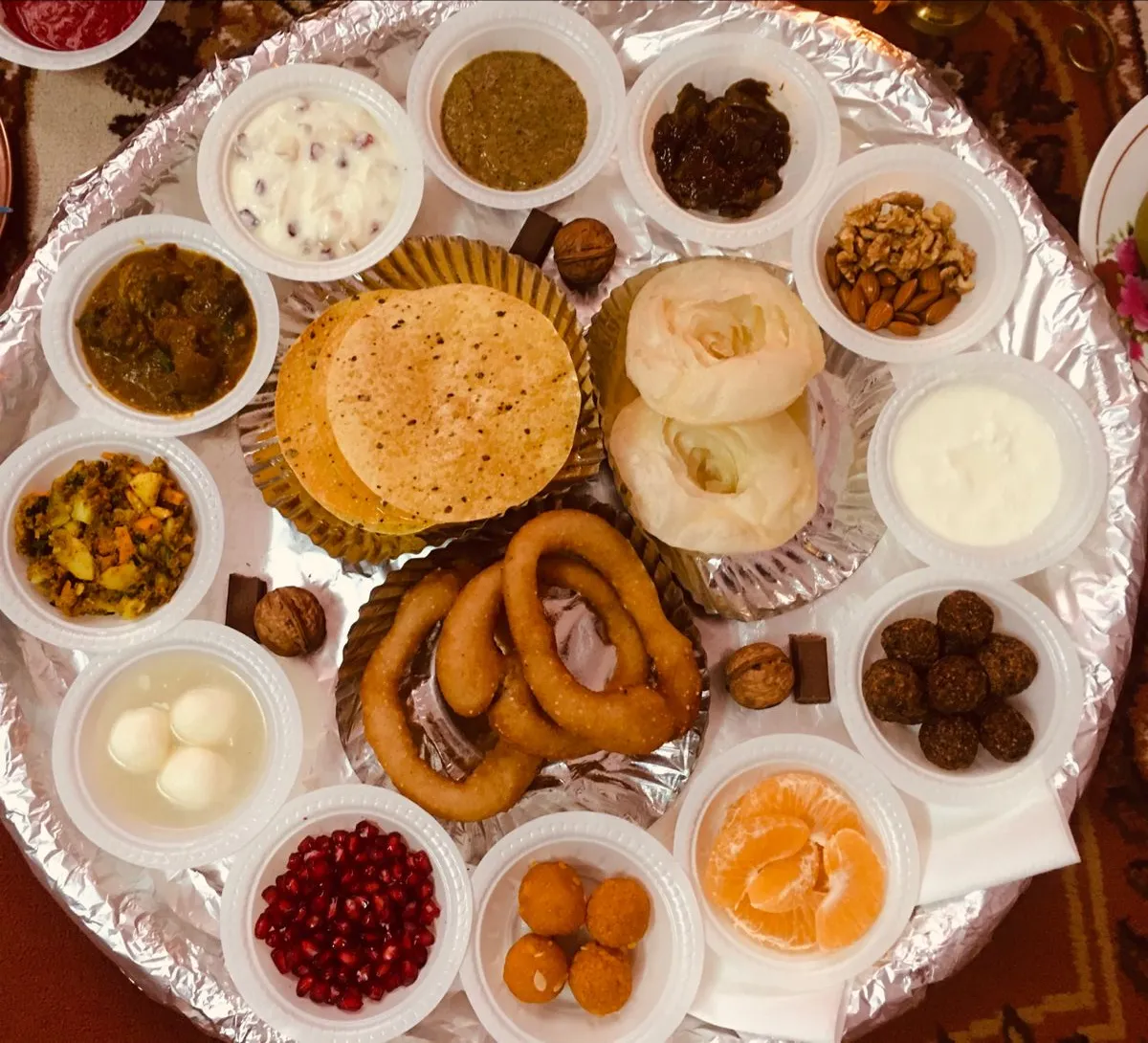
Food plays an important role in every Nepali celebration, and the Tihar Festival in Nepal is incomplete without delicious traditional dishes prepared by families. During this colorful festival, kitchens become busy with the aroma of homemade sweets, snacks, and special meals. Although each community has its own recipes and cooking styles, the main purpose of preparing these foods is to share happiness, welcome guests, and celebrate togetherness.
One of the most popular foods during Tihar is Sel Roti, a traditional Nepali rice flour bread shaped like a ring. It is crispy on the outside, soft on the inside, and is commonly prepared fresh at home during festivals. Families often enjoy Sel Roti with tea, vegetables, pickles, or other festive dishes, making it one of the most loved foods during the Nepal Tihar Festival.
Another important part of Tihar celebrations is homemade sweets. Dishes like Anarsa, Fini, and Malpuwa are prepared in many households because they represent sweetness and joy. Meanwhile, families also prepare different varieties of fruits, nuts, and desserts to offer during Laxmi Puja and share with relatives and visitors.
During Bhai Tika, sisters prepare special food arrangements for their brothers, including traditional meals, sweets, and favorite dishes. This meal is not only about taste but also carries emotional meaning because it represents love, care, and the strong relationship between siblings. Therefore, sharing food becomes an important way of expressing blessings and affection during the festival.
In addition to homemade dishes, different communities add their own unique flavors to Tihar celebrations. The Newar community, for example, prepares various traditional Newari dishes that showcase Nepal’s rich culinary diversity. Although food traditions may differ from one place to another, every dish reflects Nepal’s culture, hospitality, and connection with family.
For travelers visiting during Tihar Festival 2026, trying these traditional foods is a wonderful way to experience Nepalese lifestyle. Whether you enjoy Sel Roti in a local village, taste festive sweets in Kathmandu, or share a meal with a Nepali family, every bite tells a story of tradition, celebration, and warm hospitality.
Best Places to Celebrate Tihar in Nepal
The Tihar Festival in Nepal is celebrated throughout the country, and every destination offers a unique experience filled with lights, traditions, and cultural beauty. Although the festival is celebrated in every village and city, some places provide especially memorable experiences because of their historic importance, local traditions, and festive atmosphere. Therefore, travelers can choose different destinations depending on whether they prefer busy city celebrations or peaceful local experiences.
Kathmandu Valley
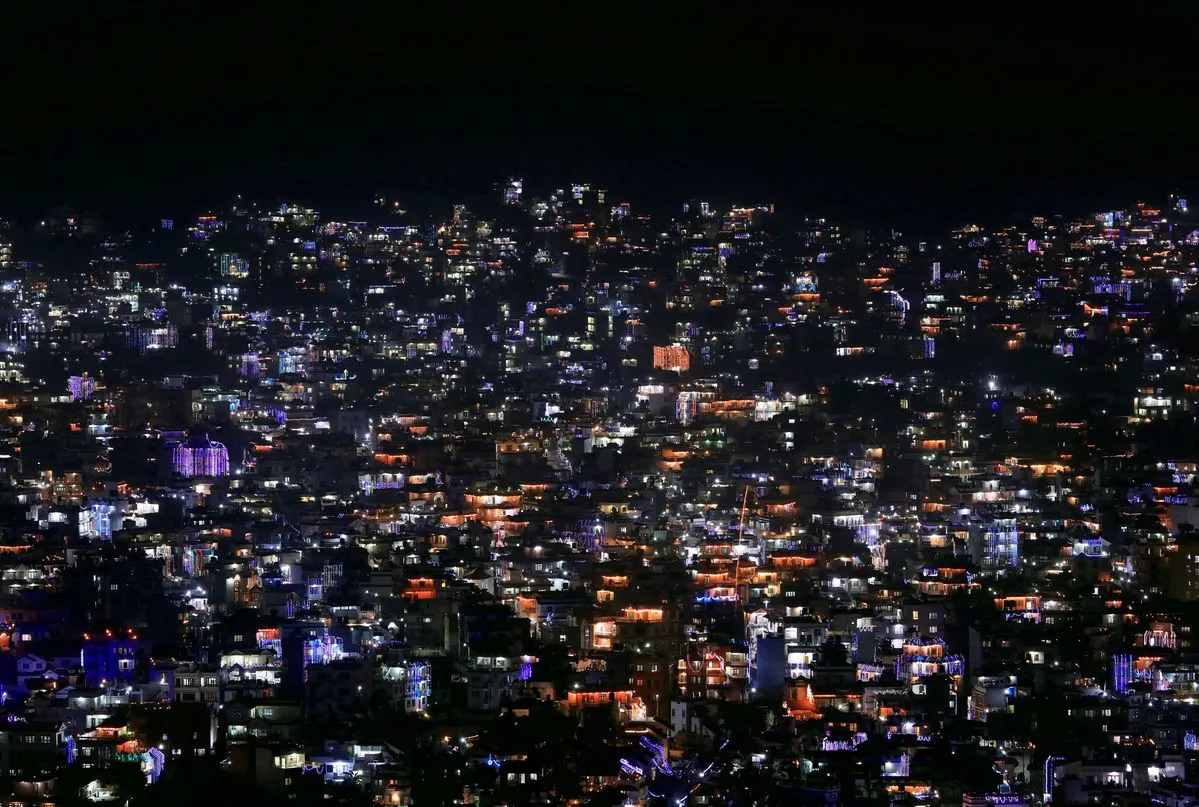
Kathmandu Valley is one of the best places to experience the Nepal Tihar Festival because it combines ancient culture with modern celebrations. During Tihar, the streets of Kathmandu become brighter with colorful lights, decorated houses, and traditional performances. Historic areas such as Durbar Square, Ason, and Thamel become lively places where visitors can observe local traditions and festive decorations.
Nearby cities like Bhaktapur and Patan are also excellent destinations during Tihar. Because these places have preserved their ancient Newari culture, travelers can witness traditional rituals, beautifully decorated courtyards, and unique community celebrations. The combination of heritage sites and festival activities makes the Kathmandu Valley a perfect cultural destination.
Pokhara
Pokhara is another wonderful place to celebrate Tihar Festival 2026 because of its peaceful environment and beautiful natural surroundings. During the festival, the lakeside area, local neighborhoods, and homes are decorated with lights and flowers, creating a warm and relaxing atmosphere.
Although Pokhara is famous for mountain views and adventure activities, Tihar gives visitors a chance to experience the local lifestyle beyond sightseeing. Travelers can enjoy traditional foods, interact with local communities, and witness how families celebrate this important festival.
Bandipur
The historic hill town of Bandipur offers a more traditional and peaceful Tihar experience. With its old Newari architecture, quiet streets, and mountain views, Bandipur provides a beautiful setting for travelers who want to experience Nepalese culture away from crowded cities.
During Tihar, the town becomes decorated with lamps, flowers, and local celebrations. Moreover, the friendly atmosphere allows visitors to connect with villagers and understand traditional Nepalese lifestyles.
Tansen
Tansen, located in western Nepal, is another charming destination to experience Tihar. Known for its cultural heritage and traditional lifestyle, the town celebrates the festival with local rituals, music, and community gatherings. Because fewer tourists visit compared to major cities, travelers can enjoy a more authentic festival experience.
Nepalese Villages
For those seeking a deeper cultural connection, rural villages are among the best places to experience the true spirit of Tihar. In villages, traditions are often preserved more closely, and visitors can see families decorating their homes, preparing festive foods, and performing Deusi Bhailo together.
Although cities offer impressive decorations and activities, village celebrations provide a closer look at Nepal’s traditions and community values. As a result, visiting a village during Tihar Festival in Nepal can become one of the most meaningful cultural experiences for international travelers.
Travel Tips for Visiting Nepal During Tihar Festival
Visiting Nepal during the Tihar Festival in Nepal can be a wonderful cultural experience because travelers get the opportunity to witness traditional celebrations, colorful decorations, and the warm hospitality of local communities. However, proper planning is important because Tihar is one of the biggest festivals in Nepal, and many businesses, transportation services, and local activities may operate differently during the holiday period.
Book Accommodation and Transportation Early
During Nepal Tihar Festival, many Nepali people travel back to their hometowns to celebrate with their families. Therefore, flights, buses, and hotels can become busier than usual. Booking your accommodation and transportation in advance helps you enjoy a smoother journey, especially if you plan to visit popular destinations like Kathmandu, Pokhara, or cultural towns.
Respect Local Traditions
Tihar is a deeply meaningful festival for Nepali people, so visitors should respect local customs and rituals. Although many celebrations are open and welcoming, it is always better to ask for permission before taking photographs during private ceremonies or family rituals. Dressing respectfully and showing interest in local traditions can create positive interactions with communities.
Participate in Cultural Activities
One of the best ways to enjoy Tihar Festival 2026 is by participating in local activities. You can watch Deusi Bhailo performances, observe Laxmi Puja decorations, taste traditional foods, and interact with local people. Moreover, joining these celebrations respectfully allows you to understand Nepalese culture beyond ordinary sightseeing.
Carry Some Local Currency
During the festival period, some shops, restaurants, and small businesses may have limited opening hours. Therefore, carrying enough Nepalese currency is helpful for daily expenses, local transportation, and small purchases. Although major tourist areas accept digital payments in some places, cash remains widely used throughout Nepal.
Plan Your Activities Flexibly
Because Tihar is a family-centered festival, some services may have different schedules during the celebration days. However, this does not mean travel becomes difficult. With flexible planning, visitors can still enjoy sightseeing, cultural experiences, and nearby attractions while experiencing the unique festive environment.
Capture Memories but Stay Mindful
The colorful lights, flower decorations, traditional clothes, and cultural performances during Tihar create amazing photography opportunities. However, travelers should always remember that these are meaningful traditions, not just photo opportunities. Being respectful while capturing moments helps maintain a positive connection with local communities.
Experiencing the Tihar Festival in Nepal is a chance to see the country’s culture, traditions, and family values in their most beautiful form. With good preparation and an open mind, travelers can enjoy a memorable journey filled with lights, celebrations, and unforgettable Nepalese hospitality.
Conclusion
The Tihar Festival in Nepal is more than just a celebration of lights; it is a beautiful expression of love, respect, gratitude, and cultural harmony. From worshipping animals to celebrating the bond between brothers and sisters, every ritual carries a meaningful message that connects people with tradition and nature.
Although Nepal is already known for its mountains, landscapes, and adventure experiences, visiting during Tihar offers a completely different perspective of the country. The glowing oil lamps, colorful decorations, traditional music, and welcoming communities create an atmosphere that travelers can rarely experience anywhere else.
During the Nepal Tihar Festival, visitors can explore historic cities, taste traditional foods, enjoy Deusi Bhailo performances, and become part of Nepal’s vibrant cultural lifestyle. Moreover, the pleasant autumn weather makes this season ideal for combining festival experiences with sightseeing, trekking, and exploring local villages.
The beauty of Tihar Festival 2026 lies in its ability to bring people closer together. Whether you are watching homes shine with hundreds of lamps, sharing a festive meal with locals, or witnessing traditional celebrations in a village, every moment creates a lasting memory.
Therefore, traveling to Nepal during Tihar is not only a holiday experience but also a journey into the heart of Nepalese culture. It allows you to see the country through its traditions, meet its people, and discover the warmth and happiness that make Nepal truly special.
FAQs
1. What is Tihar Festival in Nepal?
Tihar Festival in Nepal is one of the biggest Hindu festivals celebrated with lights, flowers, prayers, and family gatherings. It is also known as the Festival of Lights and celebrates the relationship between humans, animals, nature, and family members.
2. When is Tihar Festival celebrated in Nepal?
Tihar is usually celebrated during October or November according to the lunar calendar. The exact dates change every year because they are based on traditional Nepali and Hindu calendars.
3. How many days does Tihar Festival last?
The Nepal Tihar Festival is celebrated for five days. Each day has a different meaning, including Kaag Tihar, Kukur Tihar, Gai Tihar, Laxmi Puja, Govardhan Puja, and Bhai Tika.
4. Why is Tihar called the Festival of Lights?
Tihar is called the Festival of Lights because people decorate their homes, temples, and streets with oil lamps, candles, and colorful lights. These lights symbolize happiness, prosperity, and the victory of positivity over darkness.
5. What happens during Laxmi Puja in Tihar?
During Laxmi Puja, families clean and decorate their homes, create colorful rangoli designs, light oil lamps, and worship Goddess Laxmi for wealth, prosperity, and good fortune.
6. What is Kukur Tihar in Nepal?
Kukur Tihar is the second day of Tihar when dogs are honored with flower garlands, tika, and special food. This tradition represents respect for dogs and their loyalty toward humans.
7. What is Deusi Bhailo during Tihar?
Deusi Bhailo is a traditional singing and dancing activity performed during Tihar evenings. Groups visit homes, sing cultural songs, offer blessings, and receive food or gifts from households.
8. Can tourists participate in Tihar celebrations?
Yes, tourists can respectfully participate in many Tihar activities. Visitors can enjoy decorations, watch Deusi Bhailo performances, taste traditional foods, and experience local culture.
9. Is Tihar a good time to visit Nepal?
Yes, Tihar Festival 2026 is a wonderful time to visit Nepal because the weather is pleasant, the skies are clear, and travelers can experience Nepal’s rich culture during one of its most beautiful festivals.
10. Which are the best places to experience Tihar in Nepal?
Kathmandu Valley, Bhaktapur, Patan, Pokhara, Bandipur, and traditional villages are some of the best places to experience the colorful celebrations of the Nepal Tihar Festival.
11. What foods are prepared during Tihar?
Popular Tihar foods include Sel Roti, Anarsa, Malpuwa, Fini, sweets, fruits, and various traditional Nepali dishes prepared for family members and guests.
12. Is transportation available during Tihar in Nepal?
Transportation services are generally available, although some schedules may change during the main festival days. Booking transportation early is recommended, especially for long-distance travel.
13. What should travelers know before visiting Nepal during Tihar?
Travelers should respect local traditions, plan bookings early, carry some local currency, and remain flexible because some businesses may operate on different schedules during the festival.
14. Why should travelers experience Tihar Festival in Nepal?
Experiencing Tihar allows travelers to discover Nepal’s traditions, family values, local lifestyle, and cultural beauty while enjoying a festival filled with lights, music, and happiness.
15. Can Tihar be combined with trekking or sightseeing in Nepal?
Yes, Tihar can be combined with trekking, cultural tours, and sightseeing because it falls during Nepal’s beautiful autumn season when many destinations offer clear mountain views and comfortable travel conditions.