Rainbow Valley Everest: The Deadliest Spot of Mount Everest Explained
Share:

 Read Time
This blog has 2618 words .This blog has 17424 characters.This blog take 9 minutes to read.
What if the most beautiful mountain on Earth also hides one of its most heartbreaking stories?
Standing proudly above the clouds, Mount Everest has always attracted adventurers from every corner of the world. However, beyond its breathtaking views and dream of reaching the summit, Everest also holds a silent reminder of the challenges faced by climbers in the harshest environment on the planet.
Known among climbers as Rainbow Valley Everest, this mysterious area is located in the high-altitude death zone above 8,000 meters, where extreme cold, thin air, and unpredictable weather make survival incredibly difficult. Although the name sounds peaceful and colorful, the story behind it reflects the courage, dreams, and sacrifices of those who attempted to conquer the world’s highest peak.
The colorful climbing suits, oxygen cylinders, and equipment left behind on the mountain create the appearance of a “rainbow” against the snow and rocks. However, this place is not a normal destination for trekkers; it represents one of the most dangerous sections connected with the Everest climbing route.
Through this blog, we will explore the real story behind Rainbow Valley Everest, why it is called the Deadliest Spot of Everest, and how this hidden side of the mountain tells a powerful story about human determination and respect for nature.
What Is Rainbow Valley Everest?
When people hear the name Rainbow Valley Everest, they often imagine a beautiful hidden valley filled with colorful landscapes. However, the reality is much deeper and more emotional because Rainbow Valley is not an officially named valley on Everest maps. It is a term used by climbers to describe a high-altitude area in the Everest death zone, where the colorful climbing suits, jackets, and equipment of climbers can be seen against the white snow and rocky mountain slopes.
Located above 8,000 meters, Rainbow Valley is connected with one of the most challenging sections of the Everest climbing route. Although there is no exact boundary that defines this area, it is generally associated with the upper slopes of Mount Everest, where climbers face some of the harshest conditions on Earth.
The name “Rainbow Valley” comes from the bright colors visible in this extreme environment. Because of the freezing temperatures and difficult conditions, climbing gear and suits can remain visible for many years, creating a striking contrast with the surrounding snow. However, behind this colorful appearance lies a serious reminder of the risks and challenges faced by Everest climbers.
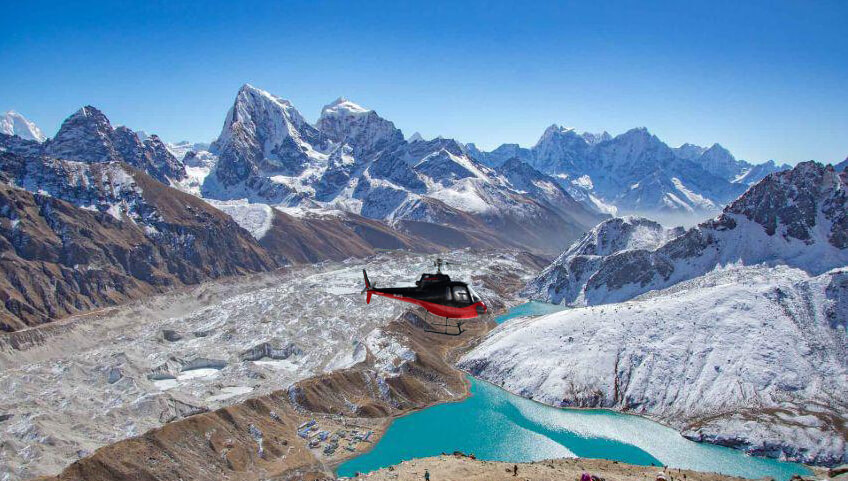
Everest Base Camp and Gokyo Lakes Trek with Heli Return – 15 days
The Everest Base Camp and Gokyo Lakes Trek with Helicopter Return is a spectacular 15-day Himalayan adventure that combines...
Duration:
15 days
Max altitude:
5,545 m at Kalapatthar
Although the name sounds peaceful, Rainbow Valley represents one of the most difficult parts of the Everest journey. It tells stories of human courage, determination, and the respect required when facing the world’s highest mountain.
For regular trekkers, Rainbow Valley is not a place included in the Everest Base Camp Trek route. Trekkers can experience the beauty of the Everest region through destinations like Everest Base Camp and Kala Patthar, while Rainbow Valley remains part of the extreme climbing zone reached only by experienced mountaineers attempting the Everest summit.
Why Is Rainbow Valley Called the Deadliest Spot of Everest?
Mount Everest is known as the highest mountain in the world, but reaching its summit is one of the most challenging adventures on Earth. Rainbow Valley is often called the Deadliest Spot of Everest because it lies in the extreme high-altitude zone where the human body struggles to survive. Above 8,000 meters, climbers enter what is known as the “death zone,” where oxygen levels are very low and the body cannot properly recover.
At this altitude, even simple movements become extremely difficult because the air contains much less oxygen compared to sea level. Although climbers use supplemental oxygen and follow careful plans, freezing temperatures, strong winds, sudden weather changes, and exhaustion can create life-threatening situations within a short time.
Another major challenge is the difficulty of rescue operations. Because Rainbow Valley is located in one of the highest and most dangerous parts of Everest, helicopters cannot easily reach this area, and carrying injured climbers down from such heights is extremely complicated. Therefore, climbers must make important decisions while dealing with physical and mental pressure.
However, Rainbow Valley is not only a symbol of danger; it also represents the incredible determination of people who dream of standing on top of the world. Every climber who enters this region understands the risks involved because Everest demands patience, preparation, experience, and deep respect for nature.
Why Is This Place Called Rainbow Valley?
The name Rainbow Valley Everest comes from the unusual sight created by colorful climbing equipment scattered across the snowy slopes of the mountain. In the harsh environment of Everest’s high-altitude zone, bright-colored down suits, jackets, backpacks, tents, oxygen cylinders, and other climbing gear create a striking contrast against the white snow and dark rocks, giving the area a rainbow-like appearance.
Although the name sounds like a beautiful natural place filled with colors, the reality behind it is much more serious. Rainbow Valley is not a valley with flowers or colorful landscapes; instead, it is a nickname used by climbers for a section of Everest’s upper slopes in the death zone above 8,000 meters, where conditions are extremely difficult for human survival.
The colorful appearance of this area also tells stories of the many climbers who have attempted to reach the summit of Mount Everest. Because temperatures remain extremely low and weather conditions are harsh, some climbing equipment and suits can remain visible for many years, creating the unique scene that inspired the name “Rainbow Valley.”
However, this rainbow is not a symbol of an easy journey. It represents both the dreams and sacrifices connected with Everest climbing, reminding people that behind every successful summit there are stories of courage, preparation, and respect for the world’s highest mountain.
The Story and History Behind Rainbow Valley Everest
Behind the name Rainbow Valley Everest lies a powerful story of human ambition, courage, and the challenges of climbing the world’s highest mountain. For decades, Everest has attracted climbers from different countries who dream of reaching the summit at 8,848.86 meters, but the mountain has also tested the limits of human endurance because of its extreme environment.
Many climbers who attempted to conquer Everest have faced dangerous situations in the high-altitude zone. Some were unable to return because of severe weather, exhaustion, altitude-related problems, or unexpected challenges during their expedition. Their colorful climbing suits and equipment later became part of the landscape that gave this area its famous nickname.
Starts from
USD 1,777
A Peaceful Journey to Renjo La Pass Trek
The Renjo La Pass Trek is one of the most rewarding trekking adventures in Nepal for travelers who want...
Duration:
15 days
Max altitude:
5,360 m
Although Rainbow Valley is often discussed because of its tragic connection, it is also a place that reflects the passion and dedication of mountaineers. Every expedition carries a story of preparation, teamwork, and respect for the mountain, because climbing Everest is not only about reaching the summit but also about understanding nature’s power.
Over the years, improvements in climbing equipment, weather forecasting, and expedition planning have helped many climbers safely complete their Everest journey. However, the upper slopes of Everest remain one of the most demanding environments on Earth, reminding everyone that even the strongest human efforts must respect the limits of nature.
Can Trekkers Visit Rainbow Valley Everest?
Many adventure lovers become curious about visiting Rainbow Valley Everest after learning about its mysterious history. However, it is important to understand that Rainbow Valley is not a regular trekking destination and is not included in popular routes like the Everest Base Camp Trek. The area lies far above the normal trekking trails, in one of the most extreme sections of the Everest climbing route.
Trekkers can explore the beauty of the Everest region through destinations such as Namche Bazaar, Tengboche, Dingboche, Everest Base Camp, and Kala Patthar. Although these places offer incredible views of Mount Everest and the surrounding Himalayan peaks, Rainbow Valley remains beyond these locations in the high-altitude climbing zone.
Reaching this area requires advanced mountaineering skills, proper acclimatization, specialized equipment, and an official Everest climbing expedition permit. Because conditions above 8,000 meters can change quickly, only experienced climbers with proper preparation attempt to enter this challenging section.
For regular travelers, the best way to understand the story of Rainbow Valley is through a responsible Everest region trek. Standing near Everest Base Camp or watching the sunrise from Kala Patthar allows visitors to experience the greatness of Everest while respecting the dangers faced by those who climb toward the summit.
Rainbow Valley and the Importance of Responsible Everest Travel
The story of Rainbow Valley Everest reminds every traveler that the Himalayas are not only places of beauty but also environments that require deep respect. Although Everest attracts thousands of trekkers and climbers every year, the mountain remains powerful and unpredictable because of its extreme altitude, weather conditions, and fragile ecosystem.
Responsible travel plays an important role in protecting the Everest region. Trekkers should follow local guidelines, respect mountain culture, avoid unnecessary waste, and understand the challenges of high-altitude environments. Because even lower-altitude trekking routes can be physically demanding, proper preparation and responsible decisions are essential for a safe and enjoyable journey.

Starts from
USD 1,250
Everest Panorama Trek – 09 days
The Everest Panorama Trek – 09 Days is the perfect choice if you want to experience the beauty of...
Duration:
09 days
Max altitude:
3,860 meters at Hotel Everest View
Although most visitors will never reach the high climbing zones of Everest, learning about places like Rainbow Valley helps them understand the true nature of the mountain. Everest is not only about reaching a destination; it is about appreciating the journey, respecting local communities, and recognizing the courage of those who take on the ultimate climbing challenge.
For adventure seekers, the Everest region offers unforgettable experiences through trekking routes, traditional Sherpa villages, and breathtaking Himalayan landscapes. By traveling responsibly, visitors can enjoy the beauty of Everest while helping preserve this remarkable region for future generations.
Why Choose Silver Moon Adventure and Tour for Your Everest Journey?
Exploring the Everest region is a dream for many adventure lovers, but a successful Himalayan journey requires proper planning, experience, and reliable support. Although places like Everest Base Camp offer incredible views and unforgettable moments, high-altitude trekking needs careful preparation because weather, terrain, and altitude can create unexpected challenges.
Silver Moon Adventure and Tour focuses on creating safe, comfortable, and memorable trekking experiences in the Himalayas. With experienced local guides, well-planned itineraries, and proper guidance throughout the journey, travelers can explore the beauty of the Everest region with confidence and peace of mind.
Every mountain journey is different, and understanding local culture, trails, and conditions makes the experience even more meaningful. Therefore, choosing a trusted trekking partner helps travelers enjoy the breathtaking landscapes, traditional Sherpa villages, and incredible views of the world’s highest mountains while traveling responsibly.
Whether you are planning an Everest Base Camp Trek or exploring other Himalayan adventures, proper preparation and expert support can turn your dream journey into a lifetime memory. The mountains always demand respect, and a well-organized adventure allows you to experience their beauty in the best possible way.
Conclusion: Understanding the Real Story of Rainbow Valley Everest
Rainbow Valley Everest is more than just a name connected with the world’s highest mountain. Although it is known as one of the most dangerous areas of Everest, it also represents the courage, passion, and determination of climbers who have challenged one of nature’s greatest wonders.
The colorful sights that gave this place its unique name carry a deeper message about the power of the Himalayas. Everest offers incredible beauty, but it also reminds every visitor that nature must always be respected because even the most experienced climbers can face unexpected challenges at extreme altitudes.
For trekkers exploring the Everest region, the journey is not only about reaching a destination but also about experiencing the culture, landscapes, and spirit of the Himalayas. While Rainbow Valley remains part of the climbing world, the Everest region continues to welcome travelers who want to witness the magic of the mountains in a safe and responsible way.
The story of Rainbow Valley teaches us that Everest is not only a peak to conquer; it is a place that inspires respect, humility, and appreciation for human determination. Every trail, village, and mountain view in the Everest region carries a story waiting to be discovered.
FAQs
1. What is Rainbow Valley Everest?
Rainbow Valley Everest is a nickname used by climbers for a high-altitude area in the Everest death zone above 8,000 meters. It is known for the colorful climbing suits and equipment visible on the mountain slopes, which create a rainbow-like appearance against the snow.
2. Why is Rainbow Valley called the Deadliest Spot of Everest?
Rainbow Valley is considered one of the most dangerous areas of Everest because it lies in the death zone, where oxygen levels are extremely low and weather conditions can change quickly. Extreme cold, strong winds, exhaustion, and difficult rescue conditions make survival very challenging.
3. Can trekkers visit Rainbow Valley during Everest Base Camp Trek?
No, Rainbow Valley is not part of the regular Everest Base Camp Trek route. The area is located much higher on the mountain and can only be reached by experienced climbers attempting Everest expeditions with proper equipment and permits.
4. Why does Rainbow Valley have colorful objects on Everest?
The colorful appearance comes from climbing suits, jackets, tents, and other equipment left in the high-altitude area. Due to freezing temperatures and harsh conditions, some items can remain visible for many years.
5. Is Rainbow Valley an official place on the Everest map?
No, Rainbow Valley is not an officially named geographical location. It is a commonly used term among climbers and adventure communities to describe a specific area of Everest’s upper slopes.
6. What can trekkers experience instead of Rainbow Valley?
Trekkers can experience the beauty of the Everest region through famous destinations like Namche Bazaar, Tengboche, Dingboche, Everest Base Camp, and Kala Patthar. These areas provide incredible Himalayan views and a safe way to experience the spirit of Everest.
7. Is Rainbow Valley visible from Everest Base Camp?
No, Rainbow Valley is not visible from the normal Everest Base Camp area. It is located much higher on the mountain, in the extreme climbing section above 8,000 meters, while Everest Base Camp sits at a much lower altitude.
8. How high is Rainbow Valley Everest?
Rainbow Valley is located in the Everest death zone, which begins above approximately 8,000 meters. The exact location is not officially defined because it is a nickname used by climbers rather than a mapped destination.
9. Why is climbing above 8,000 meters so dangerous?
Above 8,000 meters, the human body cannot properly adapt because of the extremely low oxygen level. Climbers face difficulties such as exhaustion, frostbite, altitude-related problems, and rapidly changing weather conditions.
10. Do Everest climbers still pass through Rainbow Valley?
Some climbers attempting Everest may pass through areas associated with Rainbow Valley depending on their chosen route and expedition path. However, it is not a separate stop or destination during an Everest climb.
11. Is Rainbow Valley only on the Nepal side of Everest?
The term Rainbow Valley is commonly associated with Everest’s high-altitude climbing areas, especially the northern side of the mountain. However, the exact meaning and location can vary because it is not an official geographical name.
12. How many people have died while climbing Mount Everest?
More than 300 climbers have lost their lives while attempting Mount Everest since expeditions began. The number changes over time as new climbing seasons continue, and each incident reflects the serious challenges of high-altitude mountaineering.
13. Is Everest Base Camp Trek dangerous compared to Rainbow Valley?
Everest Base Camp Trek is challenging because of altitude, weather, and long walking days, but it is very different from climbing above 8,000 meters. Rainbow Valley belongs to the extreme climbing zone, where conditions are far more severe.
14. What is the main lesson from Rainbow Valley Everest?
Rainbow Valley reminds us that Everest is not only about adventure and achievement but also about respect for nature, proper preparation, and understanding the risks involved in high-altitude environments.