


Best Time for Trekking in Nepal
Share:
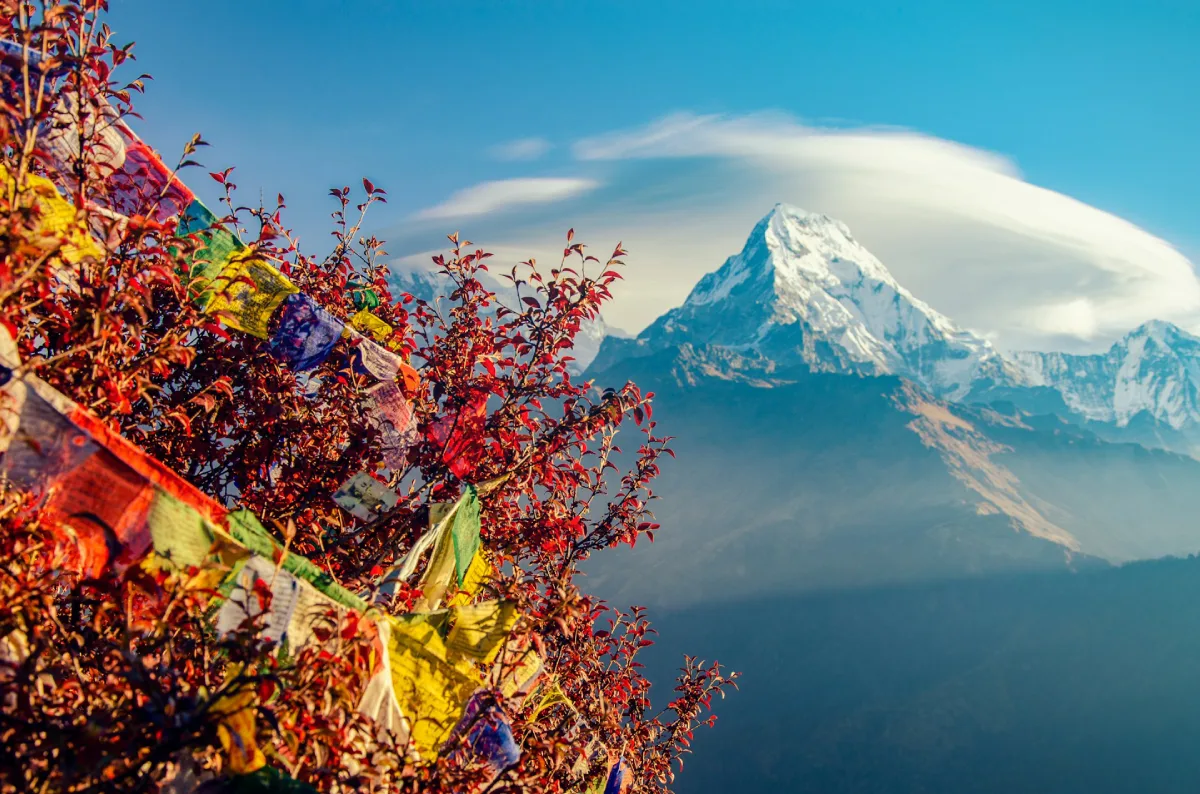
The best time to trek in Nepal depends on your travel goals, weather preferences, and the type of trekking experience you want. Nepal is one of the most popular trekking destinations in the world, attracting thousands of travelers every year to explore its majestic Himalayas, peaceful mountain trails, and rich cultural villages.
The ideal trekking season is not the same for everyone. Some months offer crystal-clear views of towering peaks like Everest and Annapurna, while others provide lush green landscapes and quieter trails away from crowds. Weather conditions, temperature, and visibility change throughout the year, which directly affects your trekking experience.
Generally, spring and autumn are considered the most favorable seasons for trekking in Nepal due to stable weather and excellent mountain visibility. However, winter and monsoon seasons also offer unique experiences for adventurous trekkers who prefer fewer crowds and different natural beauty.
In this guide, you will discover a complete breakdown of Nepal’s trekking seasons, month-by-month weather conditions, and the best time for popular trekking routes. This will help you choose the perfect time for your Himalayan adventure.
Why Choosing the Best Time for Trekking in Nepal Matters
Choosing the right time for trekking in Nepal plays a major role in shaping your overall mountain experience. The Himalayas offer completely different conditions throughout the year, and even a small change in season can affect weather, visibility, trail safety, and comfort. That is why understanding the timing of your trek is just as important as choosing the route itself.
Weather affects your trekking experience
Weather in Nepal changes a lot depending on the season. Clear skies make trekking enjoyable, Weather is one of the biggest factors that impacts your journey. Nepal’s mountain regions experience rapid weather changes, and conditions can shift from sunny skies to rain or snow within a short time. Clear weather makes trekking more enjoyable and safe, especially on high-altitude trails, while bad weather can make paths slippery and difficult to navigate.
Mountain views depend on the season
Mountain views also depend heavily on the season you choose. If your goal is to see the Himalayas in their full glory, you need to trek during months when the skies are clear. During these periods, peaks like Everest, Annapurna, and Langtang appear sharp and stunning. In contrast, cloudy seasons may hide these views completely.
Comfort and crowd levels vary
Comfort and crowd levels are another important consideration. Peak trekking seasons attract many travelers, which means busier trails and limited accommodation. Off-season trekking offers more solitude and lower costs, but it also brings weather challenges. Balancing these factors helps you choose the best time for your trekking experience in Nepal.
During peak seasons, trails become busy, and lodges fill quickly. Off-season trekking offers peace but comes with weather challenges. So, choosing the right time helps you balance comfort, cost, and experience.
Nepal Trekking Seasons Overview
Nepal offers four distinct trekking seasons, and each season creates a very different experience for trekkers. The best time to trek in Nepal depends on what you want from your journey—clear mountain views, peaceful trails, green landscapes, or budget-friendly travel.
Spring Season (March to May)
Spring is one of the best trekking seasons in Nepal. The weather stays warm and stable, making it perfect for long hikes.
During this season, rhododendron forests bloom with red, pink, and white flowers. Trails look colorful and fresh. The skies are usually clear in the morning, and temperatures remain comfortable even at higher altitudes.
Spring is ideal for popular treks like Everest Base Camp, Annapurna Base Camp, and Langtang Valley.
Best for: Nature lovers, photographers, and moderate trekkers
Monsoon Season (June to August)
Monsoon brings heavy rainfall across most parts of Nepal. Trails become muddy and slippery, and clouds often block mountain views.
However, this season also has some advantages. The landscapes turn green and fresh, waterfalls become powerful, and trekking routes are less crowded.
Some regions like Upper Mustang and Dolpo lie in rain-shadow areas, making them suitable even during monsoon.
Best for: Experienced trekkers and offbeat adventure seekers
Autumn Season (September to November)
Autumn is widely considered the best trekking season in Nepal. The weather becomes stable after monsoon, and the skies turn crystal clear.
This is the peak season for trekking. You get the best mountain views, perfect temperatures, and excellent trail conditions. Most trekkers choose this time for Everest Base Camp and Annapurna Circuit.
However, since it is the busiest season, lodges and flights get booked quickly.
Best for: First-time trekkers and classic Himalayan routes
Winter Season (December to February)
Winter brings cold temperatures, especially at higher elevations. Snow covers many trekking routes, and some high passes may close.
But winter trekking still offers a peaceful experience. Trails are quiet, skies are often clear, and lower-altitude treks become very enjoyable.
Trekking routes like Ghorepani Poon Hill, Langtang Valley, and Mardi Himal are still accessible in winter.
Best for: Budget travelers and solitude seekers
Nepal Trekking Weather by Month
Understanding monthly weather helps you choose the perfect trekking time.
January – Cold Winter Trekking
January is cold in most trekking regions. High-altitude areas are covered with snow. However, lower-altitude treks remain possible. Trails are quiet, and you can enjoy peaceful walking conditions.
February – Slowly Warming Up
February starts to get slightly warmer. Snow begins to melt at lower elevations. It is a good time for short and less crowded treks.
March – Start of Spring Season
March marks the beginning of spring trekking in Nepal. The weather improves, and rhododendron flowers start blooming. It is a great time to start Himalayan adventures.
April – One of the Best Trekking Months
April is one of the best months for trekking in Nepal. The weather stays stable, and visibility is excellent. Mountain views are sharp and clear. This is one of the most recommended months for trekking.
May – Warm and Pre-Monsoon
May is warmer, especially at lower altitudes. Pre-monsoon clouds may appear in the afternoon, but mornings are still good for trekking.
June – Monsoon Begins
June marks the beginning of monsoon. Rainfall increases, especially in the lower regions. However, rain-shadow areas like Mustang remain good options.
July – Heavy Rainfall Month
July is one of the wettest months in Nepal. Landslides can occur in some regions. Trekking becomes difficult in most popular routes.
August – Monsoon Continues
August continues the monsoon season, but rainfall slowly starts to decrease by the end of the month. Trails are green and quiet.
September – Transition to Autumn
September is the transition month from monsoon to autumn. Rain stops, skies clear up, and trekking conditions improve quickly.
October – Peak Trekking Season
October is the peak trekking month in Nepal. Weather is perfect, skies are clear, and mountain views are at their best. This is the most popular time for trekking.
November – Stable and Clear
November is also a great trekking month. Weather remains stable, and visibility is still excellent. Trails are slightly less crowded than October.
December – Start of Winter
December starts winter. Temperatures drop, especially at night. However, trekking is still possible in lower regions with proper gear.
Best Trekking Season in Nepal: Spring vs Autumn
When planning your Himalayan adventure, choosing between spring and autumn is one of the most important decisions. Both seasons are widely considered the best trekking season in Nepal, but they offer very different experiences depending on what you are looking for.
Weather Conditions
Spring (March to May) brings warm temperatures and stable weather across most trekking regions. The days are comfortable, and nature feels fresh and alive. In contrast, autumn (September to November) offers the most stable and predictable weather of the year. Skies remain clear, and rainfall is minimal, making it ideal for long trekking routes.
Mountain Views
Spring provides good visibility of the Himalayas, especially in the mornings, along with colorful landscapes filled with blooming rhododendrons and greenery. Autumn, however, delivers the sharpest and clearest mountain views, making peaks like Everest, Annapurna, and Langtang look more dramatic and defined.
Trail Conditions
During spring, trekking trails are dry, pleasant, and filled with natural beauty. Autumn trails are even more stable and well-maintained after the monsoon season, offering smooth walking conditions across all major routes.
Crowd Levels
Spring sees a moderate number of trekkers, allowing a balanced experience. Autumn is the peak trekking season, so popular routes can become very crowded.
Final Choice
If you love flowers, greenery, and a vibrant natural setting, spring is perfect for you. But if your main goal is crystal-clear Himalayan views and perfect trekking conditions, autumn is the best time to trek in Nepal.
If you want flowers and fresh landscapes, choose spring. If you want the clearest mountain views, choose autumn.
Best Time for Popular Treks in Nepal
Different trekking routes in Nepal have different ideal seasons because of altitude, weather patterns, and trail conditions. Choosing the right time helps you stay safe, enjoy better views, and complete your trek comfortably.
Everest Base Camp Trek
The best time for Everest Base Camp Trek is March to May and September to November. During these months, the weather stays stable and the skies remain clear. You can enjoy stunning views of Everest and surrounding peaks. Trails are busy but well-managed, making it a great choice for first-time Himalayan trekkers.
Annapurna Base Camp Trek
The Annapurna Base Camp Trek is best in spring and autumn. These seasons offer clear mountain views, pleasant temperatures, and beautiful natural scenery. Rhododendrons bloom in spring, while autumn provides crisp Himalayan visibility.
Annapurna Circuit Trek
The ideal time for the Annapurna Circuit Trek is autumn, especially for safely crossing Thorong La Pass. Stable weather and clear skies make long-distance trekking more enjoyable and safer during this season.
Langtang Valley Trek
The Langtang Valley Trek is best in spring and autumn. These seasons offer comfortable temperatures, clear mountain views, and safe trail conditions. It is also less crowded compared to Everest and Annapurna regions.
Mardi Himal Trek
The Mardi Himal Trek is ideal from October to April. This period offers clear views of Machhapuchhre and Annapurna ranges. Fewer crowds make the experience more peaceful and personal.
Manaslu Circuit Trek
The Manaslu Circuit Trek is best in spring and autumn. These seasons provide stable weather, which is important for high-altitude trekking and crossing mountain passes safely.
Upper Mustang Trek
The Upper Mustang Trek is unique because it lies in a rain-shadow region. The best time is May to October, especially during the monsoon season when most of Nepal experiences heavy rain. This area stays dry and accessible, offering a rare desert-like Himalayan landscape.
Can You Trek in Nepal During Monsoon?
Yes, but it depends on the region.
Advantages
Monsoon trekking offers green landscapes, fewer crowds, and lower costs. You also get a peaceful experience without tourist rush.
Challenges
Rain makes trails slippery. Leeches are common in lower forests. Landslides can also disrupt routes.
Best monsoon trekking regions
- Upper Mustang
- Dolpo
- Nar Phu Valley
These areas stay dry because they lie in rain-shadow zones.
Winter Trekking in Nepal: Is It Worth It?
Winter trekking is challenging but rewarding.
Benefits
- Clear skies
- Peaceful trails
- Fewer tourists
Challenges
- Very cold temperatures
- Snow-covered trails
- Limited teahouses in high areas
Best winter treks
- Ghorepani Poon Hill
- Langtang Valley
- Mardi Himal Trek
- Helambu Trek
Factors to Consider Before Choosing Your Trekking Time
Choosing the best time to trek in Nepal is not only about picking a season—it also depends on your personal needs, fitness level, and trekking goals. Understanding these factors will help you select the right time for a safer and more enjoyable Himalayan experience.
Your experience level
If you are a beginner, you should plan your trek during spring (March to May) or autumn (September to November). These seasons offer stable weather, clear trails, and better safety conditions. Experienced trekkers may also try winter or monsoon treks, but beginners should avoid extreme weather conditions.
Altitude
High-altitude treks like Everest Base Camp or Manaslu Circuit require stable weather for safety. You should always choose seasons with predictable conditions, such as spring and autumn, to reduce risks like snowstorms or altitude-related challenges.
Budget
If you want a budget-friendly trekking experience, off-season months like winter and monsoon offer lower prices for accommodation and guides. However, these months come with weather challenges, so you must be prepared for limited comfort and changing trail conditions.
Trekking goals
Your purpose also affects the timing. If you want clear Himalayan photography and best mountain views, choose autumn or spring. If you prefer quiet trails and fewer tourists, off-season trekking may suit you better.
Fitness level
Weather directly impacts trekking difficulty. Hot, cold, or wet conditions can increase fatigue. You should choose a season that matches your fitness level to ensure a comfortable and safe trekking experience in Nepal.
Essential Tips for Trekking in Nepal
- Always check weather forecasts before trekking
- Pack warm and waterproof clothes
- Drink enough water during the trek
- Take time to acclimatize at higher altitudes
- Buy travel insurance before your trip
- Hire a local guide for safety and better experience
- Respect local culture and environment
Conclusion
The best time for trekking in Nepal depends on your goals. If you want the best weather and mountain views, choose autumn. If you prefer colorful landscapes and pleasant temperatures, spring is perfect.
Monsoon and winter also offer unique experiences for those who want fewer crowds and adventure challenges.
No matter when you go, trekking in Nepal always offers unforgettable memories, beautiful landscapes, and a deep connection with the Himalayas.
Frequently Asked Questions (FAQs)
What is the best time for trekking in Nepal?
The best time is spring (March to May) and autumn (September to November).
Which month is best for clear mountain views?
October offers the clearest views of the Himalayas.
Can beginners trek in Nepal?
Yes, beginners can trek in spring and autumn seasons.
Is monsoon trekking safe?
It is safe only in rain-shadow areas like Upper Mustang.
What is the cheapest time to trek?
Winter and monsoon seasons are usually cheaper.
Is October crowded in Nepal?
Yes, October is the busiest trekking month.

Similar Blogs
View all
05/05/2026
Experience the Journey with Silver Moon
Travel is not just about reaching a destination—it’s about the journey, the stories, and the...
Read more
24/04/2026
Adventure Activities You Must Try in Nepal
Nepal is known worldwide as an adventure destination. From the high Himalayas to fast-flowing rivers...
Read more