


Trekking in Nepal: Ultimate Guide to Routes, Seasons, Costs, and Permits
Share:
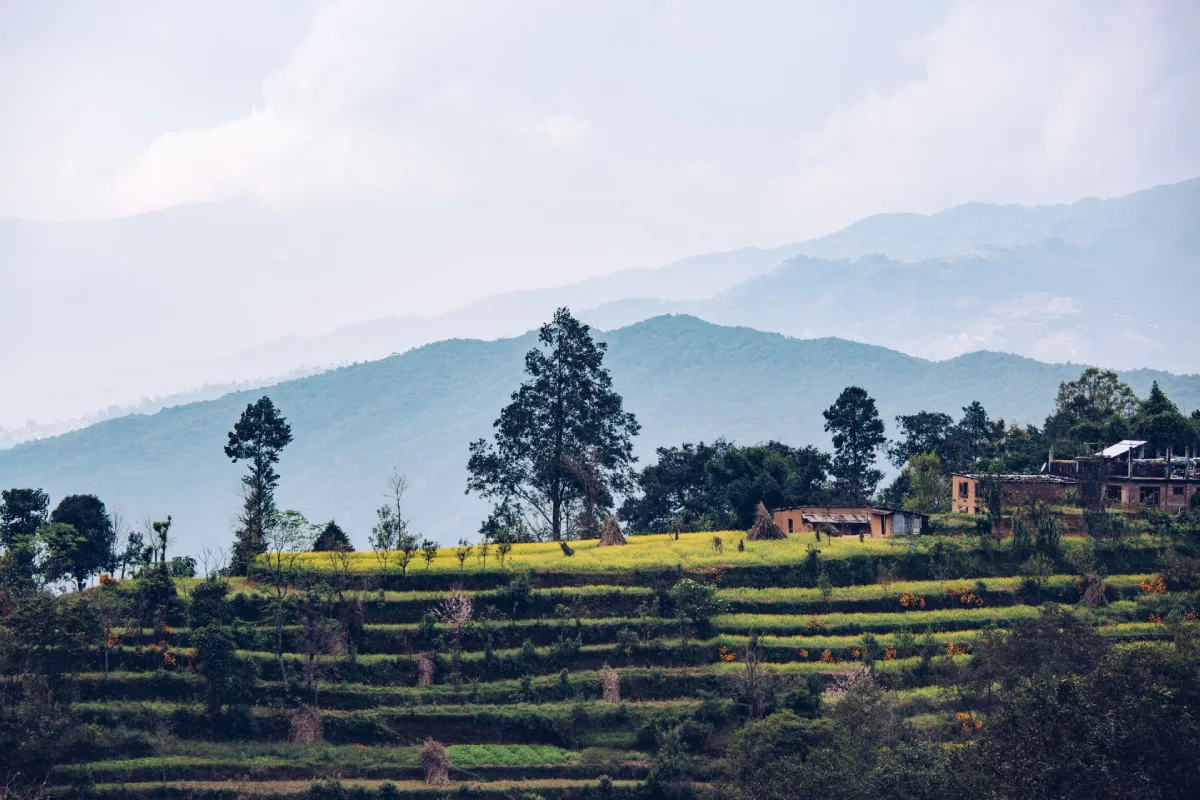
Nepal is a dream destination for trekkers from around the world. Home to eight of the world’s fourteen highest mountains, including Mount Everest, the country offers an unmatched combination of breathtaking landscapes, rich cultural experiences, and unforgettable Himalayan adventures. Whether you are a beginner looking for a short scenic hike or an experienced trekker seeking a challenging high-altitude expedition, trekking in Nepal provides countless opportunities to explore some of the most spectacular mountain trails on Earth.
From the iconic Everest Base Camp Trek to hidden gems such as the Manaslu Circuit and Mardi Himal Trek, Nepal trekking routes cater to every travel style and fitness level. This comprehensive guide covers everything you need to know about trekking in Nepal, including the best trekking routes, permits, costs, seasons, packing tips, and safety advice.
Why Choose Trekking in Nepal?
Nepal has earned its reputation as one of the world’s top trekking destinations for several compelling reasons. From the towering peaks of the Himalayas to the warm hospitality of mountain communities, every trek offers a unique blend of adventure, culture, and natural beauty. Whether you are seeking breathtaking mountain views, cultural encounters, or a personal challenge, Nepal provides an unforgettable trekking experience for every type of traveler.
Home to the World’s Highest Mountains
The Himalayas dominate Nepal’s landscape and include Mount Everest (8,848.86 meters), the highest peak on Earth. Trekkers can enjoy incredible views of Everest, Annapurna, Dhaulagiri, Manaslu, Kanchenjunga, and many other snow-capped giants. These majestic mountains create some of the most scenic trekking trails in the world, attracting adventure seekers, photographers, and nature lovers year after year.
Diverse Trekking Routes
One of the biggest advantages of Nepal trekking is the variety of trails available. You can choose from:
- Easy village treks
- Moderate tea house treks
- High-altitude mountain adventures
- Remote wilderness expeditions
- Luxury trekking holidays
Rich Cultural Experiences
Trekking in Nepal is not just about mountains. Trails pass through traditional villages inhabited by Sherpas, Gurungs, Tamangs, Rai, and other ethnic communities. Trekkers experience local customs, ancient monasteries, colorful festivals, and warm Himalayan hospitality.
Affordable Adventure Travel
Compared to many trekking destinations worldwide, Nepal offers exceptional value. Accommodation, meals, transportation, and guide services remain affordable, making Nepal accessible for budget and luxury travelers alike.
Best Trekking Routes in Nepal
Nepal features hundreds of trekking routes, but several stand out as favorites among travelers. Each trail offers a unique combination of mountain scenery, cultural experiences, and varying levels of difficulty, allowing trekkers to choose an adventure that matches their interests and fitness level.
Everest Base Camp Trek
The Everest Base Camp Trek is one of the most famous trekking routes in Nepal. The journey takes trekkers through the heart of the Khumbu region, offering stunning views of Everest, Lhotse, Ama Dablam, and Nuptse.
Highlights:
- Everest Base Camp (5,364m)
- Kala Patthar viewpoint
- Namche Bazaar
- Tengboche Monastery
- Sherpa culture
Duration: 12–16 days
Difficulty: Moderate to Challenging
Annapurna Circuit Trek
The Annapurna Circuit Trek remains one of the most diverse trekking experiences in the Himalayas. Trekkers pass through lush forests, deep valleys, alpine meadows, and high mountain deserts.
Highlights:
- Thorong La Pass (5,416m)
- Muktinath Temple
- Manang Village
- Diverse landscapes
Duration: 12–20 days
Difficulty: Moderate to Challenging
Annapurna Base Camp Trek
This trek takes travelers directly into the heart of the Annapurna Sanctuary, surrounded by towering Himalayan peaks.
Highlights:
- Annapurna Base Camp
- Machhapuchhre Base Camp
- Rhododendron forests
- Traditional Gurung villages
Duration: 7–12 days
Difficulty: Moderate
Langtang Valley Trek
Located north of Kathmandu, the Langtang Valley Trek offers excellent mountain scenery and rich Tamang culture.
Highlights:
- Kyanjin Gompa
- Langtang National Park
- Yak pastures
- Glaciers and alpine landscapes
Duration: 7–10 days
Difficulty: Moderate
Manaslu Circuit Trek
The Manaslu Circuit Trek is perfect for those seeking a less crowded Himalayan experience.
Highlights:
- Larkya La Pass
- Remote mountain villages
- Authentic local culture
- Stunning Himalayan views
Duration: 14–18 days
Difficulty: Challenging
Mardi Himal Trek
The Mardi Himal Trek has quickly become one of the best short treks in Nepal.
Highlights:
- Mardi Himal Base Camp
- Close-up views of Machhapuchhre
- Peaceful trails
- Scenic ridges
Duration: 5–7 days
Difficulty: Moderate
Ghorepani Poon Hill Trek
Ideal for beginners, families, and travelers with limited time.
Highlights:
- Sunrise from Poon Hill
- Annapurna panorama
- Comfortable tea houses
- Easy accessibility
Duration: 4–6 days
Difficulty: Easy to Moderate
Best Time for Trekking in Nepal
Choosing the right season significantly impacts your trekking experience. Weather conditions, mountain visibility, trail accessibility, and overall comfort can vary greatly throughout the year. Understanding the characteristics of each season will help you plan a safer and more enjoyable trek in Nepal.
Spring (March to May)
Spring is one of the most popular seasons for trekking in Nepal.
Benefits include:
- Blooming rhododendron forests
- Pleasant temperatures
- Excellent visibility
- Stable weather
Autumn (September to November)
Autumn is widely considered the best time for trekking in Nepal.
Advantages include:
- Crystal-clear mountain views
- Dry weather
- Comfortable temperatures
- Peak trekking conditions
Winter (December to February)
Winter trekking offers unique advantages.
Benefits:
- Fewer crowds
- Clear skies
- Lower accommodation costs
Challenges:
- Cold temperatures
- Snow at higher elevations
Monsoon (June to August)
Although less popular, some regions remain suitable during the monsoon.
Best monsoon treks include:
- Upper Mustang
- Dolpo
- Nar Phu Valley
Trekking in Nepal for Beginners
Many people assume Himalayan trekking is only for experienced hikers, but Nepal offers excellent beginner-friendly options. Several trekking routes feature well-established trails, comfortable tea houses, and manageable daily walking distances. With proper preparation and a steady pace, even first-time trekkers can enjoy the beauty of the Himalayas and gain a rewarding mountain experience.
Recommended Beginner Treks
- Ghorepani Poon Hill Trek
- Mardi Himal Trek
- Langtang Valley Trek
- Australian Camp Trek
- Helambu Trek
Fitness Preparation
Before your trek:
- Walk regularly for several weeks
- Practice uphill hiking
- Improve cardiovascular fitness
- Strengthen leg muscles
First-Time Trekker Tips
- Walk slowly
- Stay hydrated
- Follow acclimatization schedules
- Listen to your guide
- Carry essential medications
Trekking Permits Required in Nepal
Most trekking routes in Nepal require specific permits issued by government authorities to regulate tourism, support conservation efforts, and ensure the safety of trekkers. The type of permit required depends on the trekking region, with some areas requiring national park permits, conservation area permits, or special restricted area permits.
TIMS Card
The Trekkers’ Information Management System (TIMS) helps authorities track trekkers for safety purposes.
Conservation Area Permits
Popular trekking regions require conservation permits, including:
- Annapurna Conservation Area Permit (ACAP)
- Langtang National Park Permit
- Sagarmatha National Park Permit
Restricted Area Permits
Special permits apply to restricted regions such as:
- Manaslu
- Upper Mustang
- Upper Dolpo
- Kanchenjunga
Always verify current permit requirements before your trek.
Cost of Trekking in Nepal
The cost of trekking varies depending on the route, duration, and travel style. Factors such as permit fees, transportation, accommodation, meals, and the use of guides or porters can significantly influence your overall budget. Understanding these expenses in advance will help you plan a trekking experience that suits both your preferences and financial expectations.
Permit Costs
Permit fees generally range from $20 to $200 depending on the trekking area.
Guide and Porter Costs
Average daily rates:
- Guide: $25–40 per day
- Porter: $20–30 per day
Accommodation
Tea house accommodation typically costs:
- $5–15 per night
- Higher prices at greater elevations
Food Expenses
Daily food costs usually range from:
- $15–35 per day
Transportation
Transportation costs depend on your trekking region:
- Tourist buses
- Domestic flights
- Private vehicles
- Jeep services
Estimated Trekking Budget
Budget Trekker: $30–50 per day
Mid-Range Trekker: $60–100 per day
Luxury Trekker: $150–300+ per day
Guided Trekking in Nepal vs Independent Trekking
Benefits of Hiring a Guide
Hiring a guide offers numerous advantages:
- Enhanced safety
- Better navigation
- Cultural insights
- Emergency assistance
- Logistical support
Advantages of Independent Trekking
Independent trekkers enjoy:
- Greater flexibility
- Lower costs
- Personal adventure experience
Which Option is Better?
For first-time visitors, guided trekking in Nepal is generally the safest and most rewarding option.
Essential Packing List for Nepal Trekking
Packing properly can greatly improve your trekking experience.
Clothing
- Moisture-wicking shirts
- Trekking pants
- Down jacket
- Waterproof jacket
- Thermal layers
Footwear
- Trekking boots
- Comfortable camp shoes
- Hiking socks
Trekking Equipment
- Trekking poles
- Backpack
- Sleeping bag
- Headlamp
- Water bottles
Health and Safety Items
- First aid kit
- Sunscreen
- Lip balm
- Water purification tablets
- Personal medications
Documents
- Passport
- Permits
- Travel insurance
- Emergency contacts
Safety Tips for Trekking in Nepal
Prevent Altitude Sickness
Altitude sickness remains one of the biggest challenges in high-altitude trekking.
To reduce risk:
- Ascend gradually
- Stay hydrated
- Avoid alcohol
- Schedule acclimatization days
Monitor Weather Conditions
Mountain weather changes quickly. Always check forecasts and follow local advice.
Purchase Travel Insurance
Ensure your policy covers:
- High-altitude trekking
- Helicopter evacuation
- Emergency medical treatment
Trek Responsibly
Stay on marked trails and follow guide instructions at all times.
Tea House Trekking in Nepal
Tea house trekking is one of Nepal’s most popular trekking styles.
What is a Tea House?
Tea houses are family-run lodges located along trekking routes.
Accommodation Facilities
Most tea houses offer:
- Basic private rooms
- Shared bathrooms
- Dining halls
- Charging facilities
Food Options
Common meals include:
- Dal Bhat
- Noodles
- Fried rice
- Soups
- Pancakes
- Tea and coffee
Benefits of Tea House Trekking
- Affordable accommodation
- Cultural interaction
- Convenient logistics
- Comfortable overnight stays
Sustainable and Responsible Trekking
Responsible tourism helps preserve Nepal’s natural and cultural heritage.
Respect Local Culture
- Dress modestly
- Ask before taking photos
- Respect religious sites
Reduce Plastic Waste
- Carry reusable water bottles
- Avoid single-use plastics
Support Local Communities
- Stay in local tea houses
- Hire local guides
- Purchase local products
Follow Leave No Trace Principles
- Carry out waste
- Stay on trails
- Protect wildlife habitats
Popular Nepal Trekking Packages
Short Treks (3–7 Days)
- Ghorepani Poon Hill Trek
- Mardi Himal Trek
- Helambu Trek
Moderate Treks (8–14 Days)
- Annapurna Base Camp Trek
- Langtang Valley Trek
- Everest View Trek
Long Himalayan Expeditions (15+ Days)
- Everest Base Camp Trek
- Annapurna Circuit Trek
- Manaslu Circuit Trek
Luxury Trekking Holidays Nepal
Luxury treks include:
- Premium lodges
- Private guides
- Helicopter transfers
- Enhanced comfort and services
Conclusion
Trekking in Nepal offers far more than a mountain adventure. It combines breathtaking Himalayan landscapes, vibrant local cultures, welcoming hospitality, and unforgettable experiences. Whether you dream of reaching Everest Base Camp, crossing the legendary Thorong La Pass, or enjoying a peaceful sunrise from Poon Hill, Nepal has a trekking route for every traveler.
With proper planning, the right season, and a spirit of adventure, your Nepal trekking journey can become one of the most rewarding travel experiences of your lifetime. Start preparing today and discover why trekking in Nepal continues to inspire adventurers from every corner of the world.
Frequently Asked Questions
Is trekking in Nepal safe?
Yes. With proper planning, adequate preparation, and responsible trekking practices, Nepal remains one of the safest trekking destinations in the world.
Do I need a guide for trekking in Nepal?
Many trekking regions now require licensed guides, and guides significantly improve safety and overall experience.
What is the best trek for beginners?
The Ghorepani Poon Hill Trek and Mardi Himal Trek are excellent choices for beginners.
How much does trekking in Nepal cost?
Costs typically range from $30 to $300+ per day depending on your trekking style and destination.
What is the best month for trekking in Nepal?
October is often considered the best month because of its clear skies, stable weather, and excellent visibility.
How difficult is trekking in Nepal?
Difficulty varies widely. Nepal offers easy treks suitable for beginners as well as demanding high-altitude expeditions.
What permits do I need for Nepal trekking?
Permit requirements depend on the trekking region and may include TIMS cards, national park permits, conservation area permits, and restricted area permits.

Similar Blogs
View all
05/05/2026
Experience the Journey with Silver Moon
Travel is not just about reaching a destination—it’s about the journey, the stories, and the...
Read more
24/04/2026
Adventure Activities You Must Try in Nepal
Nepal is known worldwide as an adventure destination. From the high Himalayas to fast-flowing rivers...
Read more