

Manaslu Circuit Trek – 14 days
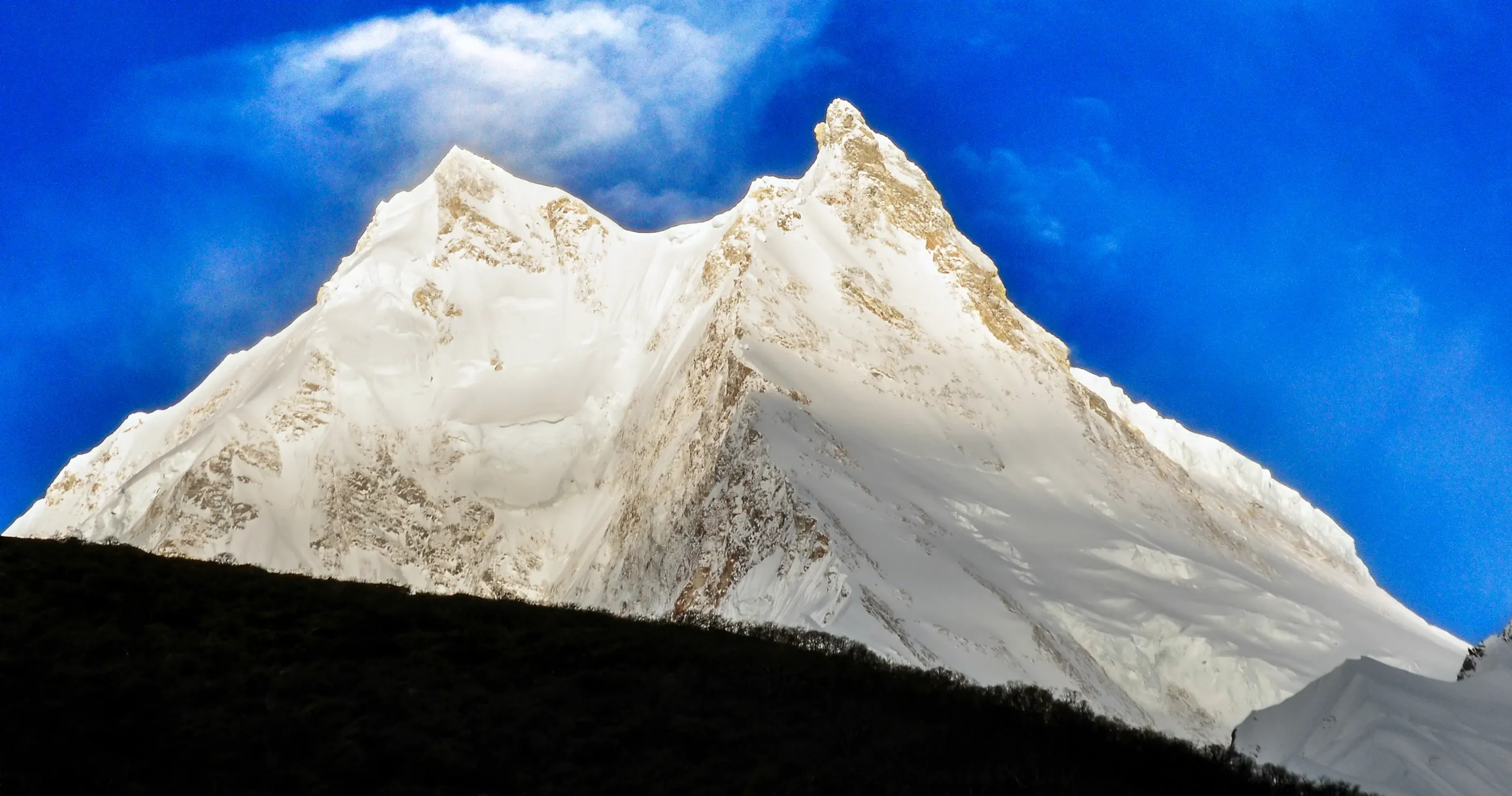
The Manaslu Circuit Trek is one of the most beautiful and adventurous trekking journeys in Nepal & takes you around Mount Manaslu, the world's eighth-highest mountain at 8,163 meters (26,781 feet).

Silver Moon Adventure and Tours
Offering Himalayan treks, peak climbs, and cultural tours across Nepal, Tibet, Bhutan & Thailand.

23 Days

5,416m at Thorong La Pass

Tourist Bus / Shared Jeep

Moderate to Challenging

Trekking

Machha Khola / Muktinath

Spring (March - May) & Autumn (late September - November)

Full board during trek (Breakfast, Lunch, Dinner)

Hotels (Kathmandu & Pokhara), Teahouses during trek
The 23 Days Manaslu and Annapurna Circuit Trek is one of Nepal’s most spectacular and rewarding trekking adventures, combining two of the country’s most iconic Himalayan trekking routes into one unforgettable journey. This epic trek takes you through remote mountain valleys, ancient Tibetan-influenced villages, high mountain passes, sacred monasteries, dramatic landscapes, and some of the most breathtaking mountain scenery in the world.
If you are looking for a complete Himalayan experience that combines adventure, culture, natural beauty, and high-altitude trekking, this trek offers everything you could ask for.
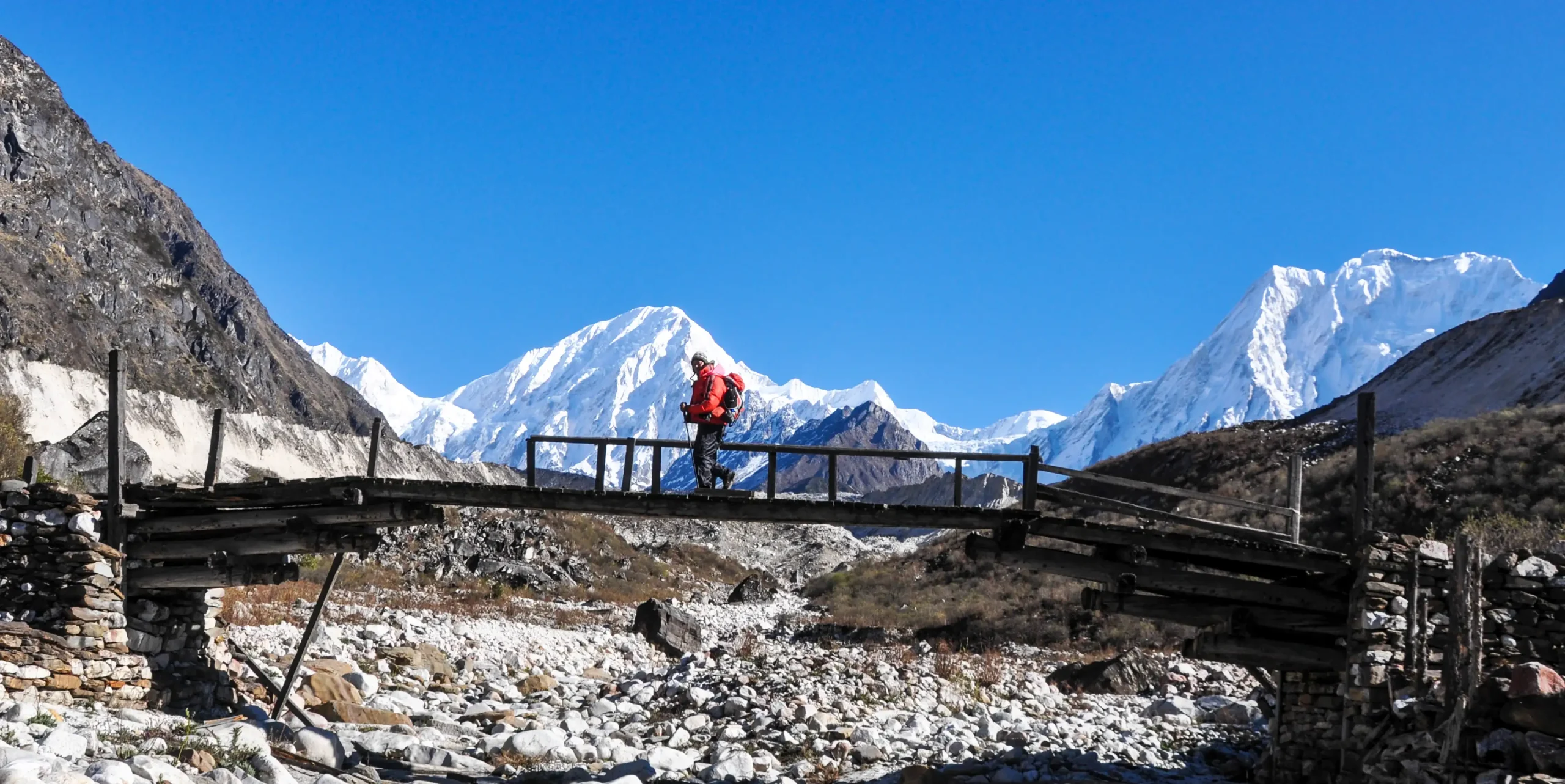
Your journey begins in Kathmandu, then continues to Machha Khola, the gateway to the remote Manaslu region. Following the Budhi Gandaki River, you trek through lush forests, suspension bridges, terraced farmland, waterfalls, and traditional Gurung and Tibetan communities. Unlike many of Nepal’s busier trekking routes, the Manaslu region remains relatively untouched, offering a more authentic and peaceful trekking experience.
As you gradually gain altitude, the landscape begins to change. The dense forests start to thin, and you see more of the alpine meadows, rugged mountain terrain, and snow-capped peaks. Along the way, you pass through villages such as Jagat, Deng, Namrung, Lho, Sama Gaun, and Samdo, where Tibetan Buddhist culture and centuries-old traditions are still very much a part of daily life.
One of the major highlights of the trek is your stay in Sama Gaun, one of the most beautiful villages in the Manaslu region. Here, you spend an important acclimatization day exploring either Manaslu Base Camp or Pungyen Gompa while enjoying magnificent views of Mount Manaslu (8,163m), the eighth-highest mountain in the world.
The adventure continues as you make your way to Dharamsala, the final settlement before crossing the spectacular Larkya La Pass (5,106m). Widely regarded as one of Nepal’s most scenic mountain passes, Larkya La rewards trekkers with breathtaking panoramic views of Himlung Himal, Cheo Himal, Kang Guru, Annapurna II, and numerous surrounding Himalayan peaks. After crossing the pass, the trail descends into the beautiful valley of Bimthang before joining the world-famous Annapurna Circuit.
From Dharapani onward, you enter another legendary trekking region. Following the classic Annapurna Circuit trail, you trek through Chame, Upper Pisang, Nawal, and Manang while enjoying stunning views of Annapurna II, Annapurna III, Gangapurna, Tilicho Peak, and other Himalayan giants.
A second acclimatization day in Manang gives your body more time to adjust before you head toward the highest point of the trek, Thorong La Pass (5,416m). Crossing the pass is one of the biggest highlights of the Annapurna Circuit. If the weather is clear, you’ll be rewarded with incredible views of the Annapurna and Dhaulagiri ranges, making all the effort worthwhile.
After descending from the pass, you arrive at the sacred pilgrimage destination of Muktinath. Muktinath, dedicated to the Hindu Lord Vishnu and sacred to both Hinduism & Buddhism, is famous for its ancient temple complex, eternal flame, and spiritual significance. Following your visit, you travel to Pokhara, where you can relax beside the beautiful lakeside before returning to Kathmandu.
Throughout the journey, you will experience an incredible variety of landscapes, cultures, climates, and ecosystems. From subtropical river valleys and terraced farmland to alpine meadows, glacial moraines, and high mountain deserts, this trek showcases the very best of Nepal’s Himalayan wilderness.
Whether you’re drawn by mountain views, local culture, remote trails, or the challenge of crossing two high mountain passes, this 23-day trek to Manaslu and the Annapurna region gives you a little bit of everything. From the quiet villages of Manaslu to the famous trails of Annapurna, you’ll experience some of the best trekking Nepal has to offer.
Also, your eyes will be filled with multiple massive and breathtaking views of:
You are not only witnessing the mountain scenery, but exploring the culture too. You will walk through villages inhabited by Gurung, Nubri, Manangi, and Tibetan-origin communities who have preserved their traditions for generations.
Along the trail, you will witness the colorful prayer flags, mani walls, chortens, ancient monasteries, spinning prayer wheels, and local customs deeply influenced by Tibetan Buddhism.
Many villages in the upper Manaslu region remain culturally connected to Tibet, creating a unique cultural experience rarely found elsewhere in Nepal.
The Manaslu and Annapurna Circuit Trek is suitable for trekkers with good physical fitness who are prepared for multiple days of walking in mountainous terrain. Previous trekking experience is helpful but not mandatory. The itinerary includes acclimatization days to help reduce the risk of altitude sickness and improve your chances of successfully crossing both high mountain passes.
If you dream of exploring remote Himalayan landscapes, experiencing authentic mountain cultures, and crossing two of Nepal’s most famous high passes, this trek is one of the finest Himalayan adventures.
Upon your arrival at Tribhuvan International Airport in Kathmandu, our airport representative will meet you and transfer you to your hotel. Depending on your arrival time, you may relax at your hotel or take a short walk around the lively streets of Thamel.
Thamel is filled with trekking shops, restaurants, cafés, local markets, and cultural attractions. If you need any last-minute trekking gear, this is the perfect place to purchase or rent equipment before your trek begins.
Overnight in Kathmandu.

Max. Altitude: 1,400m (4,600 feet)

Accommodation: 3-star Hotel

Meals: Dinner
After an early breakfast, you will leave Kathmandu and begin the journey toward the remote Manaslu region. You will drive through one of Nepal’s most scenic highways and cross terraced farmlands, roadside settlements, and traditional villages. Also, in clear weather, you may notice the snowy peaks in the distance.
The route passes through Dhading and Arughat before reaching Soti Khola, where the road becomes rougher and more adventurous. From Soti Khola, the road follows the Budhi Gandaki River deeper into the mountains. This river will be your constant companion for much of the Manaslu Circuit Trek.
Later, you will reach Machha Khola. Machha Khola is the small riverside settlement from where the trek starts. Once you are in Machha Khola, you will rest at the teahouse and prepare yourself for the trek.
Overnight in Machha Khola.
Max. Altitude: 869m (2,851 feet)
Accommodation: Teahouse / Lodge
Meals: Breakfast, Lunch, Dinner

Drive duration: 8-10 hours’ drive
Your trekking adventure officially begins today. After breakfast, you will leave Machha Khola and follow a narrow trail along the Budhi Gandaki River. Along the way, the trail gently rises and falls, crossing suspension bridges and passing small villages.
You will first pass through Khorlabesi, which is a small Gurung settlement surrounded by terraced farmland and lush vegetation. Then you start walking and reach Tatopani, which is a natural hot spring area where trekkers often stop for a short break.
Then, you will follow the rocky section above the river and reach Dobhan. Dobhan is a spot where the two rivers meet in a dramatic gorge. As you continue climbing, the valley narrows, and the landscape becomes increasingly dramatic. You pass through Yaruphant and eventually reach Jagat.
Jagat is the official gateway to the restricted Manaslu region. From here, the restricted area officially begins, so permits are checked before you enter the Manaslu Conservation Area. Also, you will explore the traditional stone houses, narrow alleys, and beautiful hillside setting.
Overnight in Jagat.
Max. Altitude: 1,340m (4,396 feet)
Accommodation: Teahouse or Lodge
Meals: Breakfast, Lunch, Dinner

Trek Duration: 7-8 hours trek
After breakfast, you will walk deeper into the Manaslu Region. The trail goes up and down quite a bit today, but it keeps you close to the river most of the time.
You pass through Salleri first, a beautiful viewpoint village offering impressive views of the surrounding hills and valleys. You will get the feeling of the Tibetan influence in the culture, too. Then you continue down to Sirdibas. Sirdibas is a traditional Gurung Village with stone houses and terraced fields.
As you continue, you reach Philim. Philim is one of the largest villages in the region. It’s a nice place to take a short break because the views open up, offering a good view of the valley.
Beyond Philim, the trail enters a quieter section of the valley. You walk through pine forests, bamboo groves, and narrow paths carved into the hillside. Once you pass Ekle Bhatti, Tibetan influence becomes more noticeable, with prayer flags, mani walls, and Buddhist monuments appearing more frequently along the trail.
After crossing several suspension bridges and walking through beautiful forested sections, you arrive in Deng. Deng is a small village surrounded by forests and mountain scenery.
Overnight in Deng.
Max. Altitude: 1,804m (5,918 feet)
Accommodation: Teahouse or Lodge
Meals: Breakfast, Lunch, Dinner
Trek Duration: 6 hours trek
Today’s trek takes you further into the culturally rich upper Manaslu region. After leaving Deng, you will cross the Budhi Gandaki River and follow a trail through forests filled with pine, rhododendron, and bamboo trees. Along the way, you will pass through several small settlements, including Rana and Bihi Phedi.
As you gain altitude, the landscape gradually changes. You will begin to see traditional Tibetan architecture and notice beautifully carved mani stones, prayer wheels, and chortens scattered along the trail. Then you will do a steep ascent and then descend towards the river.
You will pass through the Ghap. Ghap is a charming village surrounded by dense forests and decorated with colorful prayer flags. From here, the trail continues through forests and narrow valleys before reaching Namrung.
Namrung is one of the most scenic villages on the Manaslu Circuit. On clear days, you can enjoy impressive views of Ganesh Himal, Himal Chuli, and other snow-capped peaks. The village itself offers a fascinating blend of Nepalese and Tibetan culture.
Overnight in Namrung.
Max. Altitude: 2,630m (8,628 feet)
Accommodation: Teahouse or Lodge
Meals: Breakfast, Lunch, Dinner
Trek Duration: 6 hours trek
Today, you enter one of the most beautiful sections of the Manaslu Circuit. After breakfast, you leave Namrung and climb steadily through alpine forests and traditional mountain villages.
You first pass through Banjam and then continue to Lihi, a picturesque village known for its traditional stone houses, prayer wheels, and ancient chortens. The trail then continues through Sho Village, where the first close views of Mount Manaslu begin to appear.
Throughout the day, you are surrounded by spectacular mountain scenery, massive peaks rising above the valley, traditional Tibetan culture in every village, prayer flags fluttering in the wind, and ancient Buddhist monuments.
Eventually, you arrive at Lho, which is one of the most famous villages on the Manaslu Circuit, and is home to Ribung Monastery. From here, you will witness the stunning panoramic views of Mount Manaslu. During sunset, the mountain often glows with golden light, creating one of the most unforgettable scenes of the trek.
Overnight in Lho.
Max. Altitude: 2,957m (9,701 feet)
Accommodation: Teahouse or Lodge
Meals: Breakfast, Lunch, Dinner
Trek Duration: 4 hours trek
The day begins with magnificent views of Mount Manaslu rising above the village. After breakfast, you leave Lho and continue toward Sama Gaun. The trail climbs gradually through forests before reaching Shyala, one of the most spectacular viewpoints on the entire trek.
From Shyala, you can enjoy panoramic views of Mount Manaslu, Himal Chuli, Ngadi Chuli, and several other Himalayan peaks. This area is a favorite among photographers, as towering mountains surround it.
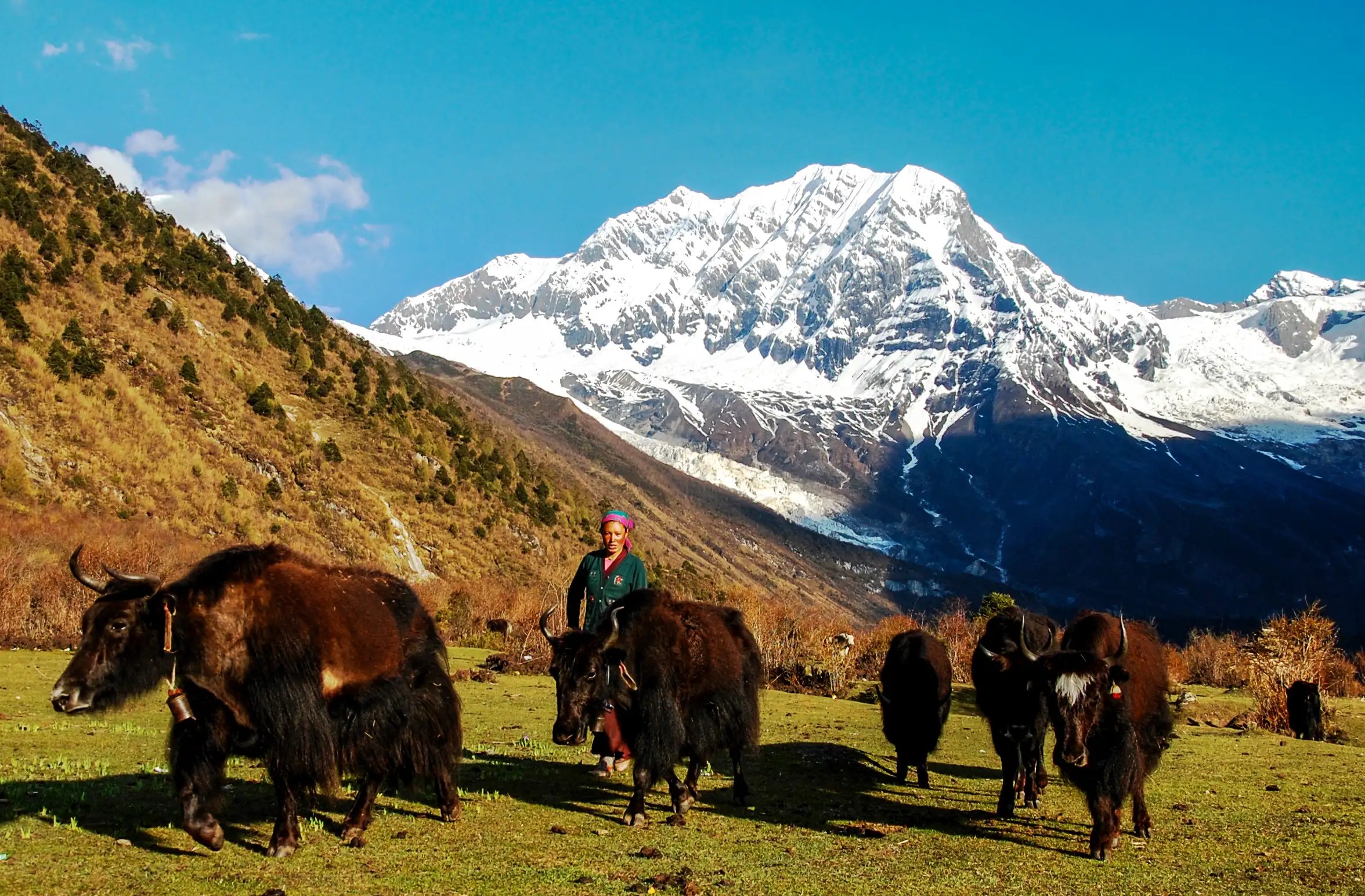
Continuing, you will pass through yak-grazing pastures and open alpine landscapes. As you approach Sama Gaun, you will notice changes in the surroundings, where the trail becomes less forested.
Sama Gaun is a large traditional village located beneath the massive slopes of Mount Manaslu. The village features traditional stone houses, ancient monasteries, prayer flags, and a strong Tibetan influence.
You can spend the rest of the afternoon exploring the village and enjoying the breathtaking mountain scenery.
Overnight in Sama Gaun.
Max. Altitude: 3,530m (11,581 feet)
Accommodation: Teahouse or Lodge
Meals: Breakfast, Lunch, Dinner
Trek Duration: 4 hours trek
Today you will acclimatize in Sama Gaun. But instead of resting all day, you will do an optional hike that will eventually help you adjust to the altitude.
The popular option, loved by many trekkers, is the hike to Manaslu Base Camp. The trail ascends through rocky terrain. Once you reach the camp, you will witness the stunning and marvelous views of glaciers, icefalls, and Mount Manaslu itself.
Another excellent option is visiting Pungyen Gompa. It’s a peaceful monastery situated beneath dramatic mountain cliffs and glacier landscapes.
You may also visit Birendra Lake, a beautiful glacial lake near Sama Gaun. The turquoise waters of the lake contrast beautifully with the surrounding mountains and glaciers.
After spending quality time on those optional hiking options, you return to Sama Gaun. This strategy of climbing high and sleeping low greatly improves acclimatization and reduces the risk of altitude sickness.
Overnight in Sama Gaun.
Max. Altitude: 4,400m (14,435 feet)
Accommodation: Teahouse or Lodge
Meals: Breakfast, Lunch, Dinner
Trek Duration: 7 hours trek
After breakfast, you will continue walking towards the Samdo. The trail ascends gradually and offers uninterrupted views of the surrounding Himalayan peaks.
Along the way, you will pass through the ancient mani walls and traditional yak grazing areas. The greenery now thins as you approach the higher alpine area. You will witness more remote and rugged surroundings that reflect that you are now close to the Tibetan Border.
Later, you will reach the traditional Tibetan refugee village, Samdo. It is one of the last permanent settlements before Larkya La Pass. The local culture remains deeply influenced by Tibetan traditions, and many families continue to practice centuries-old customs.
You may take a short walk above the village to acclimatize further and enjoy magnificent views of the surrounding mountains.
Overnight in Samdo.
Max. Altitude: 3,865m (12,680 feet)
Accommodation: Teahouse or Lodge
Meals: Breakfast, Lunch, Dinner
Trek Duration: 3 hours trek
Today’s trek is relatively short, and the trail gradually climbs through rugged alpine terrain, and you will cross streams and pass yak pastures.
Along the way, you will cross the remains of the historic Larkya Bazaar, which was once an important trading point between Nepal and Tibet. Now, only the ruins remain, but the spot preserves the area’s trading history.
As you continue, your eyes will be filled with the impressive views of glaciers, surrounding peaks, and high mountain valleys. Eventually, you arrive at Dharamsala, also known as Larkya Phedi, the final stop before Larkya La Pass.
You will spend the remainder of the day resting, hydrating, and preparing for tomorrow’s challenging crossing.
Overnight in Dharamsala.
Max. Altitude: 4,460m (14,632 feet)
Accommodation: Teahouse / Lodge
Meals: Breakfast, Lunch, Dinner
Trek Duration: 4 hours trek
Today is one of the most challenging and rewarding days of the entire trek. You begin before sunrise and gradually ascend toward Larkya La Pass. The climb is steady and requires patience, and the scenery around becomes more spectacular with every step.
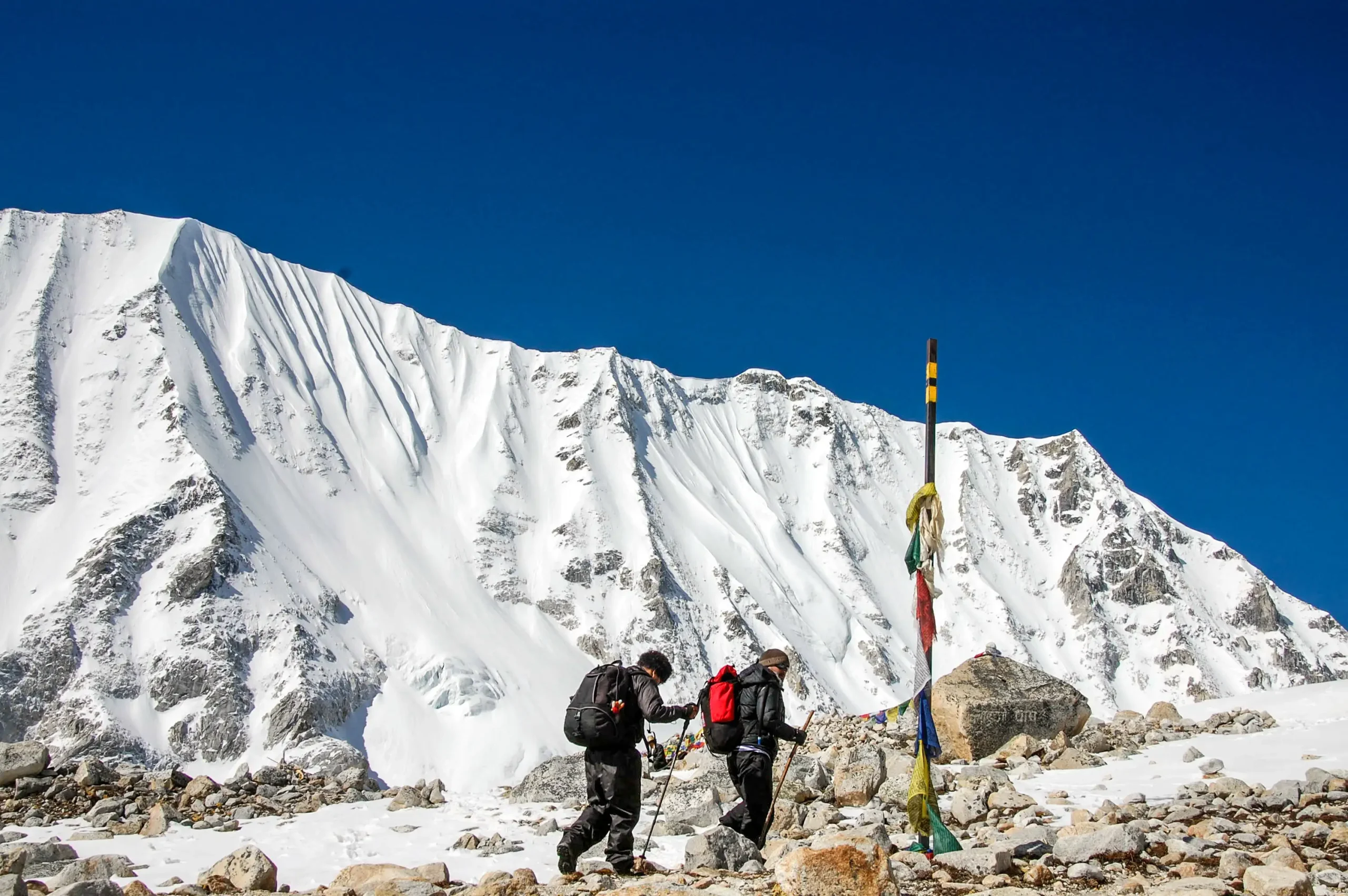
The closer you come to the Larkya Pass, the more you are surrounded by glaciers, snow-covered ridges, and dramatic alpine landscapes. Upon reaching Larkya La Pass, you are rewarded with breathtaking panoramic views of Himlung Himal, Cheo Himal, Kang Guru, Annapurna II, and numerous surrounding peaks.
After spending some time at the pass and taking photographs, you start doing the long descent toward Bimthang. Along the trail, you will pass glacial moraines, frozen lakes, and beautiful mountain valleys before eventually reaching greener terrain.
Bimthang is a stunning settlement located in a broad valley surrounded by towering mountains. The scenery here is among the most beautiful in the entire Himalayas.
Overnight in Bimthang.
Max. Altitude: 5,106m (16,752 feet)
Accommodation: Teahouse / Lodge
Meals: Breakfast, Lunch, Dinner
Trek Duration: 10 hours trek
Today, the trek is mostly downhill, and you descend through alpine meadows, glacial streams, and rhododendron forests. Then, you pass through Karche and continue toward Gho. Gho is a charming village surrounded by forests and traditional farmland.
Later, you reach Tilije, where you start noticing the cultural shift from the Manaslu region to the Annapurna region. After leaving Tilije, the trail now follows beautiful forest trails and river valleys before finally reaching Dharapani. This village marks the point where the Manaslu Circuit joins the famous Annapurna Circuit Trek.
You have finished the Manaslu Circuit section, and from here onward, you will start walking to the Annapurna Region.
Overnight in Dharapani.
Max. Altitude: 3,860m (12,664 feet)
Accommodation: Teahouse / Lodge
Meals: Breakfast, Lunch, Dinner
Trek Duration: 7-8 hours trek
After breakfast, you will leave Dharapani and officially begin the Annapurna Circuit journey. The trail follows the Marsyangdi River, passes through beautiful pine and fir forests, and gradually gains altitude. You will notice that the Annapurna trail is more developed, with a wider variety of villages and teahouses than the remote Manaslu region.
You will first pass through Bagarchhap. Bagarchap, a small village with strong Tibetan influence, is where you’ll see prayer flags, mani walls, and small Buddhist monuments. You then continue through Danaque and climb up to Timang, one of the best viewpoints on the way. From here, you can see Manaslu, Lamjung Himal, and Annapurna II on a clear day.
The trail continues through forests filled with pine trees and occasional waterfalls before reaching Chame.
Chame is the administrative headquarters of the Manang District. This place is well known among the trekkers for its natural hot springs, traditional mountain culture, and incredible mountain scenery. The sunset views of Lamjung Himal from Chame are particularly impressive.
Overnight in Chame.
Max. Altitude: 2,670m (8,760 feet)
Accommodation: Teahouse / Lodge
Meals: Breakfast, Lunch, Dinner
Trek Duration: 4-5 hours trek
Today’s trek offers some of the most dramatic landscapes on the Annapurna Circuit. After breakfast, you will walk the trail that follows the Marsyangdi River through dense pine forests and narrow valleys surrounded by towering cliffs.
One of the day’s highlights is walking past Paungda Danda, a huge, curved rock wall that rises sharply above the valley. It’s a natural landmark you’ll notice from far away, and it really stands out along the Annapurna Circuit.
Later, you pass through Bhratang, a small village known for its apple orchards. After that, you cross a long suspension bridge over the Marsyangdi River. From here, the valley opens up, and you start getting clear views of Annapurna II, Pisang Peak, and the surrounding mountains.
Eventually, you will reach Upper Pisang. Upper Pisang, a traditional village perched above the valley floor, offers significantly better views of the surrounding mountains.
Overnight in Upper Pisang.
Max. Altitude: 3,300m (10,826 feet)
Accommodation: Teahouse / Lodge
Meals: Breakfast, Lunch, Dinner
Trek Duration: 7 hours trek
Today, you follow the famous upper route of the Annapurna Circuit, widely regarded as one of the most scenic sections of the entire trek. But the trail is more ascending than descending.
The day begins with a steady ascent to Ghyaru, a traditional village sitting high above the Marsyangdi Valley. From here, you can enjoy panoramic views of Annapurna II, Annapurna III, Annapurna IV, Gangapurna, Tilicho Peak, and Pisang Peak.
After you explore Ghyaru, you continue walking along a high trail above the valley. The path takes you through dry, open mountain terrain before reaching Nawal, a beautiful village with a strong Tibetan Buddhist culture. Along the way, you pass old monasteries, prayer wheels, and mani walls that show the spiritual life of the region.
Nawal offers some of the finest panoramic views on the Annapurna Circuit and is an excellent acclimatization stop before heading toward Manang.
Overnight in Nawal.
Max. Altitude: 3,650m (11,975 feet)
Accommodation: Teahouse / Lodge
Meals: Breakfast, Lunch, Dinner
Trek Duration: 4-5 hours trek
Today’s trek is shorter and relatively easy. You will pass through the open landscapes with magnificent views of the Annapurna range throughout the day.
As you continue, you reach Braga Village, a small village just before Manang. Here you’ll find Braga Monastery, one of the oldest monasteries in the Annapurna region. It sits above the village, offering nice views of the valley and mountains.
Later, you will reach Manang. Manang, the largest settlement on the Annapurna Circuit, is situated in a broad valley beneath Gangapurna and Annapurna III. Manang has long served as an important trading center between Nepal and Tibet. The village offers bakeries, coffee shops, small museums, and excellent mountain views.
Overnight in Manang.
Max. Altitude: 3,550m (11,647 feet)
Accommodation: Teahouse / Lodge
Meals: Breakfast, Lunch, Dinner
Trek Duration: 4-5 hours trek
Today is another important acclimatization day that helps your body to adjust to the higher altitude before crossing Thorong La Pass. Instead of just resting, you will do an optional hike to higher elevations.
The first, and one of the most popular, hiking options is Gangapurna Lake. Gangapurna Lake, a stunning glacial lake, rests at the foot of the Gangapurna peak. The turquoise water and surrounding mountain scenery create excellent photography opportunities.
If you want to do a little harder, the challenging trek to Ice Lake offers even more spectacular panoramic views of Annapurna II, Annapurna III, Gangapurna, Tilicho Peak, Chulu East, and Chulu West. The views from Ice Lake are often considered among the best on the entire Annapurna Circuit.
You may also visit the Himalayan Rescue Association center in Manang, where informative presentations about altitude sickness and mountain safety are regularly provided.
After your acclimatization hike, you will return to Manang and rest.
Overnight in Manang.
Max. Altitude: 3,550m (11,647 feet)
Accommodation: Teahouse / Lodge
Meals: Breakfast, Lunch, Dinner
After breakfast, you will leave Manang and head towards the more rugged and remote alpine surroundings. The trail gradually climbs through dry landscapes, juniper bushes, and high-altitude grazing areas.
You pass through Gunsang, a small, quiet settlement with nice views of Annapurna III and Gangapurna. As you go higher, there are fewer trees, and the landscape slowly turns into open, rocky mountain terrain.
Throughout the day, you may see yaks grazing on alpine meadows while snow-covered peaks dominate the horizon. The pace remains slow and steady to allow for proper acclimatization.
Eventually, you will reach Yak Kharka. Yak Kharka, a small seasonal settlement traditionally used by local herders, is surrounded by mountain scenery.
Overnight in Yak Kharka.
Max. Altitude: 4,020M (13,189 feet)
Accommodation: Teahouse / Lodge
Meals: Breakfast, Lunch, Dinner
Trek Duration: 3-4 hours trek
Today’s trek is relatively short but takes you into increasingly challenging high-altitude terrain. The trail gradually climbs above the tree line and crosses several small streams before reaching Letdar.
Beyond Letdar, the landscape becomes more barren and dramatic. You will walk through the trail carved by traders and trekkers, surrounded by steep mountain slopes rising on both sides.
After several hours of gradual ascent, you arrive at Thorong Phedi, which means “base of the hill.” This small settlement sits at the foot of the Thorong La Pass.
Overnight in Thorong Phedi.
Max. Altitude: 4,550m (14,928 feet)
Accommodation: Teahouse / Lodge
Meals: Breakfast, Lunch, Dinner
Trek Duration: 3-4 hours trek
Today is the highest and most challenging day of the entire trek. You will start early, before sunrise, using headlamps and climb toward Thorong La Pass. The ascent is challenging due to the altitude, and walking slowly and steadily is the best way to ascend.
As the sun rises, the mountains slowly start appearing around you. After a few hours, you finally reach Thorong La Pass at 5,416 meters, the highest point of your journey.
At the top, you’ll see prayer flags, snow, and a wide view stretching across both sides of the Himalayas. You will witness the breathtaking views of the Annapurna Range, Dhaulagiri, Nilgiri, Yakawa Kang, and the arid landscapes of Mustang.
After spending some time at the pass, you begin the long descent toward Muktinath. The landscape changes dramatically as you enter the rain-shadow region of Mustang, known for its dry terrain and unique mountain desert.
Upon reaching Muktinath, you can visit the sacred Muktinath Temple. Muktinath Temple, a revered pilgrimage site for both Hindus and Buddhists, includes 108 sacred water spouts, ancient shrines, and the famous eternal flame.
Overnight in Muktinath.
Max. Altitude: 5,416 meters (17,769 feet)
Accommodation: Teahouse / Lodge
Meals: Breakfast, Lunch, Dinner
Trek Duration: 7-8 hours trek
After breakfast, you will do the scenic drive from Muktinath to Pokhara. The trail first descends through Kagbeni. Kagbeni is a fascinating medieval-style village located at the gateway to Upper Mustang.
Continuing onward, you pass through Jomsom and Marpha. Jomsom is a beautiful village and the district headquarters of Mustang, whereas Marpha is famous throughout Nepal for its apple orchards and traditional stone architecture.
You drive through the Kali Gandaki Valley, which lies between the Annapurna and Dhaulagiri mountains and is known as the world’s deepest gorge. Along the way, you pass cliffs, waterfalls, and small villages, and you slowly notice the landscape getting greener and warmer as you go down.
After reaching Pokhara, you can rest for the remainder of the day or stroll around the lakeside and enjoy the city’s vibrant atmosphere.
Overnight in Pokhara.
Accommodation: Standard Hotel
Meals: Breakfast, Lunch, Dinner
Drive duration: 8-9 hours’ drive
After breakfast, you leave Pokhara and begin the return journey to Kathmandu. The scenic drive follows the Prithvi Highway alongside rivers, terraced hillsides, and rural villages.
Upon arrival in Kathmandu, you can spend your free time shopping for souvenirs, exploring cultural sites, enjoying local cuisine, or simply relaxing at your hotel.
Overnight in Kathmandu.
Accommodation: 3-star Hotel
Meals: Breakfast, Lunch, Dinner
Drive duration: 7-8 hours’ drive
Today, your journey comes to an end.
Depending on your flight time, you’ll have a relaxed morning in Kathmandu. You can enjoy a slow breakfast, take a short walk around Thamel, or sit back and reflect on everything you’ve just completed over the past three weeks.
Later, our team will transfer you to Tribhuvan International Airport for your departure. It’s a short drive, but it marks the final step of your Himalayan journey.
You leave Nepal with tired legs, a full camera, and memories that will stay with you for a long time.
Meals: Breakfast
The Manaslu and Annapurna Circuit Trek is a combined trekking adventure that takes you through two of Nepal’s most famous trekking regions. The route includes the remote Manaslu Circuit, the crossing of Larkya La Pass (5,106m), and the classic Annapurna Circuit with Thorong La Pass (5,416m), offering a unique mix of mountain scenery, local culture, and high-altitude adventure.
This itinerary takes 23 days from arrival in Kathmandu to your final departure. It includes transportation, trekking days, acclimatization days, and hotel stays in Kathmandu and Pokhara.
The highest point of the trek is Thorong La Pass at 5,416m (17,769ft). You will also cross Larkya La Pass at 5,106m (16,752ft) during the Manaslu section of the journey.
Combining these two routes allows you to experience remote Himalayan wilderness, traditional Tibetan-influenced villages, diverse landscapes, and two of Nepal’s most famous high mountain passes in a single trekking adventure.
The trek is considered moderate to challenging.
You will walk for at least 5-6 hours each day on average. The trails are often steep and uneven, and you will cross the 5000m mark. Those 2 high passes and long trekking days demand good physical fitness.
Previous trekking experience is helpful but not essential. If you are physically fit, enjoy walking, and prepare properly before the trip, you can complete the trek successfully.
Regular hiking, walking, running, cycling, or other cardio activities in the months before your trip can help improve your fitness. Strengthening your legs and building stamina will make the trek more enjoyable.
Yes, it’s a chance. If the trek crosses 5000m, you may feel altitude sickness. But with proper acclimatization, hydration, sleep, food, and your guide’s advice, you won’t have to face the situation.
The acclimatization days in Sama Gaun and Manang give your body time to adjust to the increasing altitude. These rest days help reduce the risk of altitude-related problems and improve your chances of crossing the high passes safely.
At first, do not panic. Once you begin the trek, your guide will closely monitor your condition. If such a thing even happens, depending on the severity of symptoms, you may need additional rest, descend to a lower altitude, or receive medical assistance if necessary.
You will stay in a 3-star hotel in Kathmandu, a standard hotel in Pokhara, and local teahouses during the trek. Teahouse accommodation is simple but comfortable, offering a great opportunity to experience mountain hospitality.
Breakfast, lunch, and dinner are included throughout the trekking portion of the itinerary. The menu typically includes Nepali, Tibetan, and international dishes.
Yes. Vegetarian meals are widely available throughout the route. If you have other dietary requirements, please let us know in advance.
Hot showers are available in many villages along the route, though they often require an additional fee. Availability may be limited at higher elevations.
The trek requires several permits, including the Manaslu Restricted Area Permit (MRAP), the Manaslu Conservation Area Permit (MCAP), the Annapurna Conservation Area Permit (ACAP), and any additional permits required by current regulations.
Yes. The Manaslu region is a restricted area, and trekkers must be accompanied by a licensed guide in accordance with Nepal government regulations.
No. Independent trekking is not permitted in the restricted Manaslu region. A licensed guide is mandatory.
Spring (March to May) and autumn (late September to November) are the best seasons. These months usually offer clear mountain views, stable weather, and comfortable trekking conditions.
Yes, but winter trekking can be more challenging due to snow, colder temperatures, and possible pass closures depending on weather conditions.
The trek is possible, but heavy rainfall, muddy trails, landslides, and reduced visibility can make the experience more difficult.
Wi-Fi is available in many villages, but the connection can be slow and unreliable, especially at higher elevations.
Yes. Most teahouses offer charging facilities, though an additional fee is often charged at higher elevations.
It is a good idea to carry extra cash for drinks, snacks, hot showers, charging devices, Wi-Fi, personal purchases, and tips for guides or porters.
Reliable ATMs are not available along most of the trekking route. It is best to withdraw enough cash in Kathmandu before the trek begins.
There are a few essential and recommended items, including trekking boots, warm layers, a down jacket, waterproof clothing, gloves, a hat, sunglasses, sunscreen, trekking poles, a sleeping bag, and personal medications.
Yes! Travel insurance is highly recommended, and your policy should cover high-altitude trekking, medical treatment, and emergency helicopter evacuation up to at least 5,500 meters.
It’s not mandatory, but might be necessary. Teahouses do provide blankets, but if you have your own sleeping bag, you could get much better-quality sleep, especially at higher elevations where temperatures can drop significantly at night.
The Manaslu Circuit Trek is one of the most beautiful and adventurous trekking journeys in Nepal & takes you around Mount Manaslu, the world's eighth-highest mountain at 8,163 meters (26,781 feet).
The Manaslu Circuit and Tsum Valley Trek is one of the best treks in Nepal for those seeking a peaceful, remote mountain adventure combining the beautiful scenery of the Manaslu region and Tsum Valley.
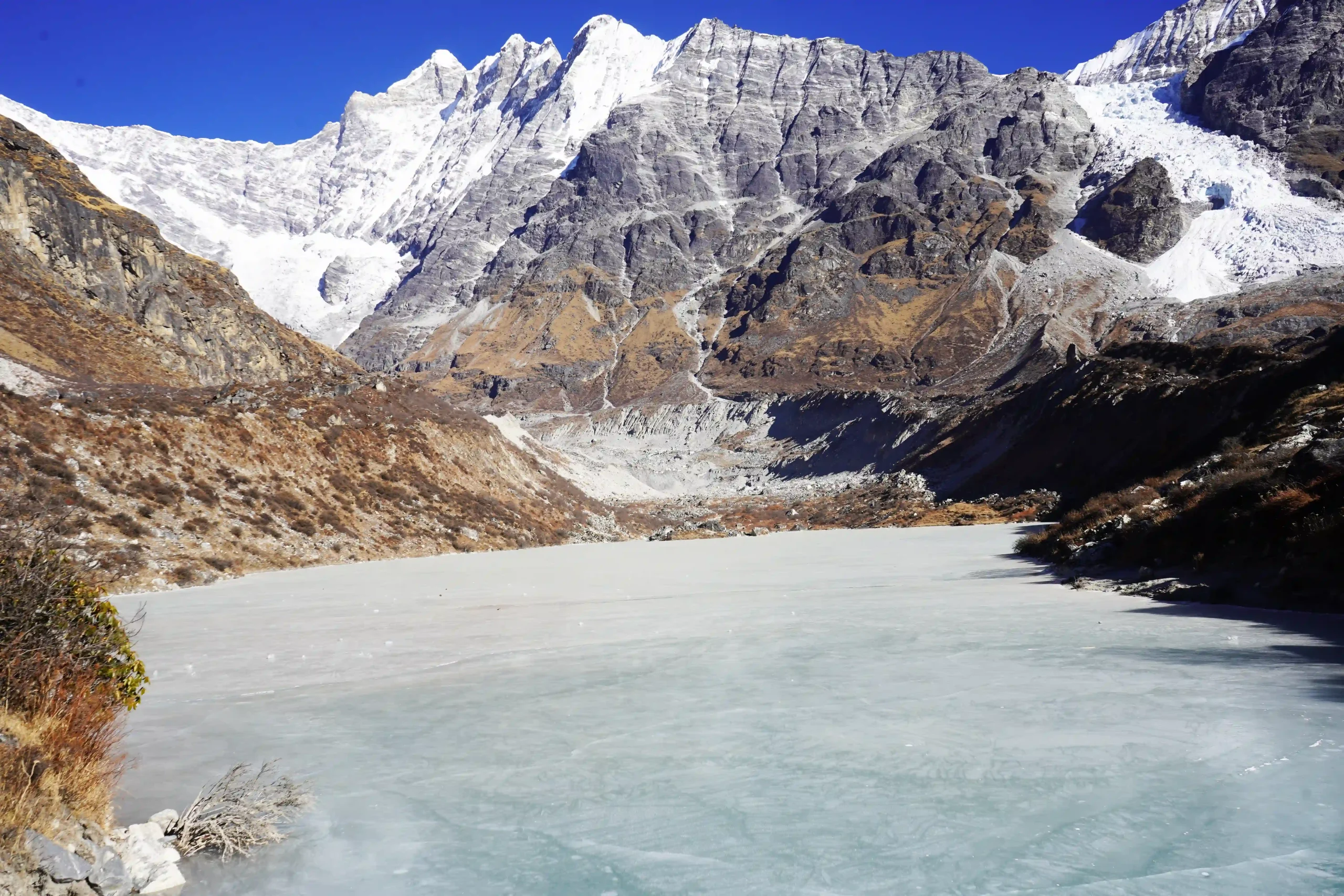
The Langtang Gosainkunda Trek is one of the most beautiful and diverse trekking experiences in Nepal combining the stunning landscapes of Langtang Valley with the sacred alpine lakes of Gosainkunda.