

Khumjung Village
Share:
 Read Time
This blog has 4702 words .This blog has 32395 characters.This blog take 16 minutes to read.
Located in the beautiful Khumbu region of Nepal, Khumjung Village is a hidden gem where traditional Sherpa culture, Himalayan landscapes, and peaceful mountain life come together. Situated at an altitude of around 3,790 meters inside Sagarmatha National Park, this charming settlement provides travelers with a deeper connection to the Everest region beyond the popular trekking trails.
Although many trekkers pass through famous destinations like Namche Bazaar while heading toward Everest Base Camp, Khumjung Village Nepal offers a quieter and more authentic experience. The village is surrounded by spectacular Himalayan peaks, ancient Buddhist traditions, stone-walled fields, and warm Sherpa communities that have preserved their unique lifestyle for generations.
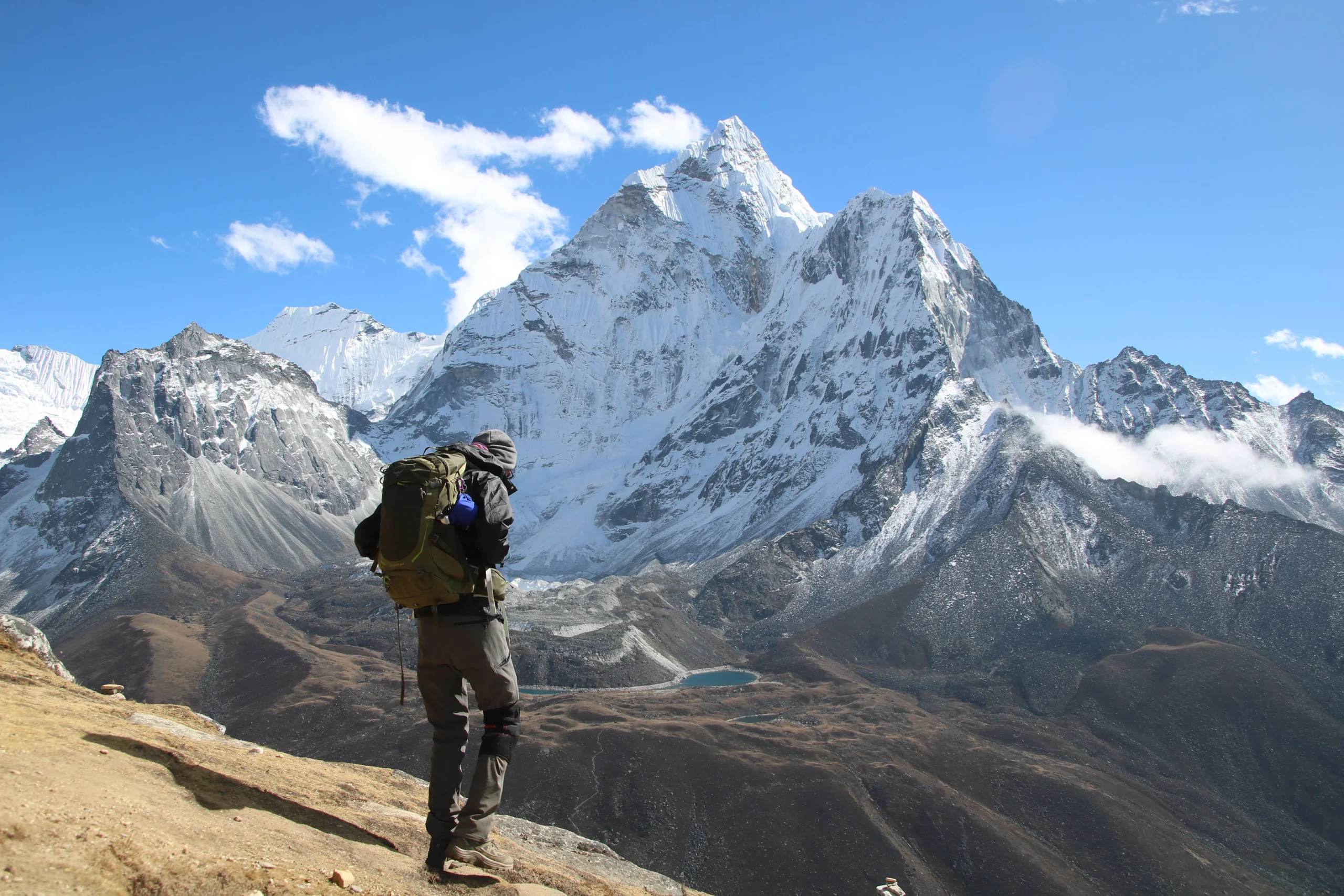
Moreover, Khumjung is not only famous for its natural beauty but also for its cultural importance in the Everest region. Visitors can explore the historic Khumjung Monastery, learn about Sherpa heritage, and enjoy breathtaking views of mountains like Ama Dablam, Thamserku, and Khumbila. Therefore, Khumjung Village has become a memorable destination for trekkers who want to experience the real spirit of the Himalayas while exploring the Everest region.
Where is Khumjung Village?
Khumjung Village is located in the Khumbu region of Solukhumbu District, Koshi Province, Nepal, inside the protected area of Sagarmatha National Park. This beautiful Himalayan settlement sits at an altitude of around 3,790 meters above sea level and is positioned near the sacred Khumbila Mountain, which holds deep spiritual importance for the Sherpa community.
Reaching Khumjung Village Nepal usually requires a scenic trekking journey through the classic Everest route. After arriving at Lukla by flight from Kathmandu, trekkers follow the trail through Phakding and Namche Bazaar before continuing toward Khumjung. Moreover, the village is only about a 1.5 to 2-hour walk from Namche Bazaar, making it a popular acclimatization destination for travelers preparing for higher Himalayan trails.
Although it is located in a remote mountain area, Khumjung Village has developed into an important cultural and trekking stop in the Everest region. The peaceful valley, traditional Sherpa homes, surrounding peaks, and unique mountain lifestyle make this village a perfect place to experience the authentic side of Nepal’s Himalayas away from the busier trekking sections.
History of Khumjung Village
The history of Khumjung Village is deeply connected with the Sherpa community, whose ancestors migrated through the Himalayan valleys and developed a unique way of life based on farming, trade, and mountain traditions. For many generations, the village remained an important settlement in the Khumbu region, where local families practiced agriculture, raised livestock, and followed Tibetan Buddhist customs while living beneath the sacred Khumbila Mountain.
Although Khumjung Village Nepal was already a traditional Sherpa settlement, its name became internationally recognized after the successful Mount Everest expedition of 1953. Sir Edmund Hillary developed a strong connection with the Sherpa people after experiencing their support during Himalayan expeditions, and later he started community projects that focused on improving education and living conditions in the region.
One of the most important milestones in Khumjung Village history was the establishment of Khumjung School in 1961 through the support of Sir Edmund Hillary and the Himalayan Trust. The school was created to provide better educational opportunities for local children, and over time it became a symbol of positive change in the Everest region.
Moreover, the village continued to grow while preserving its traditional identity, Buddhist heritage, and Sherpa hospitality. Today, Khumjung Village Nepal represents a beautiful balance between ancient Himalayan culture and modern development, making it one of the most meaningful cultural destinations for travelers exploring the Everest region.
Why is Khumjung Village Famous?
Khumjung Village is famous for its unique combination of Sherpa culture, Himalayan traditions, and historical landmarks that reflect the true spirit of the Everest region. Unlike many other trekking stops that mainly attract visitors because of mountain views, this village offers a deeper experience through its local lifestyle, ancient Buddhist practices, and important contributions to the development of the Khumbu community.
One of the biggest reasons Khumjung Village Nepal attracts travelers is the historic Khumjung Monastery, which is believed to preserve a famous yeti relic that has been part of local stories for generations. Although the legend remains a topic of curiosity, the monastery itself represents the strong Buddhist faith, spiritual traditions, and cultural heritage of the Sherpa people.
Moreover, the village is well known for Khumjung Secondary School, also called Hillary School, which was established in 1961 with the support of Sir Edmund Hillary after his historic Everest success. The school became an important symbol of education and community development in the remote Himalayas, providing opportunities for children from the Khumbu region.
Besides its historical importance, Khumjung Village is also popular because of its stunning mountain surroundings and authentic Sherpa lifestyle. Visitors can walk through traditional stone houses, observe local farming practices, enjoy views of Khumbila and nearby Himalayan peaks, and experience a peaceful atmosphere that is rarely found in busier trekking destinations.
Therefore, Khumjung Village Nepal is not only a beautiful stop on the Everest trekking route but also a place where nature, culture, and history come together. For travelers who want to understand the real identity of the Everest region, spending time in Khumjung provides a meaningful Himalayan experience beyond just reaching a destination.
Top Attractions in Khumjung Village
Khumjung Village is filled with cultural landmarks, peaceful trails, and traditional Himalayan attractions that showcase the real beauty of the Everest region. Although the village is small compared to other trekking destinations, it offers several meaningful places where visitors can explore Sherpa history, Buddhist traditions, and mountain lifestyles. Each attraction provides a different experience, making Khumjung Village Nepal a memorable stop during an Everest region journey.
Khumjung Monastery
One of the most important attractions of Khumjung Village is the historic Khumjung Monastery, locally known as Khumjung Gompa. This beautiful Buddhist monastery represents the spiritual connection of the Sherpa community and allows visitors to experience traditional Himalayan religious practices, colorful prayer flags, and peaceful surroundings.
Moreover, the monastery is famous for a legendary relic associated with the Yeti story, which has attracted curiosity from travelers around the world. However, beyond the legend, the monastery itself remains a valuable cultural site where visitors can understand the deep Buddhist faith and heritage preserved by local people.
Hillary School
Another major attraction in Khumjung Village Nepal is the famous Hillary School, established with the support of Sir Edmund Hillary to improve education opportunities for children in the remote Everest region. The school reflects the long-lasting relationship between the Sherpa community and the mountaineering world while showing how education has transformed mountain life.
Visitors can observe the importance of this institution while exploring the village, because it represents more than just a school. It stands as a symbol of progress, hope, and community development in one of Nepal’s most remote Himalayan areas.
Khunde Village and Khunde Hospital
Located close to Khumjung, Khunde Village is another peaceful destination that travelers can explore during their stay. The short walk between these two settlements offers beautiful views of stone houses, mountain landscapes, and traditional Sherpa farming areas.
Furthermore, Khunde is known for its hospital, which has played an important role in providing healthcare services to people living in the high-altitude Khumbu region. Therefore, visiting Khunde along with Khumjung Village Nepal gives travelers a wider understanding of local community life beyond trekking and mountain views.
Khumbila Mountain Views
The sacred Khumbila Mountain is one of the most impressive natural highlights surrounding Khumjung Village. Considered a spiritual mountain by the Sherpa people, Khumbila creates a dramatic backdrop with its impressive shape and peaceful Himalayan atmosphere.
Besides cultural importance, the mountain provides excellent photography opportunities along with views of nearby peaks and valleys. Because of its unique combination of natural beauty and religious significance, Khumbila remains one of the most unforgettable attractions in the Everest region.
Trekking Routes Through Khumjung Village
Khumjung Village is an important cultural stop in the Everest region, and you can explore this beautiful settlement through several trekking routes that connect the village with famous Himalayan destinations. Although many travelers visit Khumjung as part of the Everest Base Camp journey, you can also discover this peaceful Sherpa village through shorter trekking options that focus on culture, nature, and mountain views.
Everest Base Camp Trek Route
One of the most popular ways to explore Khumjung Village Nepal is through the classic Everest Base Camp Trek route. After arriving at Lukla, you can follow the famous trail through Phakding and Namche Bazaar before taking a scenic side trail toward Khumjung and Khunde.
During this journey, you can experience the gradual change in landscapes, from green valleys and pine forests to high Himalayan terrain. Moreover, you can enjoy breathtaking views of peaks like Ama Dablam, Thamserku, and Everest while walking through traditional Sherpa settlements.
Everest Panorama Trek Route
If you have limited time but still want to experience the beauty of the Everest region, you can explore Khumjung Village through the Everest Panorama Trek route. This shorter trekking option usually includes Namche Bazaar, Khumjung, Khunde, and Tengboche, making it perfect for travelers who want Himalayan views without reaching extreme elevations.
Along this route, you can discover the unique lifestyle of Sherpa communities, visit ancient monasteries, and enjoy peaceful walking trails surrounded by spectacular mountains. Therefore, this route is a great choice for families, beginners, and travelers looking for a comfortable Himalayan adventure.
Namche Bazaar to Khumjung Village Route
For trekkers already staying in Namche Bazaar, you can easily explore Khumjung Village Nepal through a short and rewarding hiking route. The trail takes you through beautiful landscapes, traditional villages, and open viewpoints where you can enjoy amazing scenery of the Everest region.
Although the distance is not very long, the journey provides a memorable high-altitude experience. You can visit Khumjung Monastery, explore local communities, and return to Namche or stay overnight in the village to enjoy a quieter Himalayan atmosphere.
Gokyo and Everest Region Connection
For experienced trekkers, Khumjung Village can also be included in longer Everest region adventures that connect with destinations like Gokyo Valley and high mountain passes. These extended routes allow you to explore more remote landscapes while experiencing different sides of Sherpa culture.
Furthermore, you can witness diverse Himalayan environments, from peaceful villages and alpine forests to glaciers and dramatic mountain valleys. Because of its location, Khumjung acts as a perfect cultural highlight within a wider Everest trekking experience.
Best Time to Visit Khumjung Village
Choosing the right season is important to enjoy the beauty of Khumjung Village because weather conditions in the Everest region can change quickly. Although this Himalayan village can be visited throughout the year, the spring and autumn seasons are considered the most suitable periods for trekking, sightseeing, and experiencing clear mountain views. During these months, you can explore the village comfortably while enjoying stable weather and beautiful landscapes.
Spring Season (March to May)
Spring is one of the best times to explore Khumjung Village Nepal because the surrounding hills and forests become colorful with blooming rhododendron flowers. During this season, you can walk through pleasant trails, enjoy clear views of Himalayan peaks, and experience the lively atmosphere created by trekkers from around the world.
Moreover, the temperature remains comfortable compared to colder months, making daily walks more enjoyable. Although mornings can still feel chilly at higher elevations, you can usually expect good visibility and excellent conditions for photography throughout the spring season.
Autumn Season (September to November)
Autumn is another highly recommended season to visit Khumjung Village because the weather is generally stable and the skies remain clear. During this period, you can enjoy some of the best views of Everest, Ama Dablam, Thamserku, and surrounding Himalayan peaks without frequent weather interruptions.
Furthermore, the pleasant temperature and dry trekking trails make autumn ideal for exploring nearby attractions, monasteries, and viewpoints. Because of these favorable conditions, many travelers choose this season to experience the true beauty of the Everest region.
Winter Season (December to February)
Winter brings a peaceful and less crowded atmosphere to Khumjung Village Nepal. If you enjoy quiet trails and snowy mountain landscapes, you can explore the village during this season and experience a completely different side of the Himalayas.
However, temperatures can drop significantly, especially during mornings and nights. Therefore, you should prepare with warm clothing and proper trekking equipment while traveling during winter.
Monsoon Season (June to August)
The monsoon season is considered the least preferred time to visit Khumjung Village because rainfall can make lower trekking trails wet and sometimes affect transportation schedules. Although the region receives less rainfall compared to many other parts of Nepal, clouds and limited mountain visibility can reduce the overall experience.
Nevertheless, you can still explore the village during monsoon if you prefer fewer crowds and a peaceful journey. With proper planning and flexible schedules, this season offers a quieter trekking experience surrounded by fresh greenery and calm mountain environments.
Altitude and Acclimatization Tips
When you explore Khumjung Village, understanding altitude and proper acclimatization is essential because the village is located at around 3,790 meters above sea level. As you move higher into the Everest region, the air becomes thinner, so your body needs enough time to adjust to the changing environment. Therefore, a gradual trekking pace and proper preparation can help you enjoy this Himalayan journey more comfortably.
During your journey to Khumjung Village Nepal, you can allow your body to adapt naturally by spending enough time at intermediate destinations like Namche Bazaar. Although the distance may not seem very challenging, the increasing altitude requires patience because rushing can make your trekking experience more difficult. Moreover, taking short walks around the village, exploring nearby viewpoints, and resting properly are excellent ways to support acclimatization.
Staying hydrated is another important part of a successful high-altitude adventure. You can drink plenty of water, avoid excessive physical stress, and maintain a balanced diet while exploring the Everest region. Because your body uses more energy at higher elevations, eating nutritious meals and getting proper sleep can help you feel stronger throughout the journey.
While staying in Khumjung Village Nepal, you should always listen to your body and recognize signs of altitude discomfort. Mild symptoms like tiredness or a slight headache can happen during mountain travel; however, severe symptoms such as difficulty breathing, confusion, or extreme weakness should never be ignored. Therefore, informing your guide and taking necessary rest is important for a safe trekking experience.
With proper planning, you can enjoy the peaceful atmosphere, Sherpa culture, and breathtaking Himalayan scenery of Khumjung Village without unnecessary difficulties. Moreover, choosing a well-planned itinerary with enough acclimatization days allows you to experience the Everest region in a safer and more enjoyable way.
Flora and Fauna Around Khumjung Village
The natural surroundings of Khumjung Village showcase the unique Himalayan ecosystem, where you can explore a beautiful combination of alpine landscapes, mountain vegetation, and rare wildlife. Located inside Sagarmatha National Park, the area around the village is protected for its natural importance, allowing travelers to experience the peaceful environment of the Everest region while discovering its diverse plant and animal life.
As you walk around Khumjung Village Nepal, you can see different types of Himalayan vegetation that have adapted to the high-altitude environment. Although the landscape becomes less forested as the elevation increases, you can still find rhododendron, juniper, birch, and alpine plants along the trekking trails. Moreover, during spring, colorful flowers add extra beauty to the mountain paths and create a refreshing atmosphere for trekkers.
The wildlife around Khumjung Village is another fascinating part of the Himalayan experience. While exploring the surrounding trails, you can sometimes spot mountain animals such as Himalayan thar, musk deer, and various species of birds that live in the high-altitude region. Because these animals are adapted to the challenging mountain climate, seeing them in their natural habitat creates a memorable moment for nature lovers.
Furthermore, the region is home to several Himalayan birds, including the colorful Himalayan monal, which is Nepal’s national bird, along with other mountain species. You can enjoy bird watching during peaceful morning walks because the quiet environment around the village provides a perfect setting for observing local wildlife.
The natural beauty surrounding Khumjung Village Nepal is not only about dramatic mountain views but also about the delicate relationship between people, plants, and wildlife. Therefore, while exploring this area, travelers should respect the environment, follow responsible trekking practices, and help preserve the unique Himalayan ecosystem for future generations.
Local Culture and Festivals
The culture of Khumjung Village reflects the rich traditions, beliefs, and lifestyle of the Sherpa community living in the Everest region. When you explore this mountain settlement, you can experience a unique way of life where Buddhist values, Himalayan traditions, and close community relationships have been preserved for generations. Although modern facilities have reached the area, the village still maintains its authentic cultural identity.
The people of Khumjung Village Nepal mainly follow Tibetan Buddhism, which plays an important role in their daily activities and social traditions. As you walk through the village, you can see colorful prayer flags, mani walls, prayer wheels, and monasteries that represent the spiritual connection between the Sherpa people and the Himalayan environment. Moreover, local customs encourage respect for nature, kindness, and harmony within the community.
One of the most important cultural experiences you can enjoy in Khumjung Village is visiting the traditional monasteries and observing local religious practices. You can witness monks performing prayers, explore ancient Buddhist artwork, and learn about the spiritual beliefs that guide the lives of mountain communities. Therefore, spending time in the village allows you to understand that the Everest region is not only about mountains but also about deep cultural heritage.
Festivals are another beautiful part of Sherpa culture, and you can experience celebrations filled with traditional music, dances, prayers, and community gatherings. Events like Mani Rimdu, Dumje, and other Buddhist festivals bring families together and showcase the strong connection between religion and everyday life in the Himalayas.
Furthermore, the warm hospitality of local people makes your visit to Khumjung Village Nepal even more special. You can share conversations with Sherpa families, taste traditional food, and learn stories about mountain life, trekking history, and generations of Himalayan experiences. Because of this welcoming atmosphere, the village offers a meaningful cultural journey that stays with travelers long after they leave.
Food and Accommodation in Khumjung Village
When you explore Khumjung Village, you can enjoy simple yet delicious Himalayan meals prepared with local ingredients and traditional cooking methods. Although the food options may be different from city restaurants, the warm meals served in local teahouses provide the energy needed for high-altitude trekking. Moreover, sharing food in a mountain setting allows you to experience the genuine hospitality of the Sherpa community.
The most common meals you can enjoy in Khumjung Village Nepal include traditional Nepali dishes such as dal bhat, momos, thukpa, noodles, soups, and Tibetan-style bread. You can also find tea, coffee, and other warm drinks that help you stay comfoLuklartable in the cold mountain climate. Because trekking requires more energy at higher elevations, local meals are usually prepared to provide enough nutrition for travelers.
Accommodation in Khumjung Village mainly consists of comfortable teahouses and small lodges operated by local families. You can stay in a peaceful mountain environment while enjoying basic facilities such as private or shared rooms, warm dining areas, and beautiful views of the surrounding Himalayan peaks.
Although the accommodation facilities are simpler compared to hotels in cities, they offer a unique cultural experience. You can spend your evenings sitting near a warm dining area, meeting other trekkers, and listening to stories from local hosts who have lived in the Everest region for many years.
Furthermore, staying in local lodges supports the community and helps preserve the traditional way of life in Khumjung Village Nepal. Therefore, choosing teahouse accommodation is not only a practical option during your trek but also a wonderful opportunity to connect with Sherpa culture and experience authentic Himalayan hospitality.
How to Reach Khumjung Village
Reaching Khumjung Village is an exciting Himalayan journey that combines scenic flights, beautiful trekking trails, and unforgettable mountain experiences. Since the village is located in the Everest region, you cannot reach it by road, and the most common way is to begin your adventure with a flight from Kathmandu to Lukla before continuing on foot through the stunning Khumbu landscapes.
Your journey to Khumjung Village Nepal usually starts with a short and scenic flight from Kathmandu to Lukla, one of the most famous mountain airports in the world. After landing at Lukla, you can begin trekking through beautiful villages like Phakding and Monjo while enjoying views of rivers, forests, suspension bridges, and traditional Himalayan settlements along the way.
From Monjo, the trail continues toward Namche Bazaar, the main trading hub of the Everest region. Although the climb to Namche requires a good level of effort, you can enjoy incredible views of the Himalayas and experience the unique atmosphere of this famous Sherpa town before continuing toward Khumjung.
After spending time acclimatizing in Namche Bazaar, you can take a peaceful trail toward Khumjung Village Nepal. The route offers spectacular views of Ama Dablam, Thamserku, and other Himalayan peaks while passing through Khunde and beautiful Sherpa landscapes. Moreover, the short distance from Namche makes Khumjung an ideal place to explore without rushing.
Alternatively, you can include Khumjung Village as part of popular Everest trekking packages such as the Everest Base Camp Trek, Everest Panorama Trek, or other customized Khumbu adventures. Therefore, reaching this beautiful village is not just about arriving at a destination; it is about experiencing the culture, nature, and mountain lifestyle throughout the journey.
Khumjung Village During the Everest Base Camp Trek
During the Everest Base Camp Trek, you can explore Khumjung Village as a peaceful cultural highlight away from the more crowded sections of the main trail. Although many trekkers focus only on reaching Everest Base Camp, adding Khumjung to your journey allows you to experience the traditional Sherpa lifestyle, ancient Buddhist heritage, and beautiful Himalayan surroundings in a more personal way.
As you travel through the Everest region, Khumjung Village Nepal provides an excellent place for acclimatization before moving toward higher elevations. After reaching Namche Bazaar, you can take a scenic walk toward Khumjung and explore the village while allowing your body to adjust to the increasing altitude. Moreover, the short hike offers incredible views of Ama Dablam, Thamserku, Khumbila, and other Himalayan peaks.
While visiting the village during your EveresLuklat journey, you can explore important cultural sites such as Khumjung Monastery and the historic Hillary School. Furthermore, you can walk through traditional Sherpa settlements, observe local farming practices, and interact with mountain communities that have preserved their unique lifestyle for generations.
Although the Everest Base Camp route is famous for its dramatic landscapes, spending time in Khumjung Village gives you a deeper understanding of the people who call this region home. You can experience warm Sherpa hospitality, enjoy local food, and discover how culture and nature are closely connected in the Himalayas.
Therefore, including Khumjung Village Nepal in your Everest Base Camp adventure creates a more complete trekking experience. Instead of only chasing mountain destinations, you can explore the history, traditions, and everyday life that make the Everest region one of the most special places in Nepal.
Travel Tips for Khumjung Village
Before exploring Khumjung Village, proper planning can help you enjoy a safer and more comfortable Himalayan experience. Since the village is located at a high altitude in the Everest region, you should prepare carefully with suitable clothing, trekking gear, and a flexible mindset. Although the journey is rewarding, being well-prepared allows you to focus more on the beautiful landscapes and cultural experiences.
When traveling to Khumjung Village Nepal, you can pack according to the season and altitude conditions. Warm layers, a waterproof jacket, comfortable trekking shoes, sunglasses, sunscreen, and personal medicines are important items to carry because mountain weather can change quickly. Moreover, keeping your backpack light makes walking easier, especially on uphill trails.
You should also maintain a slow and steLuklaady pace while trekking toward Khumjung Village. Because the altitude increases gradually, you can take enough rest breaks, drink plenty of water, and avoid unnecessary rushing. Furthermore, listening to your body and communicating with your guide can help prevent problems during the high-altitude journey.
Respecting local culture is another important part of visiting this Sherpa settlement. You can ask permission before photographing people, walk respectfully around monasteries, and follow local customs while interacting with the community. Although the village welcomes travelers from around the world, preserving its traditions helps maintain the authentic charm of the Everest region.
Moreover, carrying some extra cash is useful because ATM facilities and modern banking services are limited in remote mountain areas. You can also bring reusable items such as a water bottle and avoid unnecessary plastic waste to support responsible tourism. With thoughtful preparation, your journey to Khumjung Village Nepal can become a comfortable, respectful, and unforgettable Himalayan adventure.
Why Choose Silver Moon Adventure and Tour for Your Everest Journey
Exploring Khumjung Village in the Everest region becomes more comfortable and memorable when you travel with proper planning and experienced guidance. A well-organized trekking journey helps you enjoy the Himalayan landscapes, Sherpa culture, and peaceful mountain trails while focusing on creating unforgettable memories.
With Silver Moon Adventure and Tour, you can experience the Everest region through carefully designed itineraries, local knowledge, and professional support. Moreover, you can explore Khumjung Village Nepal with a balanced travel plan that includes proper acclimatization, comfortable arrangements, and enough time to discover the unique beauty of the area.
A journey to Khumjung is not only about reaching a mountain destination; it is about understanding the lifestyle, traditions, and stories of the Sherpa community. You can visit cultural landmarks, enjoy breathtaking views, and connect with local people while traveling with a reliable trekking team.
Furthermore, our experienced guides help you navigate the Himalayan trails safely while sharing valuable insights about the region’s history, nature, and culture. Because every traveler has different expectations, we focus on providing a personalized experience that matches your travel style.
Choose Silver Moon Adventure and Tour for your Everest journey and explore Khumjung Village with confidence, comfort, and unforgettable Himalayan experiences.
FAQs
1. Where is Khumjung Village located?
Khumjung Village is located in the Khumbu region of Solukhumbu District, Nepal, inside Sagarmatha National Park. It is a famous Sherpa settlement near Namche Bazaar in the Everest region.
2. What is the altitude of Khumjung Village?
Khumjung Village Nepal is situated at an altitude of around 3,790 meters (12,434 feet) above sea level. Due to its elevation, proper acclimatization is important while visiting this Himalayan destination.
3. How can I reach Khumjung Village?
You can reach Khumjung by taking a scenic flight from Kathmandu to Lukla and then trekking through Phakding and Namche Bazaar. From Namche, you can continue with a short and beautiful hike toward the village.
4. Is Khumjung Village part of the Everest Base Camp Trek?
Yes, Khumjung Village can be included as a cultural side trip or acclimatization stop during the Everest Base Camp Trek. It offers a chance to experience Sherpa culture before heading toward higher elevations.
5. What is Khumjung Village famous for?
Khumjung is famous for its Sherpa culture, Khumjung Monastery, Hillary School, traditional houses, and stunning views of Himalayan peaks like Ama Dablam and Khumbila.
6. What can I do in Khumjung Village?
You can explore monasteries, visit local communities, enjoy mountain views, experience Sherpa traditions, take short hikes, and learn about the lifestyle of people living in the Everest region.
7. What is the best time to visit Khumjung Village?
The best seasons to visit Khumjung Village Nepal are spring (March to May) and autumn (September to November) because of stable weather, clear mountain views, and comfortable trekking conditions.
8. Do I need permits to visit Khumjung Village?
Yes, you need the required Everest region trekking permits, including the Sagarmatha National Park Entry Permit and local area permit.
9. Is Khumjung Village suitable for beginner trekkers?
Yes, Khumjung can be suitable for beginners with proper preparation and a well-planned itinerary. However, because of the altitude, gradual trekking and acclimatization are necessary.
10. Can I stay overnight in Khumjung Village?
Yes, you can stay overnight in local teahouses and lodges. These accommodations provide basic facilities along with a chance to experience authentic Sherpa hospitality.